
Latest News
Afghan peace talks team expected to leave for Doha in two days


The Afghan government’s peace negotiations team is expected to leave Kabul on Wednesday for Doha, Qatar, for the start of intra-Afghan peace talks with the Taliban.
Talks are expected to officially start on Sunday, Afghanistan’s national radio and television service RTA reported.
All members of the group that will travel to Doha, including members of the negotiating team and journalists, had COVID-19 tests done on Monday.
This was in line with international health measures to try to curb the spread of the virus.
Journalists were told they would travel with the team, which will be led by Mohammed Masoom Stanekzai.
Stanekzai and his team are expected to negotiate a comprehensive ceasefire in the first round of talks, a source who is part of the negotiations team told Ariana News adding that the first round of talks is expected to last 15 days.
However, Sayed Mohammad Akbar Agha, a former Taliban leader said Monday that more time was needed to overcome some challenges before talks could begin.
“The Taliban will enter the talks after the release of 400 prisoners, and it is not possible to hold the talks in the limited days; challenges are yet to be removed, and the real representatives of the nation must be included among the delegation, and the Taliban will announce a ceasefire process to build trust,” said Akbar Agha.
Ghulam Farooq Majrooh, a member of the negotiating team meanwhile stated: “The delegation has made all the preparations and we will sit with a specific agenda around the negotiating table with the Taliban; and the other side (the Taliban) should be ready as soon as possible to start the negotiations.”
This latest development comes just a day after the Loya Jirga, or grand council, approved the release of the remaining 400 Taliban prisoners so as to kickstart peace talks.
Pledging to implement the Jirga’s decision, President Ashraf Ghani said on Sunday he will sign the release order of the inmates.
On Monday morning, a source said Ghani would sign the decree later in the day in order to remove the final obstacle in the way of intra-Afghan negotiations.
This development comes after the February deal between the United States and the Taliban in Doha. This agreement called for the release of 5,000 Taliban prisoners and the withdrawal of US troops.
So far, there has been a drawdown of US troops, five American military bases have been handed over to the Afghan government and Ghani has released over 4,600 Taliban prisoners.
The last group of 400 prisoners had been a sticking point as the group had been deemed hardcore inmates responsible for some of the country’s worst attacks over the past 19 years.

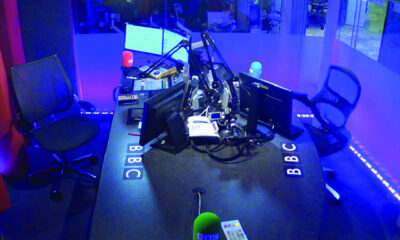


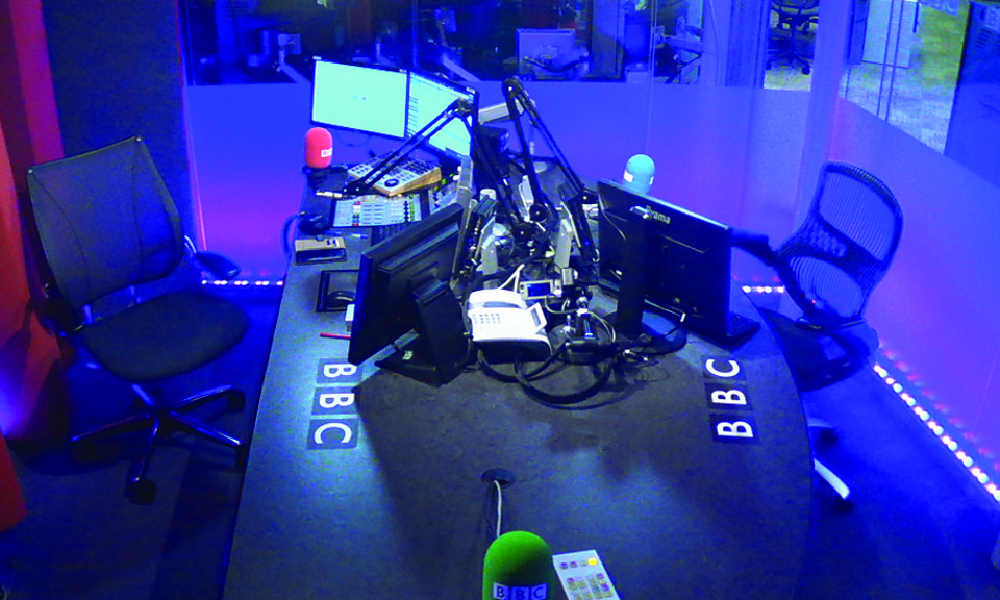
Afghanistan’s Ministry of Information and Culture says BBC radio broadcasts across the country have been suspended due to what it described as “repeated violations.”
Safiullah Raed, head of media monitoring at the ministry, confirmed the suspension, without providing further details.
The BBC has also confirmed that its radio broadcasts have been suspended across Afghanistan. A spokesperson for the broadcaster said it was in contact with officials of the Islamic Emirate to resolve the issue.
Latest News
UNHCR chief calls for greater support for Afghan returnees, urges protection of girls’ rights
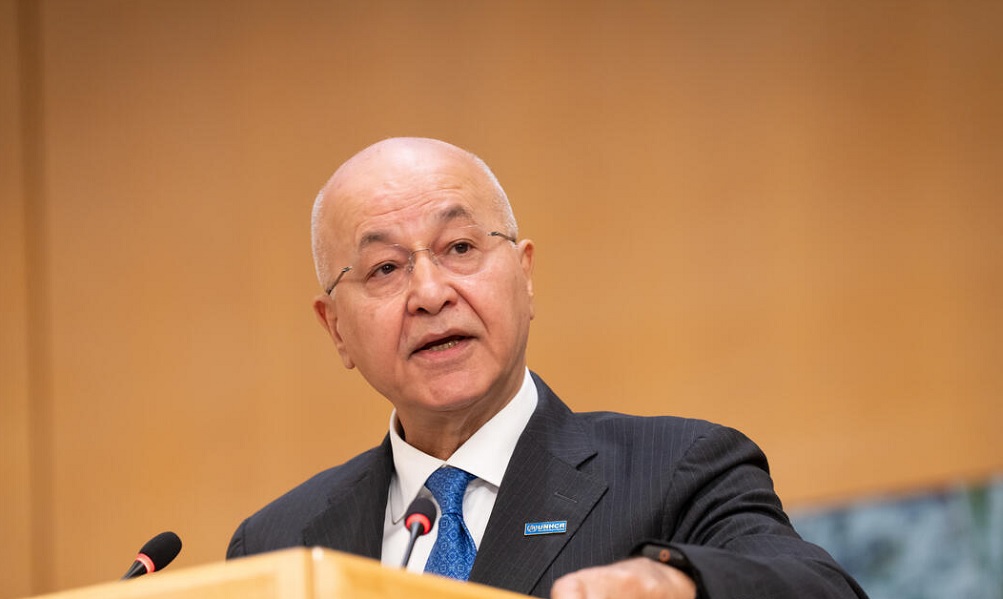
The United Nations High Commissioner for Refugees has called for greater international investment to support the reintegration of Afghan returnees, warning that millions are returning under difficult circumstances while communities face poverty, limited services and restrictions on women and girls.
Speaking at the 77th session of UNHCR’s Executive Committee, the High Commissioner said nearly seven million people had returned to Afghanistan from neighboring countries since late 2023, often under difficult conditions and not always voluntarily.
He said UN agencies and other partners, including the UN Refugee Agency and the United Nations Development Programme, were supporting reintegration efforts, but stressed that the scale of the challenges required significantly greater international assistance.
The High Commissioner also highlighted the restrictions imposed on Afghan women and girls, sharing the words of a young Afghan girl he met in Kabul earlier this year.
The girl had written a poem for another Afghan girl about education, courage and hope, emphasizing that personal ability and worth were greater than any limitation.
“Never forget you’re not alone. Your voice matters and your dreams are valuable,” the girl wrote.
The High Commissioner said the young girl’s words had stayed with him, adding that Afghan girls should not have to be exceptional to enjoy what should be an ordinary future, including access to education, the freedom to make their own choices and the opportunity to become who they want to be.
He said Afghan girls and millions of others like them were not asking the international community to dream on their behalf, but to give them opportunities to fulfil their own aspirations.
He urged world leaders to ensure their commitments were reflected in concrete decisions and actions, saying the ability to make a difference was in their hands.
“History will remember how we choose to use it,” he said.
Latest News
Muttaqi tells EU envoy global community has failed to support alternative livelihoods for farmers
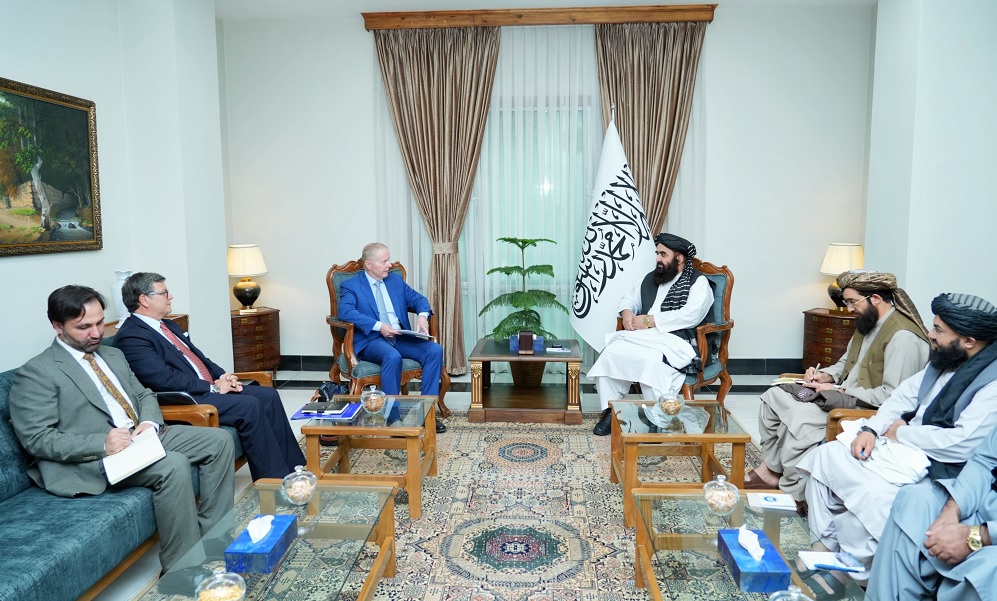
Amir Khan Muttaqi, foreign minister of the Islamic Emirate of Afghanistan (IEA), says the international community has failed to provide Afghan farmers with the necessary support for alternative livelihoods to sustain the country’s achievements in combating narcotics.
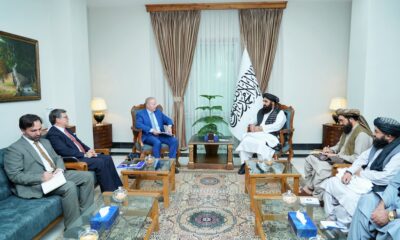
Afghanistan’s Ministry of Foreign Affairs said the issue was raised during Muttaqi’s meeting with Thomas Frellesen, the newly appointed European Union special envoy for Afghanistan.
According to a statement from the ministry, the two sides exchanged views on Afghanistan’s security situation, counter-narcotics efforts, and a range of humanitarian and political issues.
Frellesen acknowledged the IEA’s achievements in ensuring security and combating narcotics, saying that supporting security in Afghanistan and fighting drugs were part of the European Union’s official position.
He also assured Muttaqi that the EU would seek to expand cooperation with Afghanistan across various sectors.


Afghanistan suspends BBC radio broadcasts over ‘repeated violations’

Afghanistan needs international assistance to combat climate change: Baradar

UNHCR chief calls for greater support for Afghan returnees, urges protection of girls’ rights

Muttaqi tells EU envoy global community has failed to support alternative livelihoods for farmers

Hairatan railway port sees over 280 wagon arrivals daily from Central Asia

Cricket Bonanza: Afghanistan set for packed international schedule

New warnings reignite debate over AI threat to humanity

UN warns of mounting humanitarian and human rights pressures in Afghanistan

Afghanistan says 28 killed, 32 captured in Nuristan operation

CNN, MS NOW and Politico sue Trump, challenging White House ban

Tahawol: Kabul’s criticism of Islamabad’s policy toward Afghanistan

Saar: Pakistan deploying army in KP

Tahawol: EU appointing new envoy for Afghanistan

Saar: Pakistan’s political, security and economic crises

Saar: Ongoing expulsion of Afghan refugees from Iran and Pakistan discussed
-
 Regional4 days ago
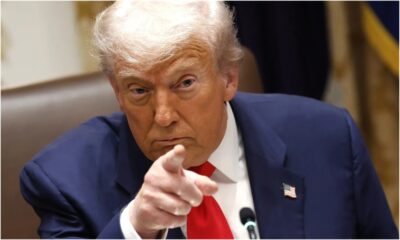
Trump says US will not attack Iran before midterm elections in November
-
 Latest News3 days ago
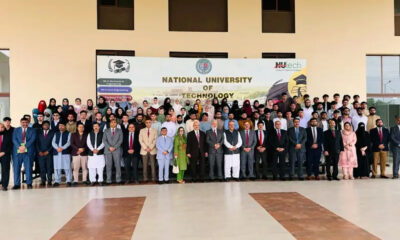
Pakistan issues new directives for Afghan medical students and doctors
-
 World4 days ago
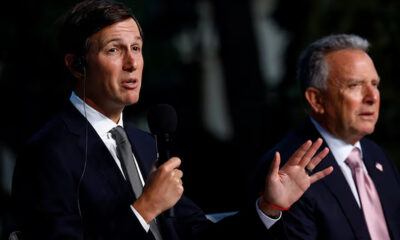
Witkoff, Kushner to meet Ukrainians for talks on the war, says US source
-

 Sport5 days ago
Arman FC defeat Istiqlal Kabul 3-2 in thrilling comeback
-
 Latest News3 days ago
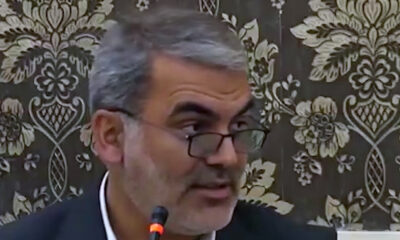
Iranian lawmaker praises Afghanistan’s support, accuses Pakistan of ‘hypocrisy’
-
 Latest News4 days ago
US senator cites Afghanistan visits in Pentagon ‘cover-up’ allegations over Iran war
-
 World4 days ago
US imposes sanctions on ICC amid dispute over international prosecutions
-
 Business4 days ago
Iran allocates over 110 hectares in Chabahar for Afghan economic activities