
Business
China to become Afghan’s second-largest trade partner in 2023


China’s trade with Afghanistan has been growing fast and it may become the second-largest trading nation with Afghanistan in 2023 after Pakistan, a situation that bodes well for the continuation of the CPEC part of the Belt & Road Initiative into Afghanistan, as per Silk Road Briefing (SRB).
Silk Road Briefing provides global and regional intelligence to assist and monitor infrastructure, geopolitical, and structural developments, along with foreign investment opportunities along China’s Belt and Road Initiative.
According to China customs data, in December 2022, China imported goods worth $9.09 million from Afghanistan and exported goods worth $59 million, resulting in a positive trade balance for China of $49.9 million, SRB reported.
If these figures are projected as the 2023 average, then this would result in a bilateral trade figure of $816 million. Pakistan, currently the largest Afghani trade partner, achieved bilateral trade of $1.513 billion in 2022, according to the State Bank of Pakistan.
India, which has been in second place, had bilateral trade with Afghanistan of $545 million last year, according to the Indian Ministry of Commerce.
Between December 2021 and December 2022, Chinese exports increased by 56.4 percent but imports slightly decreased by less than 1 percent. In December 2022 the top exports from Afghanistan to China were nuts, animal hair, semi-precious stones, dried fruits, and vegetable products.
In December 2022, the top exports of China to Afghanistan were synthetic filaments, yarn-woven fabrics, rubber tires, other synthetic fabrics, semiconductors, and unknown commodities, SRB reported.



Business
Kazakhstan grain shipments to Afghanistan rise over 4-fold
Of the total, 7.2 million tons were transported for export, while 2.1 million tons were supplied to the domestic market.
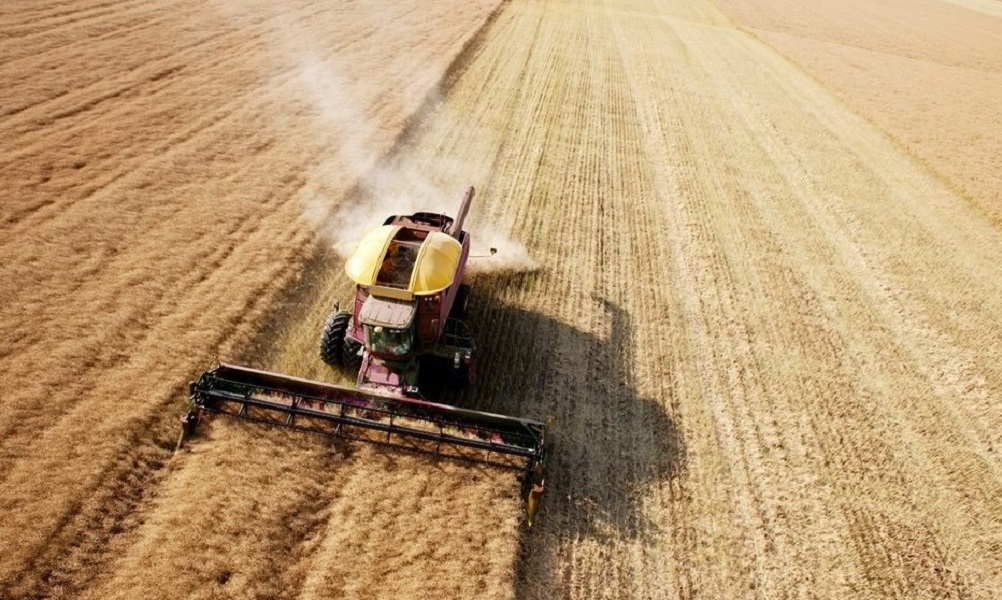
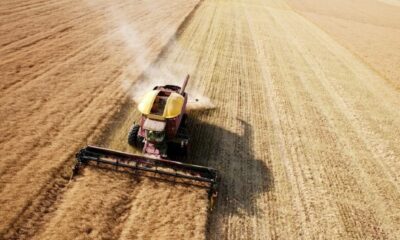
Grain shipments from Kazakhstan to Afghanistan increased 4.4 times in the first eight months of the year, reaching 655,000 tons, according to Kazakhstan’s Transport Vice Minister Zhanibek Taizhanov.
Speaking at a government meeting, Taizhanov said Kazakhstan transported 9.3 million tons of grain by rail during the period, a 13% increase compared with the same period in 2025.
Of the total, 7.2 million tons were transported for export, while 2.1 million tons were supplied to the domestic market.
Taizhanov said grain shipments to Central Asia increased by 37%, while shipments to China rose by 34%. Grain exports through Russian ports also increased by 9%.
Meanwhile, combined fodder exports rose by 38% to 2.6 million tons.
Earlier, Kazakhstan’s Vice Minister of Agriculture Azat Sultanov said the country plans to commission 15 additional vegetable storage facilities by the end of 2026, with a combined capacity of 129,000 tons.
Business
Russia accuses West of double standards over deportation of Afghans
She said the process of removing Afghan refugees who were once considered partners by Western countries had accelerated.
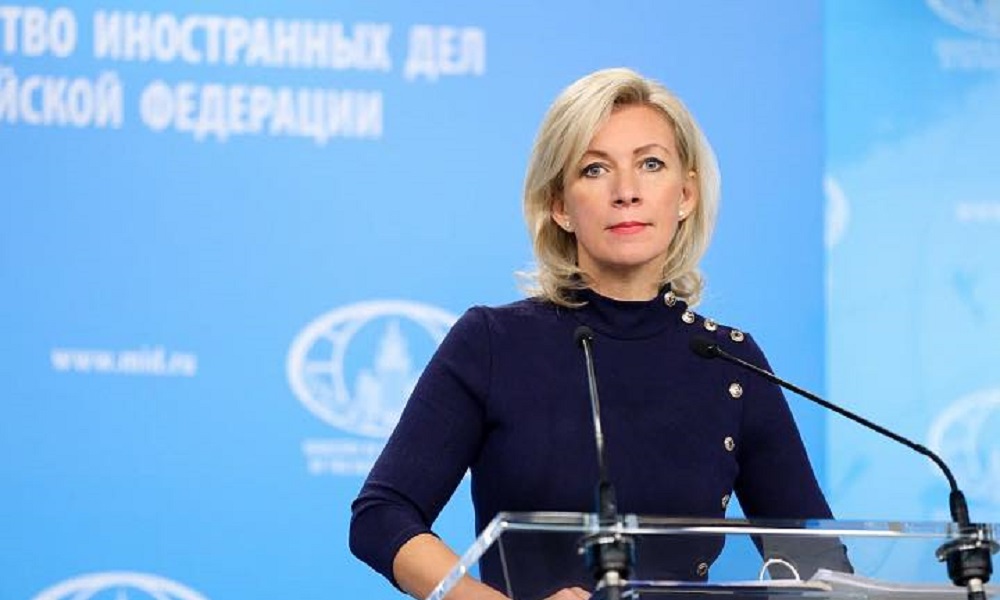
Russia has criticized Western countries over their policies toward Afghans who left the country following the withdrawal of foreign forces in August 2021, accusing them of tightening asylum rules while increasing deportations.
Maria Zakharova, spokesperson for Russia’s Foreign Ministry, made the remarks in response to questions about the policies of the United States, Britain and Germany toward Afghan nationals.
Zakharova said Western countries had tightened rules on issuing documents and granting asylum after facing difficulties in accommodating Afghans, while simultaneously stepping up deportations.
She said the policy particularly affected former officials and military personnel of the previous Afghan government, who could face forced returns to Afghanistan.
Zakharova also referred to reports that some European Union countries had allowed diplomats of the Islamic Emirate of Afghanistan (IEA) to issue documents for Afghan nationals subject to readmission.
She said the process of removing Afghan refugees who were once considered partners by Western countries had accelerated.
Zakharova also raised concerns about the planned closure of Qatar’s Al-Sailiya camp, where more than 1,000 Afghans who worked with US forces are reportedly housed at a former US military base.
She said the United States had been unwilling to accept some of its former Afghan partners and was instead negotiating their resettlement in African countries.
Zakharova accused Western governments of adopting an inconsistent approach by criticizing IEA officials over alleged human rights violations while at the same time deporting Afghan nationals to Afghanistan.
Her comments come amid continuing debate in Western countries over the status of Afghan asylum seekers, former government officials and people who worked with foreign forces following the 2021 withdrawal.
Business
Afghanistan raises import tariffs on several goods to support domestic industry
Under the new rates, the customs tariff on bottles has increased from 12% to 16%, while the tariff on construction paint has risen from 16% to 30%.
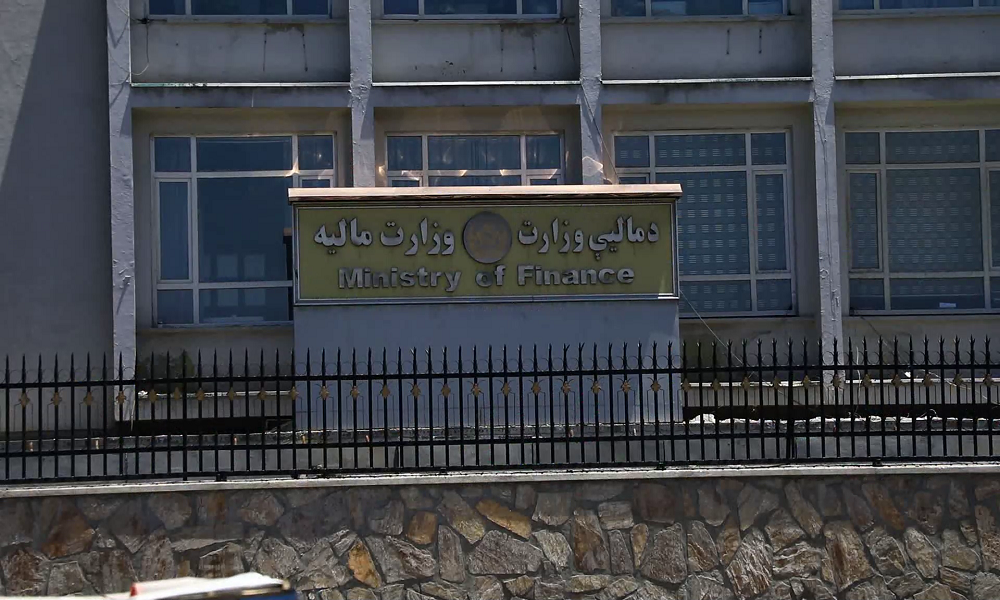
Afghanistan’s Ministry of Finance says it has increased customs tariffs on several imported goods as part of measures aimed at supporting domestic production and industrial growth.
The ministry said the Tariff Committee approved the changes during its third meeting of the 1405 solar year.
Under the new rates, the customs tariff on bottles has increased from 12% to 16%, while the tariff on construction paint has risen from 16% to 30%.
Tariffs on leather footwear and plaster have each increased from 50% to 80%, while the rate on sanitary diapers has risen from 20% to 25%.
At the same time, the tariff on heart springs has been reduced from 8% to 3.5%.
The Ministry of Finance said customs tariffs on cement, iron pipes, refrigerators and raw materials used in carpet production are also under review.
According to the ministry, the tariff adjustments are intended to protect domestic industries, strengthen local production and create conditions for further growth in trade.


Istiqlal Kabul beat Khurasan Faryab 2-0 with late goals

Islamic Emirate summons Pakistan’s chargé d’affaires over Nuristan incident

Minister of Industry and Commerce travels to Belarus to expand economic ties

Kazakhstan grain shipments to Afghanistan rise over 4-fold

Kandahar Red Crescent: More than 3,000 mental health patients treated in five years

Saudi energy group signs major Afghanistan deals covering gas exploration and pipeline plans

Iranian clubs to face Gulf opponents at neutral venues in Asian Champions League Elite

Khalilzad: Afghanistan ready to attract major investment

Ariana Television Network secures exclusive rights to Afghanistan’s 2026/27 cricket series

Afghanistan drawn in Group A of AFC U17 Asian Cup qualifiers

Saar: Afghanistan’s image at UNGA

Saar: Concerns over Pakistan’s political crisis discussed

Exclusive interview with Abdul Latif Mansoor, Minister of MRRD

Tawsia: Overview of Afghanistan’s iron mines

Tahawol: Discussion on fresh Pakistani airstrikes on Afghanistan
-

 Sport2 days ago
Afghan bodybuilder Ali Bilal finishes runner-up at Mr Olympia for third straight year
-

 Latest News2 days ago
Afghanistan says 28 killed, 32 captured in Nuristan operation
-
 World2 days ago
Trump rejects Iranian proposal to open Hormuz and end fighting
-

 Sport3 days ago
Afghanistan to face India in Asian Games cricket quarter-final
-
 Latest News5 days ago
Khalilzad warns Pakistan-Afghanistan tensions likely to worsen after fresh airstrikes
-

 Latest News3 days ago
Khalilzad questions Pakistan’s commitment to Afghan welfare
-

 Sport4 days ago
Afghanistan Champions League: Arman FC and Aino Mina play out goalless draw
-
 World3 days ago
Iran awaits US move after WSJ report says Trump rejects peace plan