
Business
Finance ministry reports 37% rise in revenues

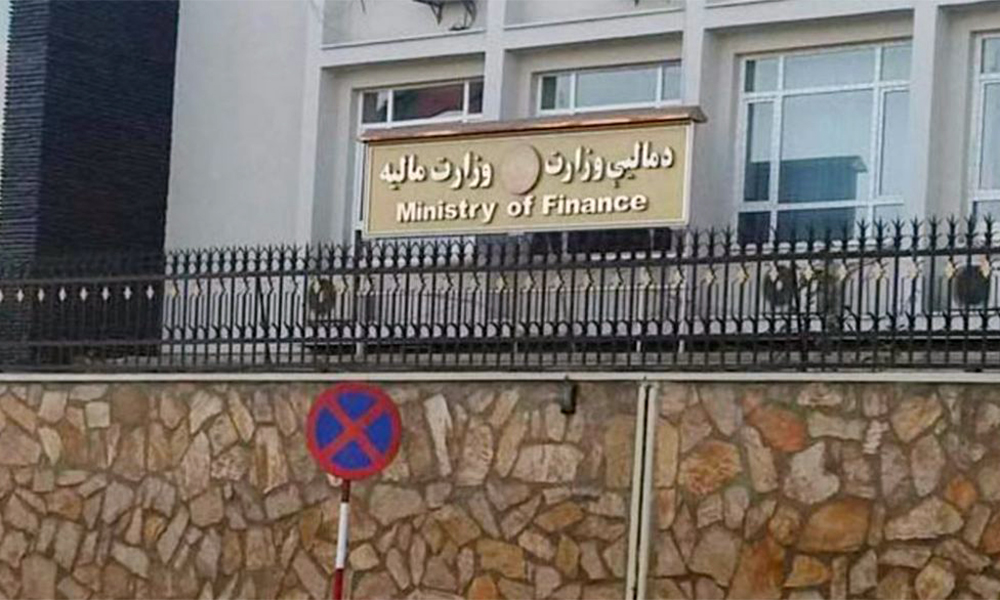
The Finance Ministry of the Islamic Emirate of Afghanistan (IEA) announced Sunday it had collected around 194 billion Afghanis in the last solar year, 1401, which shows an increase of 37 percent compared to the year 1400.
Meraj Mohammad Meraj, deputy director of revenues department of the Ministry of Finance said in a press conference that revenues in the year 1400 was 141.8 billion Afghanis but in 1401, it stood at 194.4 billion Afghanis.
Officials in this ministry also said that the draft budget for 1401 is expected to be approved by the leader of the Islamic Emirate within a week. In the budget of the current fiscal year, 150 development projects have also been included.
Exemption from tax penalties, extension of working hours in customs from 16 to 24 hours, the fight against corruption, electronic revenue collection, installation of digital scales in customs, increase in transit through Afghanistan are among the other achievements officials highlighted.
“Last year, we promised that we would serve the Islamic system and the people. Now we also say that your assets are really spent. There will be no corruption. We will eliminate corruption,” Abdul Mateen Saeed, General Director of Customs of the Ministry of Finance, said.
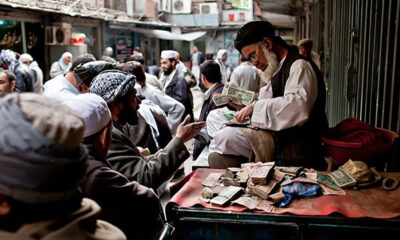
Ahmad Wali Haqmal, the spokesman of the Ministry of Finance, said: “Last year was a very good year from the financial point of view. The Ministry of Finance with an aim to strengthen the economic pillars of the country, injected 8 to 10 billion Afghanis to the markets every month through salaries etc.”
According to the officials, during the last year, the total value of exports was more than 170 billion Afghanis and imports were more than 599 billion Afghanis. They added that there has been 50 to 70 percent reduction in customs duties on 326 items of basic and food materials.



Several major international pharmaceutical companies could invest in medicine production in Afghanistan as part of growing cooperation between UN agencies and Afghan authorities, who hope to strengthen the country’s healthcare system.
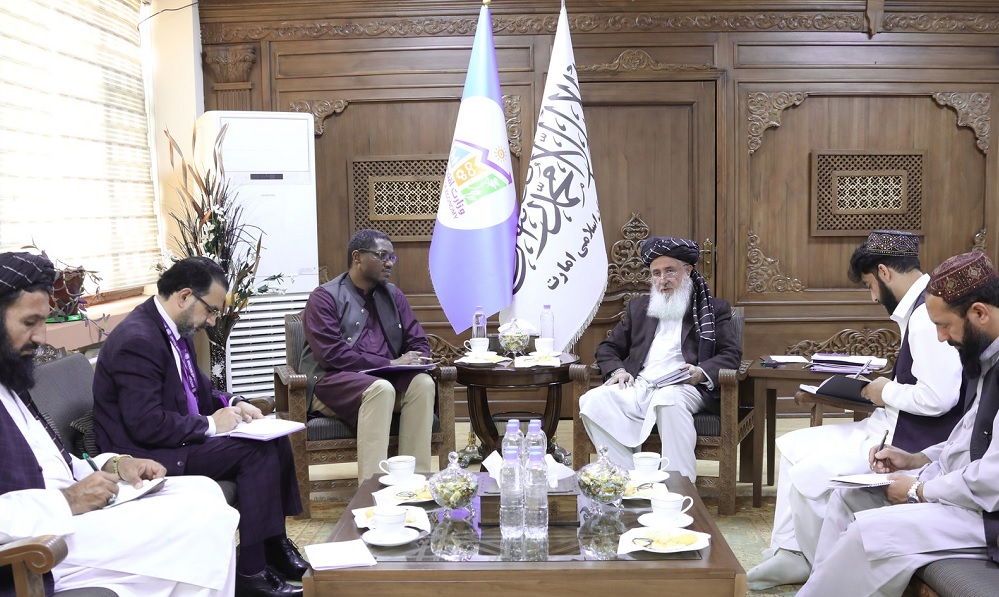
The development was highlighted during a meeting between Afghanistan’s Minister of Economy, Din Mohammad Hanif, and UNICEF Representative Tajudeen Oyewale, where discussions focused heavily on improving healthcare access and expanding pharmaceutical capacity.
UNICEF officials indicated that several global drug manufacturers are preparing to coordinate with Afghanistan’s Ministry of Public Health on establishing or supporting local medicine production.
The aim is to improve the availability of essential medicines for humanitarian operations while also strengthening supply in domestic markets.
The proposed investments are expected to reduce Afghanistan’s reliance on imported pharmaceuticals and improve access to essential treatments, particularly in areas affected by economic hardship and ongoing humanitarian needs.
Alongside the pharmaceutical plans, UNICEF reaffirmed its continued commitment to humanitarian assistance in Afghanistan, including programmes addressing food insecurity, climate-related pressures, and support for returning migrants.
According to figures discussed in the meeting, $520 million has been requested from international donors to support returnees. Of this, $100 million is allocated for emergency assistance, while $420 million is intended for longer-term resettlement and reintegration support.
Afghan authorities welcomed the prospect of expanded pharmaceutical investment, with Din Mohammad Hanif stressing the importance of development cooperation, job creation, and increased international engagement to support economic stability.
Officials said strengthening the pharmaceutical sector could become a key pillar in Afghanistan’s broader efforts to improve healthcare resilience and move toward greater self-sufficiency in essential medical supplies.
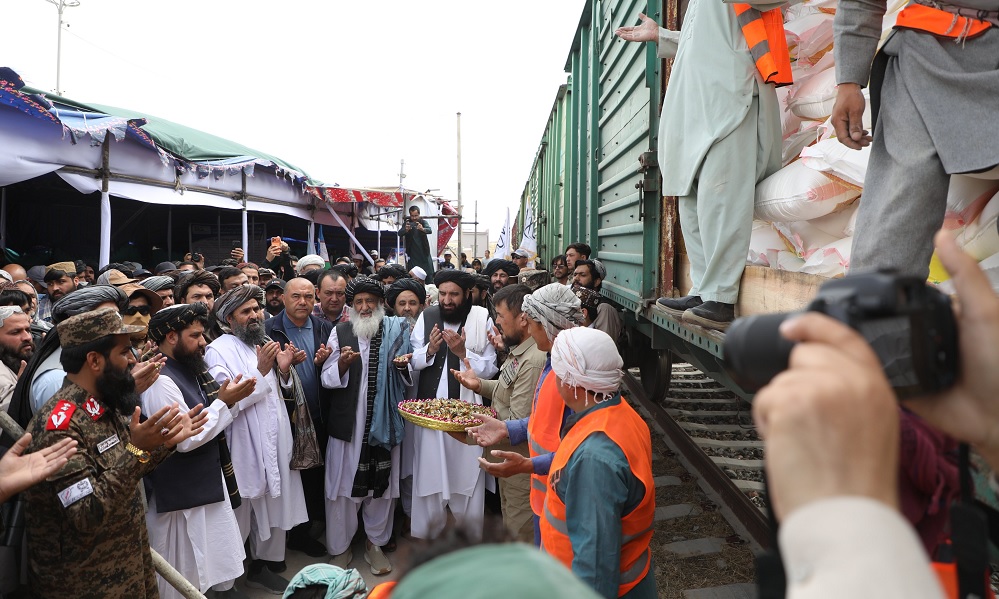
Mullah Abdul Ghani Baradar, the Deputy Prime Minister for Economic Affairs, on Thursday officially reopened the fifth section of the Hairatan–Mazar-e-Sharif railway line in northern Balkh province, marking another step in Afghanistan’s efforts to expand its rail infrastructure and regional trade connectivity.
Speaking at the reopening ceremony, Baradar praised the Ministry of Public Works for its efforts in developing Afghanistan’s railway network and expressed appreciation for Uzbekistan’s cooperation in the project.
He said economic and commercial ties between Afghanistan and Uzbekistan have strengthened significantly in recent years, adding that a joint committee led by the governor of Balkh and involving relevant institutions has been established to further enhance bilateral cooperation.
Officials said the newly reopened section of the railway is 70 kilometers long and includes 30 kilometers of branch lines, five railway stations, and the capacity to unload up to 50 wagons simultaneously.
The government said the reopening of the railway section is expected to improve the transportation of commercial goods, increase trade volume, and facilitate regional economic connectivity between Afghanistan and neighboring countries.
The Hairatan–Mazar-e-Sharif railway is considered one of Afghanistan’s most important trade corridors, linking the country to Central Asia through Uzbekistan.


Rajasthan Royals clinch last playoff spot as Archer downs Mumbai Indians

Achakzai says militancy in Pakistan stems from Afghanistan war policies

Moscow expects UNAMA mission in Afghanistan to continue under certain conditions: Kabulov

Trump says there is no rush for Iran deal, US blockade stays

IEA condemns deadly train blast in Pakistan’s Quetta

New Afghanistan-China transport corridor launched via Turkmenistan

Afghanistan signs $46 million deal to develop standard laboratory complexes

Bayat Power extends gas supply deal with Afghan Gas

Germany to launch online visa system for Afghan study and work applicants in Pakistan

Afghanistan launches first 5G trial in Kabul to boost telecom services

Saar: Shahbaz Sharif’s trip to China

Saar: Discussion on UN concerns over Afghan refugees’ challenges

Tahawol: Push for agreement between Iran and US discussed

Saar: Afghanistan in China-Russia’s limelight discussed

Tahawol: Call for handing over Afghanistan’s UN seat to IEA discussed
-
 Latest News2 days ago
China restricts export of chemical substances to Afghanistan
-
 Latest News5 days ago
Mullah Baradar launches $150 million Lajward residential complex in Balkh
-
 Sport3 days ago
Mohammadi crowned champion of 2nd season of Ariana Snooker Championship
-
 Business4 days ago
Kabul, Tashkent push industrial cooperation with planned factory transfers
-

 Regional5 days ago
British woman detained in Iran resumes hunger strike alongside husband
-
 World2 days ago
One dead, 36 injured in explosion at New York dry dock
-
 Business4 days ago
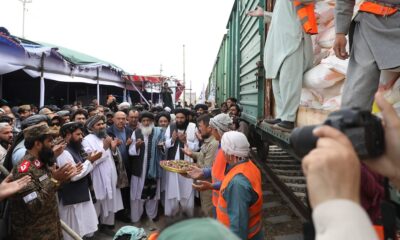
Fifth section of Hairatan–Mazar-i-Sharif railway reopens in northern Afghanistan
-
 World4 days ago
Trump says willing to wait for a few days to get ‘right answer’ on Iran peace deal