
Latest News
Afghanistan announces 2026 Kankor results; Rashid tops National exam with perfect score
Among graduates of religious schools, Abdul Majid from Ghor province ranked first with 327.19 marks, Khalid from Badakhshan province placed second with 320 marks, and Hamed from Laghman province ranked third with 319 marks.

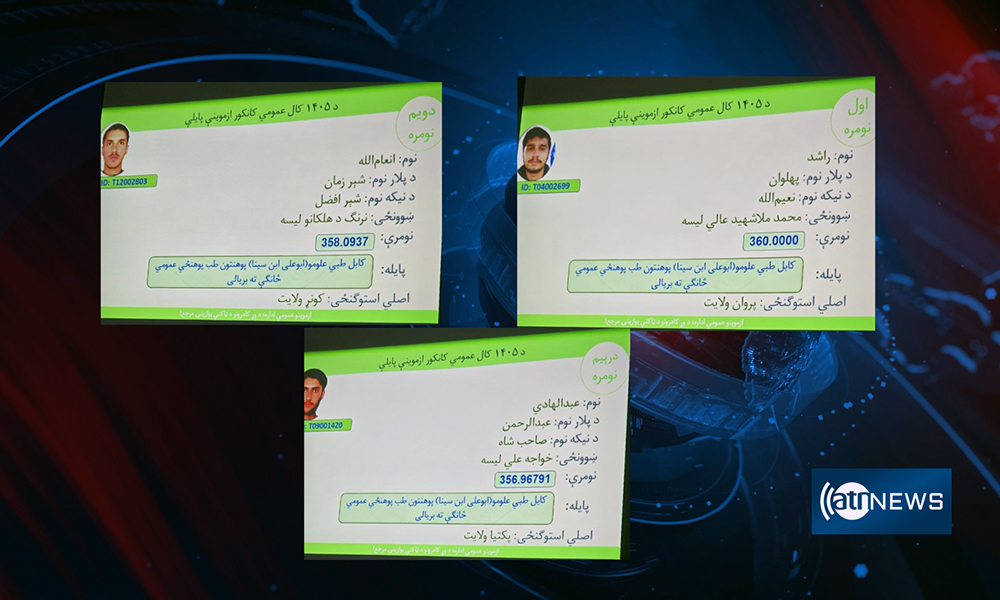
Afghanistan’s General Directorate of Examinations on Monday announced the results of the 2026 Kankor (national university entrance) examination during a ceremony held at the Government Media and Information Center (GMIC).
According to the results, Rashid, son of Pahlawan, from Parwan province, secured first place after scoring a perfect 360 marks.
Enamullah, son of Shir Zaman, from Kunar province, ranked second with 358.0937 marks, while Abdul Hadi, son of Abdul Rahman, from Paktia province, claimed third place with 356.96791 marks.
Mohammad Ayman, son of Mohammad Bashir, from Maidan Wardak province, ranked fourth with 356.96790 marks, followed by Bismillah Jan, son of Mohammad Omar, also from Maidan Wardak, who secured fifth place with 356.8579 marks.
Among graduates of religious schools, Abdul Majid from Ghor province ranked first with 327.19 marks, Khalid from Badakhshan province placed second with 320 marks, and Hamed from Laghman province ranked third with 319 marks.
The General Directorate of Examinations said the 2026 Kankor was successfully conducted in four phases, with nearly 120,000 applicants participating nationwide. In line with the Ministry of Higher Education’s admission plan, 74,500 candidates will be admitted to public universities and higher education institutions across the country.
The directorate stated that the examination process was organized to ensure equal opportunities for all eligible candidates throughout Afghanistan. The first phase covered applicants from 15 provinces, the second phase included candidates from 18 provinces, the third phase was held for Grade 12 graduates in Kabul, while the fourth phase included candidates who missed previous rounds, graduates from abroad, graduates from tribal communities, religious school graduates in Kabul, and Grade 14 graduates.
Officials said all four phases were conducted in an organized manner with transparency, effective management, and without any reported problems. They added that the process was managed according to established standards, helping strengthen public confidence in the examination system.
The General Directorate of Examinations said the 2026 Kankor, one of the country’s most important academic examinations, was successfully held based on the principles of transparency, fair assessment, and effective management. With the announcement of the results, tens of thousands of young Afghans will now have the opportunity to continue their higher education in various academic fields.
During the ceremony, officials from various government institutions also praised the General Directorate of Examinations for effectively managing the process, congratulated the successful candidates, and urged them to make the best use of the opportunity to advance their education and serve the people and the country.

Latest News
ANP leader calls for reopening of Afghanistan-Pakistan trade routes
Khan said residents of frontier communities had the right to trade and travel, urging Pakistani authorities to take practical measures to restore cross-frontier movement.
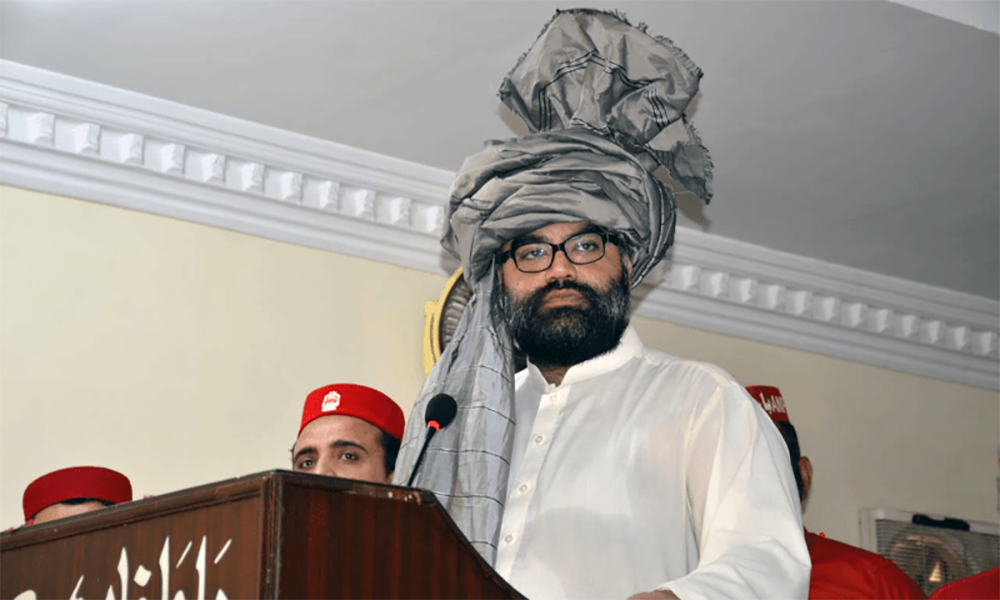
Aimal Wali Khan, a senior leader of Pakistan’s Awami National Party (ANP), has called for the immediate reopening of trade and travel crossings between Afghanistan and Pakistan, warning that their continued closure is causing serious economic hardship for communities on both sides of the Durand Line.
Speaking at a party-organized public gathering in Chaman, Balochistan, Khan said the closure of crossings had severely affected traders and the livelihoods of residents in frontier regions.
He called for the reopening of routes connecting Pashtun areas, including Chaman, Bajaur, Mohmand, Waziristan and Chitral, stressing that people’s economic opportunities should not be held hostage to political disputes.
Khan said residents of frontier communities had the right to trade and travel, urging Pakistani authorities to take practical measures to restore cross-frontier movement.
He warned that prolonged closures were deepening economic difficulties for local populations and called for a resolution that takes into account the interests and livelihoods of communities on both sides of the Durand Line.
Latest News
SNEAKO claims US authorities questioned him for eight hours after Afghanistan visit
During his stay in Kabul, the streamer met several Islamic Emirate officials, including Anas Haqqani.
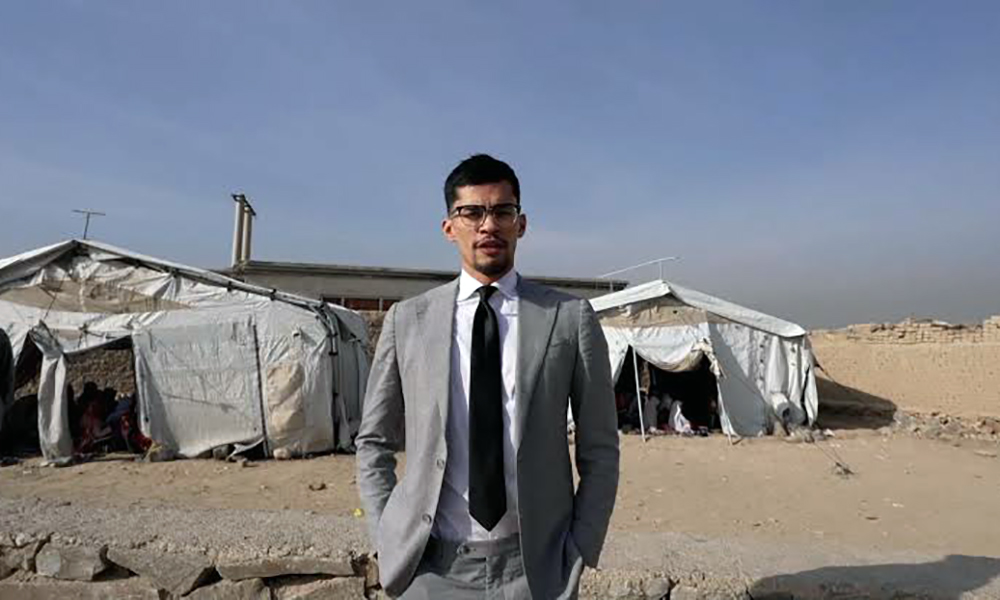
American YouTuber and online streamer SNEAKO says he was questioned by US authorities for eight hours after returning from a three-day visit to Afghanistan, during which he met several officials of the Islamic Emirate.
SNEAKO claimed that authorities also seized his electronic devices and that he had been without access to his mobile phone for 48 hours. He said the Federal Bureau of Investigation (FBI) was reviewing the device.
During his stay in Kabul, the streamer met several Islamic Emirate officials, including Anas Haqqani.
The reported questioning followed calls by a US figure for a federal investigation into SNEAKO’s livestreams from Afghanistan, raising questions about his meetings and interactions with Islamic Emirate officials.
SNEAKO has not provided further details about the questioning or the status of any investigation. US authorities have not publicly confirmed the reported interrogation or the seizure of his devices.
Latest News
UNHCR: 6.6 million Afghans have returned from Iran and Pakistan in three years
Zia Hayat, UNHCR spokesperson in Afghanistan, said the scale of returns represented an increase of approximately 15 to 20 percent in the country’s population.

The United Nations High Commissioner for Refugees (UNHCR) says an estimated 6.6 million Afghans have returned from Iran and Pakistan over the past three years, placing significant pressure on Afghanistan’s already limited infrastructure and resources.
Zia Hayat, UNHCR spokesperson in Afghanistan, said the scale of returns represented an increase of approximately 15 to 20 percent in the country’s population.
Speaking in an interview, Hayat described the figures as “really significant and quite stark”, saying the number of returnees was comparable to the entire population of countries such as Denmark or Singapore.
“This is really significant because it’s happening in a country that perhaps doesn’t have the infrastructural capacity to handle such a massive number,” he said.
Hayat said an estimated 1.4 million Afghans had returned to the country so far this year, primarily from Iran and Pakistan.
He added that daily return figures fluctuate considerably, ranging from hundreds to thousands of people.
Hayat said UN agencies were coordinating their response to ensure returning Afghans receive assistance at border crossings and support after travelling to urban centres.
He said the assistance includes programmes aimed at helping returnees reintegrate into communities and rebuild their lives in Afghanistan.
The continued influx of returnees has increased demand for essential services, housing, employment and other resources, highlighting the challenges facing Afghanistan as it seeks to accommodate millions of people returning from neighbouring countries.


Afghanistan beat Vietnam 5-2 at Beach Soccer Asian Cup
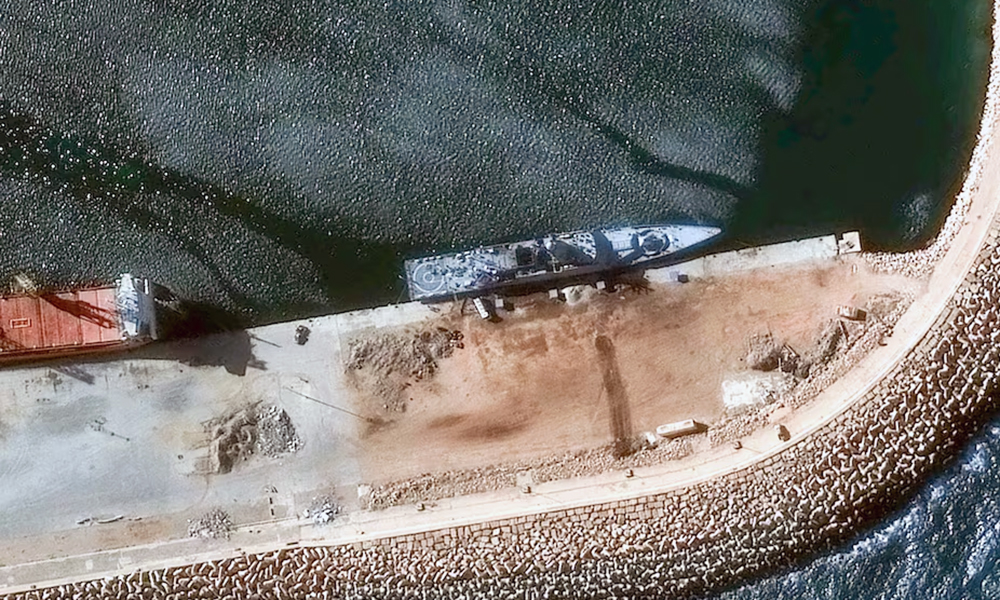
Ukraine sinks Russian warship in Libya as conflict spreads beyond Europe
ANP leader calls for reopening of Afghanistan-Pakistan trade routes
SNEAKO claims US authorities questioned him for eight hours after Afghanistan visit
UNHCR: 6.6 million Afghans have returned from Iran and Pakistan in three years
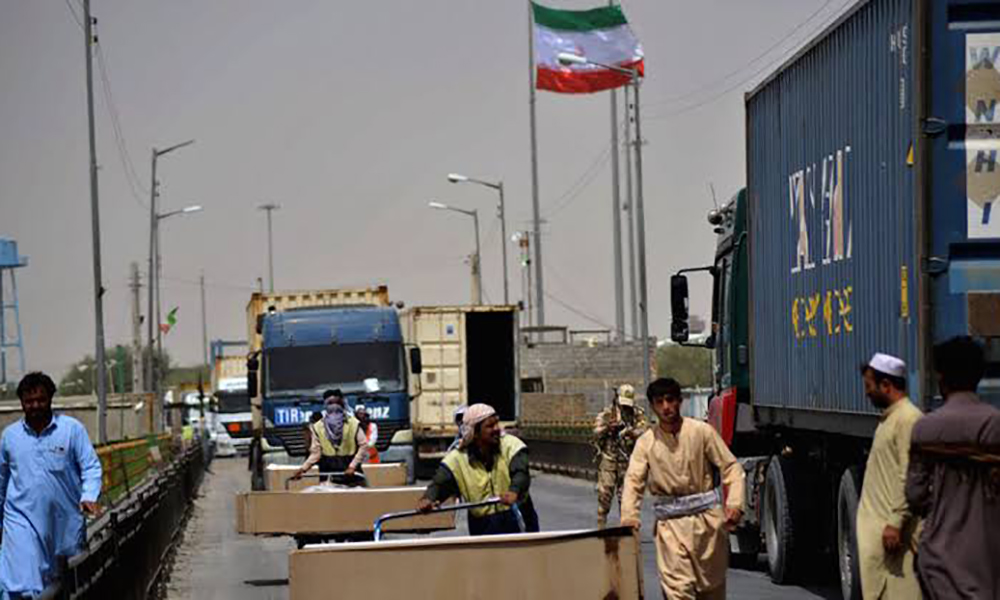
US sanctions and blockade measures disrupt Iran’s trade with Afghanistan and regional neighbors
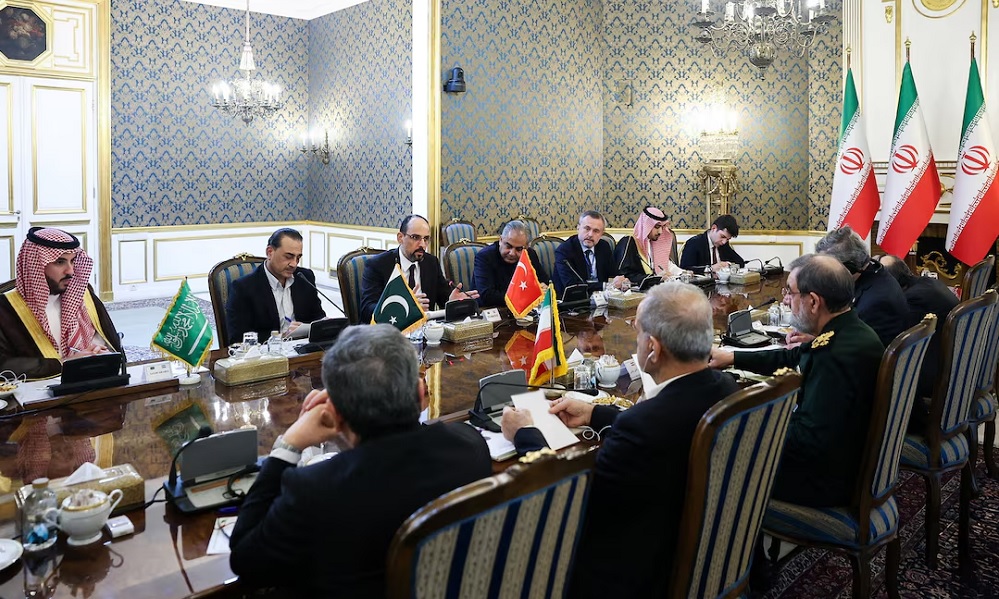
Saudi defence pact countries push for peace in Tehran as Houthis launch more attacks

England forward Kane crowned Ballon d’Or winner
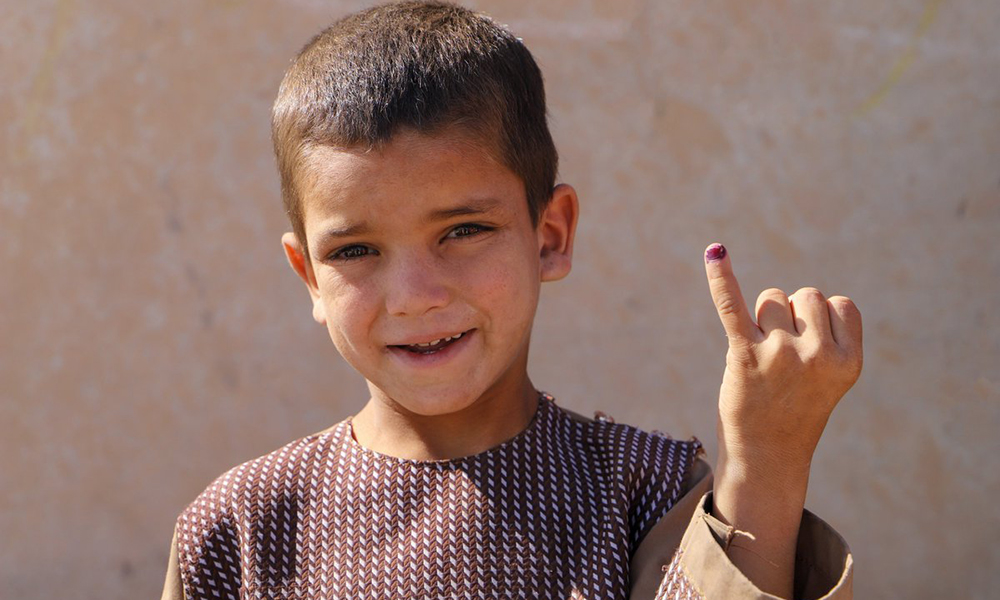
Afghanistan to launch nationwide polio vaccination campaign

WFP report notes high food and fuel costs continue to pressure Afghan households
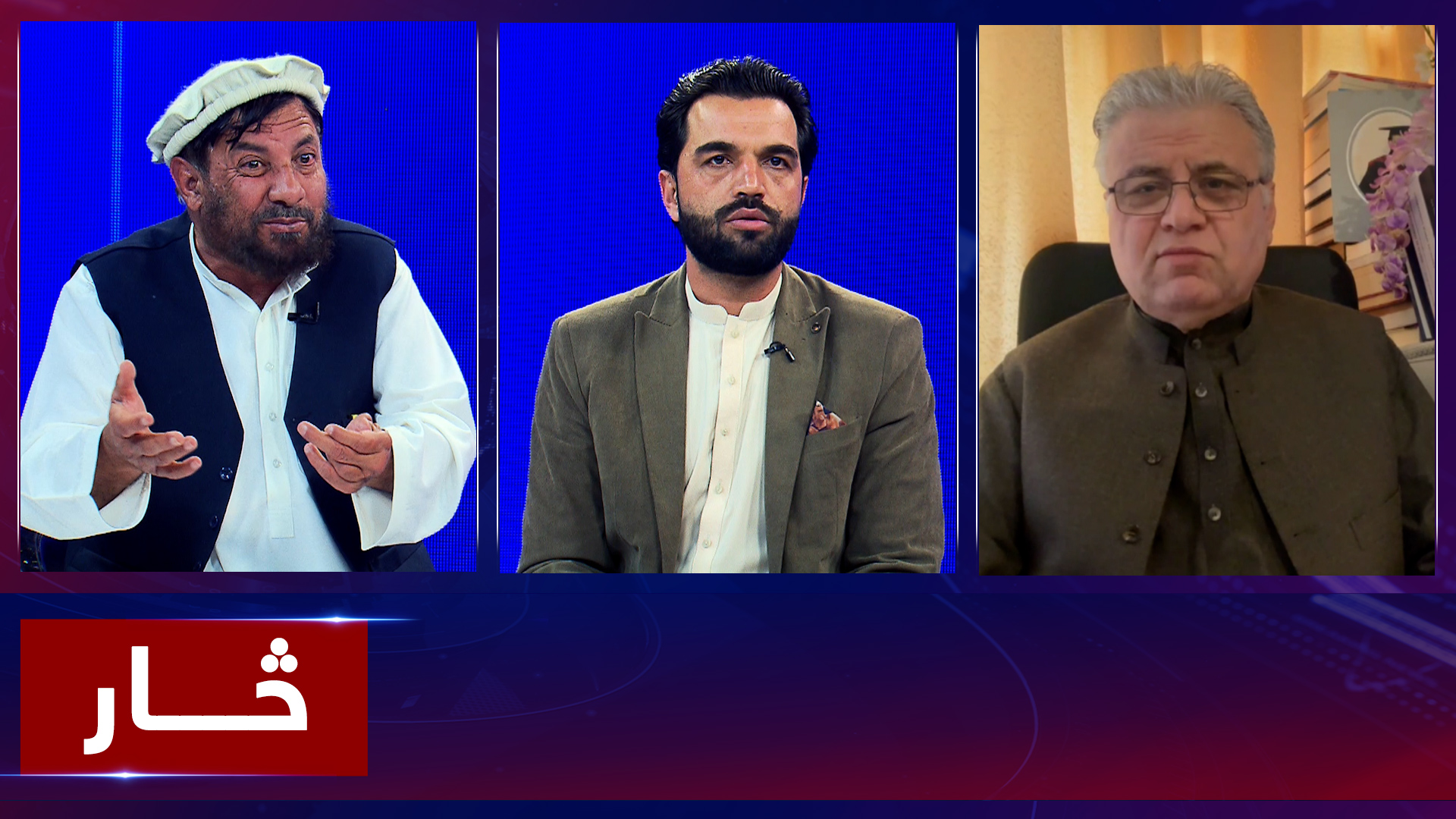
Saar: Pakistan FM’s remarks on Afghanistan
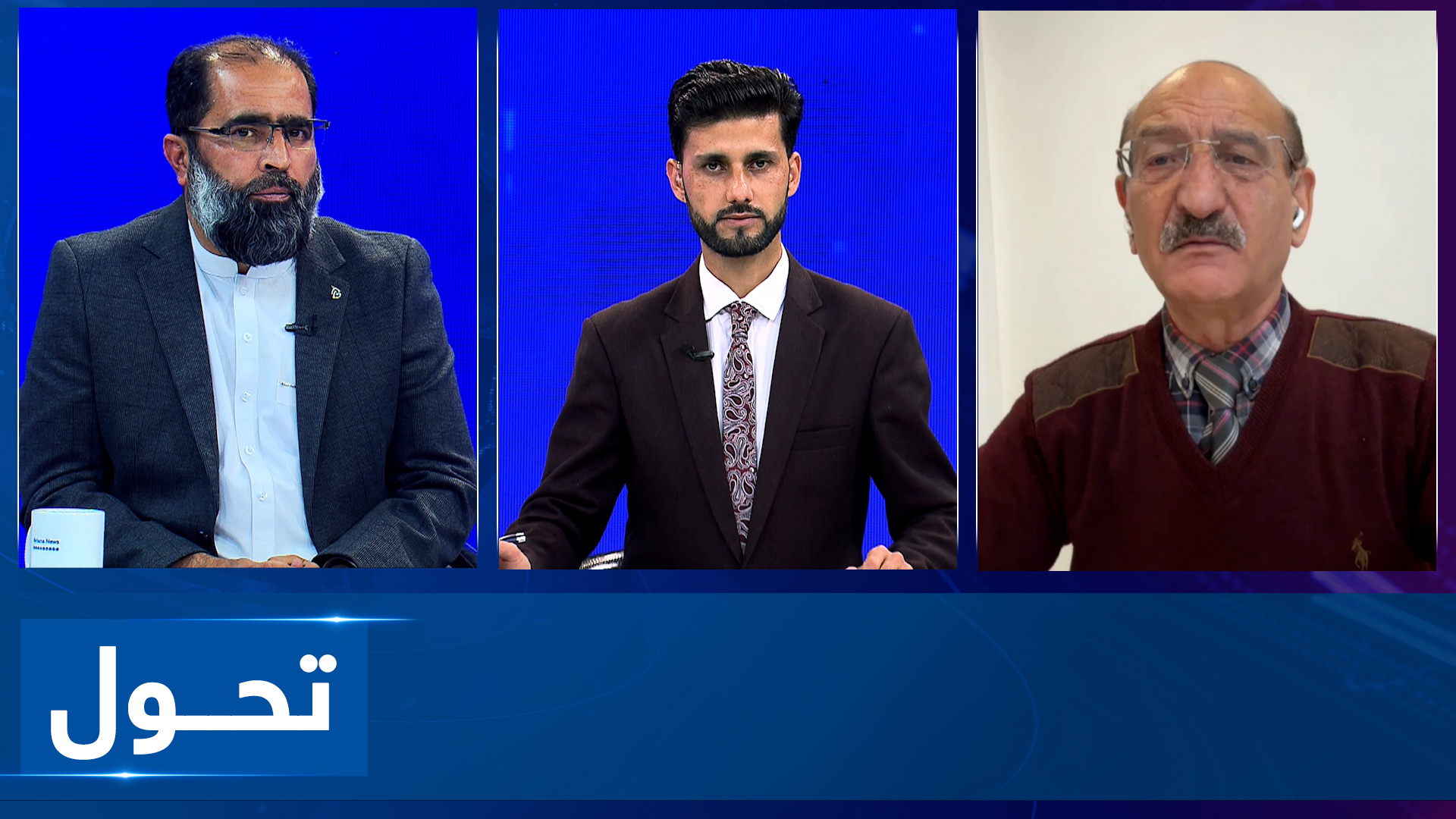
Tahawol: World Television Day discussed
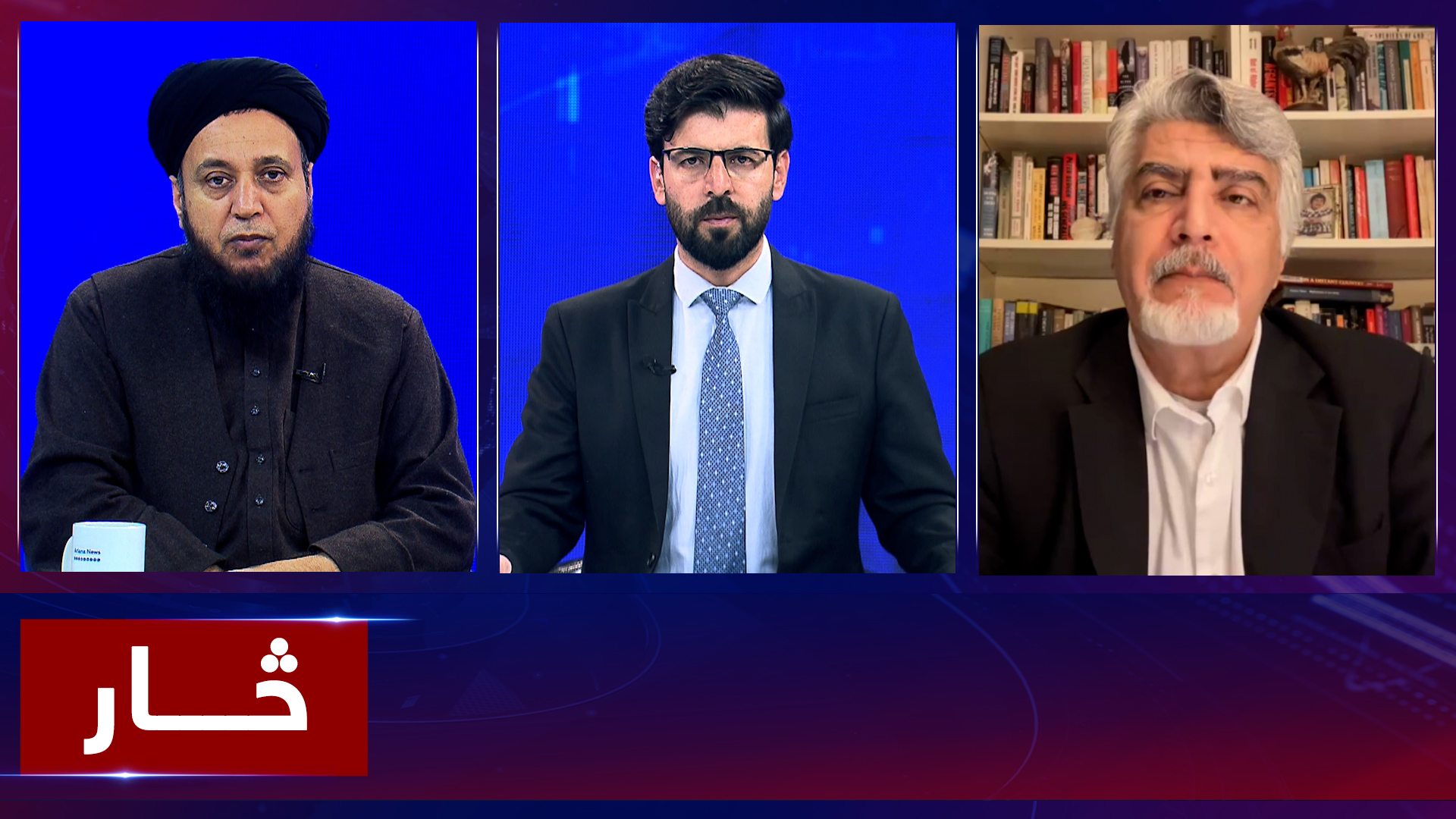
Saar: Efforts to resolve Afghanistan-Pakistan tensions in Moscow reviewed
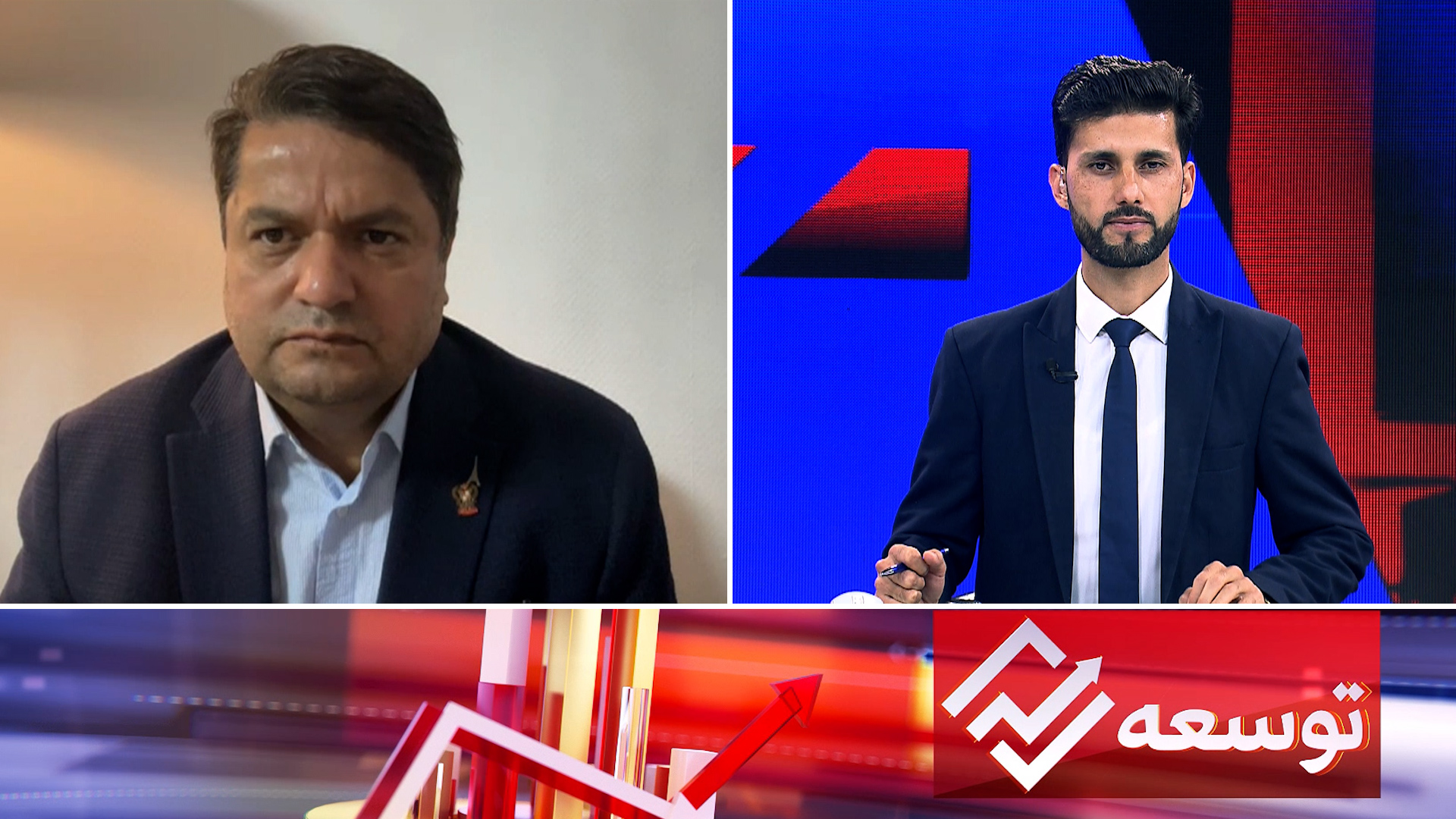
Tawsia: Afghanistan’s key economic highlights of the week discussed
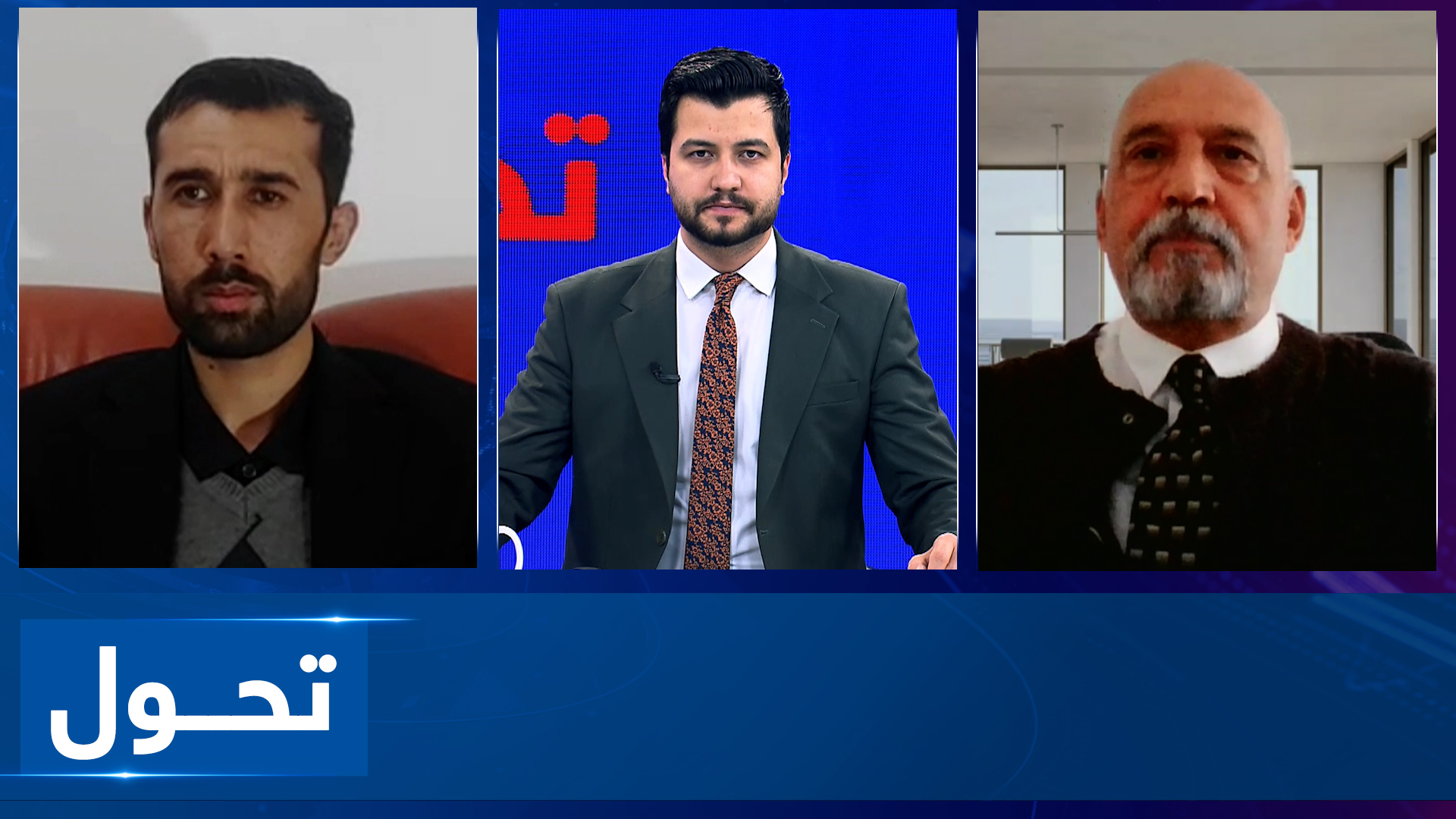
Tahawol: Kazakhstan’s call for practical international engagement with Afghanistan
-
 Sport5 days ago
ATN to broadcast AFC Awards honoring Asia’s football stars
-
 Latest News4 days ago
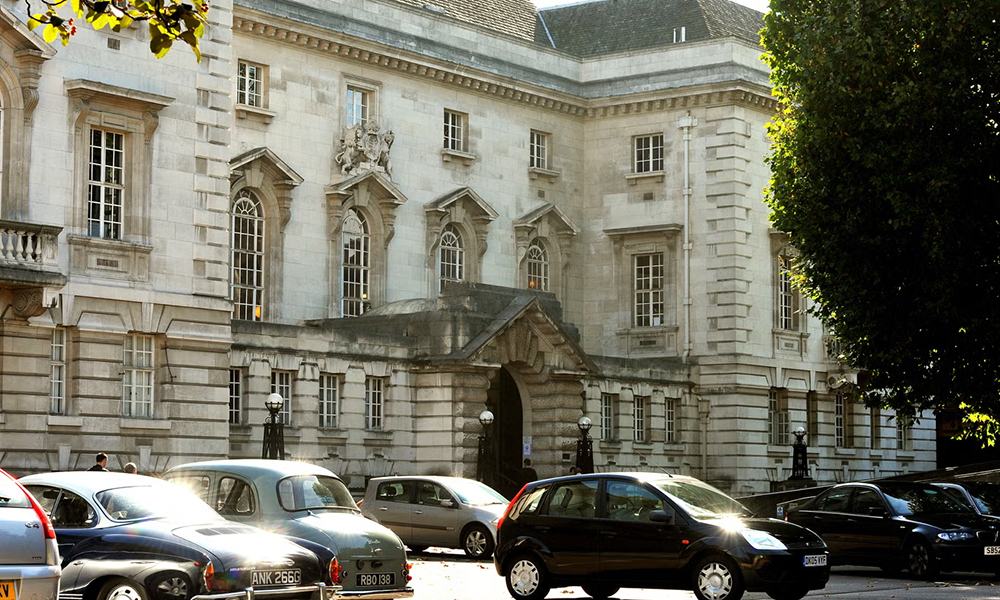
Two Afghan nationals convicted over sexual assault of 14-year-old girl on UK train
-
 Sport4 days ago
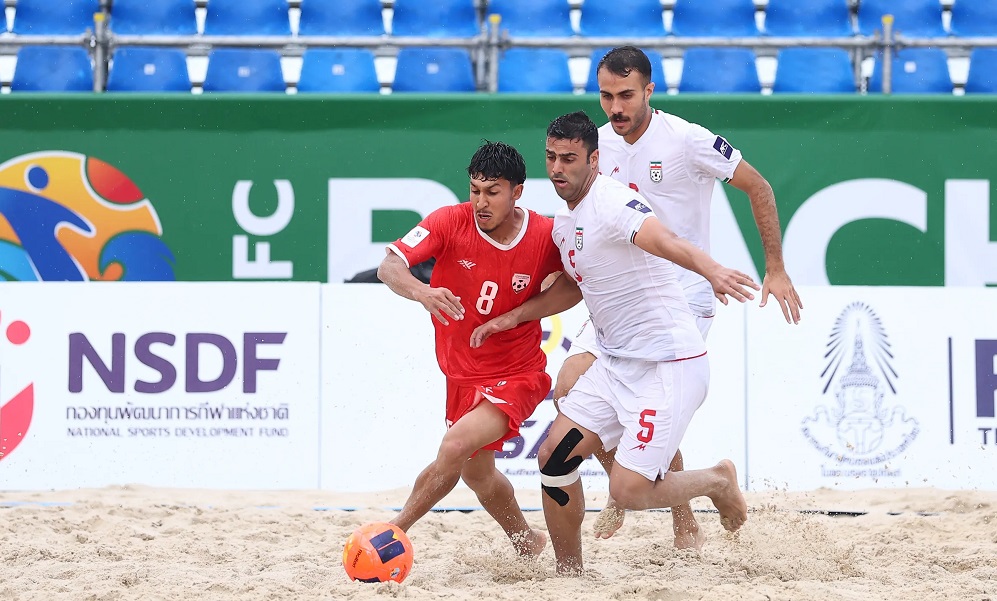
Afghanistan suffer 9-2 defeat to Iran in Beach Soccer Asian Cup opener
-
 Business4 days ago
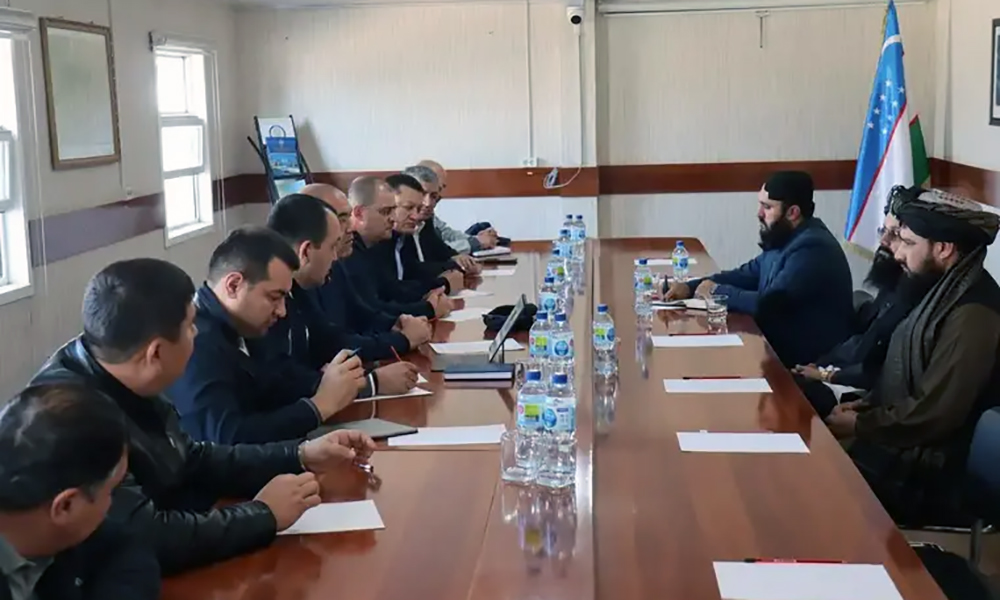
Afghanistan and Uzbekistan agree to expand railway cooperation and boost freight traffic
-
 Science & Technology4 days ago
North Korea shows off AI chatbot at IT exhibition
-
 Latest News4 days ago
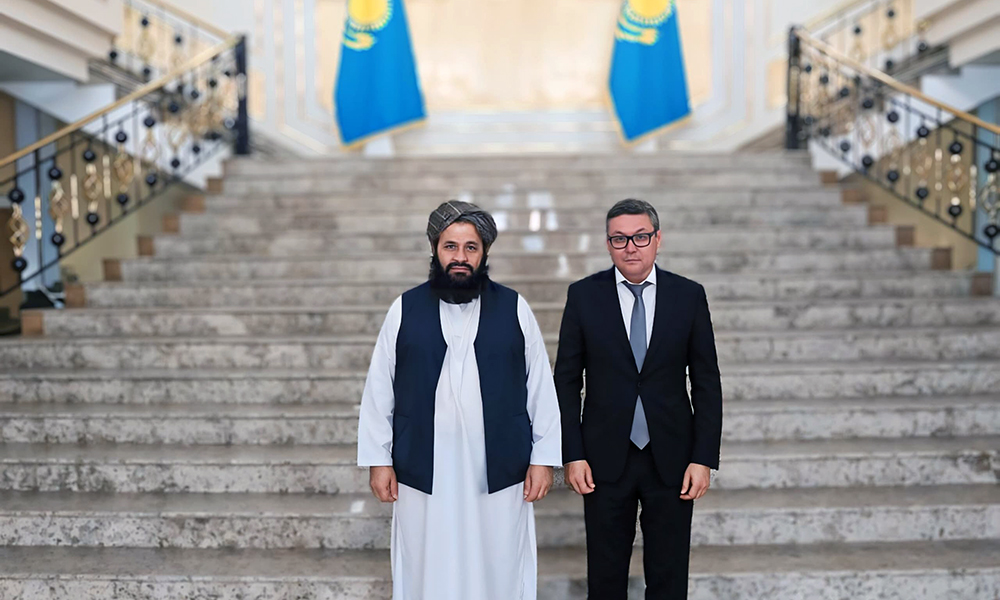
Kazakhstan steps up efforts to support Afghanistan’s stability and economic recovery
-
 Latest News2 days ago
US judge questions Trump administration’s policies targeting refugees
-
 Latest News4 days ago
Sweden rejects asylum request of former Afghan ambassador, plans deportation to US: Le Monde