
Latest News
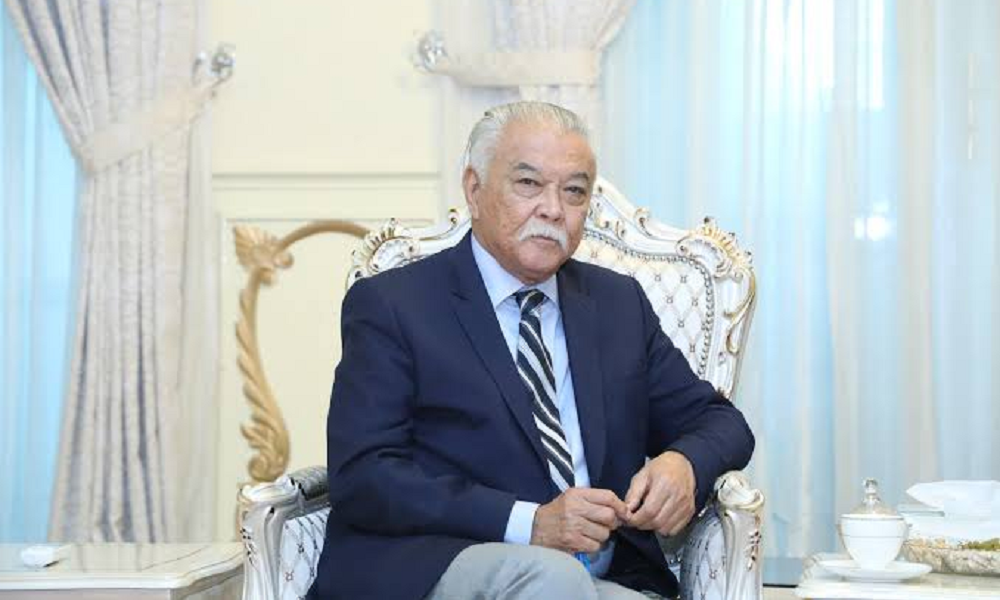
Afghanistan buries first cosmonaut Abdul Ahad Momand with State Honors
During the mission, Momand spent nearly nine days in orbit, conducting scientific experiments and Earth observation activities.

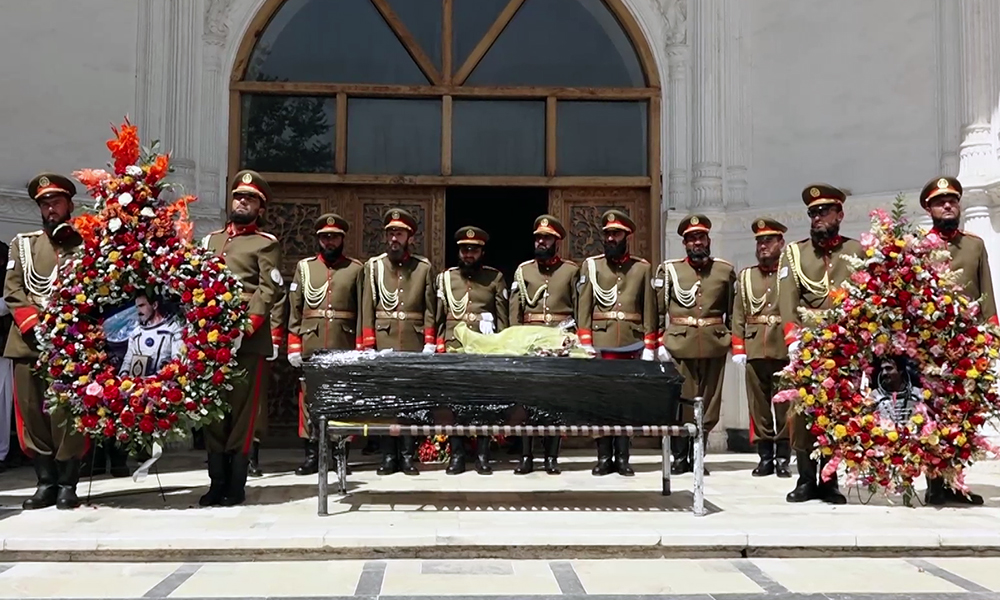
Afghanistan on Monday bid farewell to its first and only cosmonaut, Abdul Ahad Momand, whose body was returned from Germany and laid to rest in Kabul with full state honors.
Momand died on June 21 in Stuttgart, Germany, following a battle with cancer. He was 67 years old.
Funeral prayers were held at Kabul’s historic Eidgah Mosque, attended by his family, members of the public and senior officials of the Islamic Emirate.
Following the prayers, his body was taken to Maranjan Hill, where he was buried during an official ceremony honoring one of Afghanistan’s most celebrated national figures.
Officials paid tribute to Momand as a pioneering scientist and national hero, describing his achievements as a source of pride for Afghanistan and encouraging young Afghans to follow his example in the fields of science, education and exploration.
Momand made history on August 29, 1988, when he became the first – and to date the only – Afghan to travel into space. Selected from hundreds of candidates, the former Afghan Air Force pilot joined the then Soviet Intercosmos programme and launched aboard the Soyuz TM-6 spacecraft to the Mir space station alongside Soviet cosmonauts Vladimir Lyakhov and Valery Polyakov.
During the mission, Momand spent nearly nine days in orbit, conducting scientific experiments and Earth observation activities.
He also made history by speaking in Pashto from space during a live conversation with Afghanistan’s then-president, Mohammad Najibullah, becoming the first Afghan – and one of the first people – to use the language beyond Earth.
The mission nearly ended in tragedy when a malfunction delayed the Soyuz spacecraft’s return to Earth, leaving the crew stranded in orbit for an extra day while engineers worked to restore the landing system. The spacecraft eventually landed safely in Kazakhstan, and Momand returned to Kabul to a hero’s welcome.
Following his spaceflight, he served as Afghanistan’s deputy minister of civil aviation. However, after the collapse of the Soviet-backed government in 1992 and the outbreak of civil war, Momand left the country and eventually settled in Germany, where he lived with his family for more than three decades.
Although he built a new life abroad, Momand continued to express hope for Afghanistan’s future and remained an enduring symbol of what Afghans could achieve in science and technology.
His death has also renewed discussion about Afghanistan’s dormant space ambitions. Despite producing the country’s only cosmonaut, Afghanistan’s national space institute has remained largely inactive for years, with many observers calling for renewed investment in science, education and technological development to build on Momand’s historic legacy.
For many Afghans, Abdul Ahad Momand’s journey from a young boy fascinated by the skies to the nation’s first cosmonaut remains one of the country’s greatest scientific achievements and a lasting source of national pride.


Latest News
ANP leader calls for reopening of Afghanistan-Pakistan trade routes
Khan said residents of frontier communities had the right to trade and travel, urging Pakistani authorities to take practical measures to restore cross-frontier movement.
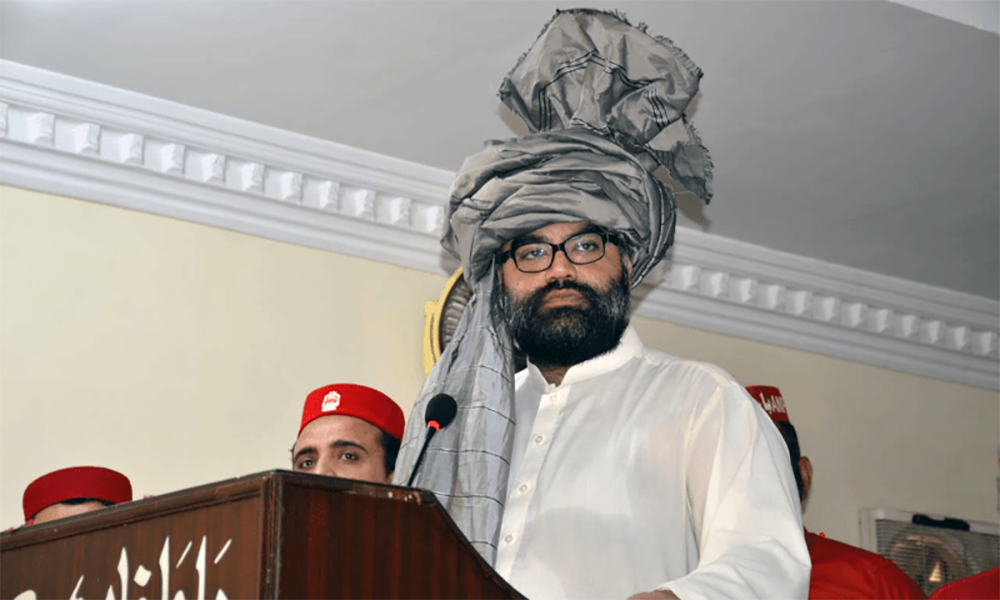
Aimal Wali Khan, a senior leader of Pakistan’s Awami National Party (ANP), has called for the immediate reopening of trade and travel crossings between Afghanistan and Pakistan, warning that their continued closure is causing serious economic hardship for communities on both sides of the Durand Line.
Speaking at a party-organized public gathering in Chaman, Balochistan, Khan said the closure of crossings had severely affected traders and the livelihoods of residents in frontier regions.
He called for the reopening of routes connecting Pashtun areas, including Chaman, Bajaur, Mohmand, Waziristan and Chitral, stressing that people’s economic opportunities should not be held hostage to political disputes.
Khan said residents of frontier communities had the right to trade and travel, urging Pakistani authorities to take practical measures to restore cross-frontier movement.
He warned that prolonged closures were deepening economic difficulties for local populations and called for a resolution that takes into account the interests and livelihoods of communities on both sides of the Durand Line.
Latest News
SNEAKO claims US authorities questioned him for eight hours after Afghanistan visit
During his stay in Kabul, the streamer met several Islamic Emirate officials, including Anas Haqqani.
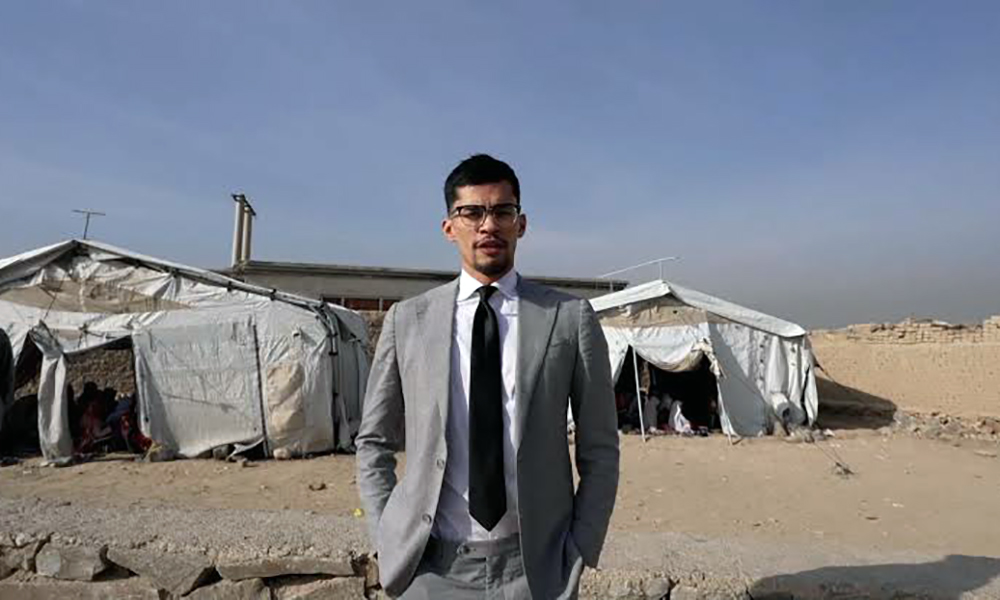
American YouTuber and online streamer SNEAKO says he was questioned by US authorities for eight hours after returning from a three-day visit to Afghanistan, during which he met several officials of the Islamic Emirate.
SNEAKO claimed that authorities also seized his electronic devices and that he had been without access to his mobile phone for 48 hours. He said the Federal Bureau of Investigation (FBI) was reviewing the device.
During his stay in Kabul, the streamer met several Islamic Emirate officials, including Anas Haqqani.
The reported questioning followed calls by a US figure for a federal investigation into SNEAKO’s livestreams from Afghanistan, raising questions about his meetings and interactions with Islamic Emirate officials.
SNEAKO has not provided further details about the questioning or the status of any investigation. US authorities have not publicly confirmed the reported interrogation or the seizure of his devices.
Latest News
UNHCR: 6.6 million Afghans have returned from Iran and Pakistan in three years
Zia Hayat, UNHCR spokesperson in Afghanistan, said the scale of returns represented an increase of approximately 15 to 20 percent in the country’s population.
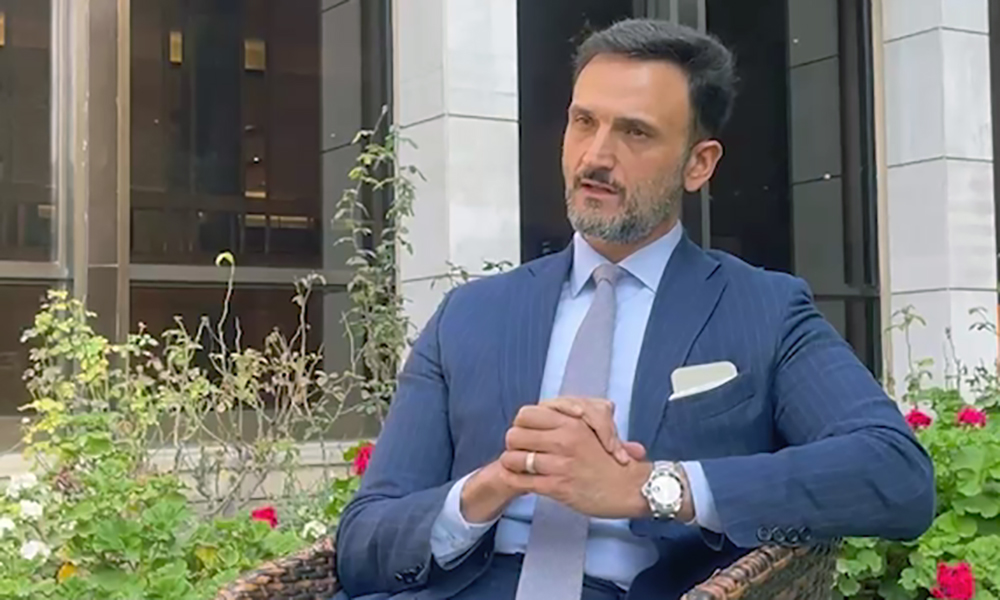
The United Nations High Commissioner for Refugees (UNHCR) says an estimated 6.6 million Afghans have returned from Iran and Pakistan over the past three years, placing significant pressure on Afghanistan’s already limited infrastructure and resources.
Zia Hayat, UNHCR spokesperson in Afghanistan, said the scale of returns represented an increase of approximately 15 to 20 percent in the country’s population.
Speaking in an interview, Hayat described the figures as “really significant and quite stark”, saying the number of returnees was comparable to the entire population of countries such as Denmark or Singapore.
“This is really significant because it’s happening in a country that perhaps doesn’t have the infrastructural capacity to handle such a massive number,” he said.
Hayat said an estimated 1.4 million Afghans had returned to the country so far this year, primarily from Iran and Pakistan.
He added that daily return figures fluctuate considerably, ranging from hundreds to thousands of people.
Hayat said UN agencies were coordinating their response to ensure returning Afghans receive assistance at border crossings and support after travelling to urban centres.
He said the assistance includes programmes aimed at helping returnees reintegrate into communities and rebuild their lives in Afghanistan.
The continued influx of returnees has increased demand for essential services, housing, employment and other resources, highlighting the challenges facing Afghanistan as it seeks to accommodate millions of people returning from neighbouring countries.

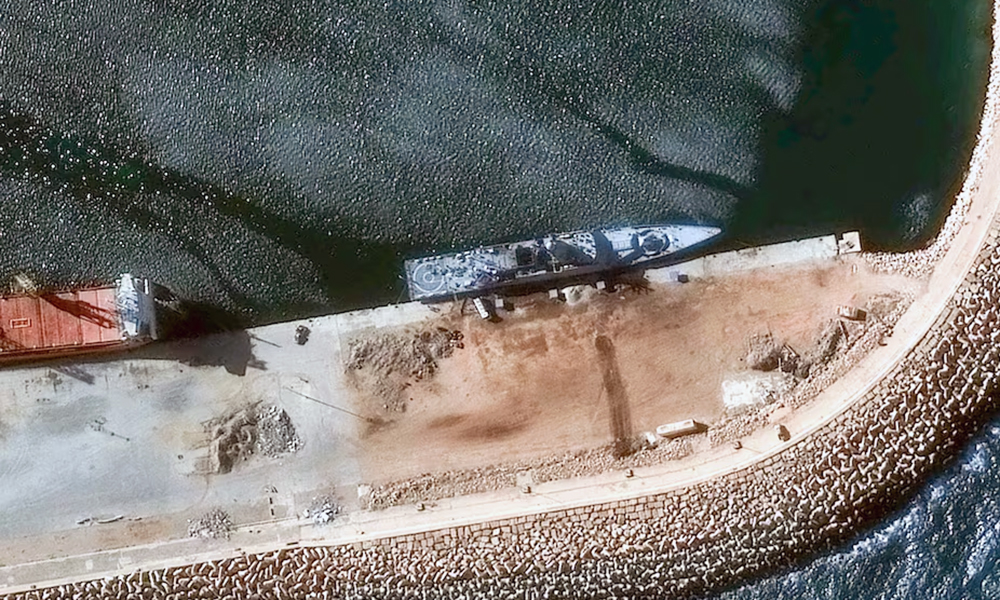
Ukraine sinks Russian warship in Libya as conflict spreads beyond Europe
ANP leader calls for reopening of Afghanistan-Pakistan trade routes
SNEAKO claims US authorities questioned him for eight hours after Afghanistan visit
UNHCR: 6.6 million Afghans have returned from Iran and Pakistan in three years
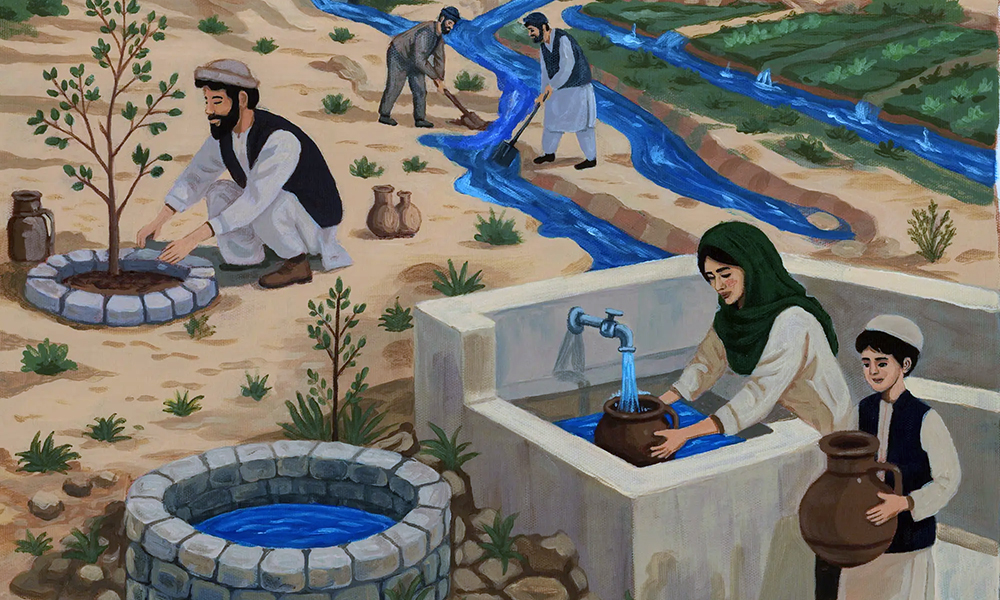
World Bank warns Afghanistan faces mounting economic and water security challenges
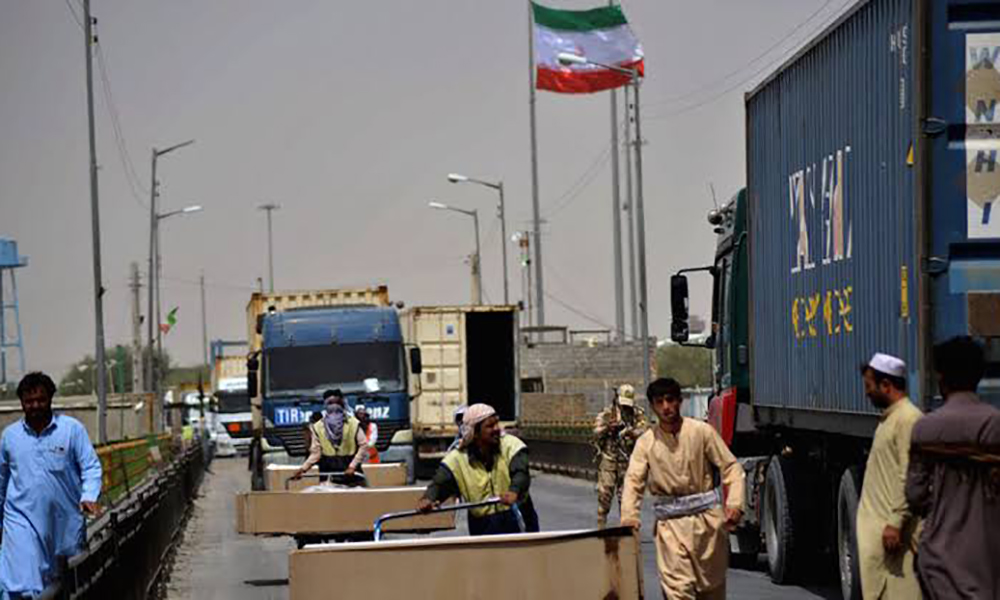
US sanctions and blockade measures disrupt Iran’s trade with Afghanistan and regional neighbors
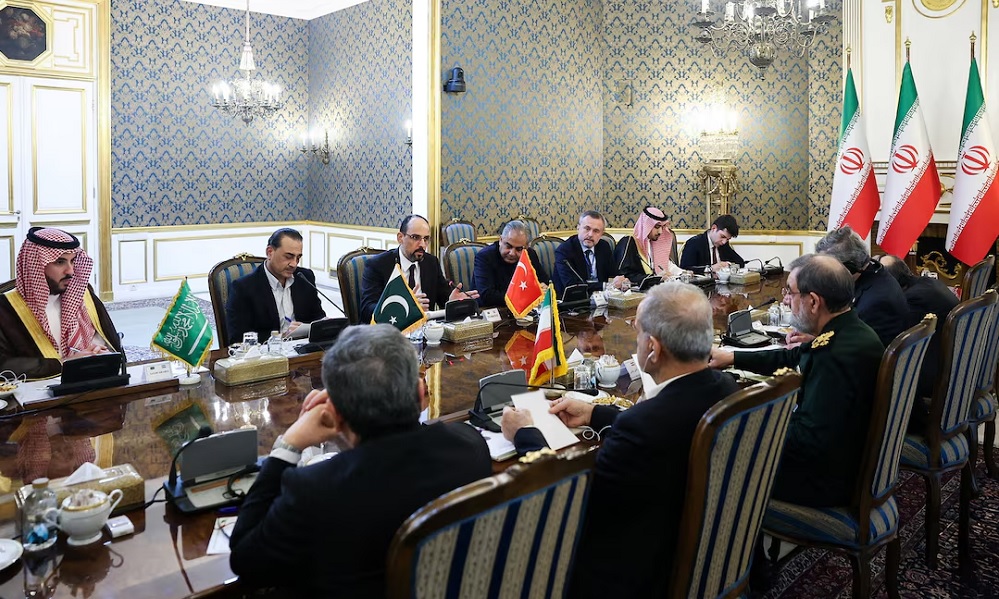
Saudi defence pact countries push for peace in Tehran as Houthis launch more attacks

England forward Kane crowned Ballon d’Or winner
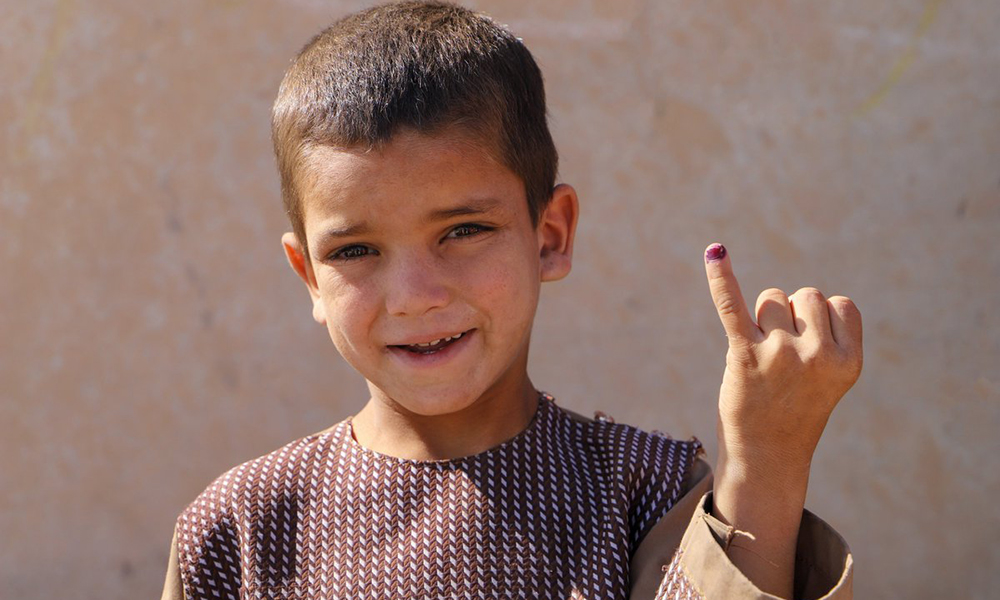
Afghanistan to launch nationwide polio vaccination campaign

WFP report notes high food and fuel costs continue to pressure Afghan households
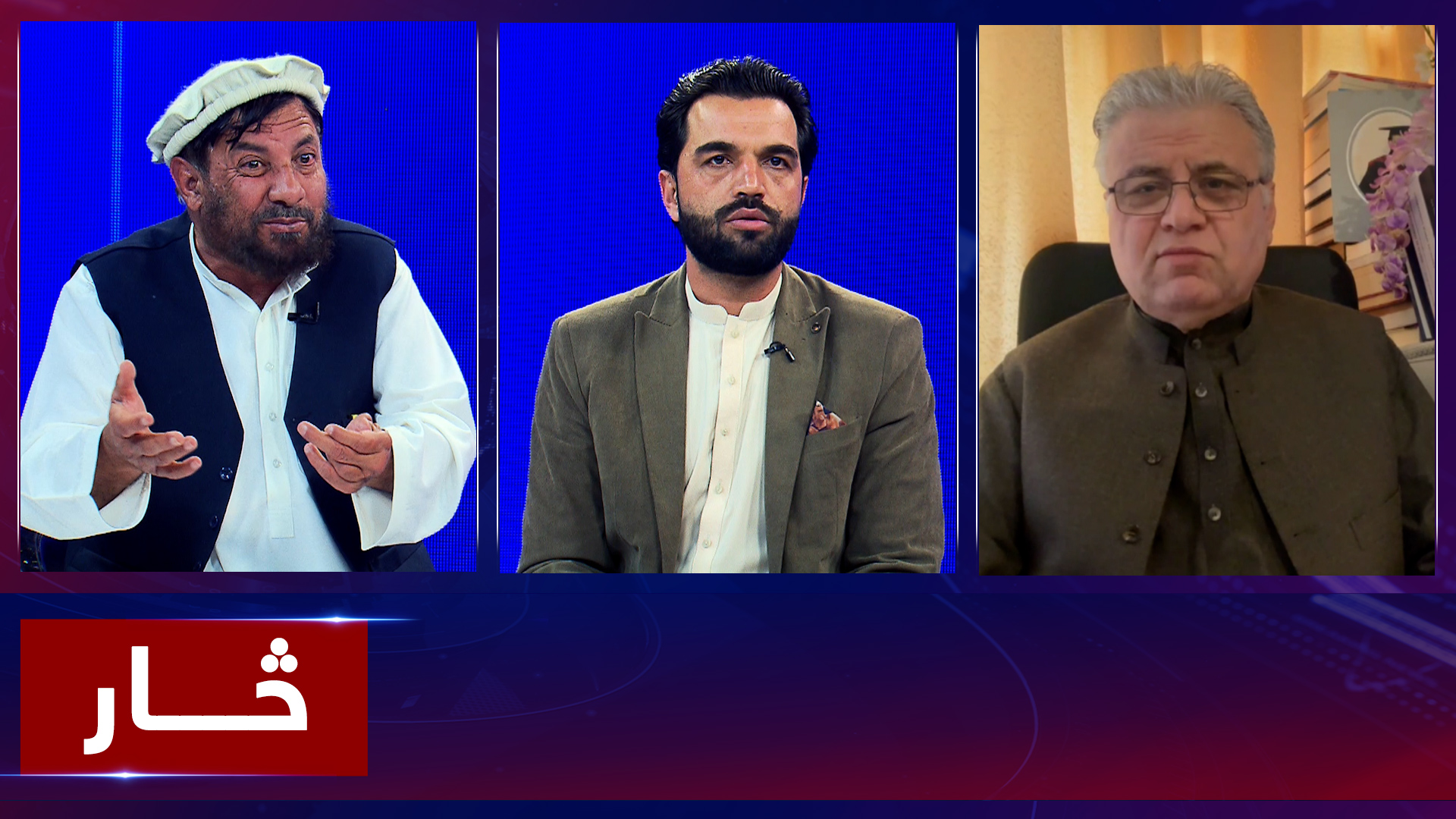
Saar: Pakistan FM’s remarks on Afghanistan
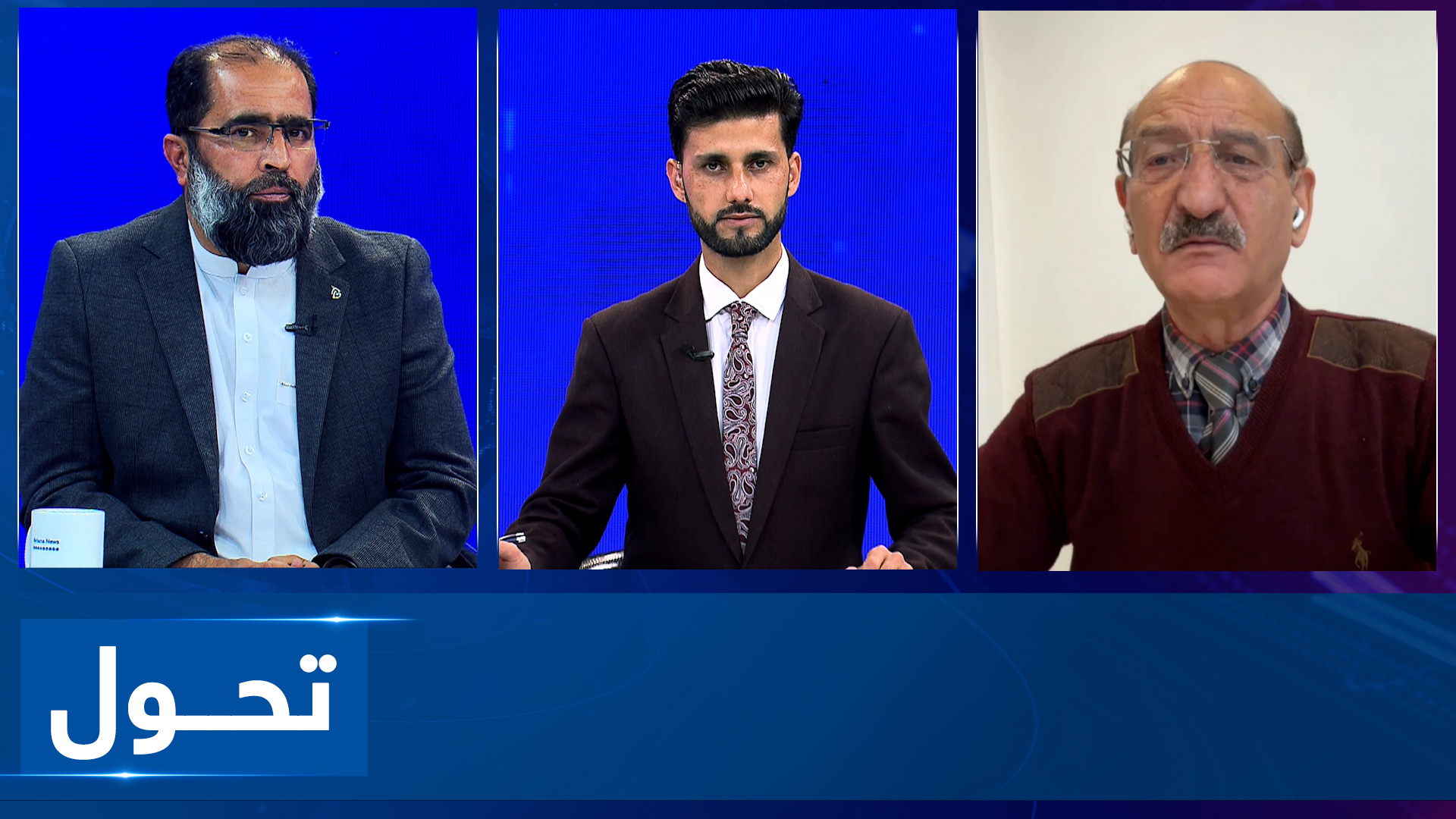
Tahawol: World Television Day discussed
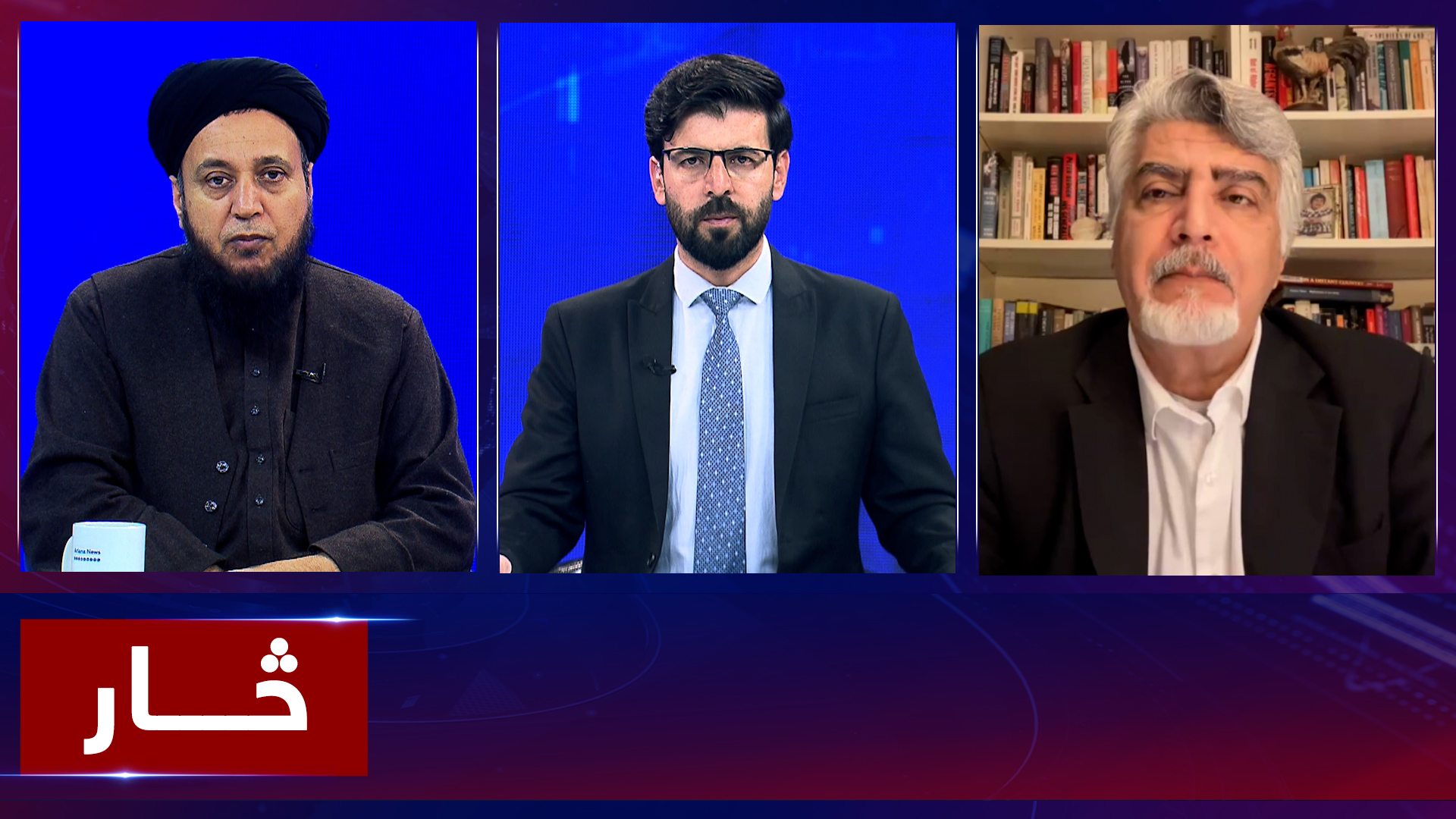
Saar: Efforts to resolve Afghanistan-Pakistan tensions in Moscow reviewed
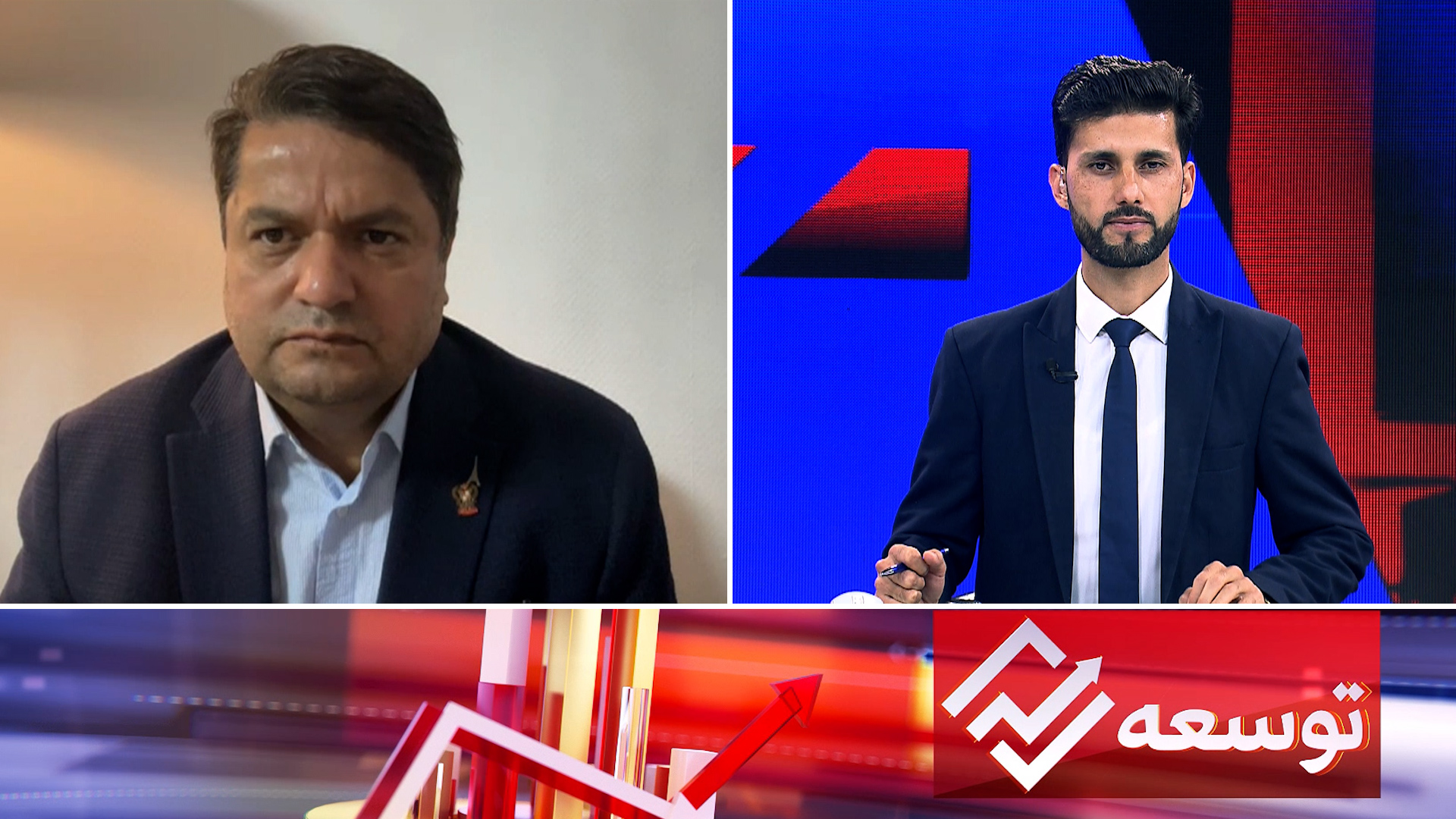
Tawsia: Afghanistan’s key economic highlights of the week discussed
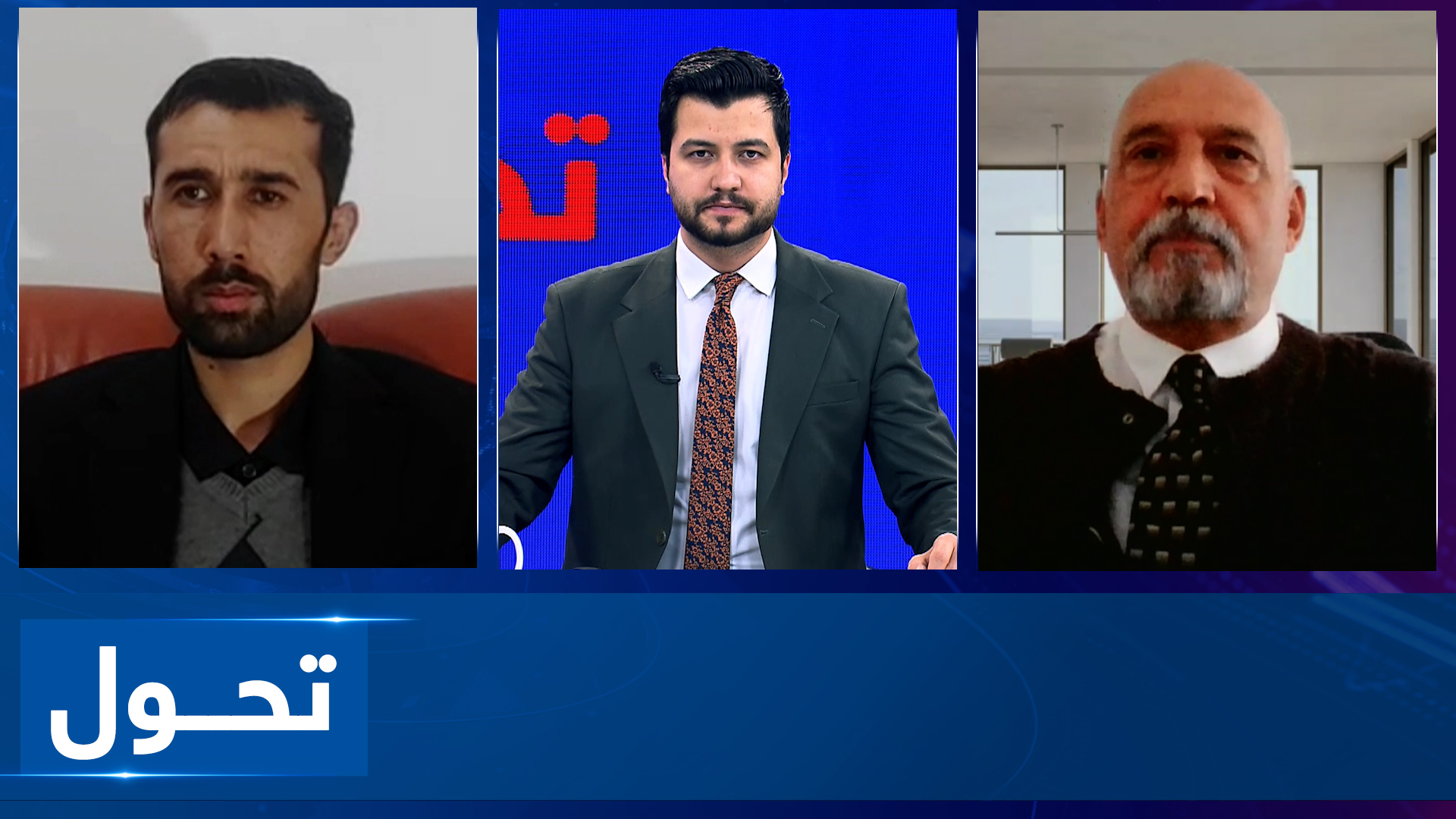
Tahawol: Kazakhstan’s call for practical international engagement with Afghanistan
-
 Sport5 days ago
ATN to broadcast AFC Awards honoring Asia’s football stars
-
 Latest News4 days ago
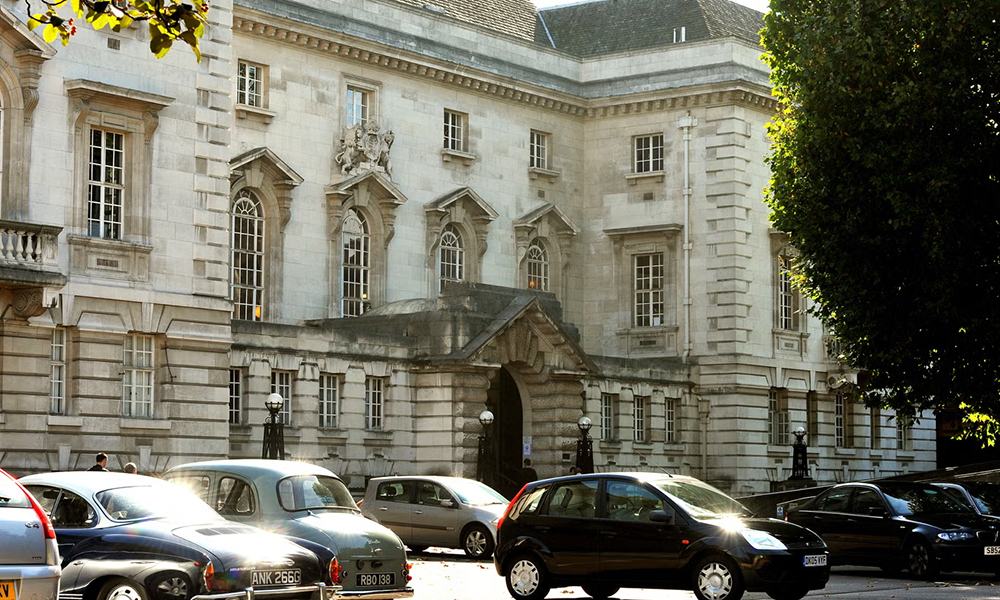
Two Afghan nationals convicted over sexual assault of 14-year-old girl on UK train
-
 Sport4 days ago
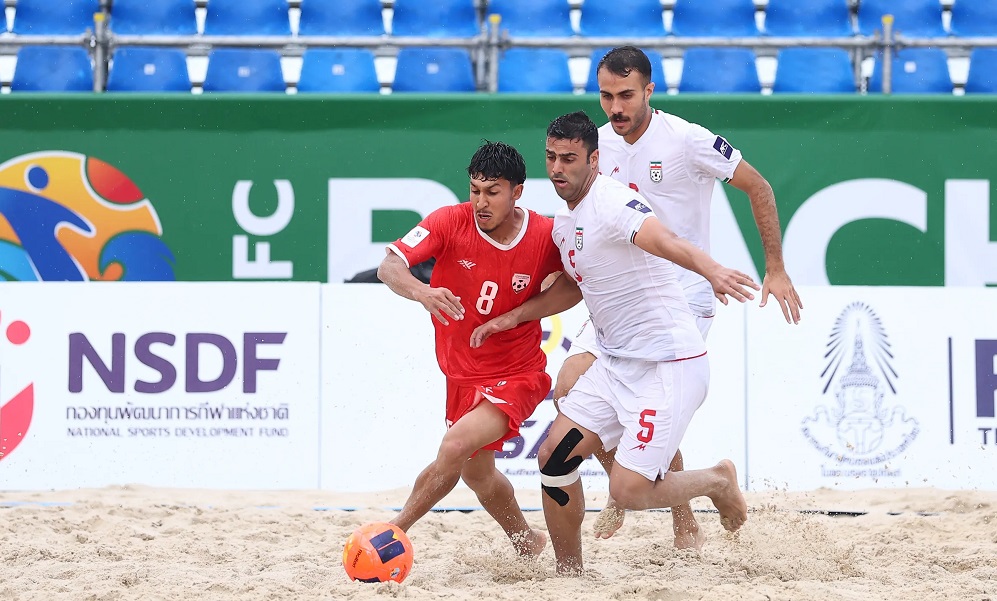
Afghanistan suffer 9-2 defeat to Iran in Beach Soccer Asian Cup opener
-
 Business4 days ago
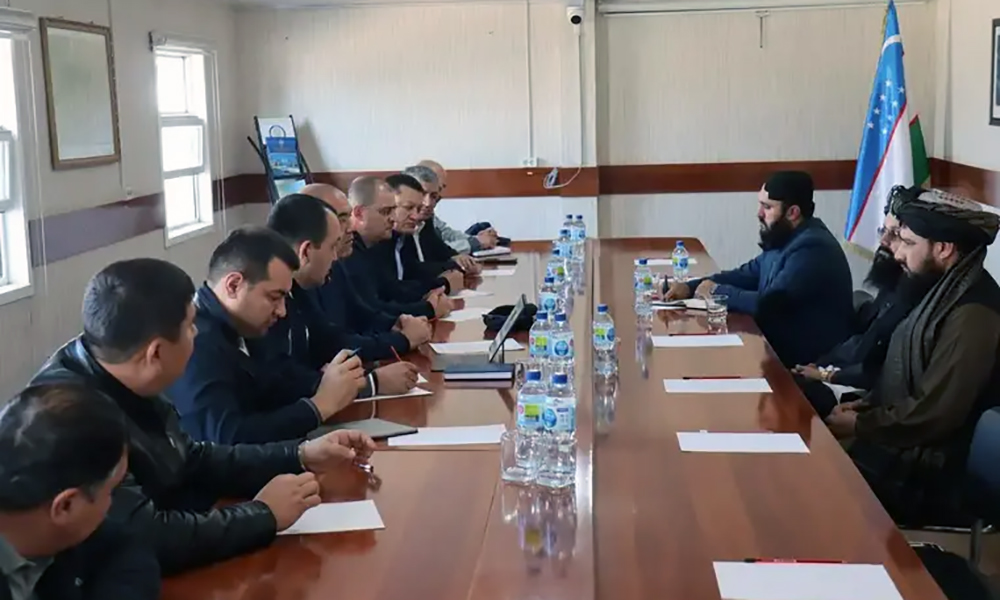
Afghanistan and Uzbekistan agree to expand railway cooperation and boost freight traffic
-
 Science & Technology4 days ago
North Korea shows off AI chatbot at IT exhibition
-
 Latest News4 days ago
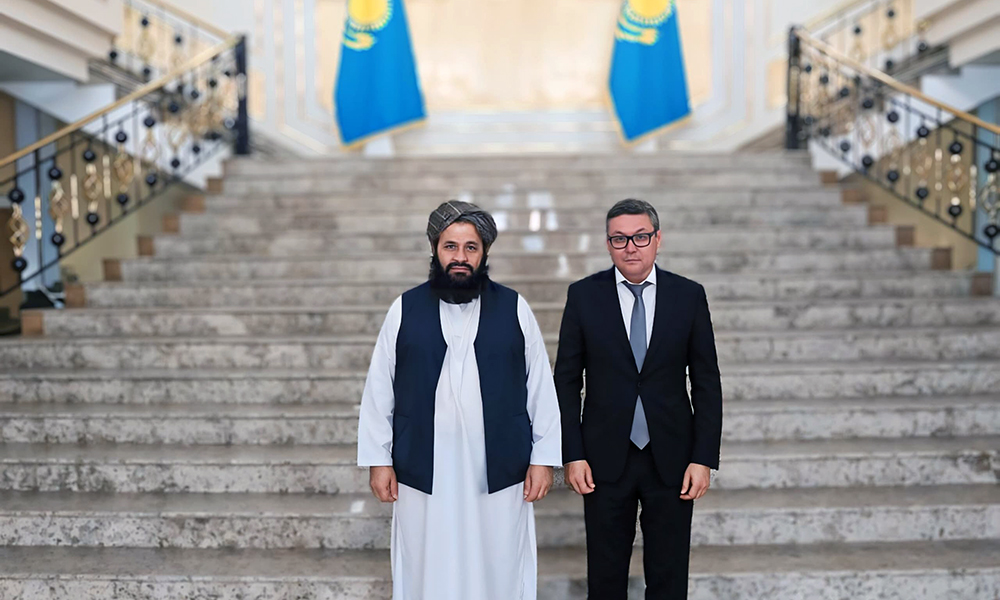
Kazakhstan steps up efforts to support Afghanistan’s stability and economic recovery
-
 Latest News2 days ago
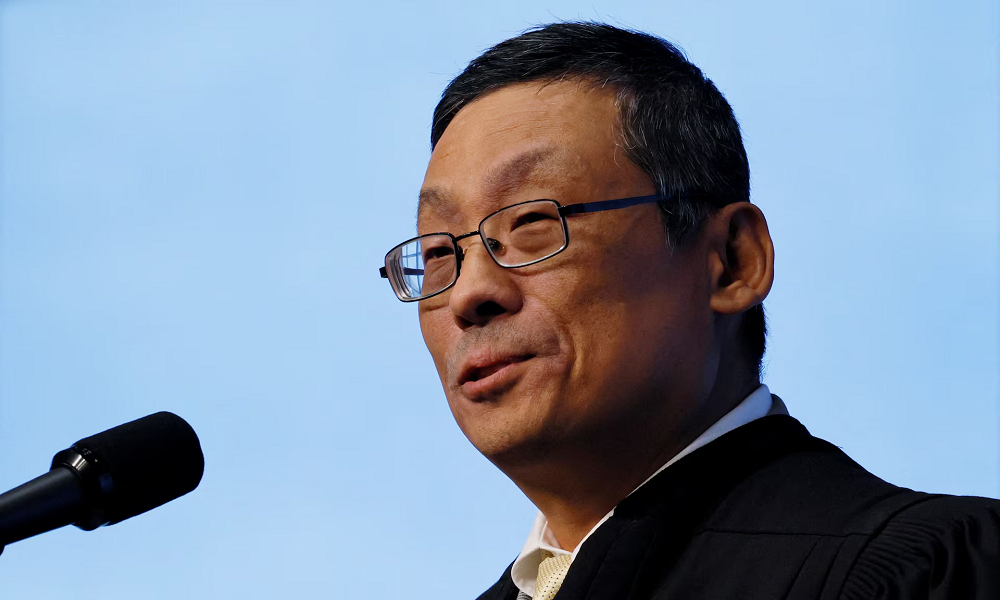
US judge questions Trump administration’s policies targeting refugees
-
 Latest News4 days ago
Sweden rejects asylum request of former Afghan ambassador, plans deportation to US: Le Monde