
Latest News
Afghanistan marks 100 years of diplomatic ties with Turkey

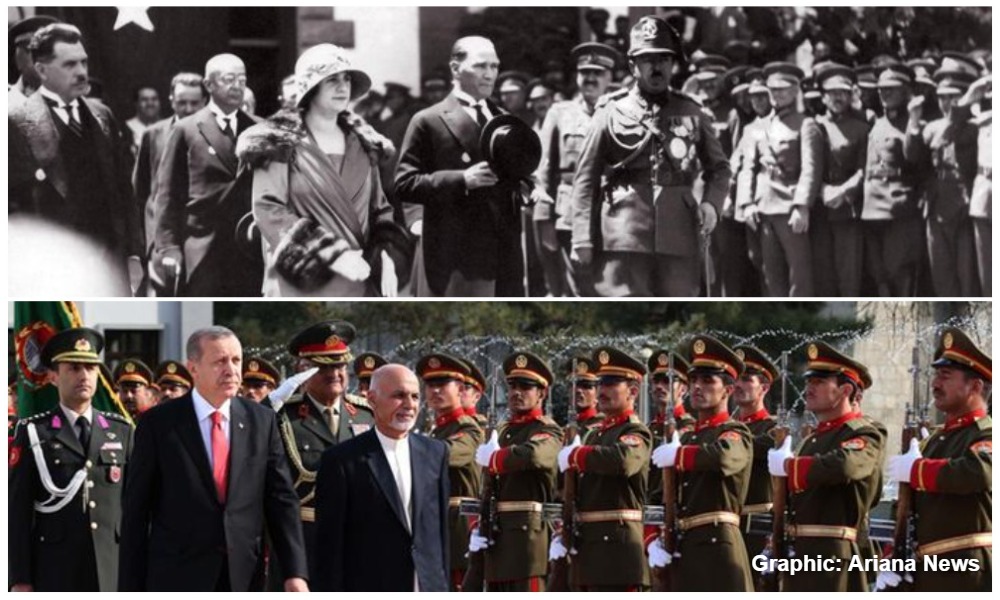
Celebrating the 100th Anniversary of Diplomatic Relations between Afghanistan and Turkey on Monday, Afghan Foreign Minister Haneef Atmar said that Turkey has had a key role in the country’s reconstruction and joint counter-terrorism efforts post-2001.
Addressing an event to mark the occasion Atmar said he hopes Turkey will maintain its sincere cooperation with the peace efforts in Afghanistan.
“As we celebrate the centennial of the establishment of our diplomatic relations, we wish to further develop our cooperation in every aspect in this special year; hope that the ongoing violence in Afghanistan comes to an end and lasting peace and calm will prevail in the country,” Turkey’s Ministry of Foreign Affairs said in a statement.
Afghanistan’s foreign ministry said that so far, Turkey has made comprehensive contributions to Afghanistan both on a bilateral level and through the efforts of the UN and NATO.
“Turkey’s development assistance program for Afghanistan is currently one of the largest assistance programs towards a country,” read the ministry’s statement.
The diplomatic and political relations of Turkey and Afghanistan commenced on March 1, 1921 through the signing of Turkey-Afghanistan Alliance Agreement.
Afghanistan at the time became the second country to recognize the Turkish Grand National Assembly of the time, which had been struggling to counter aggressive invasions of the Allied Powers.
Meanwhile the Turkish Embassy in Kabul was the first diplomatic mission in Kabul. This distinguished friendship, extracted from kinship, brotherhood and sisterhood, promoted the relations through the following decades.
This comes after Turkey’s President, Recep Tayyip Erdogan submitted a motion to parliament at the end of last year to extend the deployment of Turkish troops in Afghanistan for 18 months as part of NATO’s support mission, according to sources.
Turkey has about 1,200 soldiers in Afghanistan under the NATO mission.
“Turkey, which has deep friendship and brotherhood ties with Afghanistan, has always backed the unity, integrity and independence of Afghanistan,” the statement read.
The motion will be debated in parliament after December 18, as local media Anadolu Agency reported.

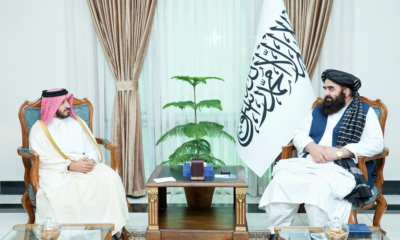




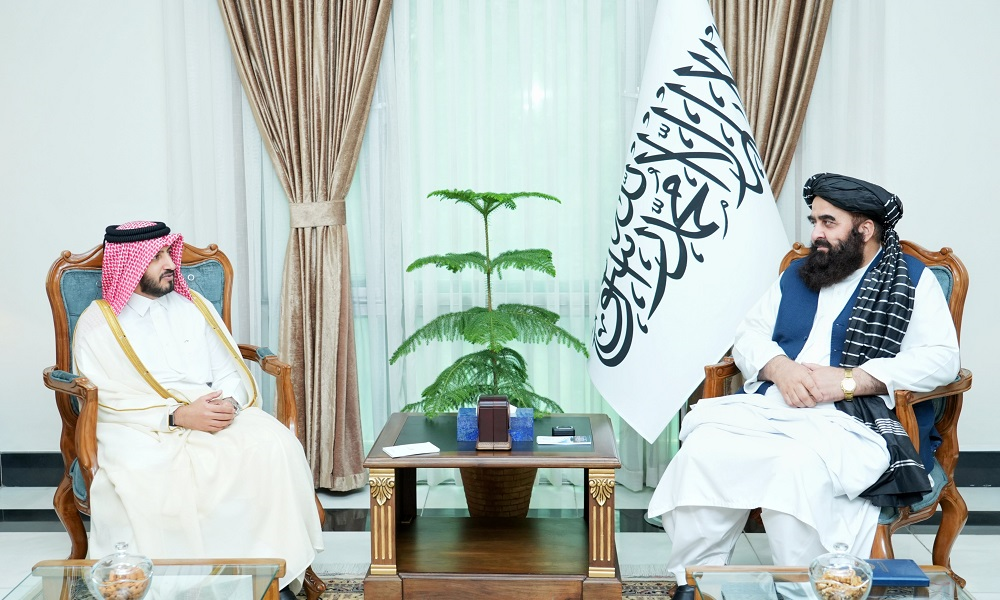
Afghanistan’s Foreign Minister Amir Khan Muttaqi met on Tuesday with Qatar’s ambassador to Kabul, Mirdif Al-Qashouti, to discuss strengthening bilateral relations and expanding Afghanistan’s engagement with the international community.
In a statement, the Ministry of Foreign Affairs said the meeting focused on Qatar’s efforts to facilitate the Islamic Emirate’s engagement with the international community.
Muttaqi welcomed the growing engagement between Afghanistan and the international community and praised Qatar’s role in supporting these efforts.
Meanwhile, Qatar’s ambassador reaffirmed Doha’s commitment to continuing its efforts and described the progress made so far as encouraging.
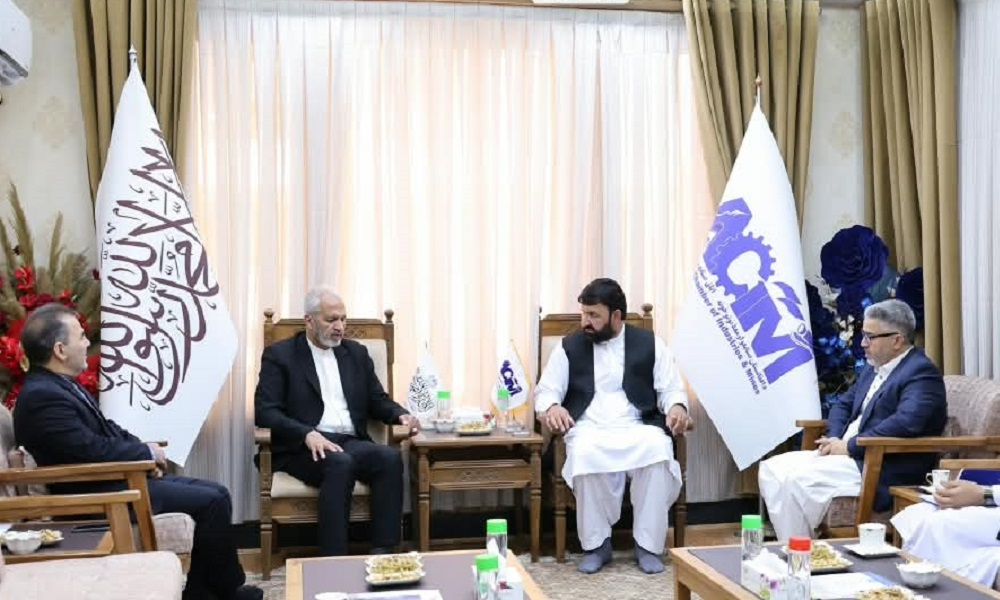
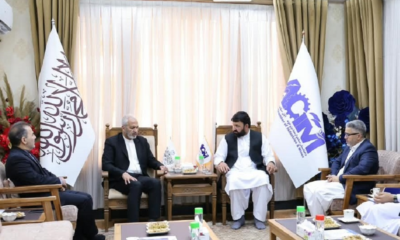
Alireza Bikdeli, Iran’s ambassador to Kabul, met on Tuesday with officials of the Afghanistan Chamber of Industries and Mines to discuss expanding economic relations, joint investment, and strengthening cooperation in the industrial and mining sectors.
During the meeting, Khan Mohammad Khan, deputy for industry at the Afghanistan Chamber of Industries and Mines, highlighted the existing opportunities in Afghanistan’s industrial and mining sectors and called on Iranian investors to make practical investments in these areas.
He said that with suitable opportunities available for industrial growth and the processing of raw minerals in Afghanistan, greater prospects exist for economic cooperation and joint investment with regional countries, particularly Iran.
Meanwhile, Bikdeli said that Iranian investors are showing growing interest in operating in various economic and production sectors in Afghanistan. He also emphasized Iran’s willingness to expand economic relations and bilateral cooperation between the two countries.
At the end of the meeting, he invited officials of the Afghanistan Chamber of Industries and Mines to participate in a mining exhibition scheduled to be held in Iran.
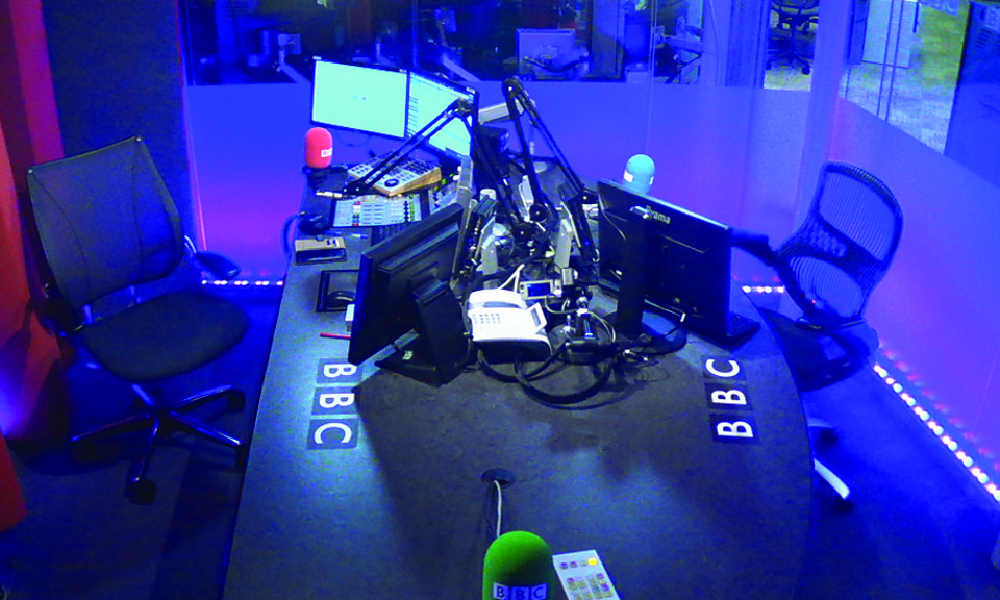
Afghanistan’s Ministry of Information and Culture says BBC radio broadcasts across the country have been suspended due to what it described as “repeated violations.”
Safiullah Raed, head of media monitoring at the ministry, confirmed the suspension, without providing further details.
The BBC has also confirmed that its radio broadcasts have been suspended across Afghanistan. A spokesperson for the broadcaster said it was in contact with officials of the Islamic Emirate to resolve the issue.


Tahawol: Warnings over worsening insecurity in Pakistan discussed

Saar: Concerns over potential return of US military bases to Afghanistan discussed

Afghanistan hold Bangladesh to dramatic draw in Abu Dhabi Test

Muttaqi and Qatar’s envoy discuss Afghanistan’s ties with international community

Afghanistan and Iran stress expanding industrial and mining cooperation

Cricket Bonanza: Afghanistan set for packed international schedule

New warnings reignite debate over AI threat to humanity

UN warns of mounting humanitarian and human rights pressures in Afghanistan

Afghanistan says 28 killed, 32 captured in Nuristan operation

CNN, MS NOW and Politico sue Trump, challenging White House ban
Tahawol: Warnings over worsening insecurity in Pakistan discussed
Saar: Concerns over potential return of US military bases to Afghanistan discussed

Tahawol: Kabul’s criticism of Islamabad’s policy toward Afghanistan

Saar: Pakistan deploying army in KP

Tahawol: EU appointing new envoy for Afghanistan
-
 Regional5 days ago
Trump says US will not attack Iran before midterm elections in November
-
 Latest News4 days ago
Pakistan issues new directives for Afghan medical students and doctors
-
 World5 days ago
Witkoff, Kushner to meet Ukrainians for talks on the war, says US source
-
 Latest News4 days ago
Iranian lawmaker praises Afghanistan’s support, accuses Pakistan of ‘hypocrisy’
-
 Latest News5 days ago
US senator cites Afghanistan visits in Pentagon ‘cover-up’ allegations over Iran war
-
 World4 days ago
US imposes sanctions on ICC amid dispute over international prosecutions
-
 Business5 days ago
Iran allocates over 110 hectares in Chabahar for Afghan economic activities
-
 Sport4 days ago
Bangladesh reach 317/8 on Day One against Afghanistan in Test match