
Health
Afghanistan to launch nationwide polio vaccination campaign to protect children
The campaign will be carried out across multiple provinces and districts, and includes the administration of Vitamin A supplements alongside oral polio vaccines.

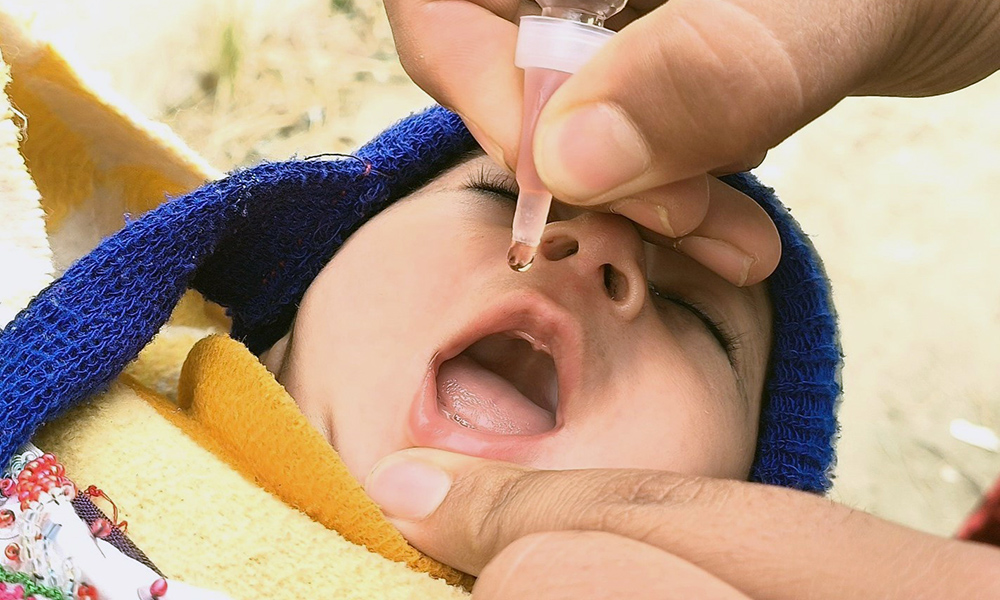
Afghanistan has launched a new nationwide polio vaccination campaign aimed at immunizing children under the age of five against the debilitating disease, the Afghanistan Polio-Free Organization announced Sunday.
The campaign, which began on July 20, will be carried out across multiple provinces and districts, and includes the administration of Vitamin A supplements alongside oral polio vaccines.
Health officials say the initiative is designed not only to prevent the spread of polio but also to strengthen children’s immune systems and improve overall child health.
“The campaign aims to protect children under the age of five from the debilitating effects of polio,” the organization stated, urging families to cooperate fully with health workers to ensure that no child is left behind.
Polio is a highly infectious viral disease that primarily affects children and is transmitted through contaminated water. Early symptoms include fever, fatigue, headache, vomiting, and limb pain. In severe cases—approximately one in every 200 infections—the disease can result in irreversible paralysis.
Afghanistan remains one of only two countries in the world, alongside Pakistan, where wild poliovirus transmission has yet to be eliminated. Health officials view continued vaccination campaigns as vital to eradicating the virus and preventing lifelong disability among Afghan children.
“These vaccination campaigns represent a significant step toward a polio-free future for the country,” the Polio-Free Organization emphasized, highlighting the need for sustained public engagement and full community participation.
International partners have also stepped in to support Afghanistan’s eradication efforts. Japan, in partnership with UNICEF and the Japan International Cooperation Agency (JICA), has contributed $5 million to bolster immunization programs across all 34 Afghan provinces. The funding will support a 12-month initiative aimed at reaching more than 13 million children with polio and routine childhood vaccines.
UNICEF, in a statement released on July 10, praised the Japanese government’s commitment to Afghanistan’s health sector. “This new grant reaffirms Japan’s longstanding support for the global effort to eradicate polio, especially in underserved, conflict-affected, and hard-to-reach areas,” the agency said.
Despite recent progress in reducing under-five and maternal mortality, access to basic healthcare remains limited in much of Afghanistan, leaving millions of children exposed to preventable diseases. A resurgence of polio cases in 2023 exposed significant immunity gaps, particularly among children in mobile, cross-border, and previously inaccessible communities.
While cold chain infrastructure and vaccine delivery systems have improved, health authorities warn that continued vigilance and urgent action are needed to reach every child and close remaining coverage gaps.
“Polio vaccination is one of the most effective ways to ensure a healthier, brighter future for Afghan children,” the Polio-Free Organization said, calling for collective efforts to achieve a polio-free Afghanistan.



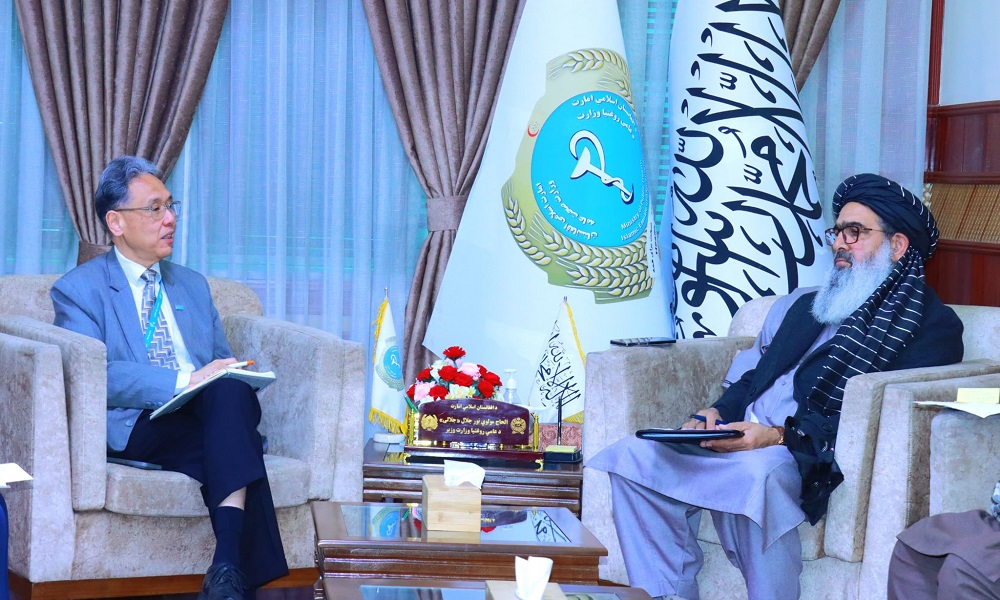
Afghanistan’s Minister of Public Health, Noor Jalal Jalali, met with the head of the World Health Organization in Afghanistan, Edwin Ceniza Salvador, to discuss expanding healthcare services and strengthening coordination in the country.
According to a statement issued Tuesday by the Ministry of Public Health, the meeting was attended by officials from the WHO and other representatives and focused on key health sector priorities and areas of mutual cooperation.
Participants discussed the expansion of health services across Afghanistan, capacity-building initiatives for healthcare workers, and the development of cancer-related services. They also reviewed operational coordination, transparency in the delivery of health services, and preparations for upcoming health-related meetings.
During the meeting, Jalali emphasized the importance of aligning health projects and services with the ministry’s national policies and strategic documents.
He stressed that all health initiatives should be implemented based on the priorities and needs identified by the Ministry of Public Health.
The minister also urged WHO officials to enhance transparency and strengthen coordination with the ministry while taking practical steps to improve the quality of health services and ensure broader public access to healthcare across the country.
For his part, Salvador reaffirmed the WHO’s commitment to maintaining close cooperation with the Afghan health ministry and to delivering essential health services in accordance with the ministry’s policies and priorities.
Health
Afghanistan faces acute shortage of specialist doctors, officials urge ethics and expansion of health services
Noor Jalal Jalali, the Minister of Public Health, said the ministry is making sustained and intensive efforts to address the gap and expand access to healthcare services in remote and underserved areas of the country.
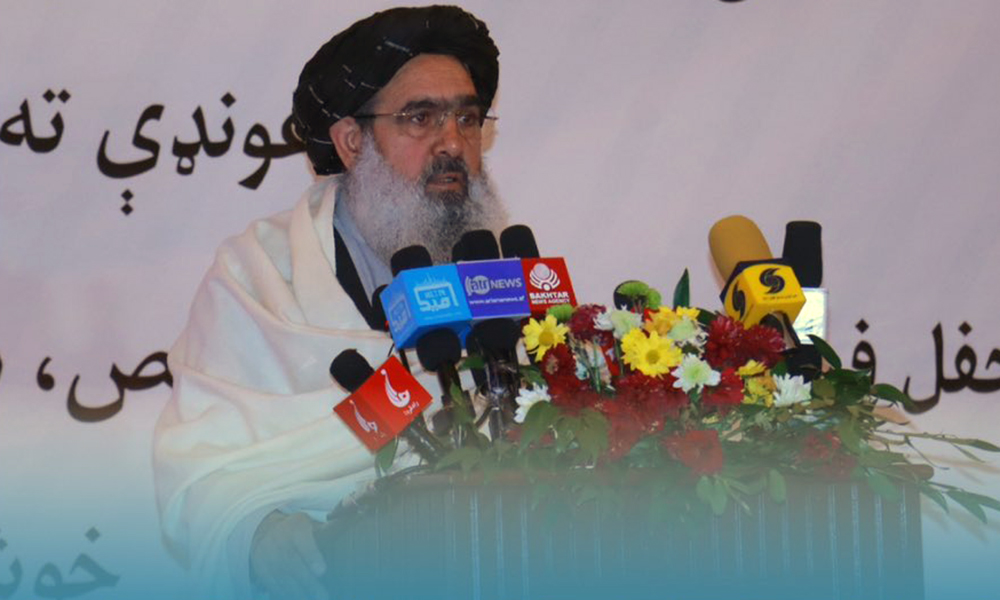
Afghanistan is continuing to face a serious shortage of specialist doctors, health officials said during the graduation ceremony of specialist physicians from the General Directorate of Medical Specialization for the year 1404.
Noor Jalal Jalali, the Minister of Public Health, said the ministry is making sustained and intensive efforts to address the gap and expand access to healthcare services in remote and underserved areas of the country.
According to Jalali, hospitals are still absent across 318 districts nationwide. He added that initial construction work for hospitals has been completed in 100 of these areas, stressing that strengthening health infrastructure and training qualified specialists remain top priorities for the ministry.
Jalali also called on doctors and health officials to uphold their professional and religious responsibilities by treating patients with compassion, dignity, and good conduct. He emphasized that medical practice should not be driven by material gain, but by the pursuit of public service and the well-being of the people.
Speaking at the same ceremony, Hamdullah Nomani, Minister of Communications and Information Technology noted a decline in public trust toward some medical professionals, saying that despite the presence of many committed and ethical doctors, the behavior of a few motivated solely by financial gain has undermined patient confidence. He urged newly graduated specialists to serve with sincerity and restore public trust in Afghanistan’s healthcare system.
Meanwhile, Abdul Wali Sadiqi, the financial and administrative deputy minister of public health, advised graduates to remain committed to their profession, fulfill their responsibilities honestly, and serve the public with dedication. He stressed that efforts in national service should match those made in personal affairs.
In addition, Abdul Baqi Haqqani, head of the National Examinations Authority, highlighted that humans carry two fundamental responsibilities: worship of Allah and preservation of health, underscoring the vital role doctors play in safeguarding public health.
Health sector experts say Afghanistan now needs skilled and professional medical personnel more than ever, calling for increased investment in specialist training and healthcare infrastructure to meet the country’s growing needs.
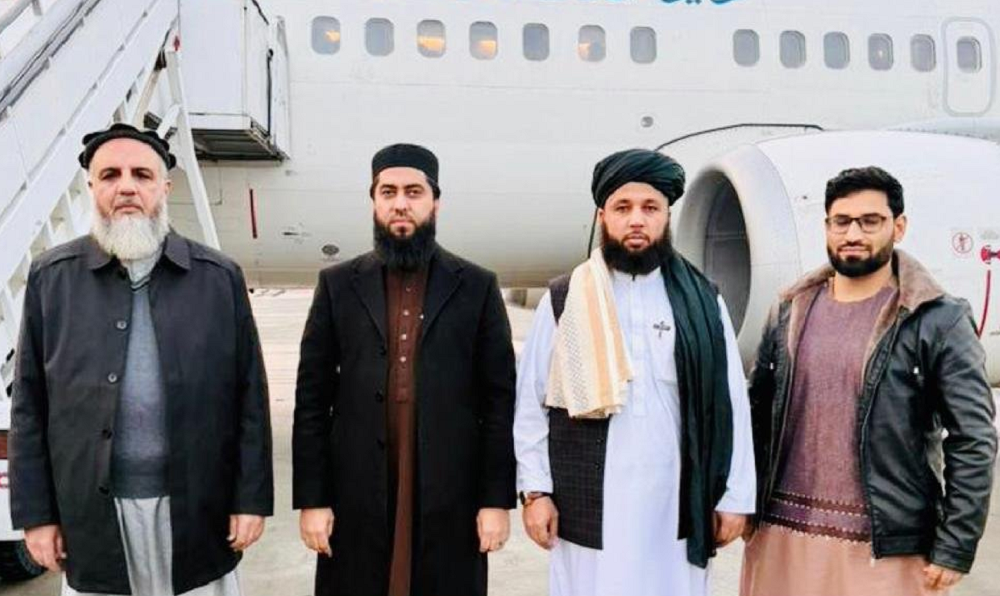
Naemullah Ayoubi, Director General of Drug and Health Products Regulation at Afghanistan’s Ministry of Public Health, has departed for Turkey on an official visit accompanied by a technical delegation.
The Ministry of Public Health said the delegation will hold meetings with officials from Turkey’s pharmaceutical regulatory authority and discuss a number of key issues related to the regulation of medicines and health products.
The delegation is also scheduled to visit several pharmaceutical manufacturing factories in Turkey.
According to the ministry, the visit aims to strengthen coordination between the two countries in the production and import of medicines, in order to ensure the availability of high-quality and affordable pharmaceuticals for people in Afghanistan in both the short and long term.


Malaysian PM welcomes temporary Afghanistan–Pakistan truce, urges lasting peace

Mojtaba Khamenei calls for improved Afghanistan–Pakistan relations, offers help

Tawsia: Assessment of Afghanistan’s economic activities in 1404

India sends 2.5-ton medical shipment to Afghanistan

Trump compares Iran strikes to Pearl Harbor in meeting with Japan’s leader

Pakistani military jet downed in Afghanistan’s Jalalabad, pilot captured alive

Afghan Air Force conducts airstrikes in Islamabad, other cities

Afghanistan welcomes investment and technology partnerships with India

Prominent Muslim scholar issues fatwa calling for Afghanistan-Pakistan ceasefire

Afghan air force strikes key Pakistani military installations in retaliatory operation
Tawsia: Assessment of Afghanistan’s economic activities in 1404

Tahawol: Temporary ceasefire draws broad support

Saar: Emphasis on resolving conflicts through diplomacy

Tahawol: Global reactions to Pakistan’s recent attacks discussed

Saar: Consequences of Pakistani airstrikes on Afghans discussed
-
 Latest News5 days ago
IEA Supreme Leader issues Eid-ul-Fitr message urging unity and support for Islamic system
-

 Business5 days ago
Turkmenistan, Afghanistan discuss steps to speed up land acquisition for TAPI pipeline
-
 Latest News3 days ago
IEA announces temporary pause in defensive operations against Pakistan for Eid
-
 Latest News3 days ago
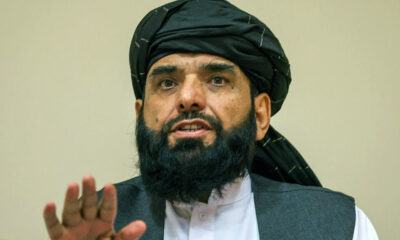
Pakistan opposes normal Afghanistan–India relations: Shaheen
-
 Sport4 days ago
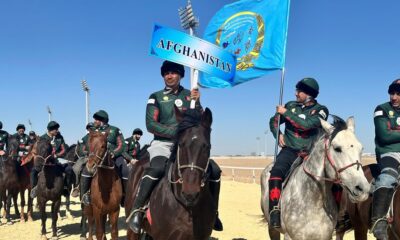
Afghanistan national buzkashi team defeats Hungary 14–0
-
 Latest News5 days ago
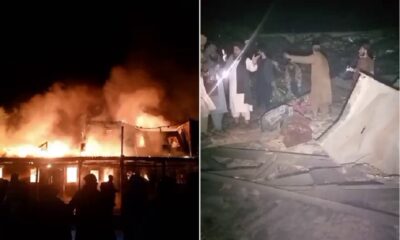
IEA condemns alleged airstrike by Pakistan on drug treatment hospital in Kabul
-
 Latest News4 days ago
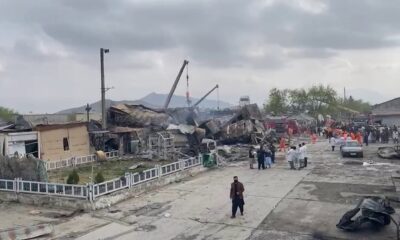
Afghanistan warns Pakistan of ‘teeth-breaking’ response after deadly Kabul bombing
-
 Latest News5 days ago
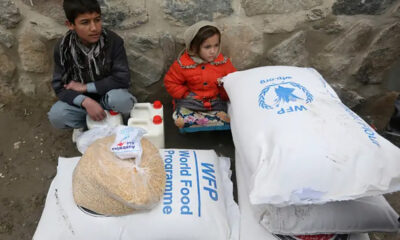
WFP delivers emergency aid to families displaced by conflict in Afghanistan