
Latest News
Afghans overwhelmingly support girls’ education despite ongoing ban: UN Women

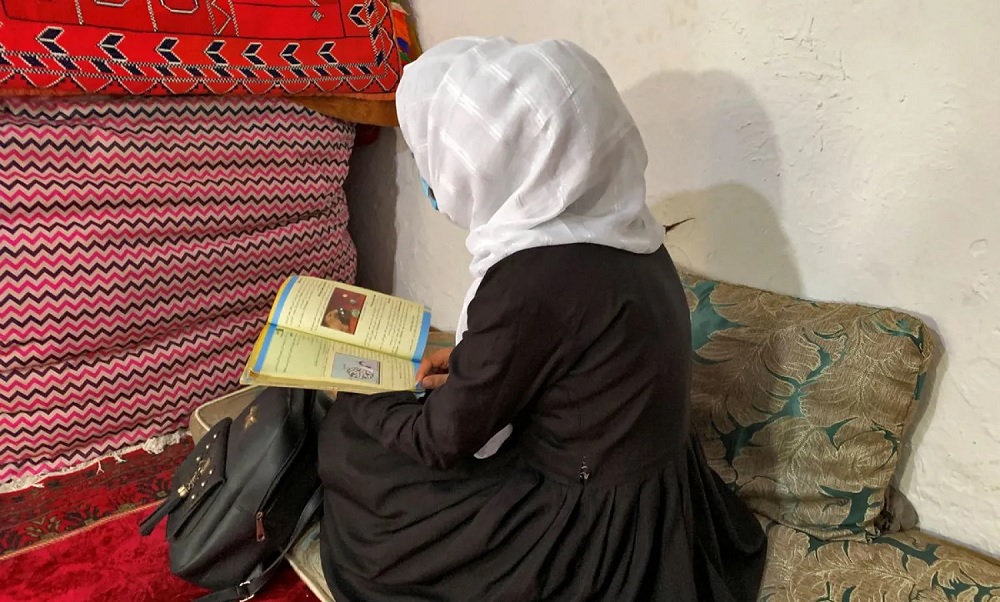
Despite the Islamic Emirate’s continuing ban on secondary education for girls, the vast majority of Afghans across all demographics believe girls should have the right to learn, according to a new report by UN Women.
The latest Gender Alert, released this week, draws on a nationwide door-to-door survey of over 2,000 people and reveals that 92 percent of respondents consider girls’ education important. Support was consistent across urban and rural areas. In cities, 95 percent of both men and women expressed support, while in rural areas, 95 percent of women and 87 percent of men did the same.
“This is almost always the first thing girls tell us – they are desperate to learn and just want the chance to gain an education,” said Susan Ferguson, UN Women’s Special Representative in Afghanistan. “Families also say they want their daughters to have that dream. They know that literacy and learning can change the trajectory of a girl’s life, in a country where half the population is living in poverty.”
The report also highlights the broader social and economic impact of increasing restrictions on women’s rights since the Islamic Emirate regained control in 2021. In areas where the ban on women working with NGOs is being enforced, a separate UN Women survey from July and August 2025 found that 97 percent of women said the restrictions have negatively affected their daily lives. Over half of NGOs operating in Afghanistan now report being unable to effectively reach women and girls with essential services.
Based on the report, 40 percent of Afghan women surveyed said they still envision a future where change and gender equality are possible. However, nearly three-quarters of women rated their mental health as “bad” or “very bad.”
Women also reported significant lack of agency in decision-making. Seventy-five percent said they have no influence in their communities, half felt excluded from decisions in their extended families, and one in four said they had no influence even within their own households.
The Islamic Emirate has previously said that the issue of girls’ education is an internal issue in Afghanistan and efforts are being made to resolve it.

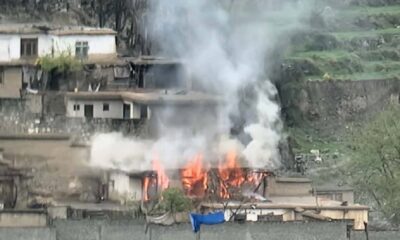



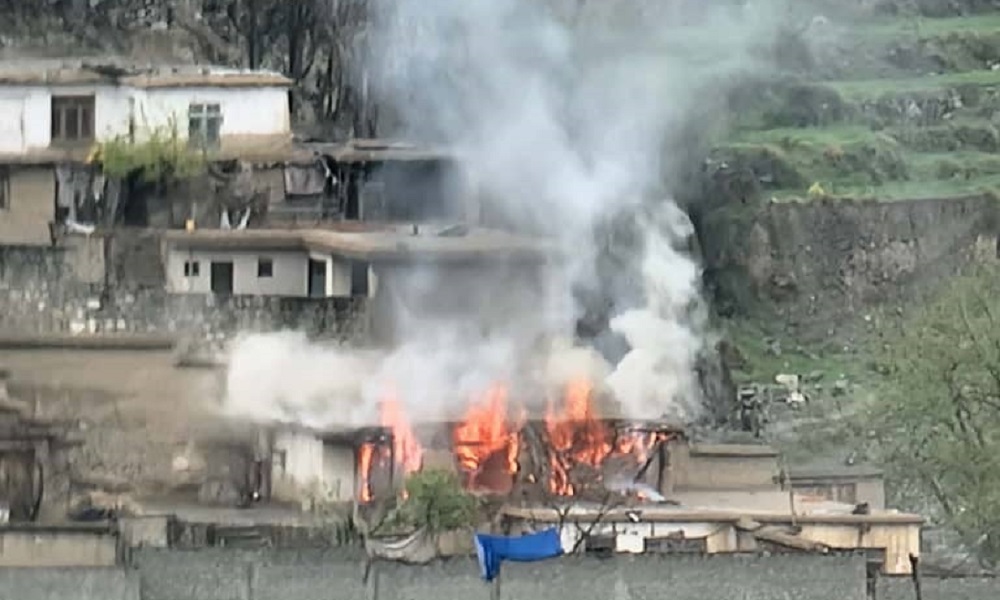
Farid Dehqan, spokesperson for the Khas Kunar police command, said that rocket attacks by the Pakistani military regime are still ongoing in the province.
These attacks come despite earlier announcements by the Pakistani military of a temporary ceasefire for Eid.
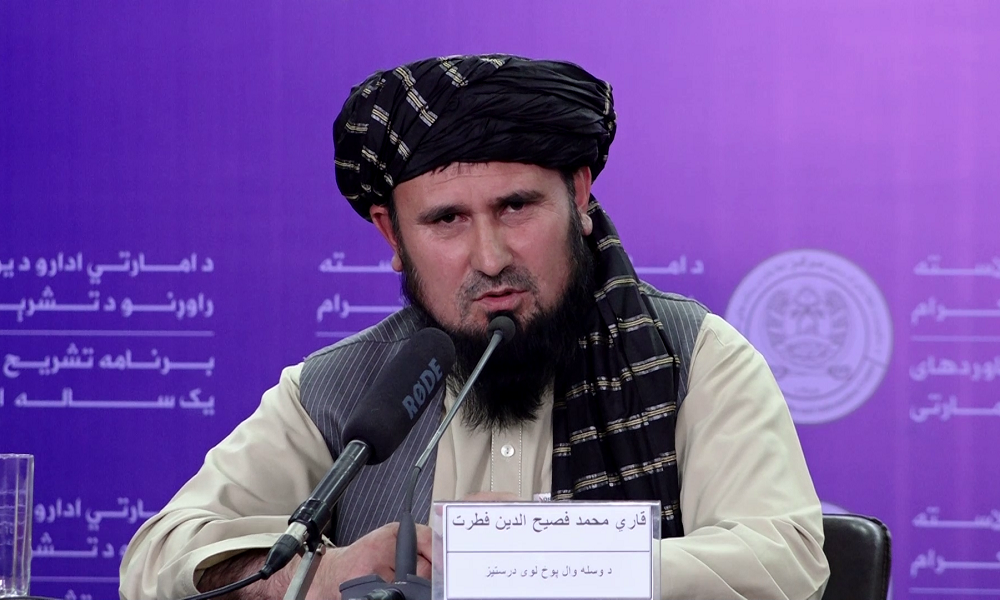
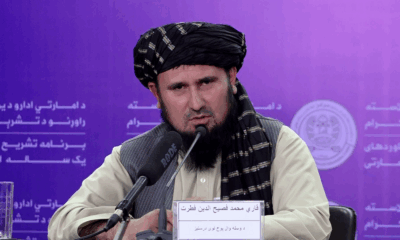
Afghanistan’s Chief of Armed Forces, Fasihuddin Fitrat, said in his Eid message that Pakistan’s military regime has violated the ceasefire along the Durand line.
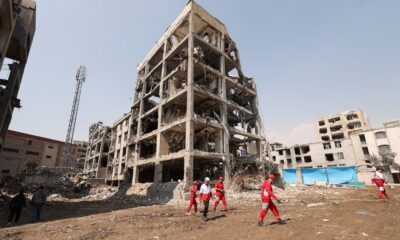
According to the Eid message released by the Ministry of Defense, several civilians were killed in attacks carried out by Pakistani forces in border areas.
Fitrat added that the continuation of Pakistan’s attacks despite the ceasefire “demonstrates a lack of commitment and deception” on the part of the country.
He stressed that the Islamic Emirate has refrained from retaliatory action in order to prevent further deterioration of the situation and has remained committed to the ceasefire.
However, he warned that if such attacks are repeated, “the ceasefire will become meaningless,” and the Islamic Emirate will deliver a “decisive response” to Pakistan’s actions.
It is worth noting that the Islamic Emirate and Pakistan reached a temporary ceasefire on the occasion of Eid al-Fitr through mediation by Qatar, Turkey, and Saudi Arabia.
Latest News
Security Sources: Pakistani military shelling in Kunar and Nuristan leaves female doctor dead
The sources said the vehicle was struck by gunfire and subsequently fell into the Kunar River.
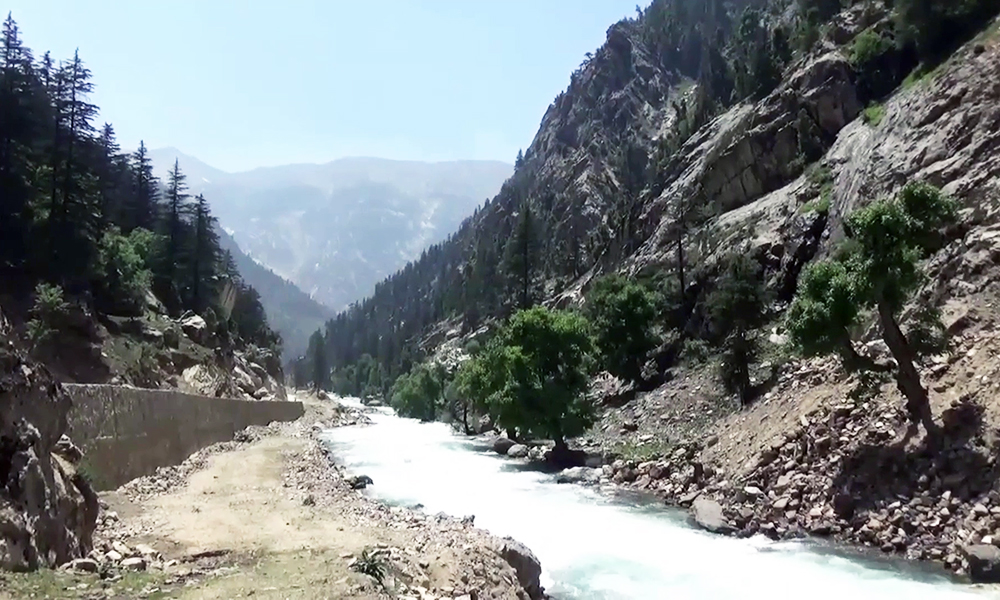
Security sources report that several security incidents in the eastern provinces of Kunar and Nuristan have resulted in the death of a female doctor, injuries to others, and several people reported missing.
According to the sources, early Thursday morning at around 9:30 a.m., Pakistani military forces opened fire on a Toyota vehicle in the Dokalam Baghcha area of Nari district in Kunar province.
The sources said the vehicle was struck by gunfire and subsequently fell into the Kunar River. As a result of the incident, a female doctor was killed and another person was injured. Five other individuals who were reportedly in the vehicle remain missing, the sources added.
In a separate incident, security sources stated that around 11:00 a.m. in the Seno area of Shultan district, Kunar province, Pakistani forces carried out artillery shelling that left one person injured. The injured individual was transferred to the provincial hospital for medical treatment.
Meanwhile, security sources in Nuristan say that despite Pakistan’s announced ceasefire, the main road between Kamdesh and Barg-e-Matal districts has been completely closed to traffic since Thursday morning.
According to the sources, the closure of the route has caused serious difficulties for local residents, preventing any movement in the area. The sources also claim that Pakistani military posts are located within close proximity of the road and have opened fire on people attempting to pass through the area.


Afghanistan national buzkashi falls short in Kokpar World Championship semifinals

Pakistan’s rocket attacks still ongoing on Nari district, Kunar

FIFA Council highlights football’s role in peace, announces record investments

FIFA sanctions Israeli Football Association over discrimination violations

IEA defense ministry accuses Pakistan of ceasefire violations

Pakistani military jet downed in Afghanistan’s Jalalabad, pilot captured alive

Afghan Air Force conducts airstrikes in Islamabad, other cities

Afghanistan welcomes investment and technology partnerships with India

Prominent Muslim scholar issues fatwa calling for Afghanistan-Pakistan ceasefire

Afghan air force strikes key Pakistani military installations in retaliatory operation

Tahawol: Temporary ceasefire draws broad support

Saar: Emphasis on resolving conflicts through diplomacy

Tahawol: Global reactions to Pakistan’s recent attacks discussed

Saar: Consequences of Pakistani airstrikes on Afghans discussed

Tahawol: Pakistan’s new attacks on Kabul hospital discussed
-
 Latest News4 days ago
IEA Supreme Leader issues Eid-ul-Fitr message urging unity and support for Islamic system
-
 Latest News5 days ago
Afghan airstrike targets a military camp in South Waziristan
-

 Business4 days ago
Turkmenistan, Afghanistan discuss steps to speed up land acquisition for TAPI pipeline
-

 Sport5 days ago
IPL 2026 kicks off in under two weeks; Afghan players set to shine
-
 Latest News2 days ago
IEA announces temporary pause in defensive operations against Pakistan for Eid
-
 Sport3 days ago
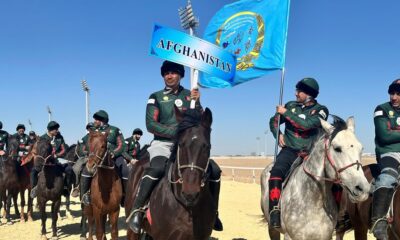
Afghanistan national buzkashi team defeats Hungary 14–0
-
 Latest News2 days ago
Pakistan opposes normal Afghanistan–India relations: Shaheen
-

 Latest News4 days ago
CAIR-Texas calls for probe after Afghan refugee dies in ICE custody