
Latest News
Airlines fly over Afghanistan as Middle East becomes the greater risk – Reuters
There were more than seven times the number of flights over Afghanistan in the second week of August than during the same period a year ago, according to a Reuters analysis of FlightRadar24 data.

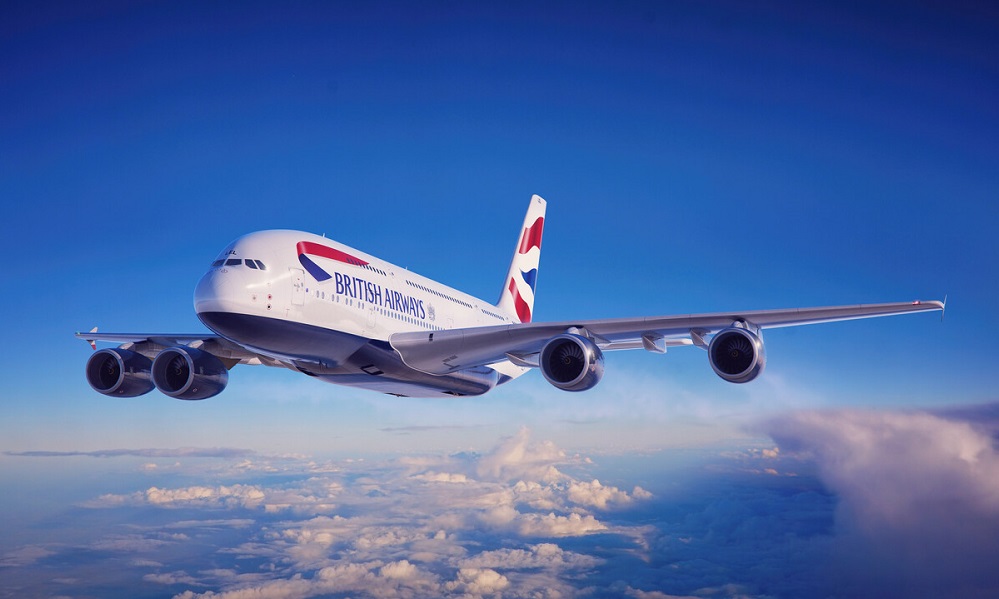
Singapore Airlines, British Airways, and Lufthansa have increased their flights over Afghanistan after years of largely avoiding it now the Middle East conflict has made it seem a relatively safe option, Reuters reported on Friday.
The carriers mostly stopped transiting Afghanistan, which lies on major routes between Asia and Europe, three years ago when the Islamic Emirate took over and air traffic control services stopped.
Those services have yet to resume, but airlines increasingly consider the skies between Iran and Israel are riskier than Afghan airspace. Many had started routing through Iran and the Middle East after Russian skies were closed to most western carriers when the Ukraine war began in 2022.
“As conflicts have evolved, the calculus of which airspace to use has changed. Airlines are seeking to mitigate risk as much as possible and they see overflying Afghanistan as the safer option given the current tensions between Iran and Israel,” Ian Petchenik, a spokesperson for flight tracking organisation Flightradar24, said.
There were more than seven times the number of flights over Afghanistan in the second week of August than during the same period a year ago, according to a Reuters analysis of FlightRadar24 data.
The shift began in mid-April during reciprocal missile and drone attacks between Iran and Israel. Flight tracking data from the time shows Lufthansa, Singapore Airlines, British Airways and others began to send a few flights a day over Afghanistan.
But the main growth has been since the killing of senior members of Hamas and Hezbollah in late July raised concerns of a major escalation.
Lufthansa Group told Reuters it decided to resume overflying Afghan airspace from early July.
Other carriers that have increased overflights since April include Turkish Airlines, Thai Airways, and the Air France-KLM, data shows.
“Based on actual security information, KLM and other airlines currently safely overfly Afghanistan only on specific routes and only at high altitudes,” KLM told Reuters.
Taiwan’s EVA Air began from late July, flight tracking data shows. EVA told Reuters it chooses routes based on safety, the current international situation and flight advisories.
The route changes have been facilitated by aviation regulators easing guidance on Afghanistan.
The U.S. Federal Aviation Administration (FAA) in early July said planes could fly at a lower altitude over a sliver of north-eastern Afghanistan, the Wakhan Corridor, which is used to cross from Tajikistan to Pakistan – opening that path to more types of flights.
A year earlier, the FAA lifted its ban on overflights for the entire country, but said planes must stay above 32,000 feet (9,753.6 m) where surface-to-air weapons are considered less effective.
In the absence of air traffic control, pilots crossing Afghanistan talk to nearby planes over radio according to a protocol drawn up by U.N. aviation body ICAO and Afghanistan’s Civil Aviation Authority.
Related stories:
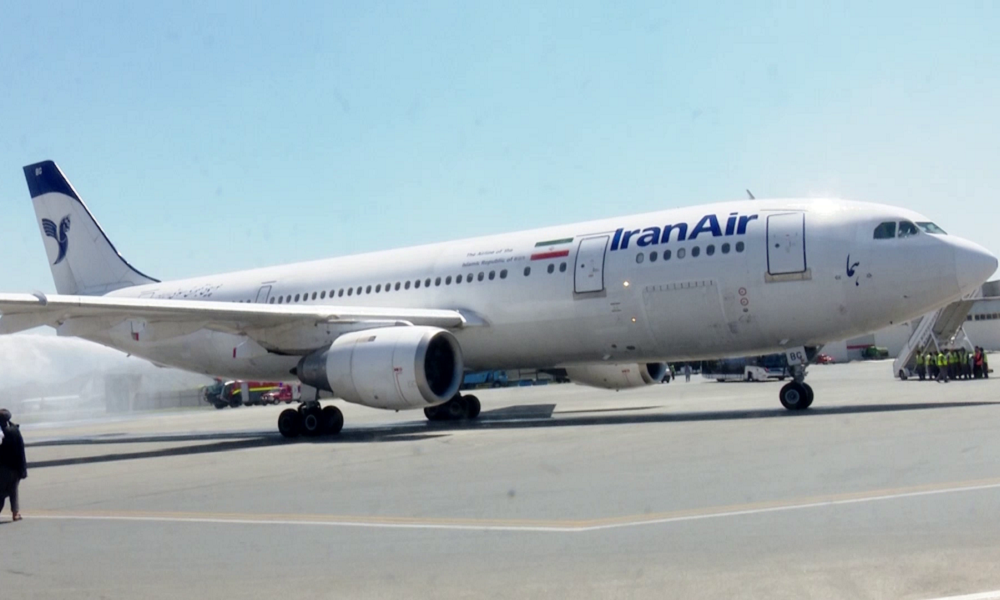
Iran Air starts flights to Kabul
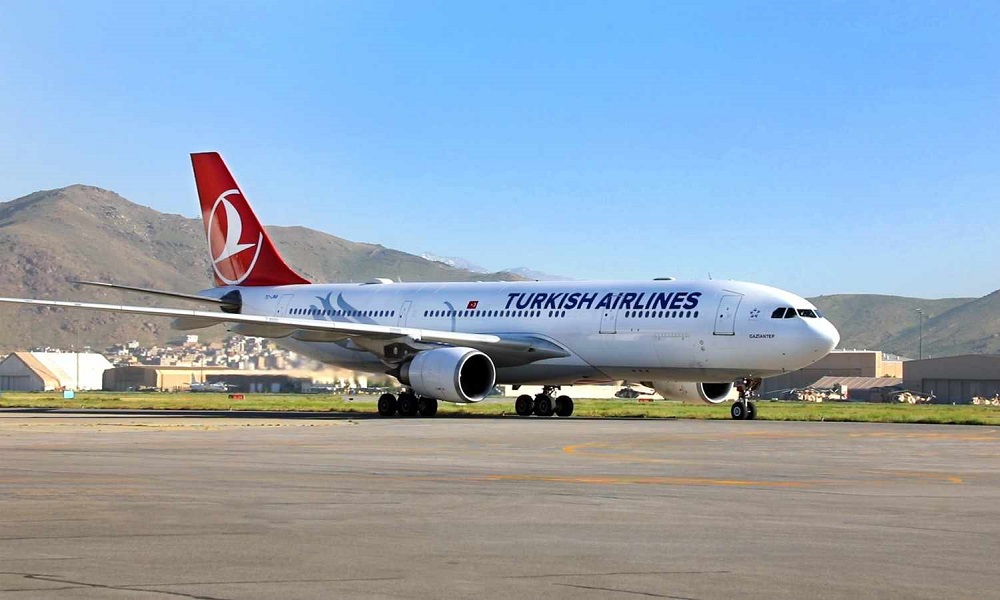
Turkish Airlines resumes flights to Afghanistan after three year hiatus


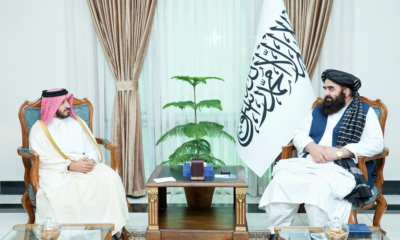




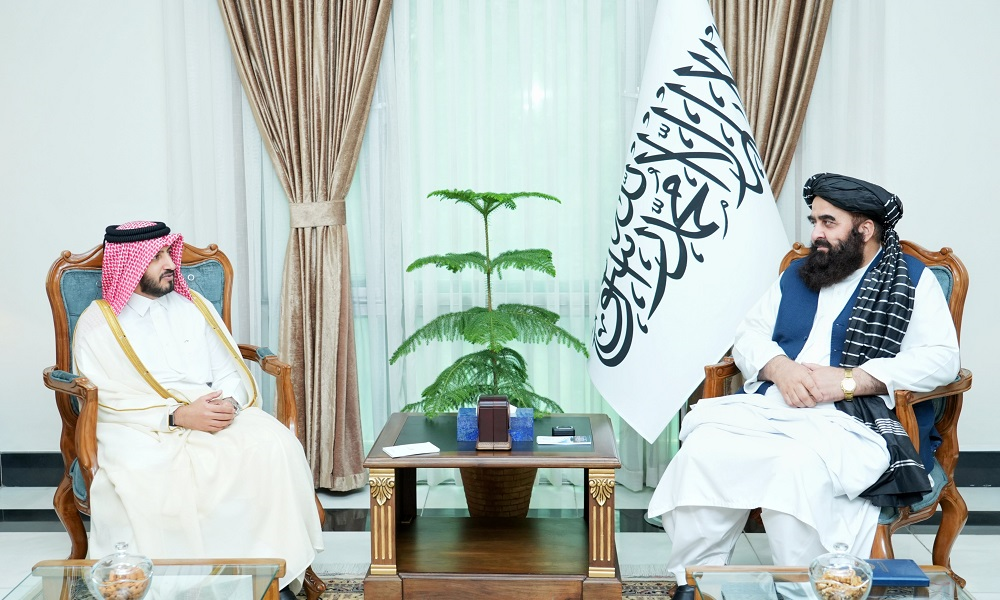
Afghanistan’s Foreign Minister Amir Khan Muttaqi met on Tuesday with Qatar’s ambassador to Kabul, Mirdif Al-Qashouti, to discuss strengthening bilateral relations and expanding Afghanistan’s engagement with the international community.
In a statement, the Ministry of Foreign Affairs said the meeting focused on Qatar’s efforts to facilitate the Islamic Emirate’s engagement with the international community.
Muttaqi welcomed the growing engagement between Afghanistan and the international community and praised Qatar’s role in supporting these efforts.
Meanwhile, Qatar’s ambassador reaffirmed Doha’s commitment to continuing its efforts and described the progress made so far as encouraging.
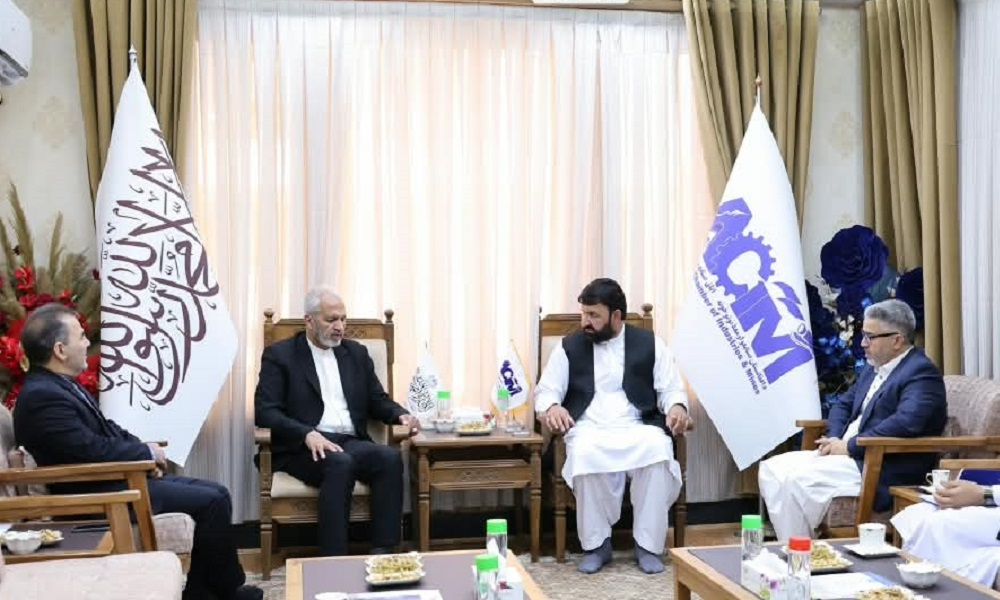
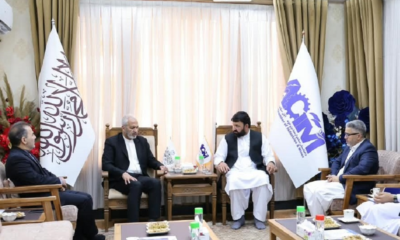
Alireza Bikdeli, Iran’s ambassador to Kabul, met on Tuesday with officials of the Afghanistan Chamber of Industries and Mines to discuss expanding economic relations, joint investment, and strengthening cooperation in the industrial and mining sectors.
During the meeting, Khan Mohammad Khan, deputy for industry at the Afghanistan Chamber of Industries and Mines, highlighted the existing opportunities in Afghanistan’s industrial and mining sectors and called on Iranian investors to make practical investments in these areas.
He said that with suitable opportunities available for industrial growth and the processing of raw minerals in Afghanistan, greater prospects exist for economic cooperation and joint investment with regional countries, particularly Iran.
Meanwhile, Bikdeli said that Iranian investors are showing growing interest in operating in various economic and production sectors in Afghanistan. He also emphasized Iran’s willingness to expand economic relations and bilateral cooperation between the two countries.
At the end of the meeting, he invited officials of the Afghanistan Chamber of Industries and Mines to participate in a mining exhibition scheduled to be held in Iran.

Afghanistan’s Ministry of Information and Culture says BBC radio broadcasts across the country have been suspended due to what it described as “repeated violations.”
Safiullah Raed, head of media monitoring at the ministry, confirmed the suspension, without providing further details.
The BBC has also confirmed that its radio broadcasts have been suspended across Afghanistan. A spokesperson for the broadcaster said it was in contact with officials of the Islamic Emirate to resolve the issue.


Tahawol: Warnings over worsening insecurity in Pakistan discussed

Saar: Concerns over potential return of US military bases to Afghanistan discussed

Afghanistan hold Bangladesh to dramatic draw in Abu Dhabi Test

Muttaqi and Qatar’s envoy discuss Afghanistan’s ties with international community

Afghanistan and Iran stress expanding industrial and mining cooperation

Cricket Bonanza: Afghanistan set for packed international schedule

New warnings reignite debate over AI threat to humanity

UN warns of mounting humanitarian and human rights pressures in Afghanistan

Afghanistan says 28 killed, 32 captured in Nuristan operation

CNN, MS NOW and Politico sue Trump, challenging White House ban
Tahawol: Warnings over worsening insecurity in Pakistan discussed
Saar: Concerns over potential return of US military bases to Afghanistan discussed

Tahawol: Kabul’s criticism of Islamabad’s policy toward Afghanistan

Saar: Pakistan deploying army in KP

Tahawol: EU appointing new envoy for Afghanistan
-

 Regional5 days ago
Trump says US will not attack Iran before midterm elections in November
-
 Latest News4 days ago
Pakistan issues new directives for Afghan medical students and doctors
-

 World5 days ago
Witkoff, Kushner to meet Ukrainians for talks on the war, says US source
-
 Latest News3 days ago
Iranian lawmaker praises Afghanistan’s support, accuses Pakistan of ‘hypocrisy’
-

 Latest News4 days ago
US senator cites Afghanistan visits in Pentagon ‘cover-up’ allegations over Iran war
-
 World4 days ago
US imposes sanctions on ICC amid dispute over international prosecutions
-

 Sport4 days ago
Bangladesh reach 317/8 on Day One against Afghanistan in Test match
-

 Business4 days ago
Iran allocates over 110 hectares in Chabahar for Afghan economic activities