
Latest News
Dozens of Afghan Troops Vanished From Military Training in US Bases

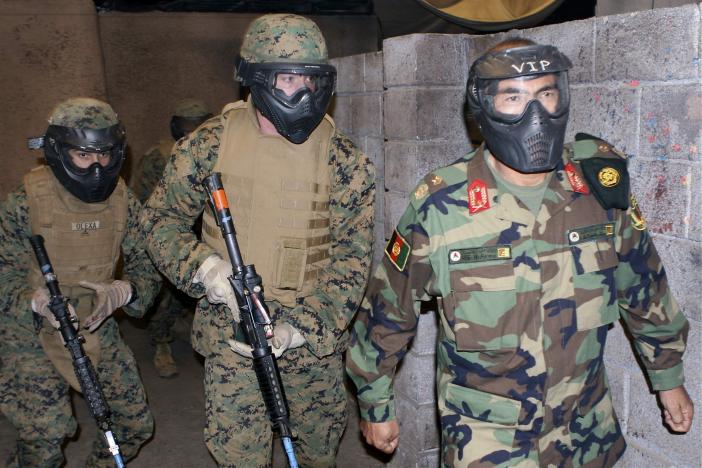
 Forty-four Afghan troops visiting the United States for military training have gone missing in less than two years, presumably in an effort to live and work illegally in America, Pentagon officials said.
Although the number of disappearances is relatively small — some 2,200 Afghan troops have received military training in the United States since 2007 — the incidents raise questions about security and screening procedures for the programs.
They are also potentially embarrassing for U.S. President Barack Obama’s administration, which has spent billions of dollars training Afghan troops as Washington seeks to extricate itself from the costly, 15-year-old war. The disclosure could fuel criticism by supporters of Republican presidential nominee Donald Trump, who has accused the Obama administration of failing to properly vet immigrants from Muslim-majority countries and has pledged a much tougher stance if he wins.
While other foreign troops on U.S. military training visits have sometimes run away, a U.S. defense official said that the frequency of Afghan troops going missing was concerning and “out of the ordinary.”
Since September alone, eight Afghan troops have left military bases without authorization, Pentagon spokesman Adam Stump told Reuters. He said the total number of Afghan troops who have gone missing since January 2015 is 44, a number that has not previously been disclosed.
“The Defense Department is assessing ways to strengthen eligibility criteria for training in ways that will reduce the likelihood of an individual Afghan willingly absconding from training in the U.S. and going AWOL (absent without leave),” Stump said.
Afghans in the U.S. training program are vetted to ensure they have not participated in human rights abuses and are not affiliated with militant groups before being allowed into the United States, Stump said.
The defense official, who spoke on condition of anonymity, added there was no evidence any of those who had absconded had carried out crimes or posed a threat to the United States.
The Afghan army has occasionally been infiltrated by Taliban militants who have carried out attacks on Afghan and U.S. troops, but such incidents have become less frequent due to tougher security measures.
Trump, whose other signature immigration plan is to build a wall on the U.S.-Mexico border, has proposed a temporary ban on Muslims seeking to enter the country, and has said that law enforcement officers should engage in more racial profiling to curb the threat of attacks on American soil.
After Omar Mateen, whose father was born in Afghanistan, killed 49 people at a gay nightclub in Orlando in June, Trump said an immigration ban would last until “we are in a position to properly screen these people coming into our country.”

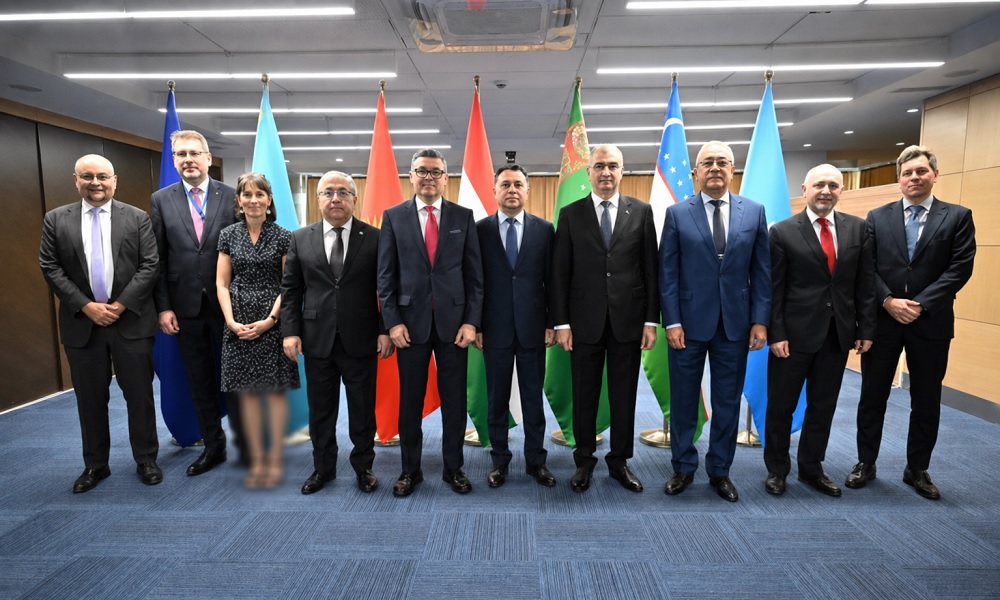
Representatives from the European Union, Central Asian states, and the United Nations gathered on Monday in Kazakhstan’s Almaty for high-level discussions aimed at strengthening coordination on Afghanistan, with an emphasis on regional stability, connectivity, and long-term socio-economic development.
The meeting, the eighth session of EU and Central Asian Special Representatives on Afghanistan, brought together delegations from Kazakhstan, the Kyrgyz Republic, Tajikistan, Turkmenistan, Uzbekistan, alongside the EU and the UN, according to Kazakhstan’s Foreign Ministry press service. Participants reviewed recent developments in Afghanistan and assessed their implications for regional security, stressing the importance of unified international engagement.
A central focus of the talks was the development of transport and transit corridors through Afghanistan to boost trade links between Central and South Asia and expand connectivity with Europe. Kazakhstan reaffirmed its commitment to diplomatic solutions, confidence-building measures, and cooperation under the framework of the United Nations.
The country also reiterated its support for humanitarian and educational initiatives in Afghanistan, as well as broader efforts to deepen regional economic integration. The United Nations’ role in coordinating international assistance was highlighted, particularly through the UN Regional Centre for Sustainable Development Goals for Central Asia and Afghanistan based in Almaty.
Delegates described Almaty as an increasingly important hub for multilateral dialogue, reaffirming their shared commitment to continued cooperation aimed at promoting peace, stability, and development across the wider region.
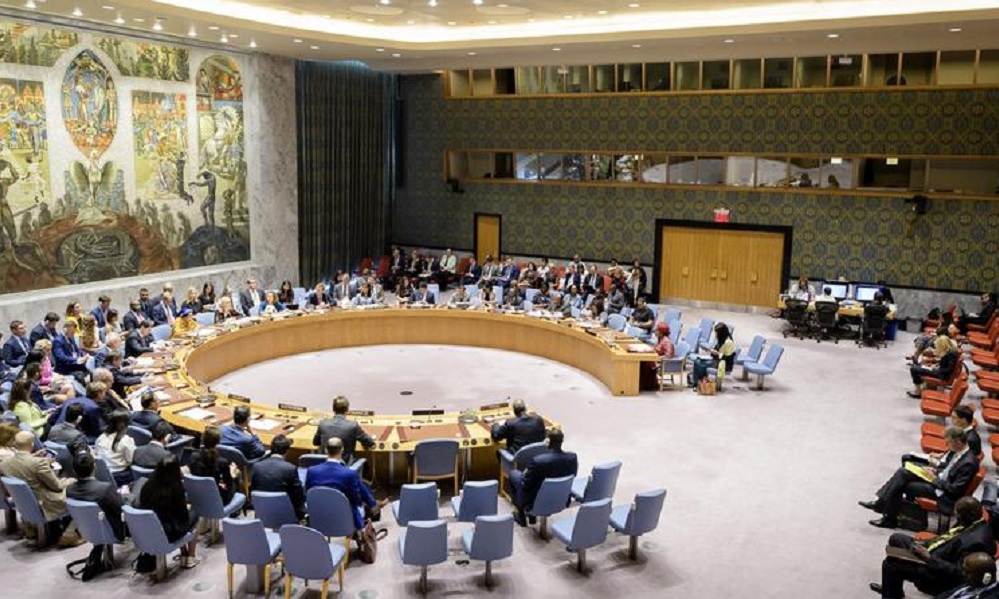
The United Nations Security Council has unanimously renewed the mandate of the United Nations Assistance Mission in Afghanistan (UNAMA) for another year, with major powers using the occasion to outline their priorities and expectations for Afghanistan’s future.
All 15 members of the Security Council voted in favor of the resolution, reaffirming support for UNAMA’s role in coordinating international assistance, supporting dialogue, promoting human rights, and engaging with Afghan authorities.
Speaking after the vote, Ambassador Jennifer Locetta, the United States’ Alternative Representative for Special Political Affairs, praised UNAMA’s work under challenging circumstances.
“UNAMA’s valuable reporting informs this Council’s decisions on Afghanistan, where the situation remains dire,” Locetta said. “UNAMA’s efforts to address the humanitarian crisis and to support dialogue have the potential to promote peace and security.”
She welcomed the strategic review of the mission mandated by the resolution and called for the swift appointment of a new UN Special Representative for Afghanistan. Locetta also stressed that the Islamic Emirate must fulfill their international commitments.
“The Taliban must meet their counterterrorism commitments, respect Afghanistan’s international obligations, end hostage diplomacy, and cease their unconscionable abuses of the human rights of women and girls,” she said.
Russia also backed the resolution, with Anna Evstigneeva, Russia’s Chargé d’Affaires ad interim to the United Nations, emphasizing support for Afghanistan’s economic development and humanitarian needs.
“We have adopted a collective document that emphasizes support for the Afghan people in building a peaceful and prosperous Afghanistan, free from terrorism and narcotics,” Evstigneeva said.
While supporting a strategic review of UNAMA, she warned against using the process to reshape the mission according to Western priorities.
“It is unacceptable to use this review as a tool to transform UNAMA into a ‘watchdog’ serving the interests of Western States that recklessly withdrew from the country in 2021,” she stated.
Evstigneeva further stressed the importance of engagement with Afghan authorities, saying that “building lasting peace in the country is impossible without a viable approach focused on Afghanistan’s subsequent international reintegration.”
China, which serves as the Security Council’s penholder on Afghanistan, said the resolution reinforces UNAMA’s central role while helping the mission adapt to changing realities on the ground.
Addressing the Council, China’s representative said the resolution “maintains and strengthens UNAMA’s core mandates, including coordinating international assistance, providing outreach and good offices, and promoting the protection of human rights.”
China also voiced concern over Afghanistan’s humanitarian and economic challenges and called for increased international assistance.
“We call on relevant countries to return the assets of Afghanistan’s Central Bank as soon as possible and lift the illegal unilateral sanctions imposed on Afghanistan,” the Chinese representative said.
The resolution reiterates concern over the humanitarian situation, economic hardship, terrorism, and the rights of women and girls in Afghanistan. It also requests UN Secretary-General António Guterres to conduct a strategic assessment of UNAMA and submit recommendations on the mission’s future direction by the end of March next year.
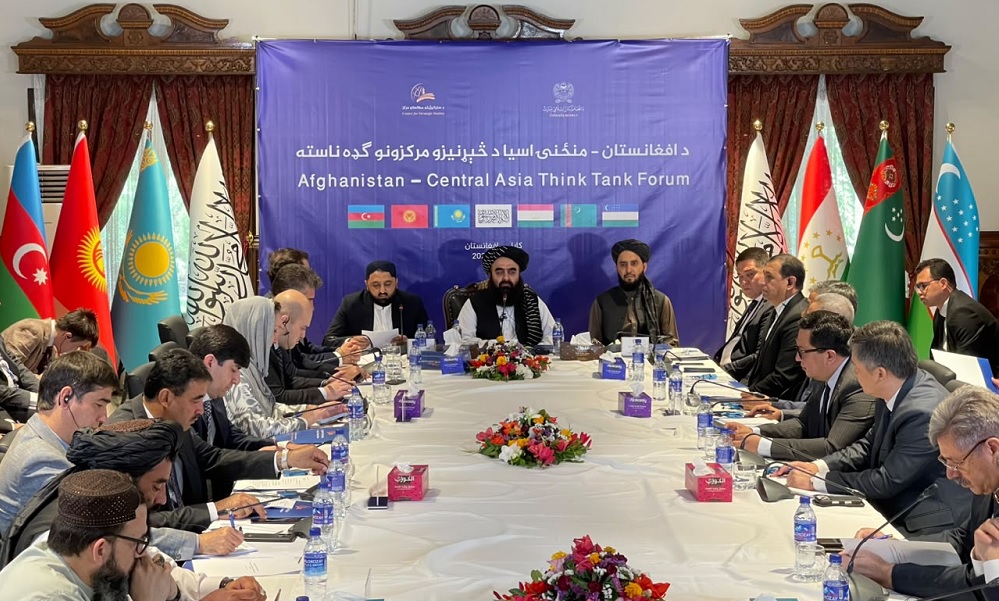
Afghanistan’s Foreign Minister Amir Khan Muttaqi has welcomed the recent agreement between Iran and the United States, expressing hope that it will be fully implemented and contribute to regional stability.
Speaking on Tuesday at Afghanistan-Central Asia Think Tank Forum in Kabul, Muttaqi said the implementation of the agreement would represent a positive development for the region.
He stressed that war and conflict harm all countries in the region, while peace and stability benefit not only regional states but the wider international community as well.
Turning to Afghanistan’s regional relations, Muttaqi said ties between Afghanistan and the countries of Central Asia, including Azerbaijan, have expanded significantly in recent years through a pragmatic, opportunity-driven, and cooperation-based approach.
He described research institutions and think tanks as more than academic bodies, saying they can serve as intellectual partners in regional diplomacy by providing practical and research-based solutions for managing disputes and strengthening regional integration.
Muttaqi expressed hope that the conference would mark the beginning of a new phase of research cooperation, fostering academic dialogue, the exchange of views, joint knowledge production, and the identification of new opportunities for collaboration across the region.
He added that Afghanistan shares deep religious, cultural, historical, and geographical ties with Central Asian countries and believes that a stable, prosperous, and secure future for the region can only be achieved through cooperation, mutual trust, regional connectivity, and a shared understanding of collective interests.
The remarks come as Kabul continues to seek closer political and economic engagement with its Central Asian neighbors, with regional cooperation increasingly viewed as a key component of economic development and long-term stability.


EU, Central Asian representatives meet in Kazakhstan to discuss Afghanistan cooperation

Global powers voice expectations for Afghanistan as UNAMA secures one-year extension

Afghan FM welcomes Iran-U.S. agreement to end war

Fazlur Rehman urges Pakistan to pursue reconciliation with Afghanistan

US Air Force B-52 bomber crashes in flames in California, killing all 8 crew aboard

Norway’s Viking-inspired World Cup team photo goes viral

Afghanistan announce squad for India series

Afghanistan, Russia sign military cooperation agreement

Major pharma firms eye investment in Afghanistan

Afghanistan expands oil production as investment in Amu Darya fields grows

Tahawol: US and Iran’s preliminary agreement to end war

Saar: UNSC meeting on Afghanistan

Tahawol: Pakistan PM defending Durand Line fencing

Saar: Afghanistan-Pakistan tensions discussed

Saar: Possible agreement between Iran and US discussed
-

 Sport5 days ago
Afghanistan A edge India A by four runs in rain-hit Tri-Nation opener
-
 Regional2 days ago
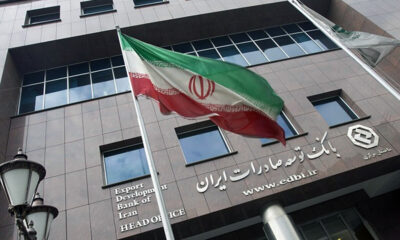
Iran banks hit by major cyber attack
-

 International Sports5 days ago
Mexico and South Africa set to open historic 2026 World Cup
-
 Latest News4 days ago
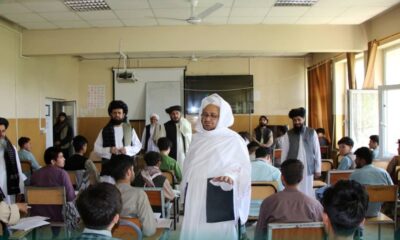
Final round of 1405 Kankor exam concludes in Afghanistan
-
 Latest News3 days ago
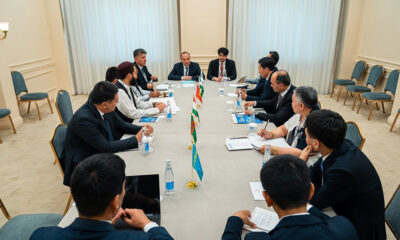
Central Asia–Afghanistan dialogue underscores regional connectivity and stability
-

 Regional5 days ago
At least 15 killed, dozens injured as protests rock Pakistan-administered Kashmir
-

 Business4 days ago
New Kabul city project faces delays as officials call for greater oversight
-
 Latest News2 days ago
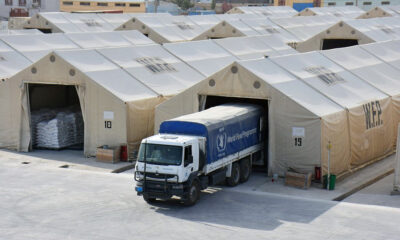
WFP navigates complex route to deliver emergency food aid to Afghan schoolchildren