
Latest News
EITI: Afghanistan achieves transparency despite barriers

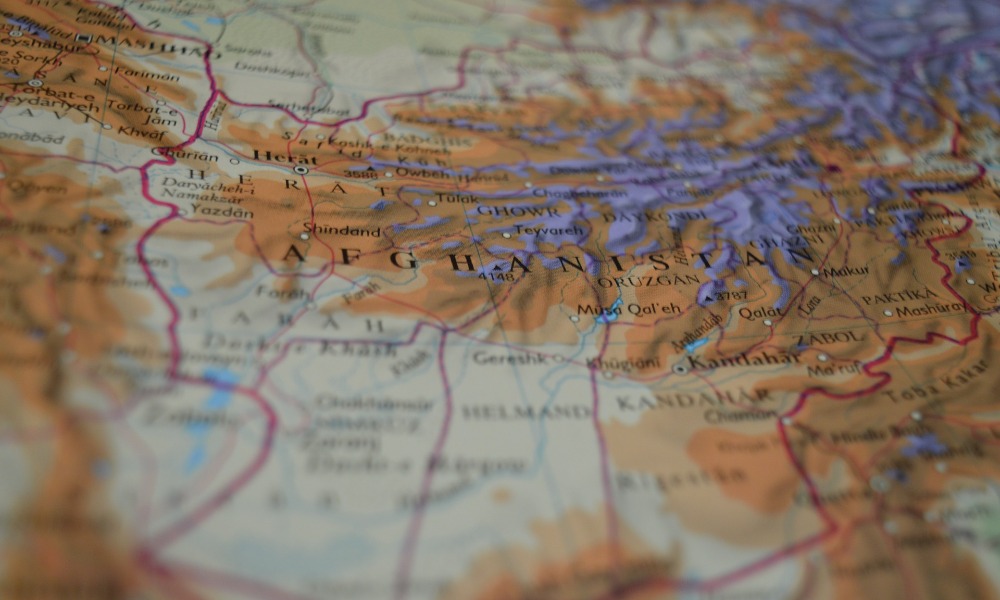
Following its second Validation, Afghanistan has made meaningful progress in implementing the Extractive Industries Transparency Initiative (EITI) Standard.
Afghanistan has been a member of the Extractive Industries Transparency Initiative since 2010, but its membership in the organization was suspended due to its inadequate implementation in 2014 and 2017.
The Extractive Industries Transparency Initiative (EITI) in a statement on Thursday said that Afghanistan has improved its transparency of licenses and contracts, state-owned enterprises and quasi-fiscal expenditures. As a result, Afghanistan’s temporary suspension has been lifted.
EITI board congratulates Afghanistan for addressing shortcoming identified in its first validation through systematic disclosures of data delivered by concrete reforms in government systems.
Afghanistan’s President Ashraf Ghani noted the important role the EITI plays in the country. “Every citizen has the right to know who is developing the country’s natural resources and how the government is managing the revenues from these industries on their behalf,” he said. “The EITI is one of the tools that is helping us achieve this policy objective. It has been instrumental in supporting our institution-building efforts in a sector critical to the economic future of Afghanistan.”
The Ministry of Mines and Petroleum announced Thursday that Afghanistan has rejoined the Extractive Industries Transparency Initiative (EITI).
Building transparent institutions and systems
Afghanistan’s government has embraced open data platforms, establishing online reporting systems to enhance transparency of extractive sector management and to address shortcomings identified in its first Validation. This has been achieved in an evolving political environment marked by presidential elections in 2019 and intra-Afghan peace negotiations in 2020. The World Bank underscored the EITI’s value in driving public finance management reforms in a context of fragility and violence.
In 2018, the Ministry of Mines and Petroleum (MOMP) launched a new Transparency Portal, providing information on licenses, fiscal terms, legal and beneficial ownership information, production data and non-tax company payments to government. Since then, the portal has become even more comprehensive.
Taking action to improve accountability
State-owned enterprises (SOEs) are important players in Afghanistan’s extractive sector, accounting for nearly two thirds of government extractive revenues between 2008 and 2017. Two SOEs – Afghan Gas Enterprise and North Coal Enterprise – are strategic for the government’s plans to improve revenue generation from the sector.
In 2019, Afghanistan undertook the landmark achievement of auditing the two SOEs for the first time. This exercise highlighted gaps in the SOEs’ record-keeping and financial management, and was a necessary step in the government’s plans to corporatise the enterprises. Moving forward, the government will need to ensure auditing becomes regular practice, drawing on EITI support to follow-up on findings.
Afghanistan’s government has legislated for beneficial ownership information to be made public for mining, oil and gas licenses. The country began publishing ownership data on its Transparency Portal earlier this year. Yet more work needs to be done to ensure that all beneficial owners are publicly disclosed, including politically-exposed persons and owners who control companies through non-equity means.
Strengthening multi-stakeholder oversight
EITI Board Chair Helen Clark commented on the significance of Afghanistan’s recent progress. “Afghanistan has made concrete achievements in improving transparency despite challenging circumstances,” she said. “The priority should be to draw on this emerging transparency for policy-making in the sector. This is key to broader economic development efforts and ensuring that all citizens have an opportunity to engage in debate on the governance of the sector.”
Data from EITI reporting – spanning several legislative changes and wide commodity price fluctuations over the past decade – provides a key resource to support further research and analysis. But despite proactive dissemination efforts, including in provincial capitals, there is a lack of data use by diverse stakeholders.
Yet an initiative by Integrity Watch Afghanistan stands out. The civil society organisation is expanding its community-based monitoring programme to include extractive activities, empowering host communities to track the impacts of extractive projects in their areas. Stronger engagement in EITI implementation by government, industry and civil society could lead to more such innovations.
Afghanistan’s informal mining sector is one area where there is a high demand for data. While the government collects USD 45m a year in mining revenue, it is estimated that more than six times that amount is being lost through unmonitored, small-scale mining activities. There is strong interest, particularly from civil society, to use EITI reporting to shed more light on unrecorded mining and support efforts to formalise the sector.
According to EITI Afghanistan will have 18 months (28 April 2022) to address the remaining five “Corrective actions” in its implementation of the EITI Standard.
The Afghan Ministry of Mines and Petroleum said that the ministry renewing its commitment to implement the corrective actions of the Extractive Industries Transparency Initiative.
The Extractive Industries Transparency Initiative is an international organization that ensures transparency in the country’s mines, gas and oil.






Latest News
IEA condemns approval of death penalty law for Palestinian prisoners by Israeli parliament
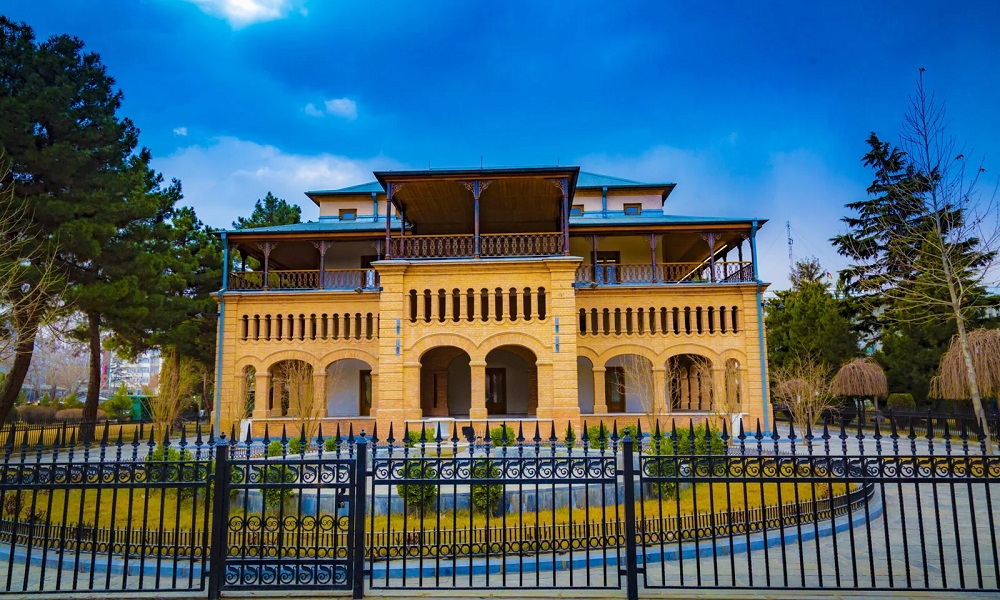
The Ministry of Foreign Affairs of the Islamic Emirate of Afghanistan has strongly condemned the decision of the Israeli Parliament, which paves the way for issuing death sentences against Palestinian prisoners.
In a statement, the Ministry of Foreign Affairs of the Islamic Emirate said: “This action is a continuation of repeated injustices, a clear violation of the fundamental rights of the Palestinian people, and contrary to the principles of justice and human rights. It discriminately targets an oppressed nation.”
The Islamic Emirate has called on international organizations to take necessary and urgent measures to prevent such actions.
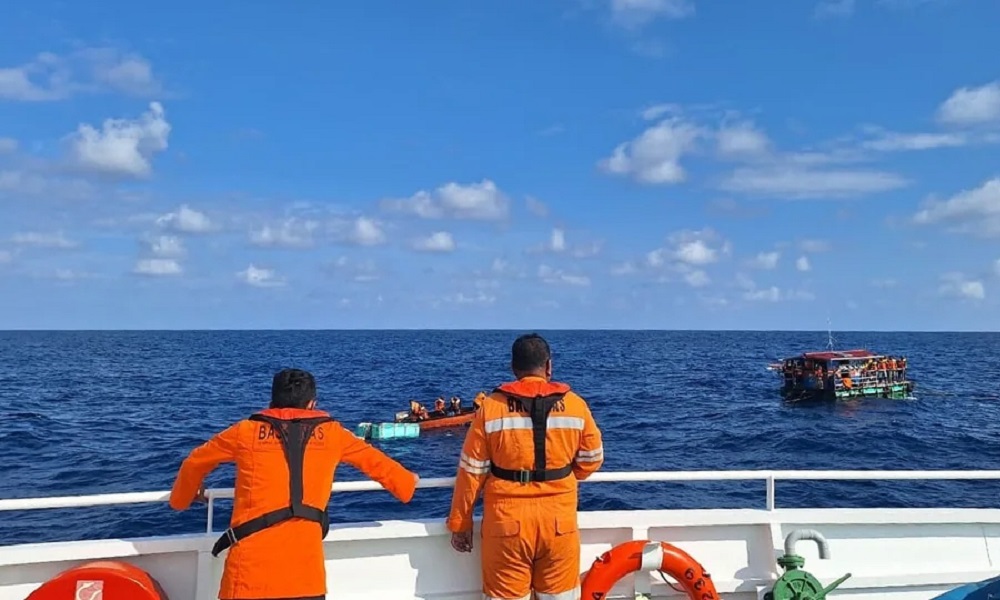
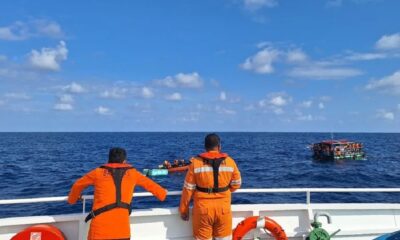
At least 19 Afghan migrants, including a baby, have died after a speedboat capsized in the Aegean Sea off the coast of Bodrum, Turkish authorities said on Wednesday.
According to the Turkish Coast Guard Command, the vessel was carrying dozens of migrants when it ignored repeated orders to stop and attempted to flee at high speed despite rough sea conditions. The boat later began taking on water before overturning.
Rescue operations were launched immediately, with teams supported by a helicopter from Izmir. Authorities said 20 migrants were rescued from the water, while 18 bodies were initially recovered at the scene. One more person later died in hospital, bringing the death toll to 19.
Search efforts are ongoing for at least one individual still reported missing.
Officials confirmed that all those on board were Afghan nationals. Idris Akbiyik, governor of Muğla province, said the victims included a baby.
Dangerous migration route
The incident occurred along one of the most frequently used—and perilous—migration routes into Europe. The nearby Greek island of Kos lies just about 20 kilometres from Bodrum, making it a common destination for migrants attempting to reach the European Union.
Other islands in close proximity include Kalymnos, Leros and Symi, all part of a corridor frequently used by people fleeing conflict, instability and economic hardship across the Middle East, Asia and Africa.
Turkey remains a major transit point for migrants seeking entry into Europe, with many attempting the short but dangerous sea crossing in overcrowded or unseaworthy boats. Despite increased patrols and enforcement efforts, such journeys often take place in poor weather or under risky conditions, frequently resulting in fatal accidents.
The latest tragedy highlights the ongoing risks faced by migrants on this route, as well as the continued pressure on coastal authorities managing search and rescue operations in the region.
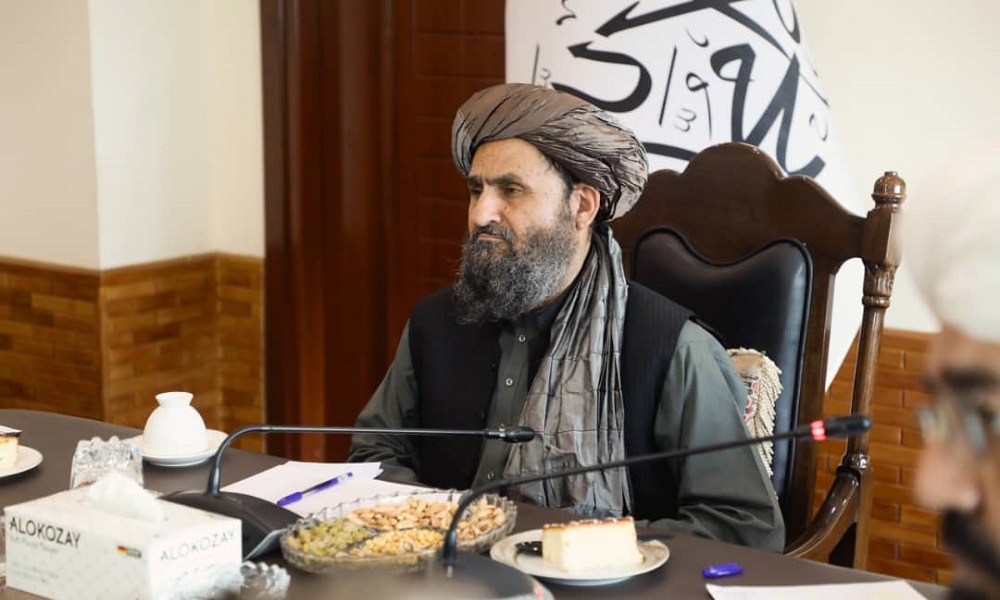
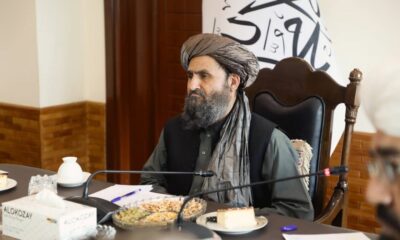
In a regular meeting of the National Procurement Commission chaired by Mullah Abdul Ghani Baradar, the Deputy Prime Minister for Economic Affairs, 17 projects worth more than one billion AFN were approved.
According to a statement from the deputy PM’s office, a total of 42 projects were presented for approval during the meeting. After discussion, 17 projects valued at over one billion AFN were approved, while modifications were made to 14 other projects.
The approved and amended projects include the construction of a dormitory building at Panjshir University; the construction of a medical faculty building at Badakhshan University; the completion of the first and second phases of the Kunar–Nuristan Road; the construction of general hospitals in Giro district of Ghazni province, Bandar district of Faryab province, and Spin Ghar district of Nangarhar province; as well as electricity supply and distribution projects across various provinces.
These projects are funded by the Islamic Emirate of Afghanistan.


Tahawol: Ongoing US–Israeli war with Iran discussed

Saar: Afghanistan-Pakistan talks in China discussed

IEA condemns approval of death penalty law for Palestinian prisoners by Israeli parliament

19 Afghan migrants killed as boat capsizes off Turkish coast

Iraq seal final spot as FIFA World Cup 2026 line-up confirmed

Prominent Muslim scholar issues fatwa calling for Afghanistan-Pakistan ceasefire

IEA Supreme Leader issues Eid-ul-Fitr message urging unity and support for Islamic system

14 Pakistani soldiers killed after military post falls along Durand line: MoD

Ronaldo’s private jet flies out of Saudi Arabia following US Embassy drone strike in Riyadh

Afghanistan steps in to replace Iran in supplying fruits and vegetables to Russia
Tahawol: Ongoing US–Israeli war with Iran discussed
Saar: Afghanistan-Pakistan talks in China discussed

Tahawol: Escalation of conflict in Middle East discussed

Saar: Formation of Jirga in Khyber Pakhtunkhwa

Tahawol: Pakistani military shelling in Kunar
-
 Latest News3 days ago
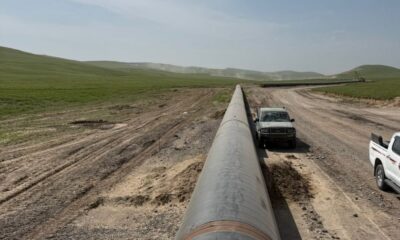
TAPI gas pipeline advances 25 km in Afghanistan
-
 Latest News5 days ago
Afghan defense forces stand ready to protect national sovereignty: MoD
-

 International Sports4 days ago
Injury concerns mount ahead of FIFA World Cup 2026 as stars sidelined
-
 Business4 days ago
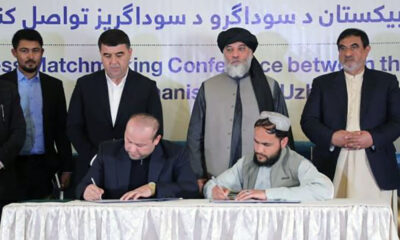
Afghanistan, Uzbekistan ink $514.8 million deals to deepen trade ties
-
 Latest News4 days ago
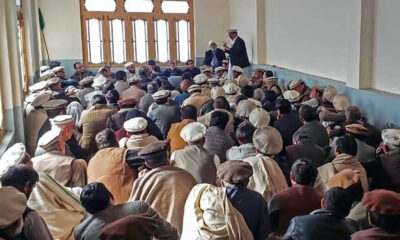
Peshawar to host key Pakistan-Afghanistan peace jirga amid ongoing tensions
-
 Latest News4 days ago
US report flags continued presence of anti-India militant groups in Pakistan
-

 Latest News5 days ago
US regime change efforts in Afghanistan ended in failure, says Merz
-

 Business3 days ago
Afghanistan opens doors to agribusiness investments amid rising opportunities