
Latest News
First winter snowfall blankets Kabul
Many residents have welcomed the snowfall as a sign of blessing and mercy, expressing happiness at the long-awaited change in weather.

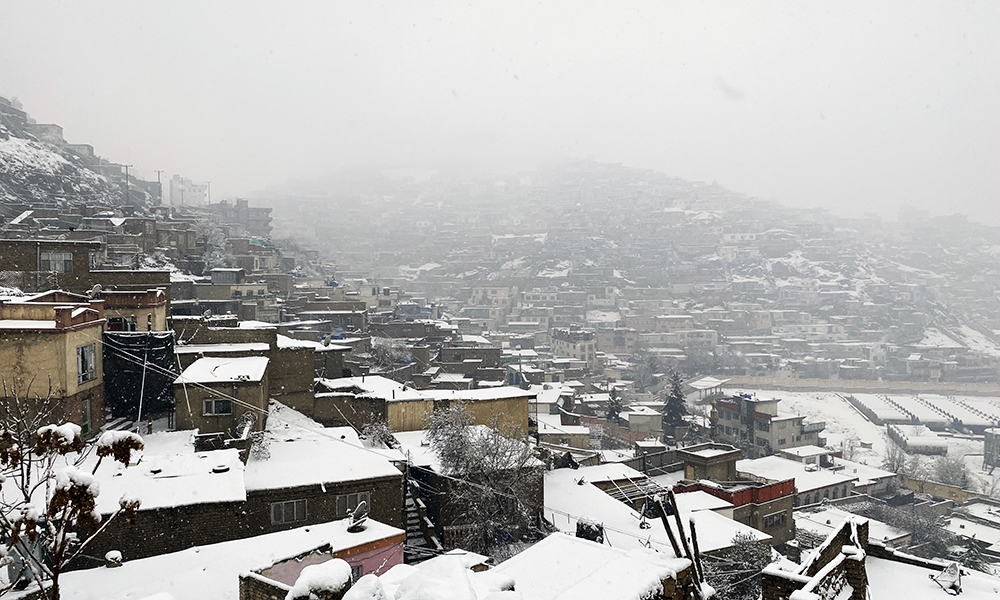
The first snowfall of the winter season has brought joy and renewed hope to residents of Kabul.
From the early hours of Thursday morning, soft white snowflakes gently settled over the city, transforming its landscape and creating a calm and cheerful atmosphere.
Many residents have welcomed the snowfall as a sign of blessing and mercy, expressing happiness at the long-awaited change in weather.
As the snow began to fall, young people and children took to the streets with excitement, enjoying moments of freedom and joy under the wintry sky.
In recent years, declining precipitation has been a major concern for Kabul residents more than in any other province, as worsening air pollution, falling groundwater levels, and fears of a severe future water crisis have grown.
Despite these concerns, the snowfall has rekindled optimism among many, raising hopes for improved environmental conditions and better water resources in the Afghan capital.




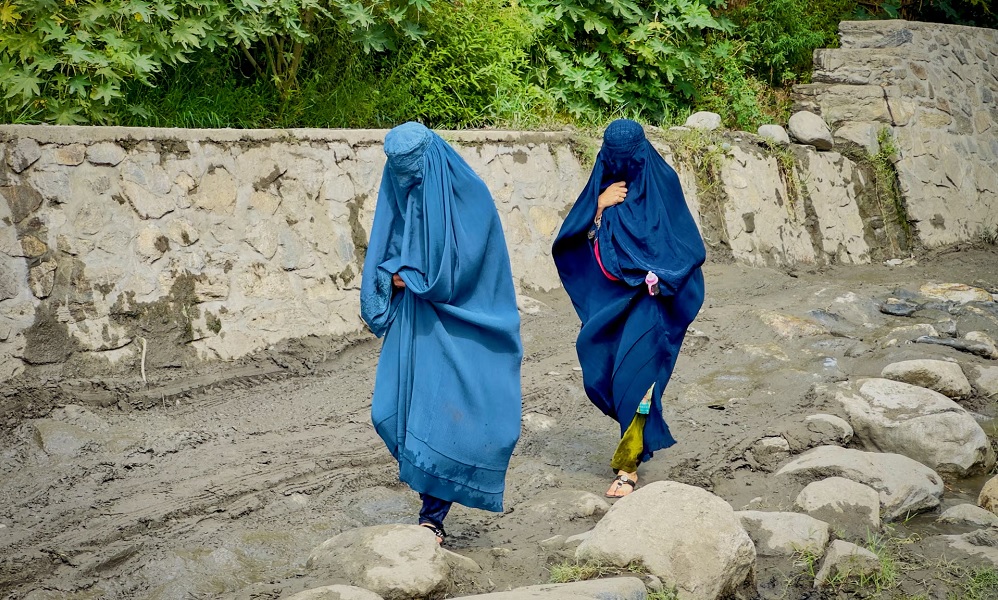
Despite what it called a humanitarian “disaster” in Afghanistan, the U.S. said on Monday international assistance to the country should be evaluated, given IEA “intransigence” and its exclusion of the female population from basic rights.
Speaking to a U.N. Security Council meeting on Afghanistan, the U.S. ambassador to the United Nations, Mike Waltz, noted that the budget for the United Nations Assistance Mission in Afghanistan (UNAMA), the mandate of which is up for renewal next week, is the largest of any special U.N. mission in the world.
“In light of the Taliban’s (IEA) intransigence, we must carefully evaluate the utility of international assistance and engagement in Afghanistan,” Waltz said, even as he highlighted an ongoing “humanitarian disaster” there.
“This council must consider carefully the funds we collectively provide for this mission’s budget, when the mission’s female national staff are not even able to go into the office to work,” he added.
The Islamic Emirate has previously said that its policies on women are based on the Islamic law.
Afghanistan faces one of the world’s most pressing humanitarian crises.
According to the U.N. World Food Programme, more than 17 million Afghans – or one-third of the population – are facing acute food shortages, including 4.7 million facing emergency levels of hunger.
The temporary head of UNAMA, Georgette Gagnon, told the meeting Afghanistan had “urgent” humanitarian needs and the humanitarian crisis there had worsened due to funding cuts. She said humanitarian agencies aimed to assist 17.5 million Afghans in 2026 through an appeal for $1.71 billion, but this was currently only 10% funded.
Gagnon said Afghanistan’s nearly two-week conflict with Pakistan had had “punishing human and economic costs” and the Iran war on its other border was causing prices of basic commodities to rise.
She said some positive developments showed the value of international engagement, including the IEA ban on opium poppy cultivation. She warned that if rights and humanitarian issues were not dealt with, Afghanistan could “once again become a driver of regional and global instability in the form of outmigration, terrorism, narcotics and more.”
Latest News
UN warns of possible surge in Afghan returnees from Iran
Deputy UNHCR spokesperson Faramarz Barzin said the organization is closely monitoring the situation while prioritizing the protection of vulnerable returnees.
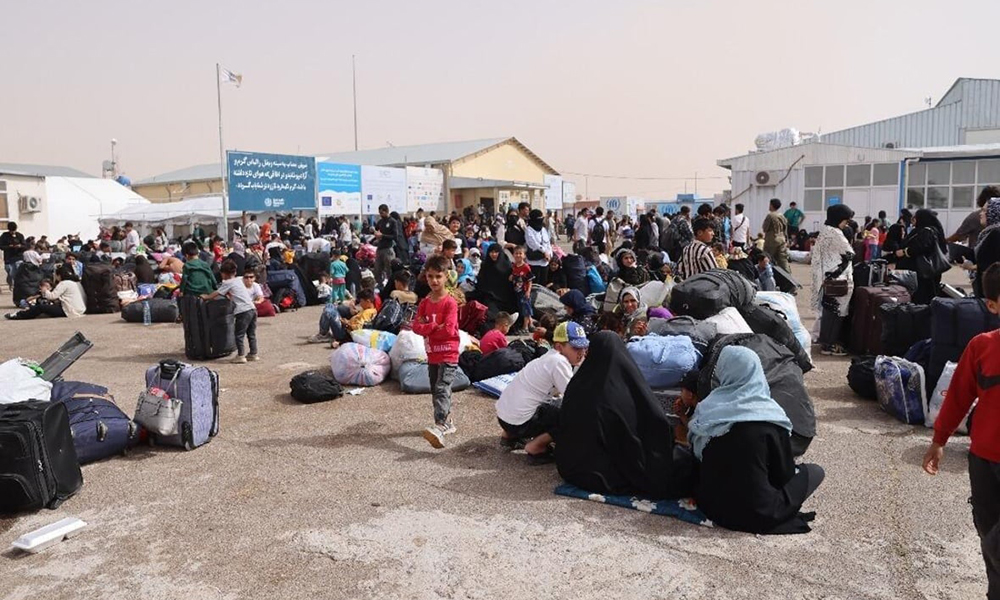
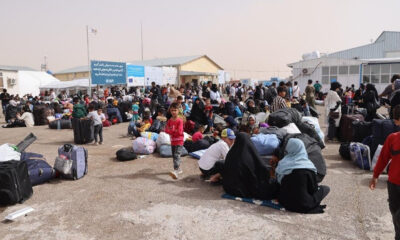
The United Nations has expressed concern over a potential increase in Afghan migrants returning from Iran, warning that many could face heightened vulnerability upon arrival in Afghanistan.
The United Nations High Commissioner for Refugees (UNHCR) said its primary concern remains the safety and protection of Afghan returnees, particularly as regional tensions continue to affect migrant communities.
According to the agency, there has not yet been a significant rise in the number of Afghans returning from Iran despite ongoing instability and conflict in the wider region. However, UNHCR said it is preparing for the possibility of a sudden influx.
The agency noted that contingency measures are already being put in place at key border crossings, including Islam Qala, to ensure that humanitarian assistance can be delivered quickly if return numbers increase.
UNHCR said it is currently providing a range of support services for Afghans returning from Iran, including cash assistance, protection services, temporary shelter, healthcare and registration.
Deputy UNHCR spokesperson Faramarz Barzin said the organization is closely monitoring the situation while prioritizing the protection of vulnerable returnees.
“Our primary concern continues to be the safety and protection of Afghan returnees, who are particularly vulnerable under the current circumstances,” Barzin said.
“Although we have not yet observed a significant increase in returns from Iran, UNHCR is actively preparing for the possibility of a rise in arrivals.”
He added that precautionary measures are already underway at major border crossings, particularly at Islam Qala, to ensure rapid assistance if the number of returnees grows.
The warning comes as humanitarian organizations report continued forced or pressured returns of Afghan migrants from both Iran and Pakistan, a trend that could further strain Afghanistan’s already fragile humanitarian situation.
UNHCR said it is working closely with international partners to monitor developments and adapt its response to meet the needs of vulnerable groups, including women, children and people at heightened risk.
Many Afghan migrants return under pressure from host countries or due to fears linked to regional tensions. Once back in Afghanistan, many face significant challenges, including poverty, unemployment and a lack of adequate housing.
Latest News
Malaysian Red Crescent urges respect for humanitarian law in Middle East conflicts
MRCS National Chairman Tan Sri Tunku Puteri Intan Safinaz Sultan Abdul Halim Mu’adzam Shah stressed the importance of allowing humanitarian organizations to operate without obstruction.
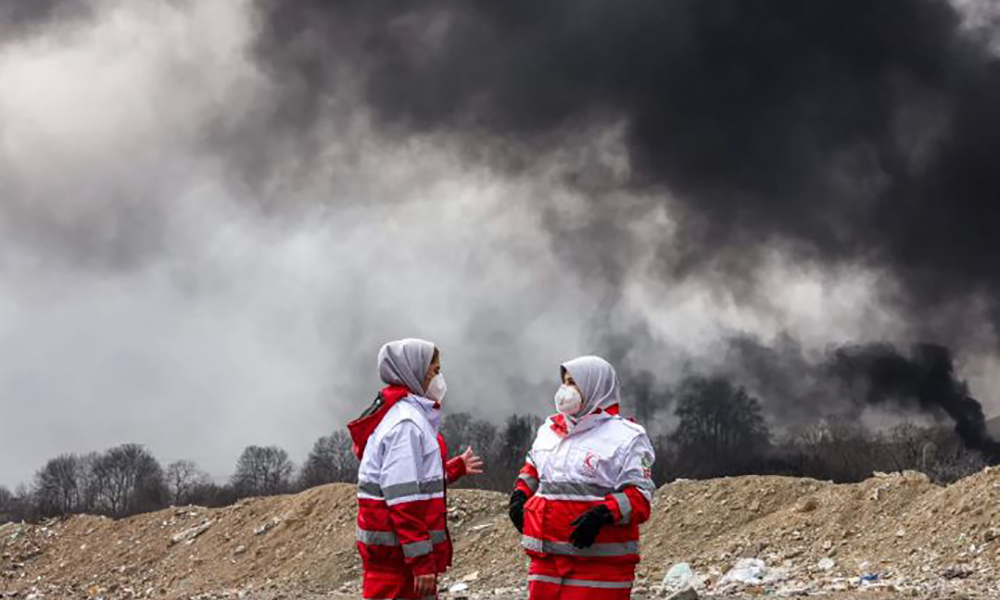
The Malaysian Red Crescent Society (MRCS) has called on all parties involved in conflicts across the Middle East and in rising tensions between Afghanistan and Pakistan to respect international humanitarian law and ensure the protection of civilians and aid workers.
In a statement issued in Kuala Lumpur, the organization warned that escalating military operations risk worsening the humanitarian situation for vulnerable communities already affected by violence and instability.
MRCS echoed concerns raised by the International Committee of the Red Cross (ICRC), which has cautioned that increased hostilities pose a serious threat to civilians caught in conflict zones.
The society reminded all parties of their obligations under international humanitarian law to safeguard non-combatants, medical workers, and essential infrastructure such as hospitals and health facilities.
Red Cross and Red Crescent teams continue to provide humanitarian assistance in affected areas wherever access is possible.
Their work includes delivering emergency medical care, supporting communities in crisis, and strengthening local preparedness for further humanitarian challenges.
The International Federation of Red Cross and Red Crescent Societies (IFRC) is also coordinating with national societies across the region to monitor urgent humanitarian needs and support relief operations.
MRCS National Chairman Tan Sri Tunku Puteri Intan Safinaz Sultan Abdul Halim Mu’adzam Shah stressed the importance of allowing humanitarian organizations to operate without obstruction.
“Our thoughts and prayers are with all those affected by this conflict,” she said in the statement.
She urged all parties to respect international humanitarian law, protect civilians, and allow humanitarian teams to deliver urgently needed assistance without interference.
MRCS also emphasized that civilians, humanitarian personnel, public infrastructure, and the Red Cross and Red Crescent emblem must be respected and protected at all times under international law.


Iran says oil blockade will continue until attacks end, Trump threatens to hit harder

US says UN aid to Afghanistan needs evaluation

Tahawol: International Reactions to Iran’s Newly Appointed Leader

UN warns of possible surge in Afghan returnees from Iran

Saar: UN Security Council Meeting on Afghanistan discussed

Pakistani military jet downed in Afghanistan’s Jalalabad, pilot captured alive

Afghan Air Force conducts airstrikes in Islamabad, other cities

IEA releases three Pakistani soldiers to mark Ramadan

Afghanistan’s Chief of Armed Forces underscores readiness and equipment for national defense

Afghanistan welcomes investment and technology partnerships with India
Tahawol: International Reactions to Iran’s Newly Appointed Leader
Saar: UN Security Council Meeting on Afghanistan discussed

Tahawol: Iran’s war with America and Israel discussed

Saar: Key Daesh member killed in Pakistan

Tahawol: Upcoming UNSC meeting on Afghanistan discussed
-

 Latest News3 days ago
Prominent Muslim scholar issues fatwa calling for Afghanistan-Pakistan ceasefire
-

 Business3 days ago
Afghanistan steps in to replace Iran in supplying fruits and vegetables to Russia
-
 Business5 days ago
Ministry of Public Works: Railway transport operating smoothly across all ports
-
 Latest News2 days ago
International Women’s Day: Khalilzad urges IEA to allow girls’ education
-
 Sport5 days ago
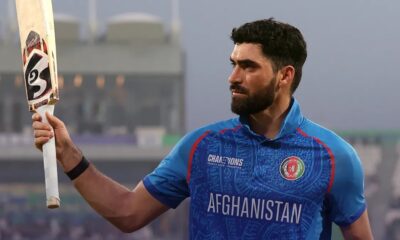
ACB names squads for white-ball series against Sri Lanka; Ibrahim Zadran appointed T20I captain
-
 Latest News2 days ago
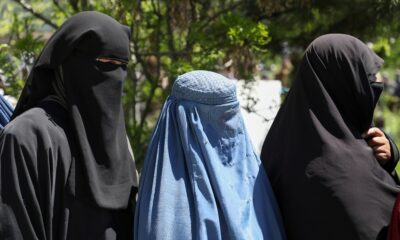
Afghanistan’s Virtue Ministry: Over 3,400 women’s rights complaints addressed in 10 months
-
 Latest News4 days ago
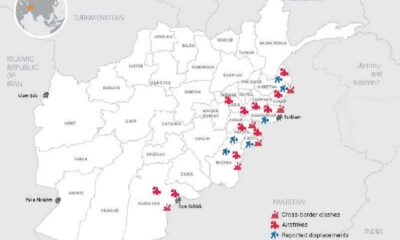
Airstrikes and clashes displace thousands as Afghanistan–Pakistan tensions escalate: UN
-
 Latest News4 days ago
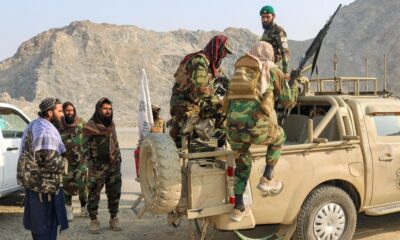
Afghanistan says 327 Pakistani soldiers killed in ‘Radd-ul-Zulm’ operation