
Latest News
Islamic Emirate officials stress unity, self-reliance on fifth anniversary
On foreign policy, Hanafi said the Islamic Emirate wants relations with neighboring countries, the wider region and the international community based on non-interference, mutual respect and shared interests.

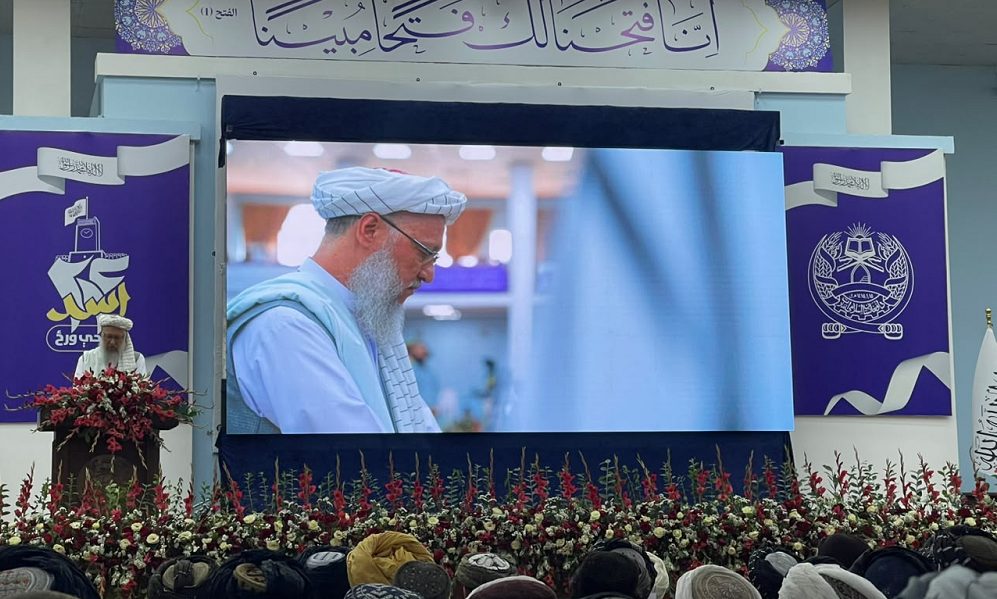
Senior Islamic Emirate officials on Saturday marked the fifth anniversary of their return to power with calls for preserving the current system, strengthening national unity, boosting economic self-reliance and expanding ties with neighboring and regional countries.
The ceremony was held at the Loya Jirga Hall in Kabul, where officials also highlighted security, infrastructure development and the government’s foreign policy.
Noor Mohammad Saqib, Minister of Hajj and Religious Affairs, said Afghanistan was considered one of the world’s most insecure countries before the Islamic Emirate returned to power, but is now, he claimed, the “most secure country in the world.”
Abdul Salam Hanafi, Deputy Prime Minister for Administrative Affairs, said administrative corruption had been eliminated under the Islamic Emirate. He said the completion of the Qosh Tepa Canal could enable Afghanistan to achieve food self-sufficiency and eventually export agricultural products.
Hanafi also highlighted the major electricity, gas and railway projects across the country.
On foreign policy, Hanafi said the Islamic Emirate wants relations with neighboring countries, the wider region and the international community based on non-interference, mutual respect and shared interests.
He said Afghanistan would not allow its territory to be used against the security of neighboring or other countries.
In a message read at the ceremony, Prime Minister Mullah Mohammad Hassan Akhund called on Afghans to defend the Islamic system and cooperate with the government in security and development efforts to help consolidate stability.
Abdul Latif Nazari, Deputy Minister for Professional Affairs at the Ministry of Economy, criticized the role of foreign countries during the previous 20 years, saying they had exercised significant influence over Afghanistan’s political, social and cultural affairs.
Nazari said the current government had helped reduce what he described as identity divisions and strengthen national unity. He also claimed that Afghanistan had made economic progress despite international sanctions and that greater transparency had been created for domestic investment.
Foreign Minister Amir Khan Muttaqi said Afghans reject “foreign ideology and occupation” and urged countries that have not engaged with the Islamic Emirate to reconsider their policies toward Kabul.
Muttaqi also called for greater self-reliance in the economy, industry and technology sectors, saying Afghanistan should reduce its dependence on other countries.
Information and Culture Minister Shir Ahmad Haqqani said “Sharia” had replaced what he called “the hated democracy.” He said the Islamic Emirate had not accepted instructions from other countries in forming its government and would not do so in the future.
Haqqani also said the international community has not recognized the Islamic Emirate because Sharia is in force in Afghanistan, but insisted that the authorities would not abandon their position.
Noorullah Noori, Minister of Borders, Tribes and Tribal Affairs, described the current level of unity in Afghanistan as “unprecedented” and called for its preservation.


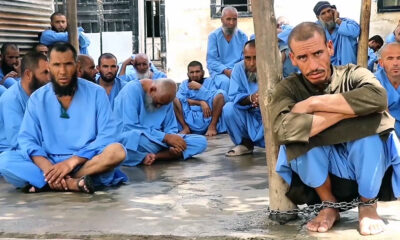

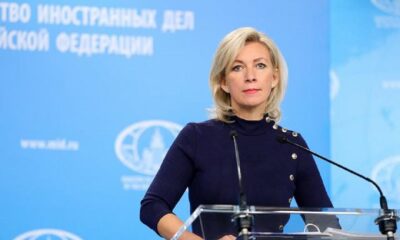

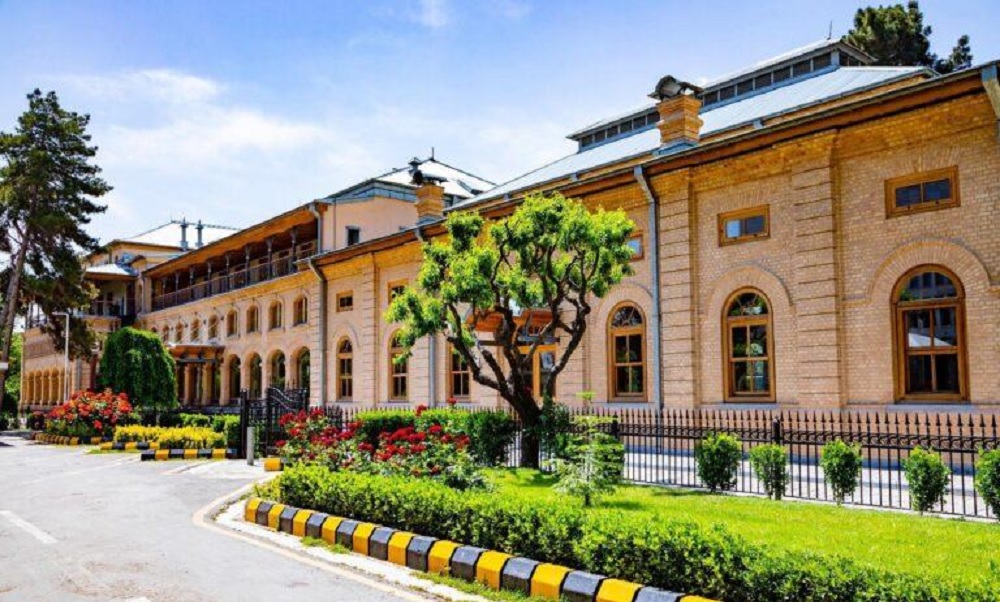
The Islamic Emirate’s Ministry of Foreign Affairs says it has summoned Pakistan’s chargé d’affaires in Kabul and handed him a formal protest over the alleged entry of armed and hostile elements across the Durand Line toward Nuristan.
The move follows an operation announced by Afghanistan’s Ministry of Defense two days earlier in Kamdesh district of Nuristan, in which it said 28 people were killed and 32 others captured.
In its statement, the Defense Ministry said several groups affiliated with Daesh and what it described as “Shar-o-Fasad” elements had crossed into Afghan territory with the support and encouragement of Pakistani militias. It claimed the groups were seeking to carry out acts of subversion and create insecurity.
The ministry also alleged that Pakistani military personnel, Pakistan-affiliated “Arbaki” forces and Daesh elements were involved in coordinating with the groups, but fled the area after Afghan forces launched their operation.
According to the Defense Ministry, some of those involved were former military personnel who served under Afghanistan’s previous government. It alleged that Pakistani intelligence agencies had taken some of them to Pakistan after promising assistance with asylum and employment abroad, before transferring them to military camps along the Durand Line for training and subsequently sending them into Afghanistan.
On Tuesday, the Ministry of Foreign Affairs said the individuals involved in the latest incident, including Daesh-affiliated elements, attempted to cross into Afghanistan with what it described as direct support and guidance from Pakistan’s military authorities. Afghan security forces prevented them from entering the country, it said.
The ministry also accused Pakistan of facilitating the recruitment, organization, training and equipping of hostile elements on its territory before directing their deployment across the Durand Line.
It said such actions, in the Islamic Emirate’s view, violate Afghanistan’s sovereignty and territorial integrity and run contrary to Islamic, international, humanitarian and good-neighborly principles.
The ministry warned that Pakistan’s military authorities would bear full responsibility for any consequences if such actions continue.
Pakistan has rejected allegations of involvement by its security and intelligence forces in the Nuristan incident, describing the claims as baseless.
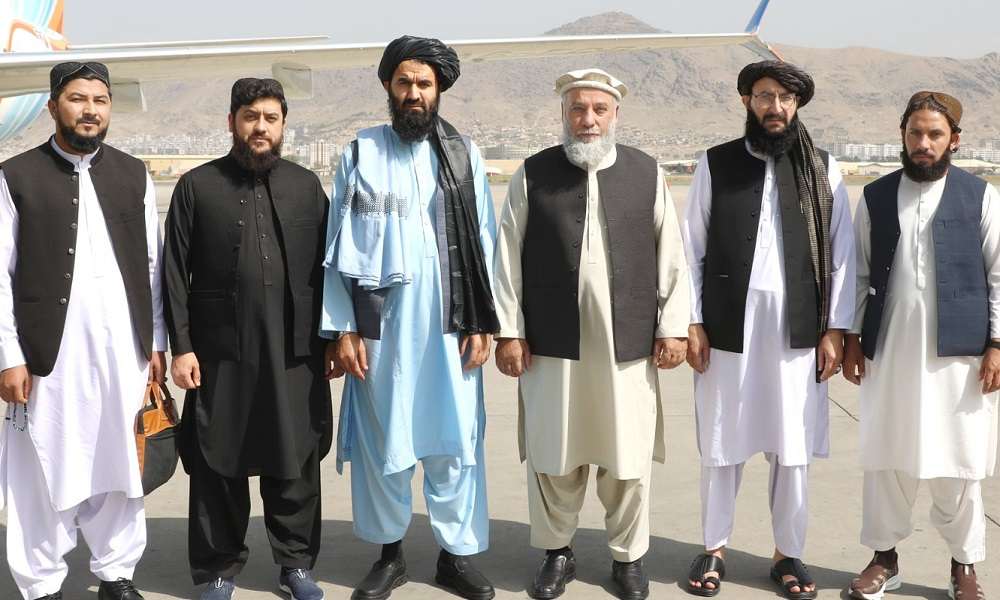
Afghanistan’s Minister of Industry and Commerce Nooruddin Azizi has traveled to Belarus at the head of a delegation, at the invitation of the Belarusian government, to strengthen economic and trade cooperation between the two countries.
The ministry said the visit includes participation in the Second Belarus International Industrial Exhibition and meetings with senior Belarusian officials.
During the visit, the minister is expected to tour the exhibition and attend a general meeting of participating countries.
He is also scheduled to meet with Belarusian ministers of foreign affairs, agriculture, and industry to discuss trade and economic relations, industrial and agricultural cooperation, investment, and new areas of bilateral cooperation.
The Ministry of Industry and Commerce said it hopes the visit will help expand trade and economic ties, boost industrial cooperation, and create more opportunities for investment between Afghanistan and Belarus.
Latest News
US Afghanistan War Commission meets Asim Munir over Pakistan’s role in conflict
The commission is examining the military, diplomatic, intelligence and foreign assistance aspects of the US engagement.
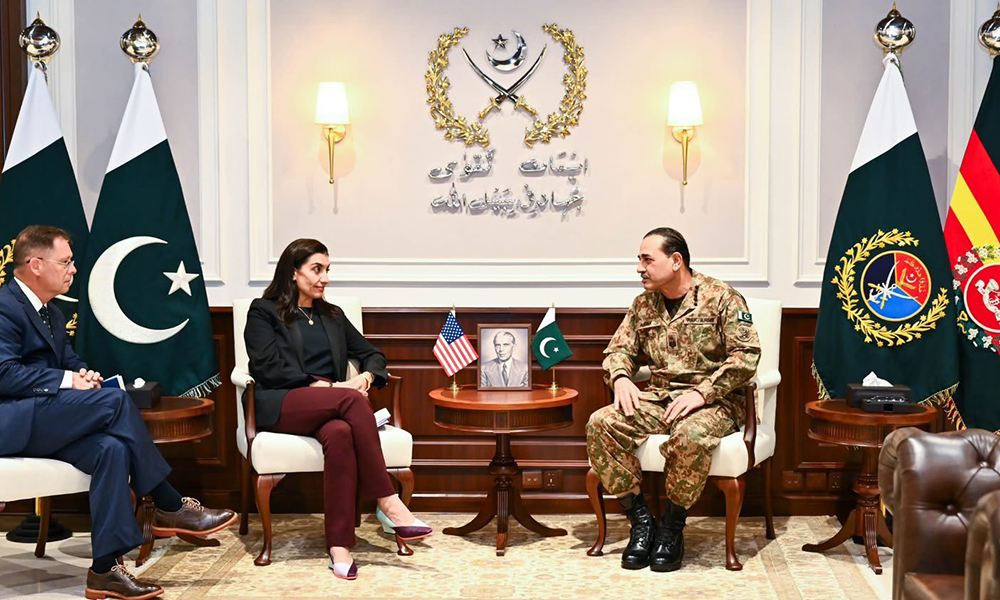
A delegation from the US Afghanistan War Commission met Pakistan’s army chief, Field Marshal Asim Munir, in Rawalpindi on Monday as the commission reviews the United States’ 20-year engagement in Afghanistan.
The delegation, led by commission co-chairs Shamila N. Chaudhary and Colin F. Jackson, met Munir at General Headquarters, according to Pakistan’s military.
Discussions covered Pakistan’s support during the Afghanistan conflict, the regional security environment and developments in Afghanistan, with a focus on issues relevant to the commission’s review.
Munir presented Pakistan’s perspective on the security dynamics that shaped the conflict and highlighted the challenges faced by the country during the prolonged war in neighbouring Afghanistan.
He also stressed the importance of incorporating the regional perspective and Pakistan’s experience when assessing the strategic, diplomatic and operational dimensions of the conflict, according to the military statement.
The delegation acknowledged Pakistan’s “longstanding role and sacrifices” during the conflict and appreciated what it described as the country’s continued contribution to regional peace and stability.
The Afghanistan War Commission was established by the US Congress in 2021 to conduct an independent review of US decisions and actions during the Afghanistan war from June 2001 to August 2021. The commission is examining the military, diplomatic, intelligence and foreign assistance aspects of the US engagement.
US forces completed their withdrawal from Afghanistan on August 30, 2021, ending nearly two decades of US military involvement in the country.
Pakistan was a key regional actor throughout the conflict, sharing a long border with Afghanistan and providing logistical and other support to US-led operations while also facing significant security challenges linked to the war.
The commission’s meeting with Munir comes as it gathers regional perspectives on the decisions and events that shaped the US engagement in Afghanistan. Its final report is expected to examine the broader strategic, diplomatic and operational lessons of the conflict.


Saar: Assessment of war between Afghanistan and US discussed

Istiqlal Kabul beat Khurasan Faryab 2-0 with late goals

Islamic Emirate summons Pakistan’s chargé d’affaires over Nuristan incident

Minister of Industry and Commerce travels to Belarus to expand economic ties

Kazakhstan grain shipments to Afghanistan rise over 4-fold

Saudi energy group signs major Afghanistan deals covering gas exploration and pipeline plans

Iranian clubs to face Gulf opponents at neutral venues in Asian Champions League Elite

Khalilzad: Afghanistan ready to attract major investment

Ariana Television Network secures exclusive rights to Afghanistan’s 2026/27 cricket series

Afghanistan drawn in Group A of AFC U17 Asian Cup qualifiers
Saar: Assessment of war between Afghanistan and US discussed

Saar: Afghanistan’s image at UNGA

Saar: Concerns over Pakistan’s political crisis discussed

Exclusive interview with Abdul Latif Mansoor, Minister of MRRD

Tawsia: Overview of Afghanistan’s iron mines
-

 Sport2 days ago
Afghan bodybuilder Ali Bilal finishes runner-up at Mr Olympia for third straight year
-
 Latest News2 days ago
Afghanistan says 28 killed, 32 captured in Nuristan operation
-
 World3 days ago
Trump rejects Iranian proposal to open Hormuz and end fighting
-
 Sport3 days ago
Afghanistan to face India in Asian Games cricket quarter-final
-

 Sport4 days ago
Afghanistan Champions League: Arman FC and Aino Mina play out goalless draw
-

 Latest News3 days ago
Khalilzad questions Pakistan’s commitment to Afghan welfare
-
 World3 days ago
Iran awaits US move after WSJ report says Trump rejects peace plan
-

 Business3 days ago
Ariana Afghan Airlines increases Kabul-Delhi cargo flights