
Latest News
Muttaqi urges U.S. to reopen Kabul embassy, invest in Afghanistan’s mines
Muttaqi rejected any possibility of a renewed U.S. military presence in Afghanistan, saying Afghans would not accept foreign troops on their soil.


Five years after U.S. forces withdrew from Afghanistan and the Islamic Emirate returned to power, IEA’s foreign minister has called on Washington to reopen its embassy in Kabul and invest in the country, including its mineral resources and infrastructure.
Foreign Minister Amir Khan Muttaqi said in an interview with The New York Times that Afghanistan now wants relations with the United States based on “mutual respect” and a new period of engagement.
“We consider the chapter of war to have come to an end,” Muttaqi said, adding that the United States could reopen its embassy, maintain a diplomatic presence and invest in Afghanistan’s mines, dams and roads.
The appeal comes as the IEA seeks to reduce Afghanistan’s international isolation and expand diplomatic and economic ties. In recent years, it has strengthened relations with Russia, Uzbekistan and other regional countries and held talks with European governments over the return of Afghan migrants.
Muttaqi rejected any possibility of a renewed U.S. military presence in Afghanistan, saying Afghans would not accept foreign troops on their soil.
Michael Kugelman of the Atlantic Council said Afghanistan’s mineral wealth could be an attractive issue for the Trump administration, particularly because of its focus on economic interests.
The United States spent nearly $1 billion between 2004 and 2021 trying to develop Afghanistan’s mining sector, but a U.S. government watchdog later concluded that the effort had produced little tangible progress.
The IEA has since signed mining and investment agreements with companies from countries including China, Iran and Qatar.
Former U.S. diplomat Robin Raphel said renewed American engagement could potentially give Washington greater access to Afghanistan’s mineral resources and strengthen ties with Central Asia.
“But that requires hands-on engagement through a U.S. presence in Kabul, which remains a hard sell in Washington,” Raphel said.

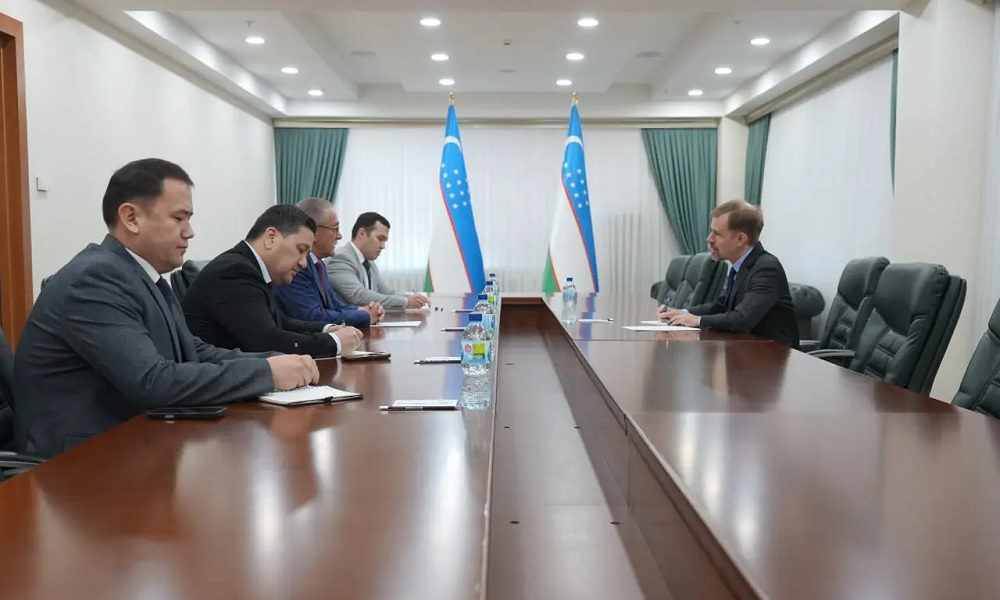
Uzbekistan and Belgium have discussed the situation in Afghanistan and regional efforts to develop a common approach towards the country.
Uzbekistan’s Special Representative of the President for Afghanistan, Ismatulla Irgashev, held talks with Belgium’s Ambassador to Uzbekistan, Matthias Kende, according to Uzbekistan’s Foreign Ministry.
During the meeting, the two sides exchanged views on the latest developments in Afghanistan and discussed issues related to bilateral cooperation on the Afghan track.
Kende praised Uzbekistan’s efforts to promote a consolidated regional position on Afghanistan.
The meeting was held in a constructive atmosphere, with both sides reaffirming their interest in strengthening practical dialogue between Tashkent and Brussels.
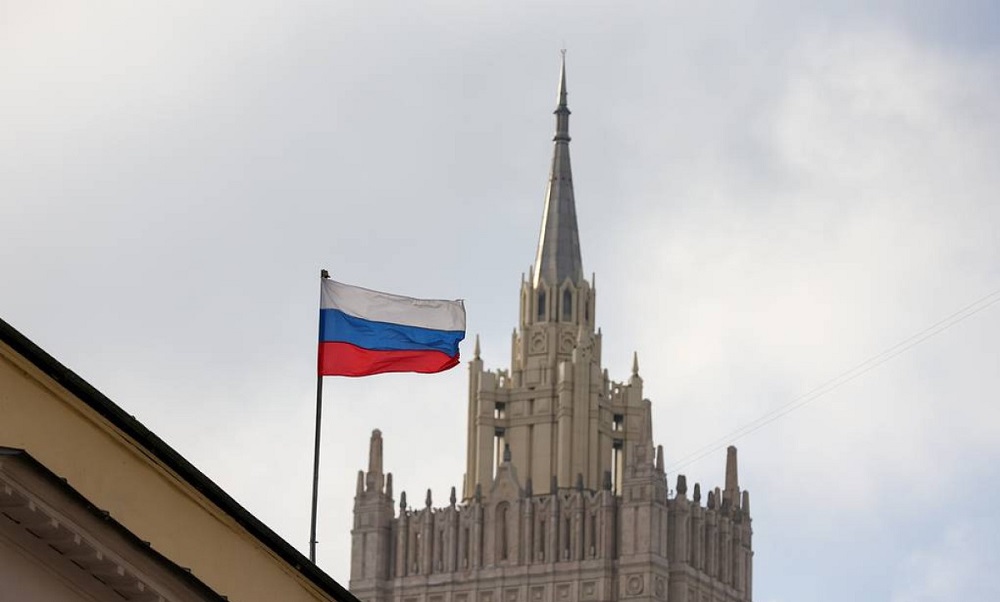
Russia’s Foreign Ministry has called a United Nations report on Afghan opiates “tailor-made political propaganda” saying such publications do not help combat drug trafficking in Afghanistan.
The ministry said that the UN Office on Drugs and Crime (UNODC) report, published in late October, recorded an increase in the cultivation, production and distribution of Afghan opiates for the first time since the Islamic Emirate of Afghanistan (IEA) imposed a ban in 2022.
The Russian Foreign Ministry said the report, which the IEA has already rejected as politically motivated, appears unbalanced and relies on indirect evidence, including satellite images that are open to different expert interpretations.
According to UN estimates cited in the report, the area under poppy cultivation increased from 10,200 hectares in 2025 to 43,300 hectares in 2026, while opium production rose from 300 tonnes to 1,470 tonnes.
The ministry acknowledged that Afghanistan’s drug problem still exists and said authorities in Kabul are aware of the issue. It added that Afghan security forces conduct almost daily operations in various parts of the country to destroy drug laboratories and seize narcotics.
According to the statement, more than 7.4 tonnes of various narcotics and over 4.7 tonnes of precursor chemicals were seized in Afghanistan over the past week, while two drug laboratories were dismantled.
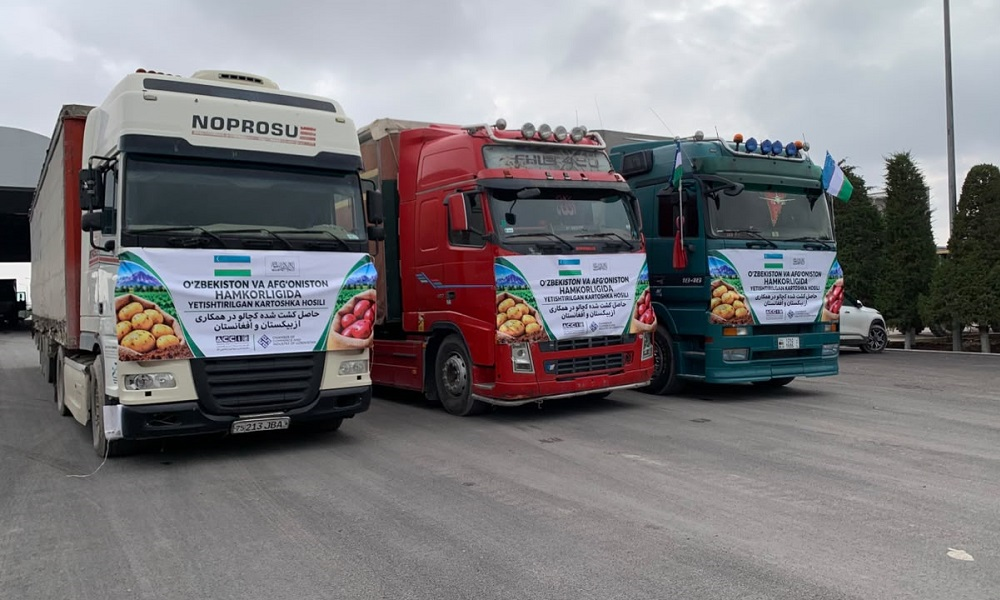
Cooperation between the Afghanistan Chamber of Commerce and Investment and the Uzbekistan Chamber of Commerce has paved the way for exporting potatoes from Bamyan province to the Uzbek market.
In this regard, Sayed Karim Hashemi, President of the Afghanistan Chamber of Commerce and Investment, and Doran Vahabov, President of the Uzbekistan Chamber of Commerce, have agreed on the export of 100,000 tons of Bamyan potatoes to Uzbekistan. Work is underway to finalize the export agreement.
Meanwhile, the first shipment of potatoes, consisting of eight trucks, has departed for the Uzbek city of Termez through the Hairatan Port.
The chambers of commerce of both countries, in cooperation with local authorities in Bamyan, have facilitated connections between traders and farmers and coordinated the purchasing, marketing, and transportation of the produce. This initiative is expected to expand market opportunities for Bamyan farmers and strengthen trade between Afghanistan and Uzbekistan.

Uzbekistan, Belgium discuss Afghanistan and regional cooperation
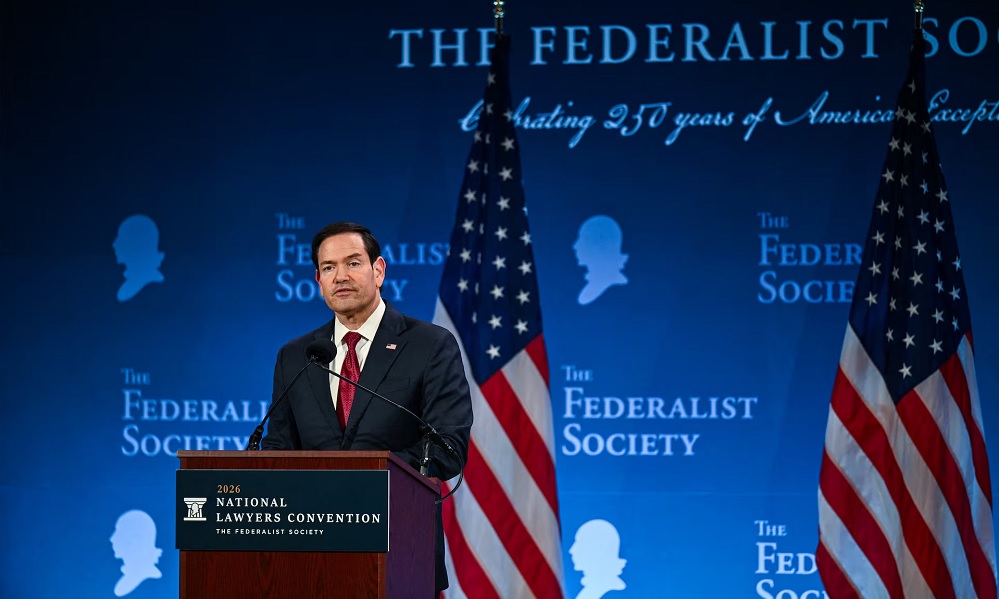
Rubio assails international court in speech to conservative legal group
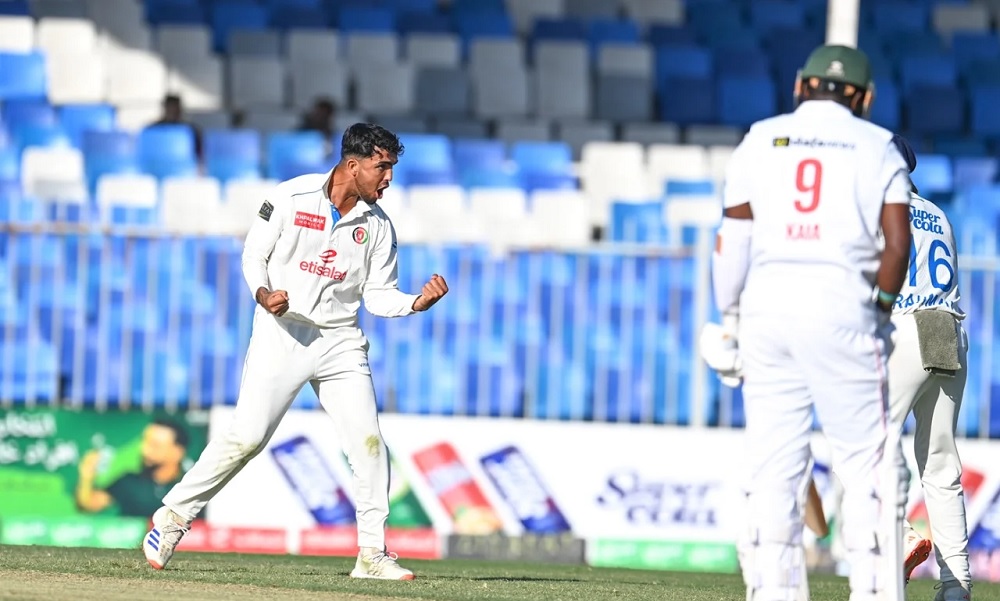
Debutant Naseer Khan strikes four as Afghanistan fight back against Zimbabwe in second Test

Russia calls UN report on Afghan opium ‘political propaganda’
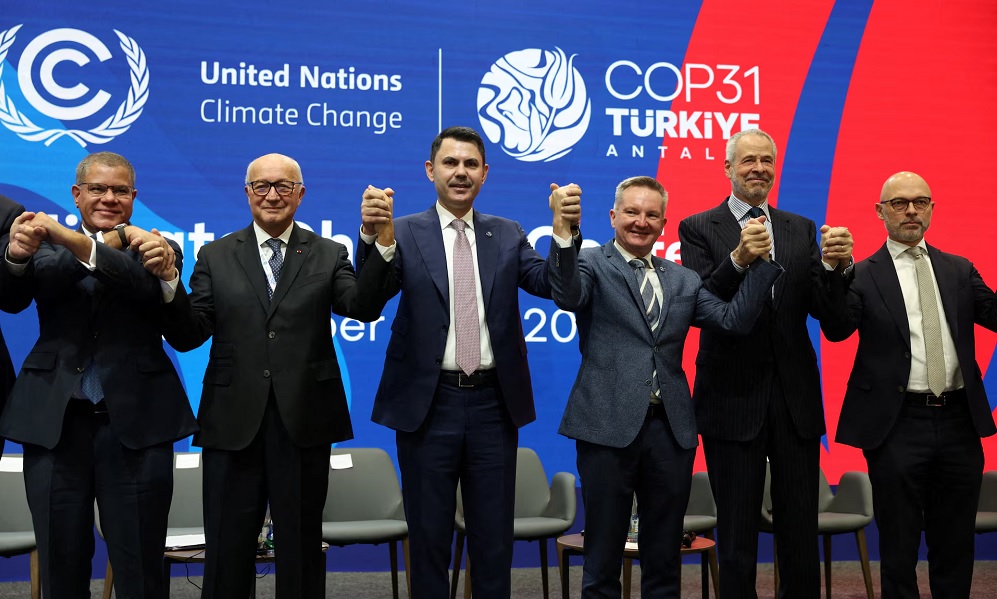
Urgent climate finance pleas at COP31 face a non-urgent response

Afghanistan finish runners-up after 6-0 defeat to Brazil in futsal final

Trump says US may strike Iran’s ‘Pickaxe Mountain’ nuclear facility

Rubio heads to Central Asia while other US officials hit foreign policy hot spots

Violent protests spread across Europe as Albanian PM blames ‘foreign hand’

Governments take websites offline as critical cyber flaws trigger global alert
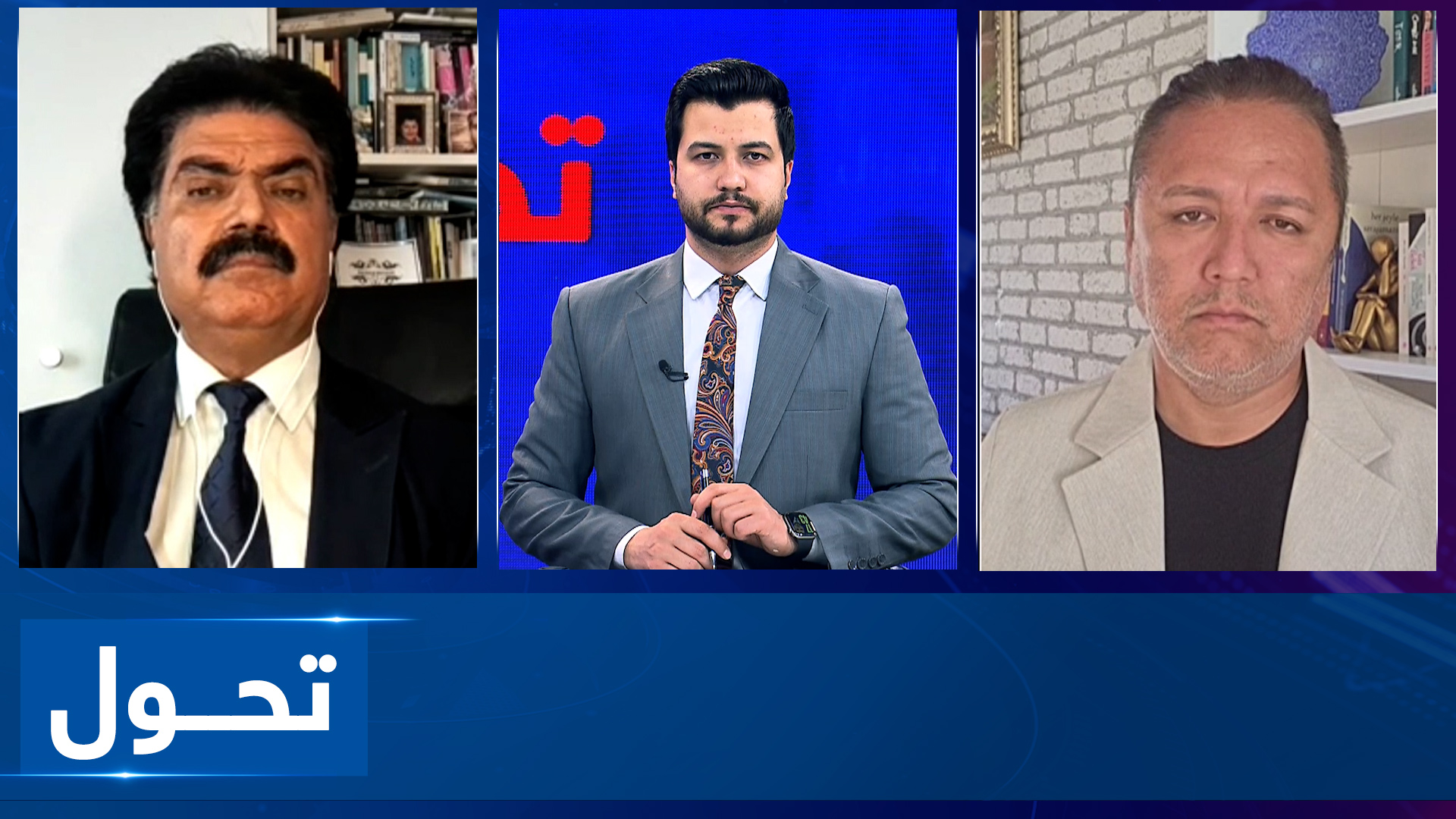
Tahawol: Russia’s special attention to situation in Afghanistan discussed
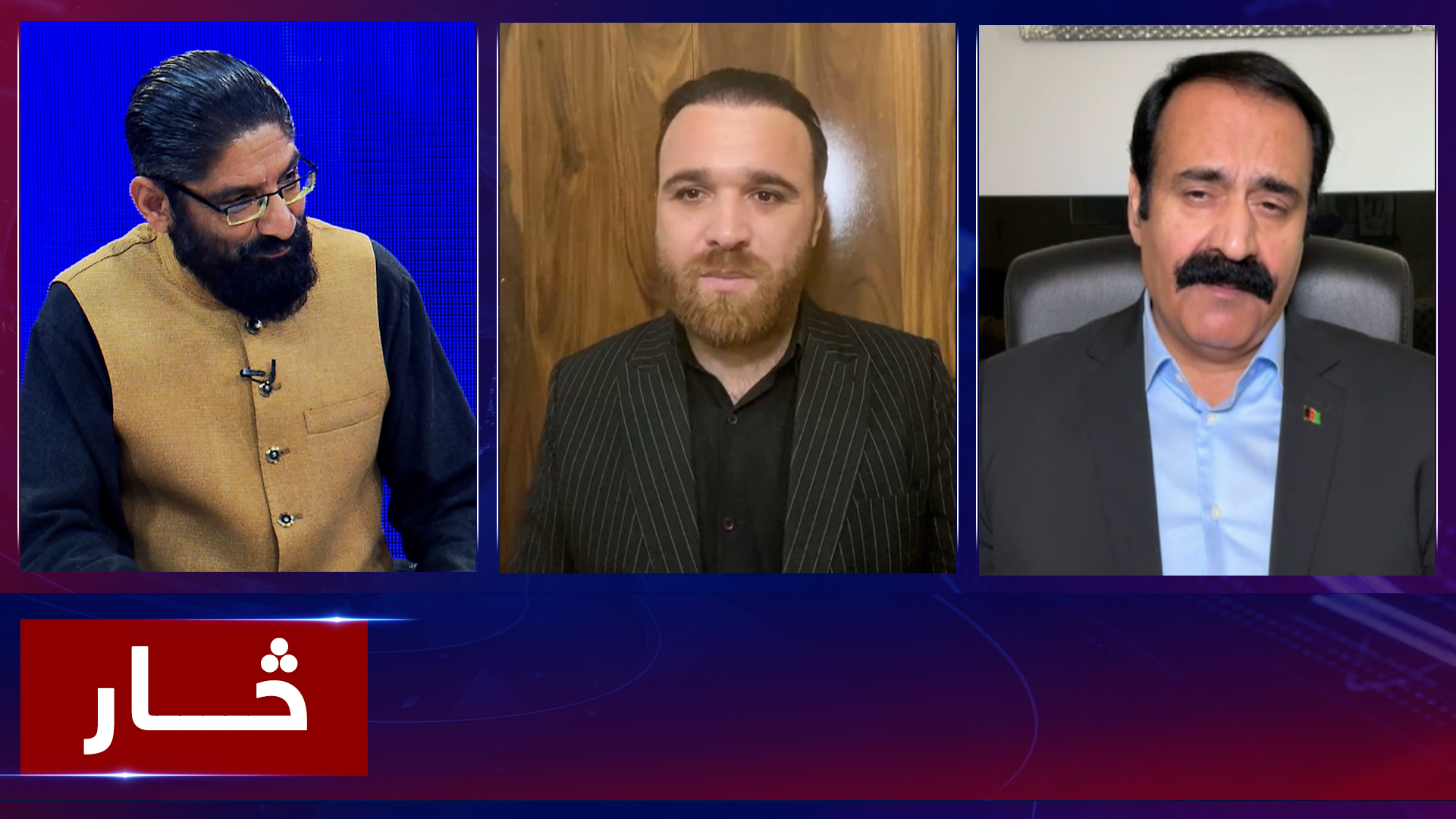
Saar: Discussion on US’s humiliating defeat in Afghanistan
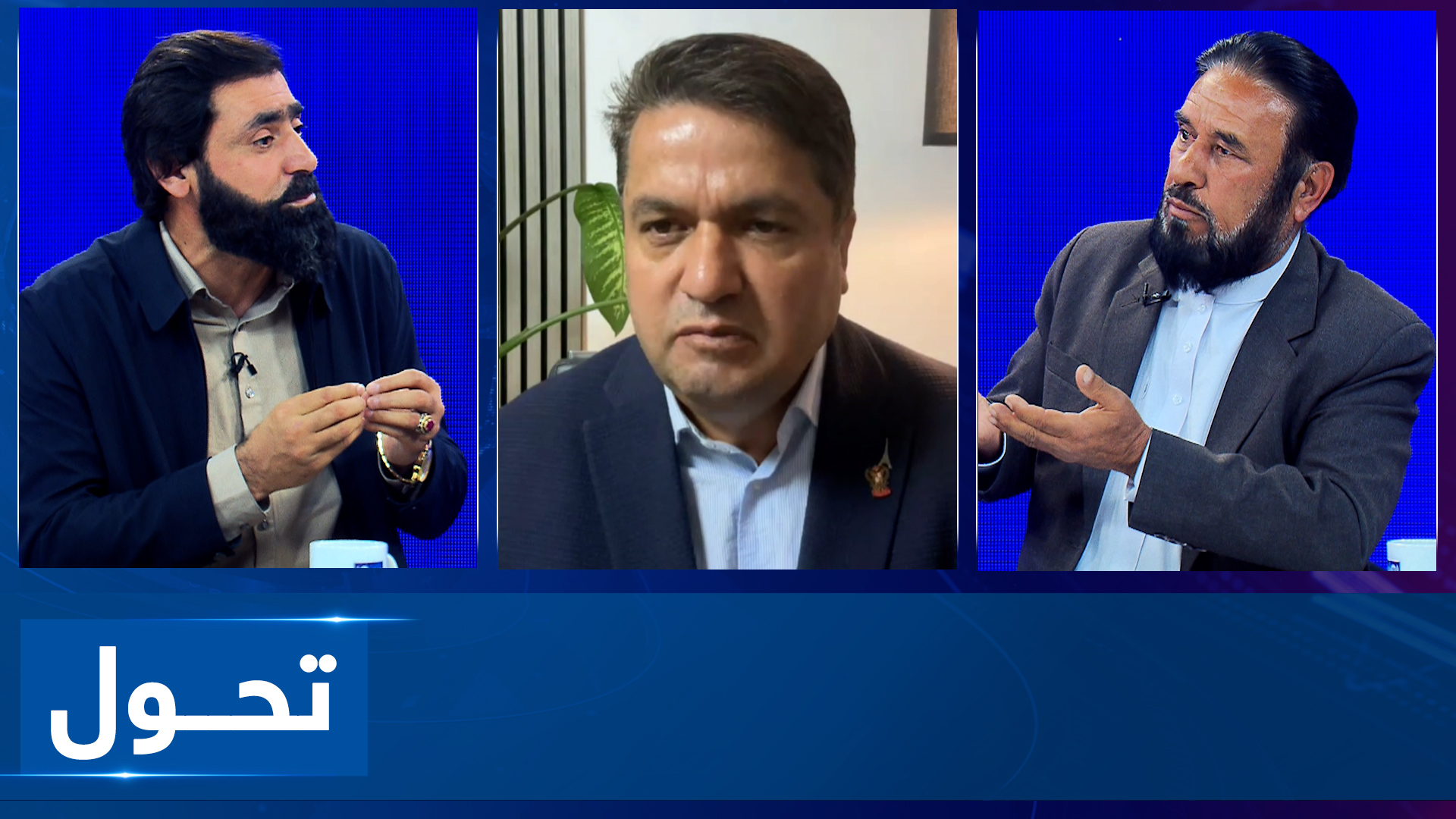
Tahawol: High-level Russian delegation’s visit to Kabul discussed
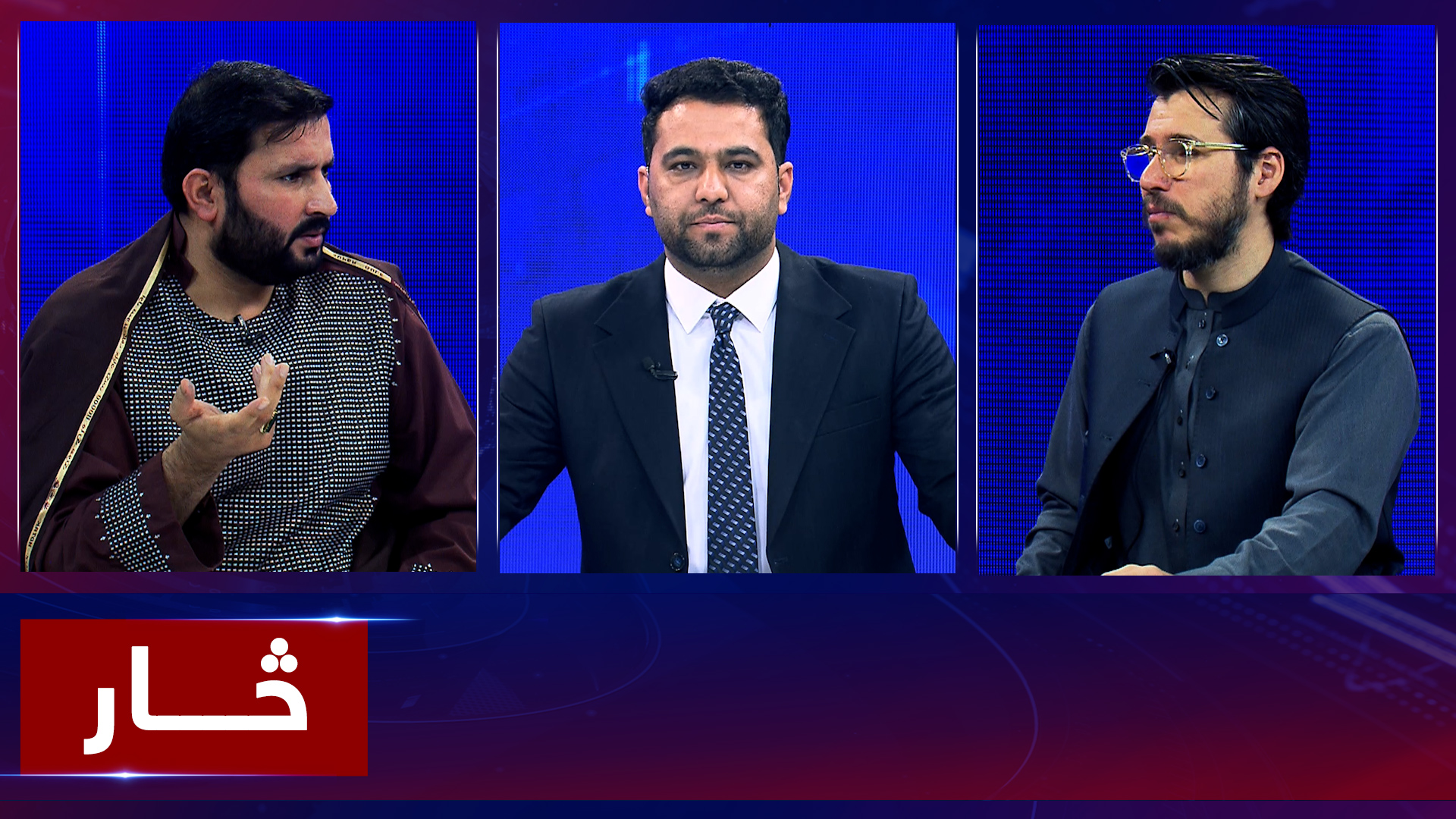
Saar: Afghanistan’s situation in focus at CSTO discussed

Tahawol: Efforts to halt deportation of Afghan refugees from US discussed
-
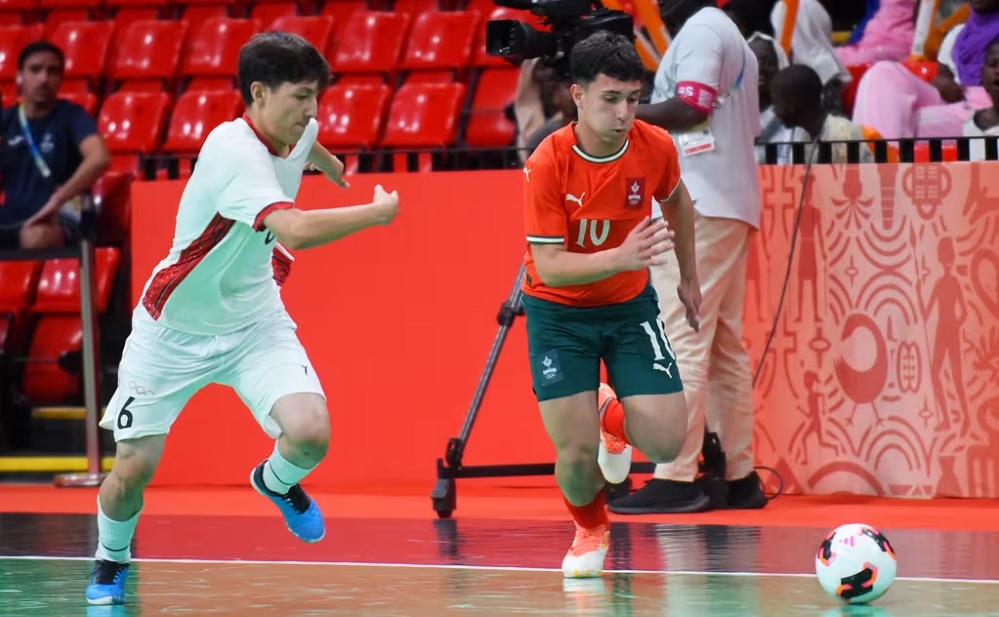 Sport5 days ago
Portugal beat Afghanistan 2-0 in Dakar Youth Olympics futsal semi-finals
-
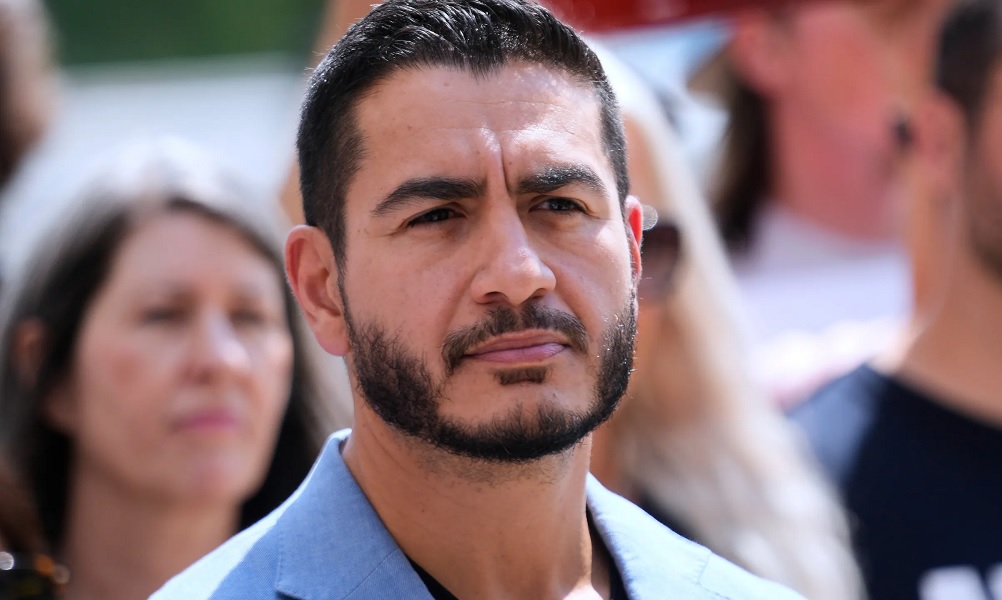 World5 days ago
First Muslim US senator-elect El-Sayed calls for review of aid to Pakistan
-
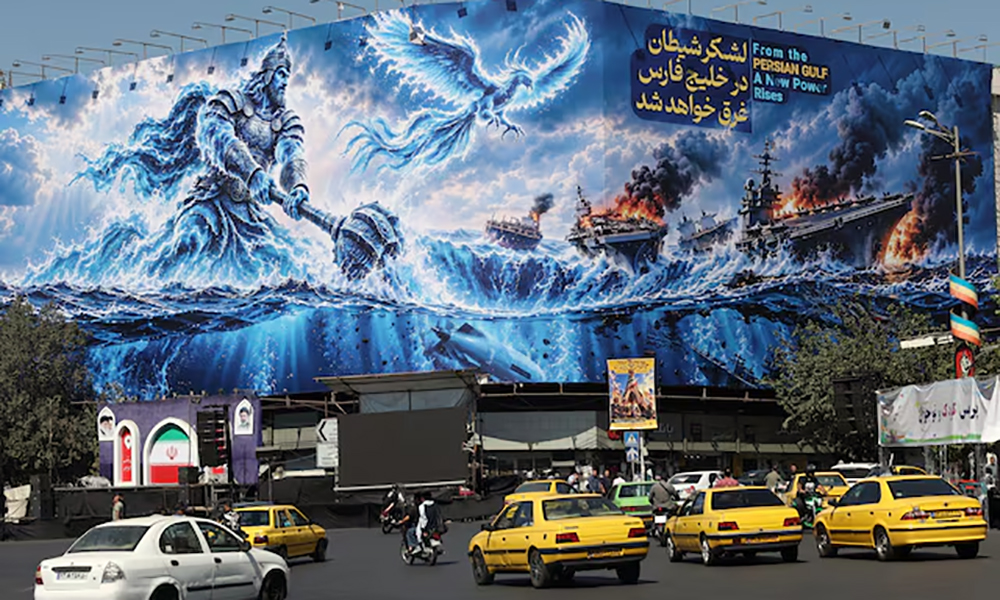 Regional5 days ago
Iran defends two-day proposal for peace talks after US rejects conditions
-
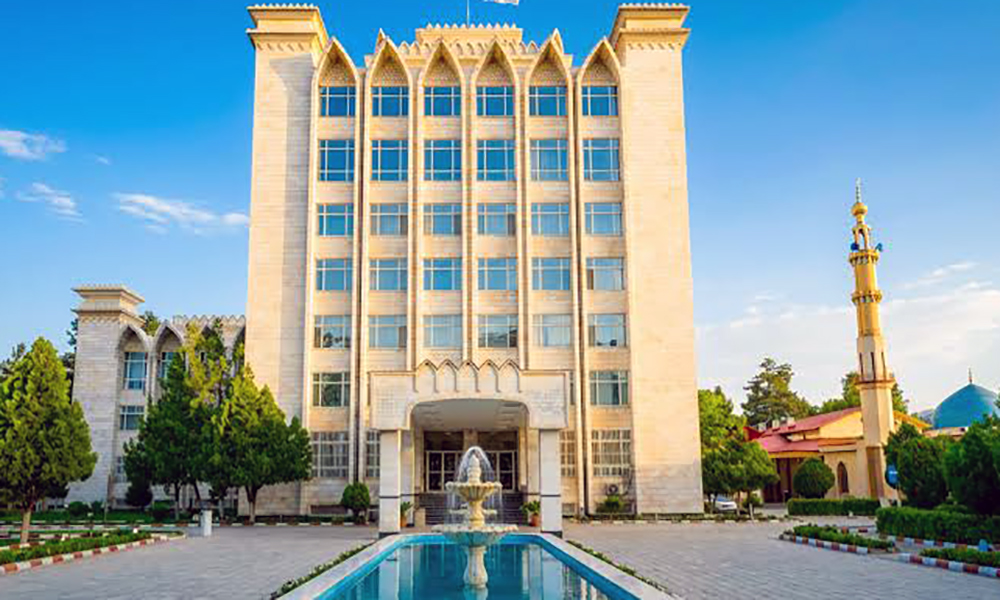 Business5 days ago
Afghanistan approves new foreign investment policy in bid to attract international investors
-
 Sport4 days ago
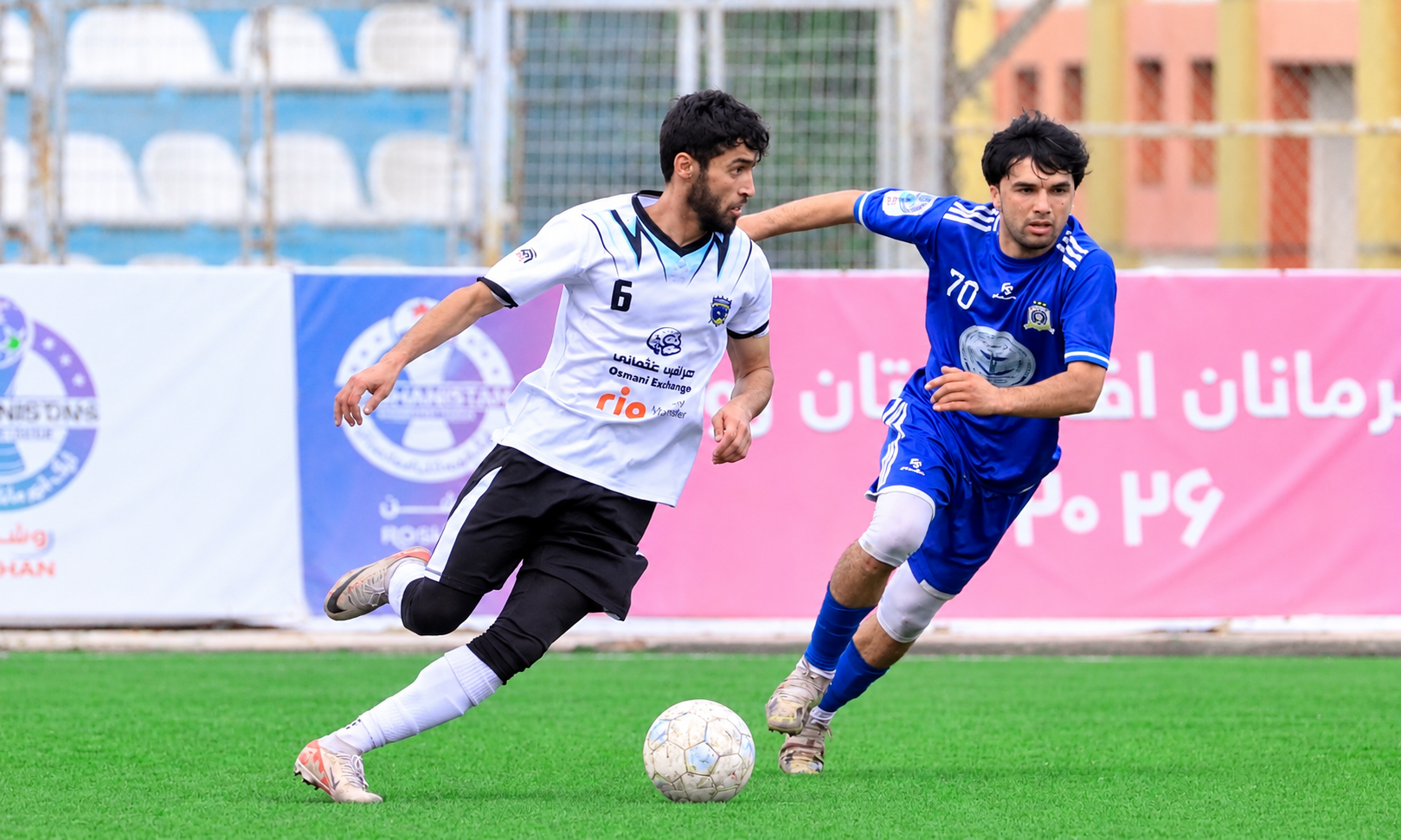
Omar Zawak thrash Istiqlal Kabul 5-1 in ACL
-
 World4 days ago
Trump says further US attacks on Iran ‘highly unlikely’ as peace talks gain momentum
-
 Sport5 days ago
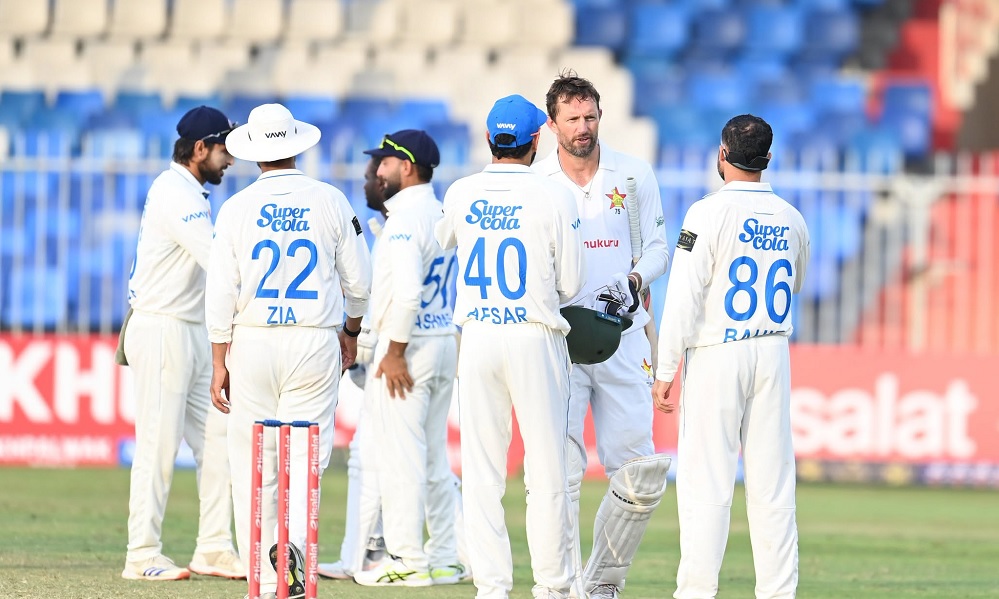
First Test between Afghanistan and Zimbabwe ends in a draw
-
 Latest News5 days ago
UN pledges to expand cooperation with Afghanistan as over 8 million migrants return home