
Latest News
Khalilzad says Pakistani public does not support policies leading to Afghan civilian deaths
He added that, in his view, the gap between the Pakistani people and the country’s ruling structure appears to be widening.

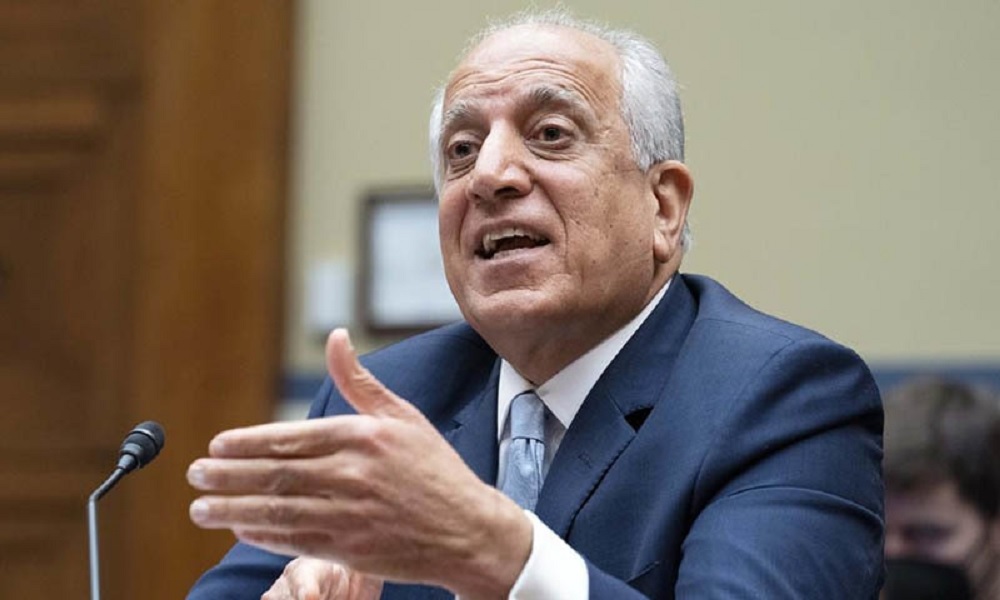
Zalmay Khalilzad, former United States Special Representative for Afghanistan Reconciliation, has said he does not believe the people of Pakistan support policies that have resulted in the killing of Afghan civilians.
Referring to a recent report by the United Nations on civilian casualties, Khalilzad stated on X that the policies of Pakistan’s governing establishment should not be equated with the views of its population.
He added that, in his view, the gap between the Pakistani people and the country’s ruling structure appears to be widening.
His remarks come amid recent UN reports indicating a rise in Afghan civilian casualties following Pakistani regime airstrikes, further intensifying regional tensions.




Latest News
Fazlur Rehman calls for international probe into treatment of Afghan refugees in Pakistan
He emphasized the need for independent international monitoring to ensure that refugees’ concerns and rights receive appropriate attention.

Maulana Fazlur Rehman, chief of Pakistan’s Jamiat Ulema-e-Islam-Fazl (JUI-F), has called on international organizations to investigate the treatment of Afghan refugees in Pakistan, urging them to visit the country and assess the situation firsthand.
His remarks come amid reports of police raids, harassment and administrative pressure on Afghan refugees, which have reportedly made daily life increasingly difficult for many Afghan families.
Fazlur Rehman urged international organizations to independently examine the situation and document the treatment of Afghan refugees by Pakistani police and government institutions.
He emphasized the need for independent international monitoring to ensure that refugees’ concerns and rights receive appropriate attention.
The treatment of Afghan refugees in Pakistan remains a humanitarian concern, particularly amid ongoing challenges related to their security, legal status and living conditions.
His call has renewed attention to the need for international oversight and the protection of Afghan refugees in line with humanitarian and human rights principles.
Latest News
Afghanistan announces Hajj 2026 registration schedule
The first installment has been set at 150,000 Afghanis, while details of the second installment will be announced later.

Afghanistan’s Ministry of Guidance, Hajj and Religious Affairs has announced that registration for the 2026 Hajj pilgrimage will run from November 1 to November 8.
In a statement, the ministry said prospective pilgrims in Kabul and other provinces can register by visiting their respective provincial or central departments of Guidance, Hajj and Religious Affairs.
Applicants are required to submit the original and a copy of their national identity cards (Tazkira), along with two recent passport-sized photographs.
The ministry said that after registration is completed and the lottery results are announced, selected pilgrims will have 15 days to pay the required Hajj fees.
The first installment has been set at 150,000 Afghanis, while details of the second installment will be announced later.
The ministry urged all interested applicants to complete the registration process within the designated period and ensure that they submit all required documents.
Latest News
Japan welcomes decline in Afghanistan’s poppy cultivation, calls for sustained anti-drug efforts
The Embassy of Japan in Afghanistan made the remarks in response to a recent report by the United Nations Office on Drugs and Crime (UNODC) on the country’s narcotics situation.

Japan has welcomed Afghanistan’s efforts to combat narcotics, describing the reported decline in poppy cultivation since 2022 as a significant development while calling for continued anti-drug measures and sustainable alternative livelihoods for farmers.
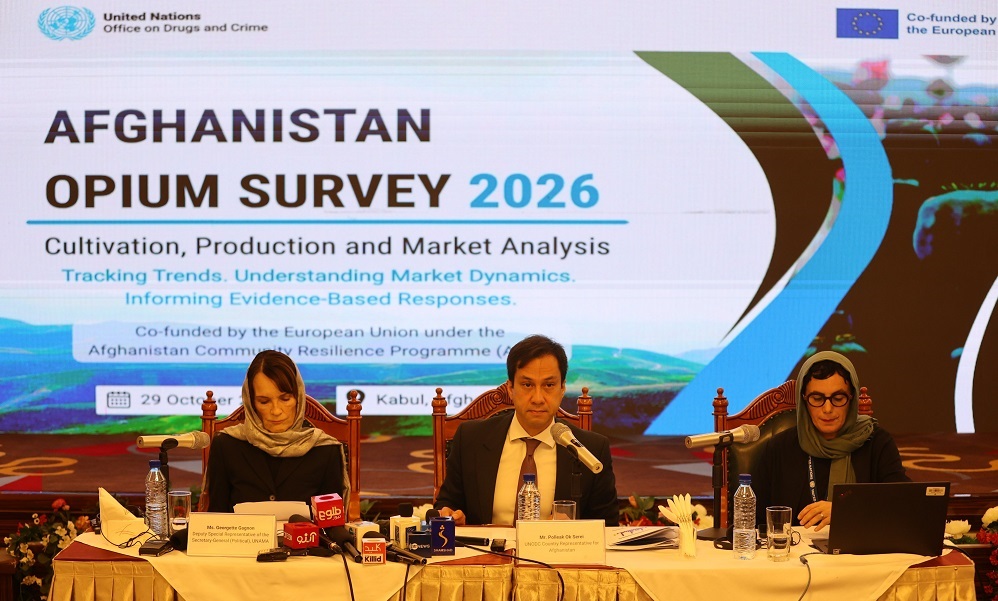
The Embassy of Japan in Afghanistan made the remarks in response to a recent report by the United Nations Office on Drugs and Crime (UNODC) on the country’s narcotics situation.
In a statement, the embassy said Japan highly values Afghanistan’s continued counter-narcotics efforts, emphasizing that lasting progress requires not only reducing poppy cultivation but also providing alternative sources of income for farmers previously dependent on opium production.
Japan also stressed the importance of creating sustainable economic opportunities to help former poppy farmers maintain their livelihoods and prevent a return to narcotics cultivation.
However, the latest UNODC report points to a significant increase in poppy cultivation in 2026 compared with the previous year. According to the report, cultivation rose more than fourfold, reaching approximately 43,300 hectares.
Opium production also increased from around 300 metric tons in 2025 to approximately 1,500 metric tons in 2026, the report said.
Meanwhile, Afghanistan’s Ministry of Interior has rejected the UNODC findings, arguing that the figures and assessments do not correspond with official information and evidence collected in the field.


Fazlur Rehman calls for international probe into treatment of Afghan refugees in Pakistan

Afghanistan announces Hajj 2026 registration schedule

Japan welcomes decline in Afghanistan’s poppy cultivation, calls for sustained anti-drug efforts
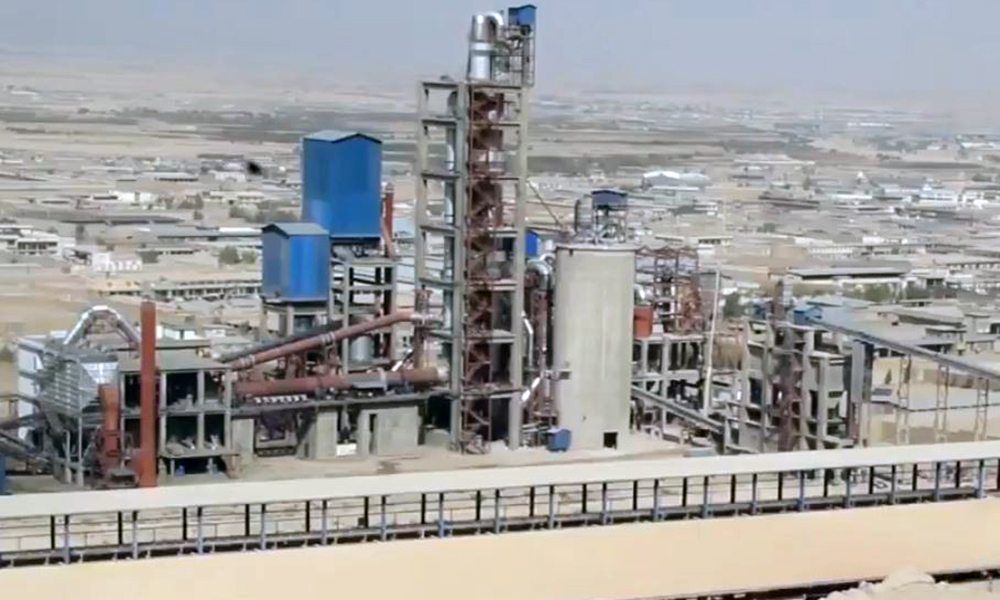
Afghanistan inaugurates first phase of Kandahar cement factory

Rashid Khan makes history as first-ever bowler to claim 200 T20I wickets

Cricket Bonanza: Afghanistan set for packed international schedule

ACB announces Afghanistan squads for Bangladesh, Zimbabwe series

Afghanistan to face Pakistan, India and Australia at 2027 Cricket World Cup

Four members of one family killed in Helmand in Pakistan airstrike

Afghanistan finish runners-up after 6-0 defeat to Brazil in futsal final
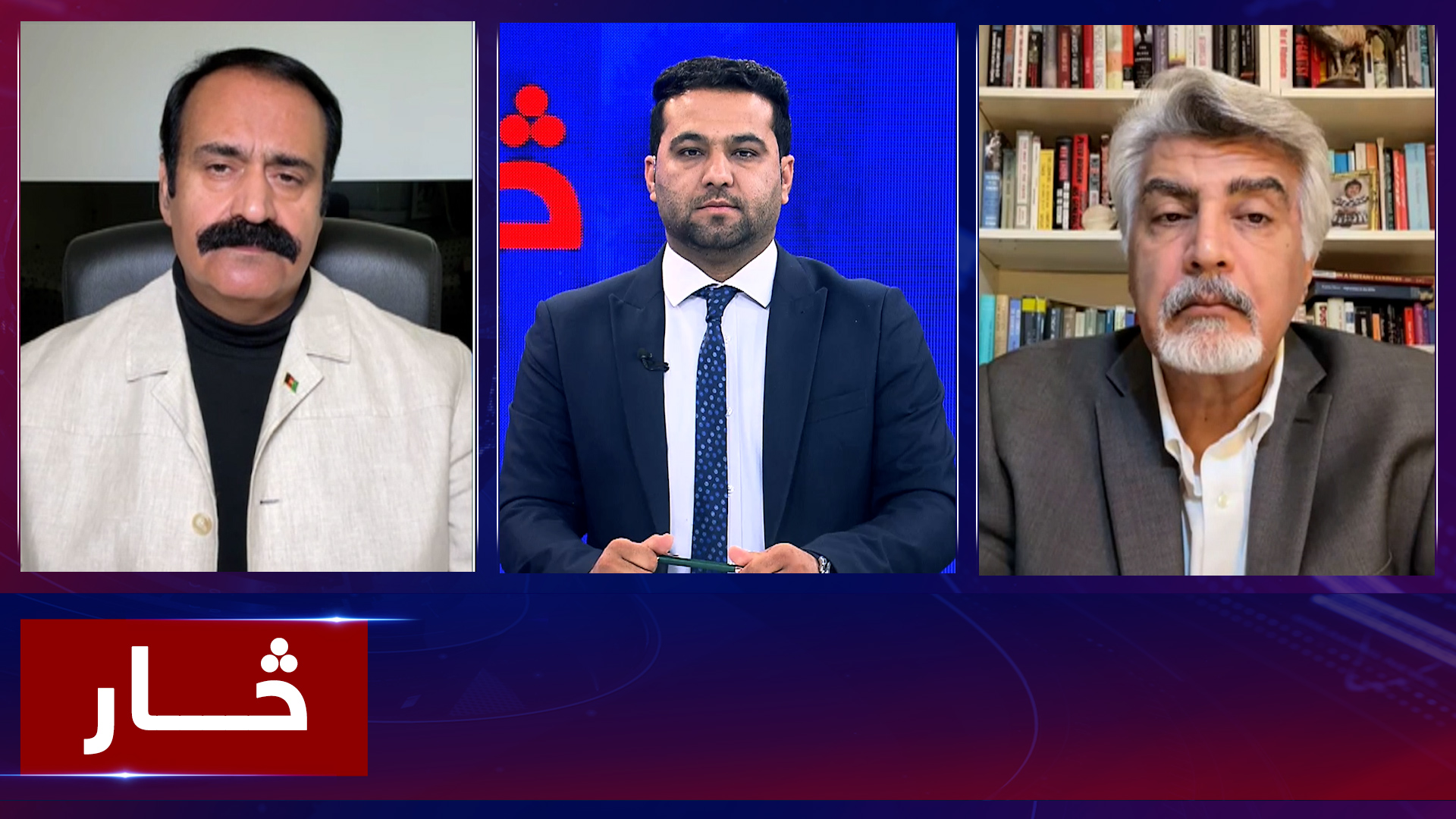
Saar: Regional coalition against Israel-US discussed
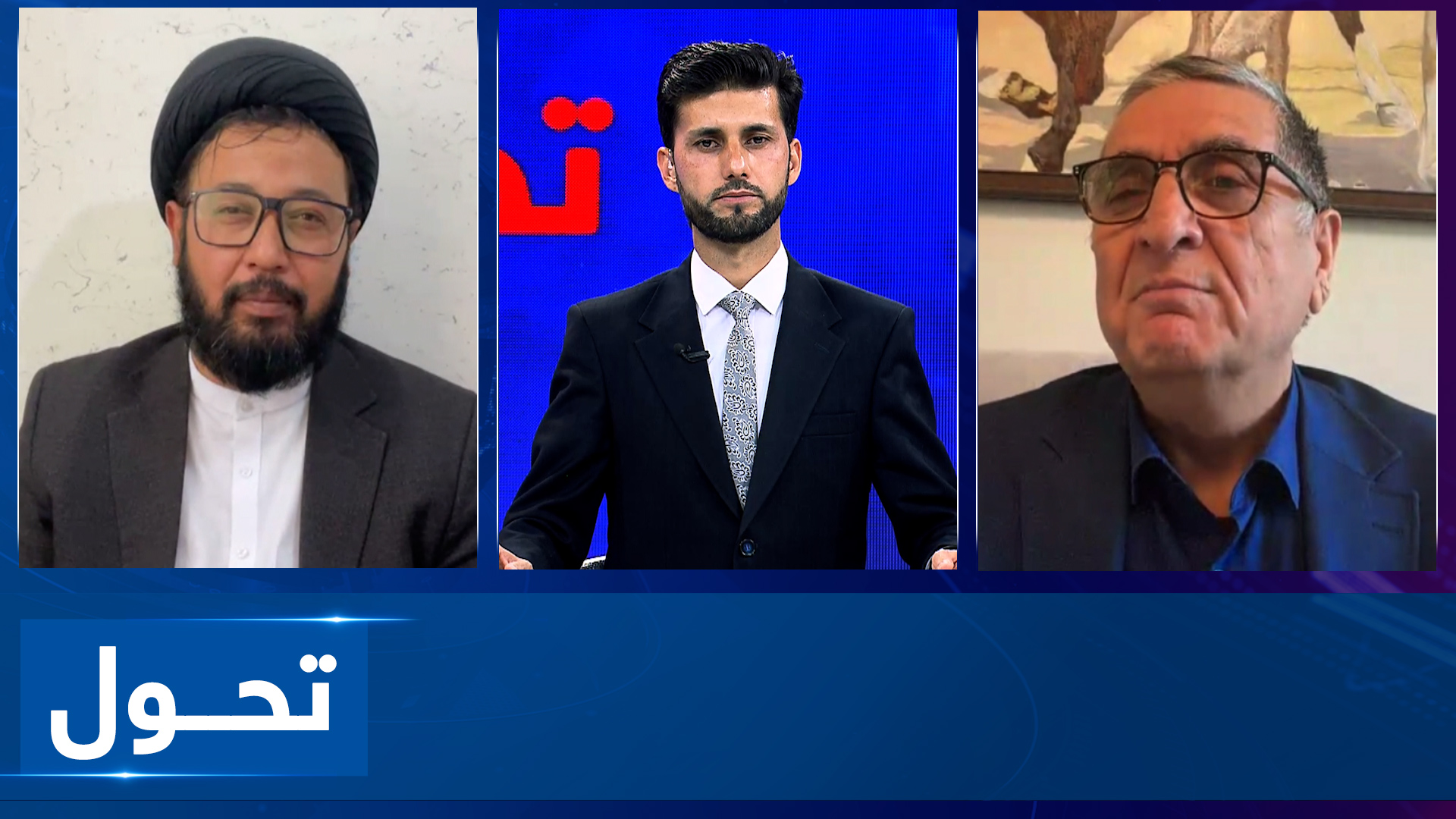
Tahawol: Interest in joining pro-Russian forces discussed
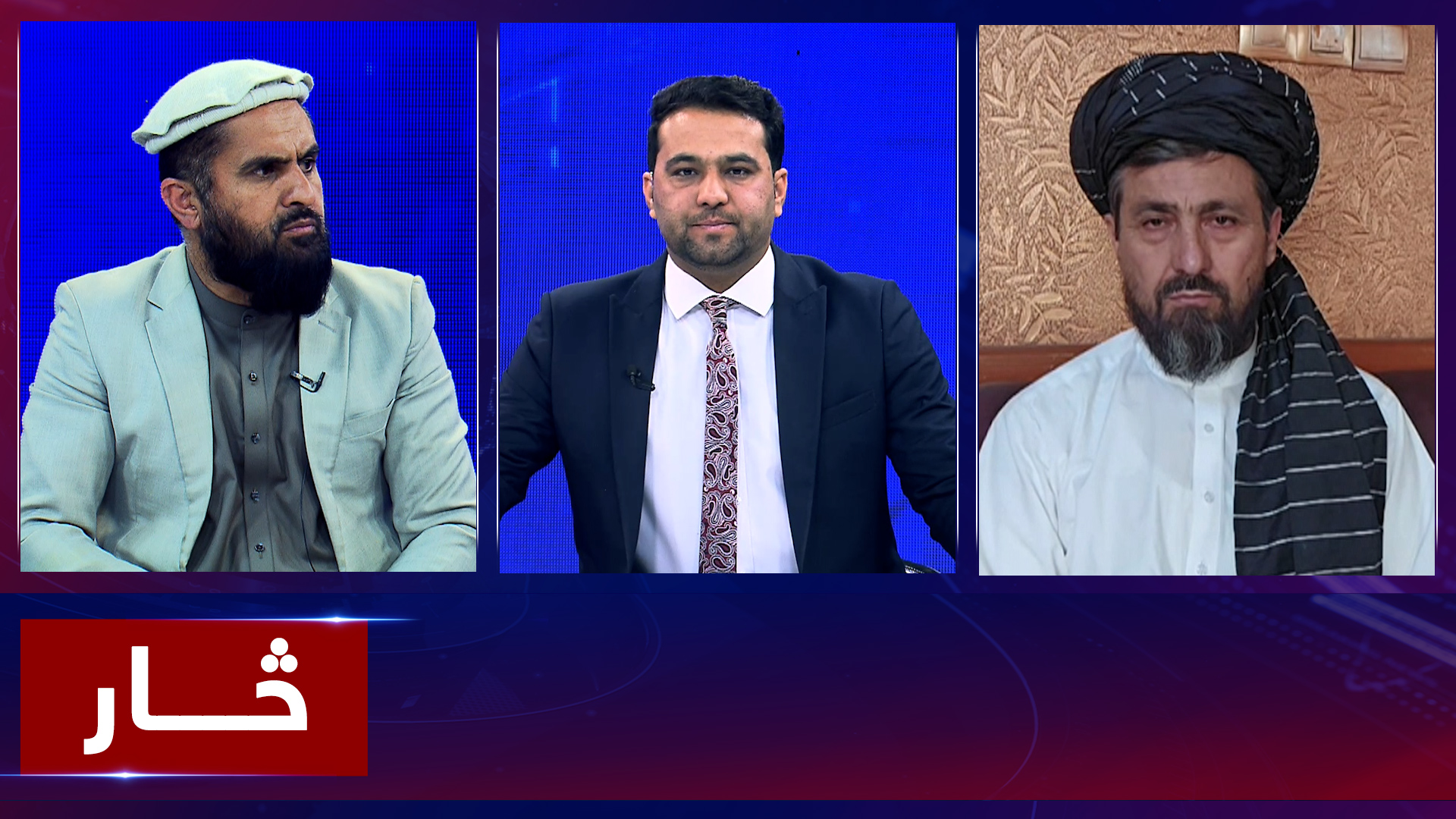
Saar: Refugee returns to Afghanistan ahead of winter discussed

Tahawol: Emphasis on security cooperation at Tehran talks discussed
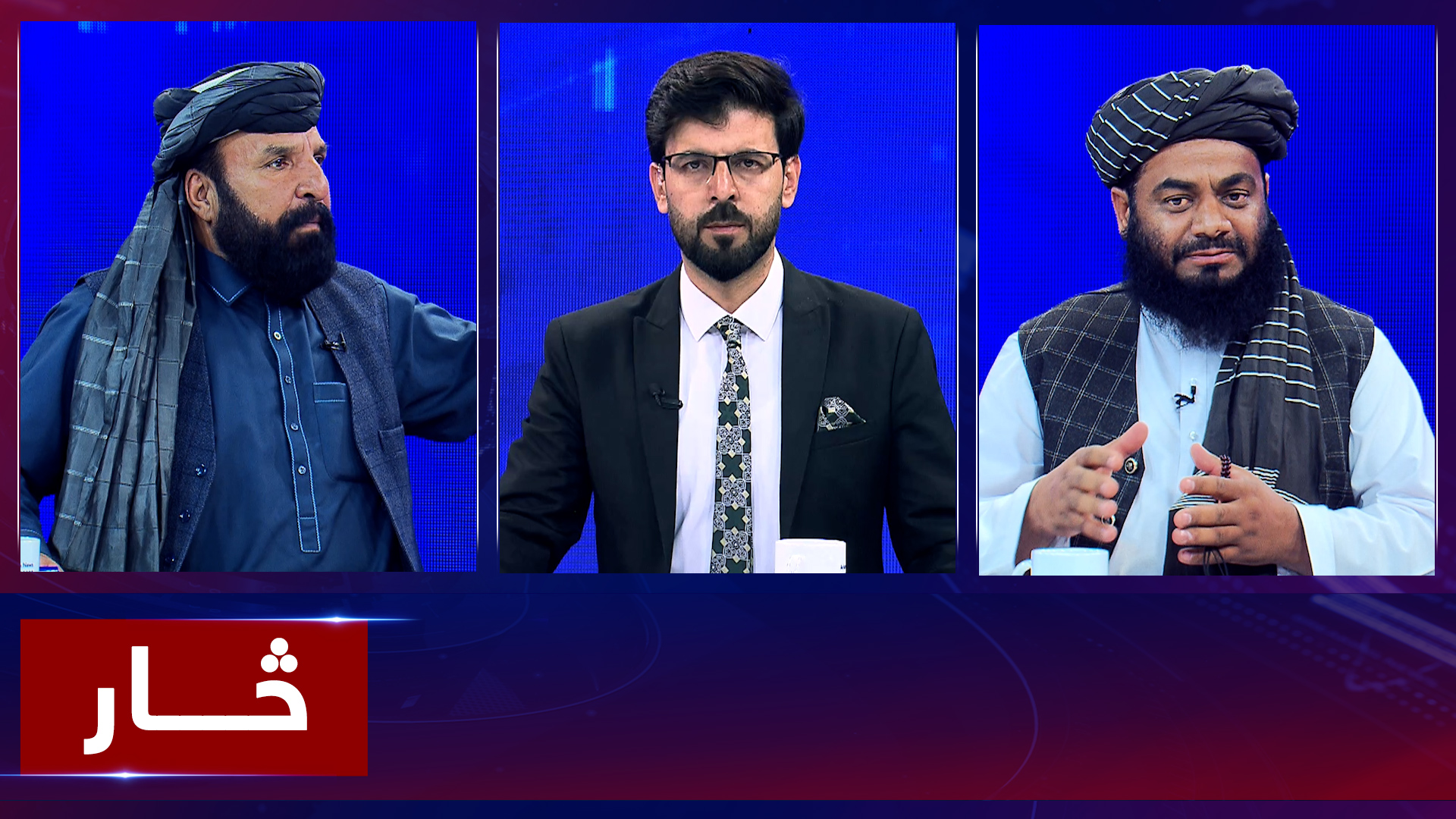
Saar: Pakistan threatening strikes on Afghanistan
-
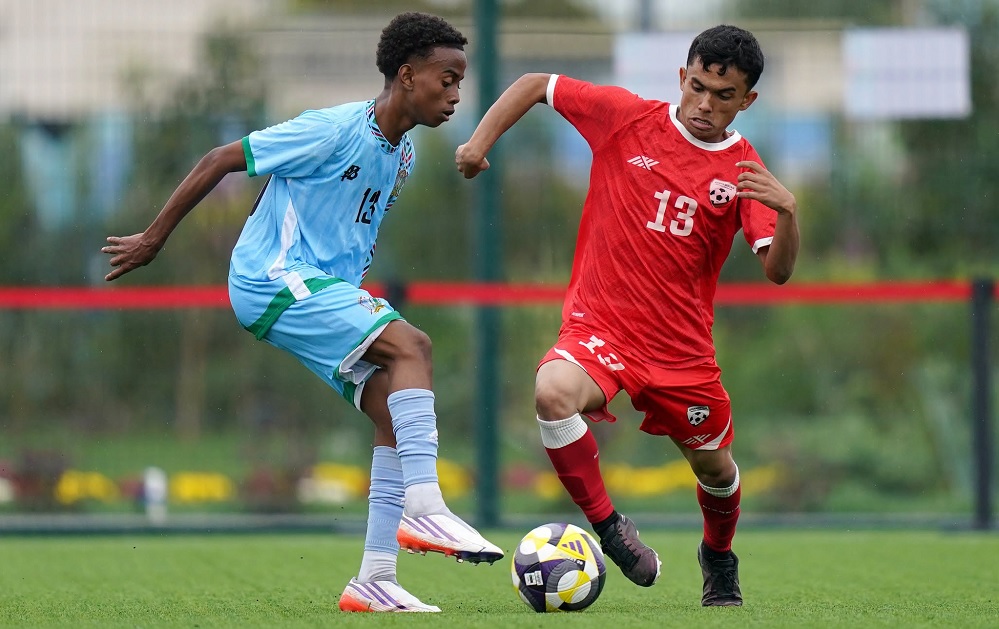 Sport3 days ago
Afghanistan advance to Tier C at FIFA U-15 World Cup and Festival
-
 Regional4 days ago
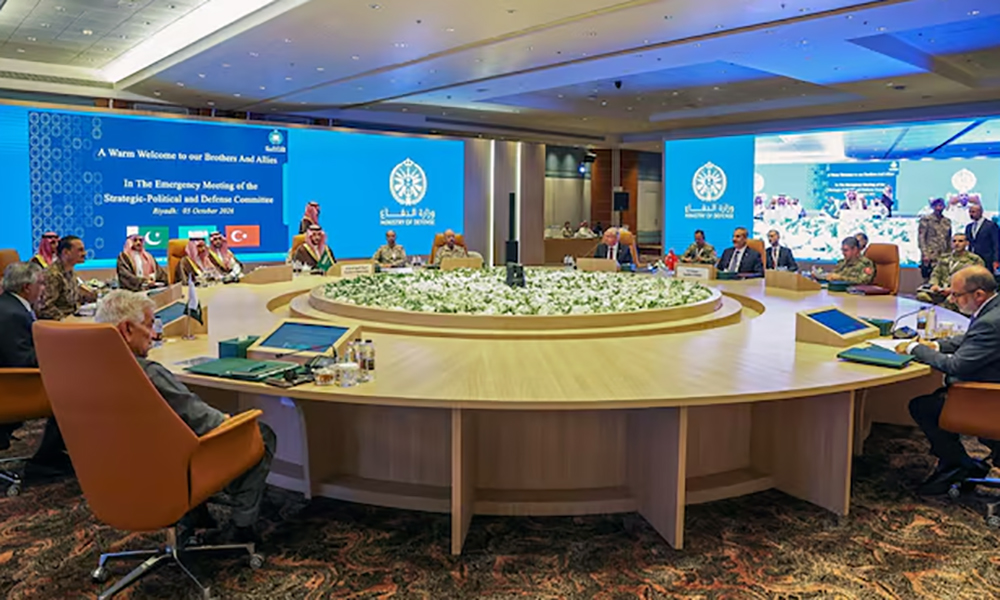
Officials from Mecca pact countries to meet Iranian officials in Tehran
-
 International Sports5 days ago
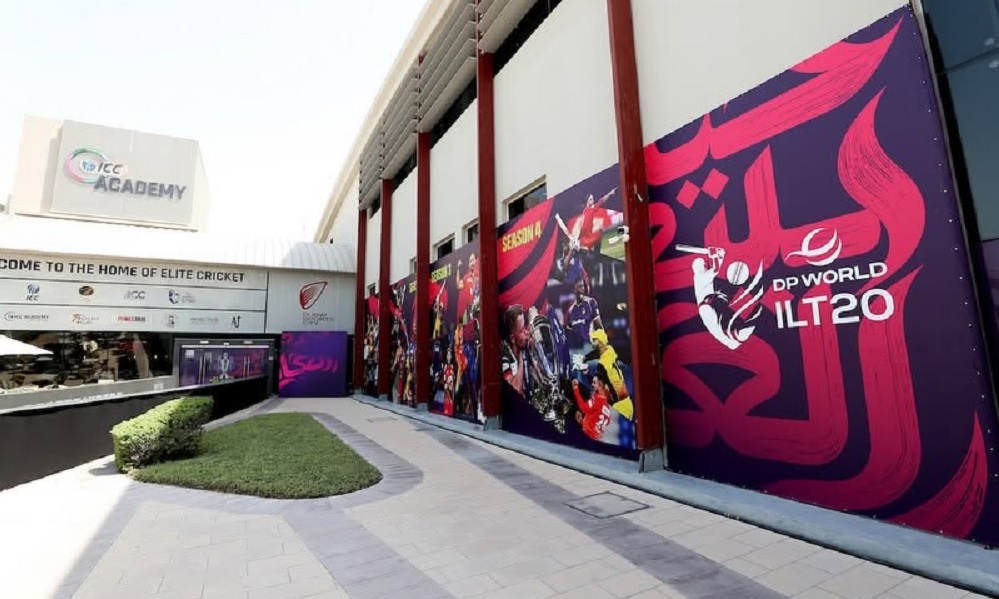
ATN secures exclusive rights to broadcast ILT20 Season 5 in Afghanistan
-
 World5 days ago
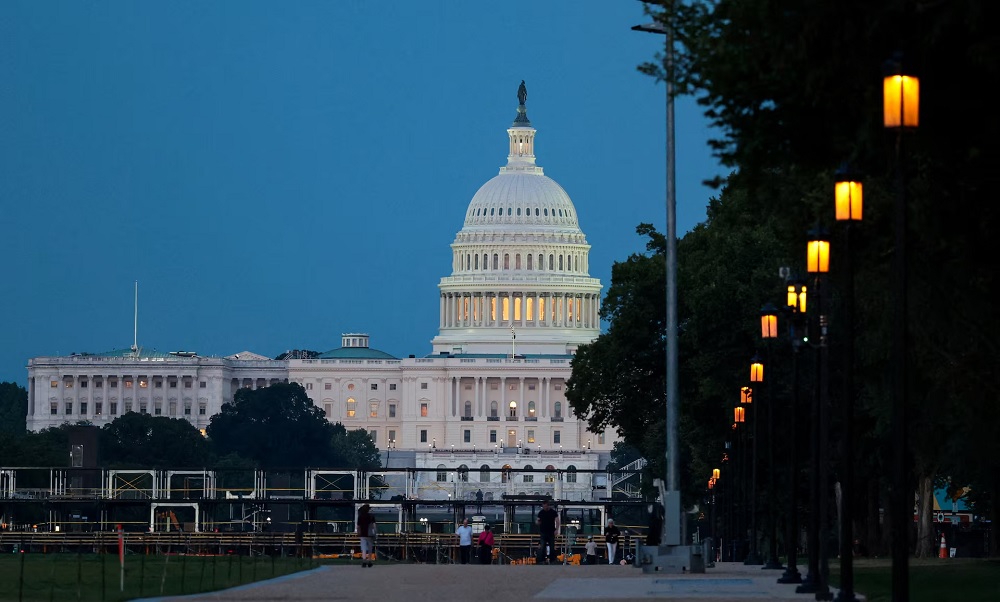
Four ways US foreign policy could change if Democrats win in November
-
 Climate Change4 days ago
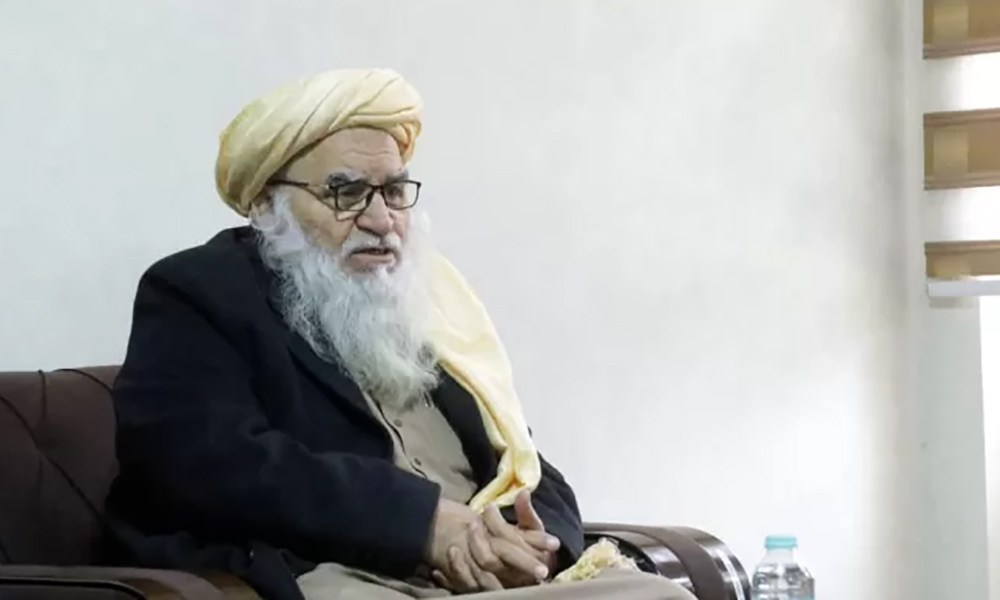
Afghanistan’s environmental protection chief travels to Malaysia for global education conference
-
 World4 days ago
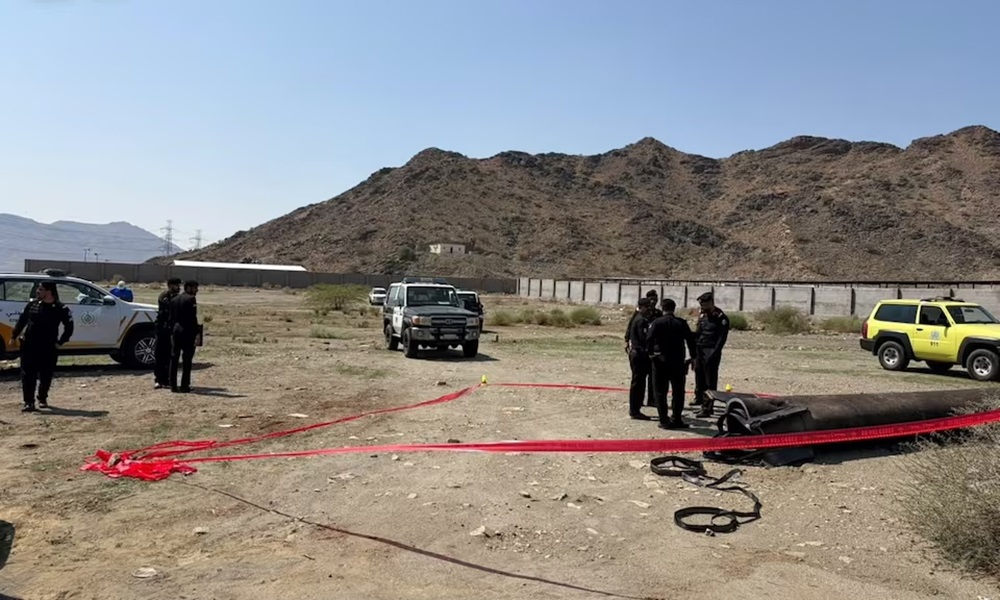
Houthis say they attacked Saudi oil pumping stations, Riyadh airport as fighting intensifies
-
 Regional3 days ago
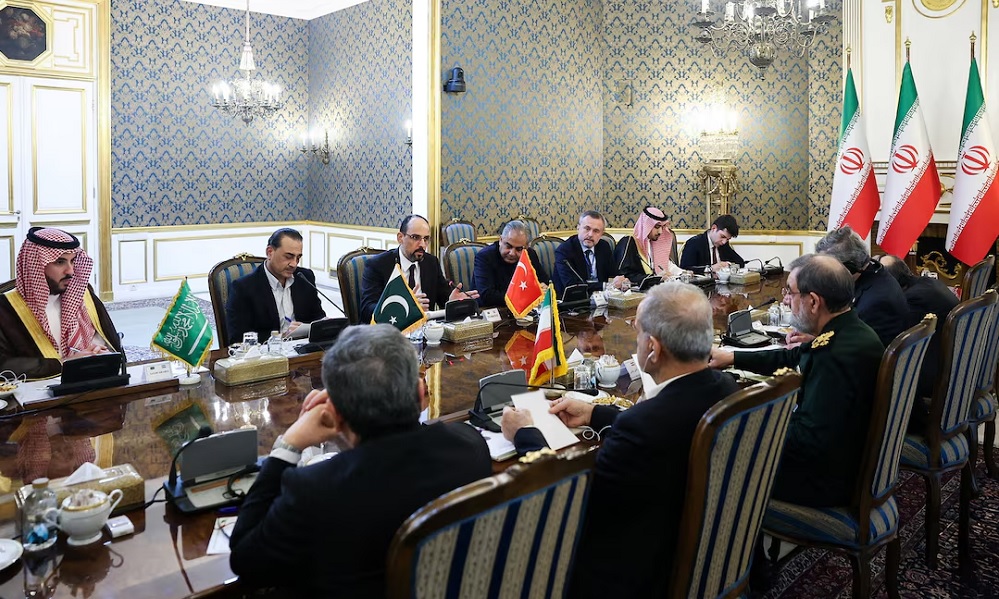
Saudi defence pact countries push for peace in Tehran as Houthis launch more attacks
-
 Latest News5 days ago
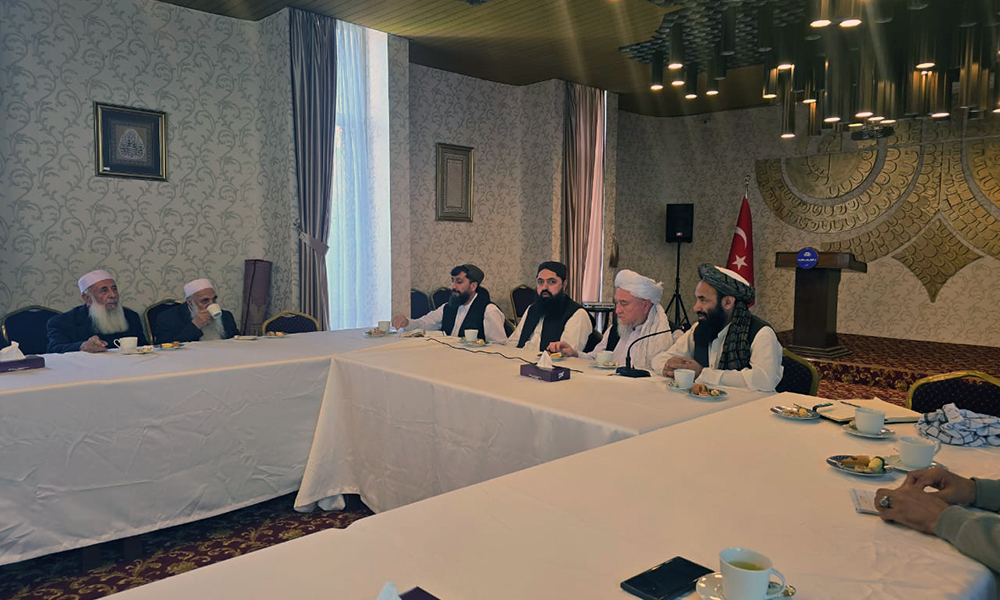
Afghan migrants in Türkiye seek solutions to residency and consular challenges