
Latest News
National futsal team sportsman speaks out about financial struggles

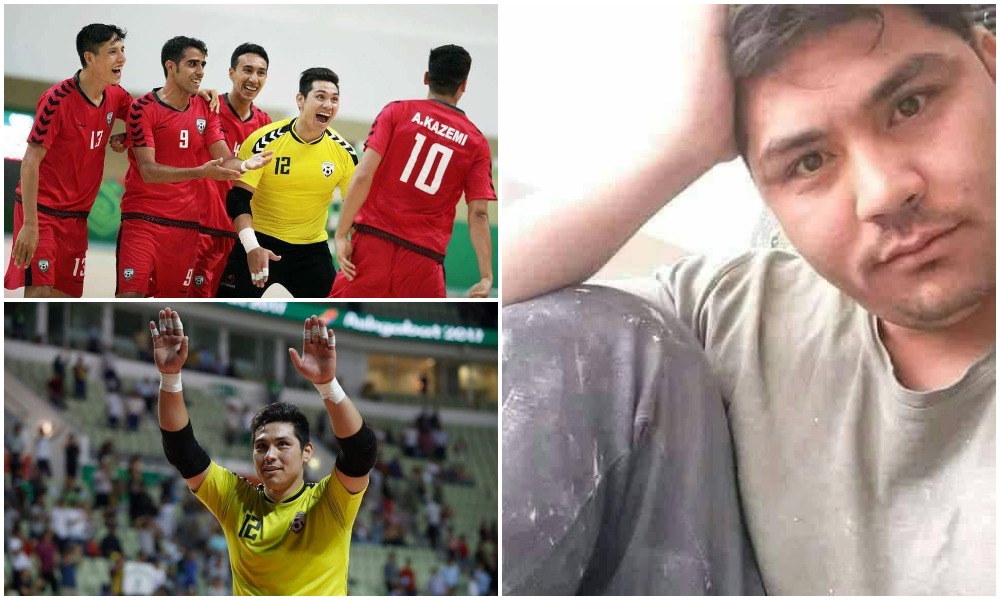
Afghan National Futsal Team goalkeeper, Alireza Ghorbani, has spoken out about the hardships local sportsmen face – despite putting everything into their chosen sport.
Afghanistan proved a strong side during the 2017 Asian Indoor Games, making it all the way through to the semi-finals, before being knocked out by Japan.
Twenty-nine-year-old Ghorbani, was a key player during this tournament, as goalkeeper but feels his achievements at the games have been forgotten about.
Ghorani today works as a laborer on a construction site in Iran in order to provide for his family.
In a telephonic interview with Ariana News, Ghorbani criticizes the government for not supporting Afghan athletes.
“I already have done everything for my country, what disturbs me is that no one gives importance to what I did, even nobody asked me how are you doing,” Ghorbani said.
Athletes who are on the Afghan National Team – except for the cricket players – each receive a 1,000 AFN (about $15) a month. However, athletes have questioned this stating government pays the cricket players a lot more.
Reports indicate that the Afghan government had allocated 100 million AFN for the Afghanistan Cricket Board for the year 1400 while only 50 million AFN had been allocated for the remaining 34 remaining federations including Football.
The Afghanistan Football Federation says its players have to be financially reliant on domestic leagues.
But according to the organization, no organized league is being held in Afghanistan due to a lack of financial support.





Latest News
Lavrov warns of western-backed ‘color revolutions,’ raises concerns over Afghanistan’s regional security
He also warned that radical groups were seeking to use Afghanistan as a launching pad to expand threats towards Central Asia and Russia.
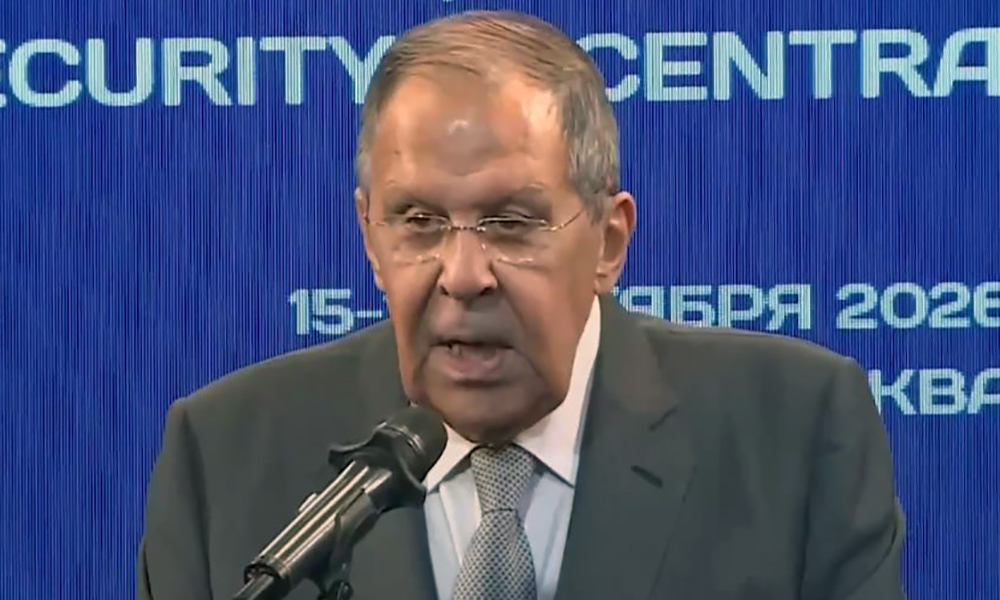
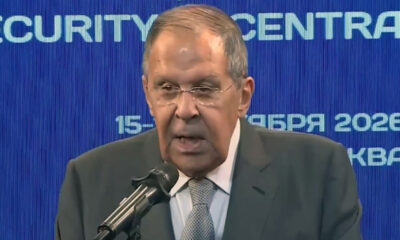
Russian Foreign Minister Sergey Lavrov has warned that any country, including Russia’s partners in Central Asia, could become a target of what he described as Western-orchestrated “color revolutions,” while raising concerns about security threats emerging from Afghanistan.
According to Russia’s TASS news agency, Lavrov made the remarks on Friday, October 16, during a conference on security in Central Asia and Afghanistan in Moscow, attended by representatives of the Collective Security Treaty Organization (CSTO), the Commonwealth of Independent States (CIS) and the Shanghai Cooperation Organization (SCO).
Lavrov said attempts to initiate such movements in several neighbouring countries had already been thwarted.
Lavrov Raises Concerns Over Afghanistan’s Security Legacy
Referring to the two decades of US and NATO military presence in Afghanistan, Lavrov said the consequences of what he described as an unsuccessful occupation would take a long time to overcome.
He also warned that radical groups were seeking to use Afghanistan as a launching pad to expand threats towards Central Asia and Russia.
This comes as the Islamic Emirate of Afghanistan has repeatedly stated that Afghan territory will not be used against any neighboring country, and that no armed group will be permitted to operate.
The meeting was held with the participation of representatives from the Collective Security Treaty Organization, the Commonwealth of Independent States, and the Shanghai Cooperation Organization.
Latest News
IEA leader urges students to pursue religious knowledge for faith, not worldly positions
Addressing students’ future responsibilities, he urged them not to focus on worldly positions and described their current period of study as a time of testing that requires caution.

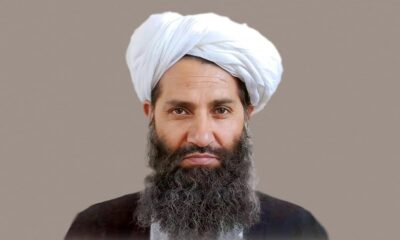
The supreme leader of the Islamic Emirate of Afghanistan (IEA), Sheikh Hibatullah Akhundzada, has stressed the importance of religious education, sincerity, humility and respect for teachers in a speech at the Jihadi Madrasa in Kandahar, urging students to continue their studies and share their knowledge with others.
Hamdullah Fitrat, deputy spokesperson for the Islamic Emirate of Afghanistan, released details of the speech, saying Akhundzada addressed the gathering on Thursday afternoon, the third of Jumada al-Awwal 1448 in the Islamic calendar.
Emphasis on Religious Education and Social Reform
According to Fitrat, Akhundzada described knowledge as an attribute of Allah and said acquiring knowledge brings people closer to Allah and helps them attain spiritual perfection.
He said education and the pursuit of knowledge were necessary to eliminate corruption and promote reform in society, adding that religious scholars and the public should continue religious education and teaching to preserve the faith.
Akhundzada also described religious scholars as heirs of the prophets, saying religious rulings, decisions and Islamic law are conveyed to the public through scholars, who also play a role in reforming society.
Warning Against Pursuing Worldly Status Through Education
According to the deputy spokesperson’s account, Akhundzada urged students to acquire knowledge with the intention of understanding and practising their religion rather than seeking social recognition, status or worldly privileges.
He said religious knowledge should be pursued for practical application and that students had a responsibility to pass their knowledge on to others.
He also described knowledge as a trust that must not be concealed, urging students to communicate religious teachings to the public under all circumstances.
Students Urged to Respect Teachers and Continue Learning
Akhundzada called on students not to abandon their studies and to continue working to expand their knowledge. He also warned against arrogance and pride when learning from others.
He encouraged students to attend jurisprudential and academic gatherings after graduation, saying such meetings provide opportunities to exchange knowledge and learn from one another.
Addressing students’ future responsibilities, he urged them not to focus on worldly positions and described their current period of study as a time of testing that requires caution.
He also stressed the importance of respecting teachers, urging students to treat them with great respect, remain humble, value their religious schools and fellow students, and pay close attention to school regulations.
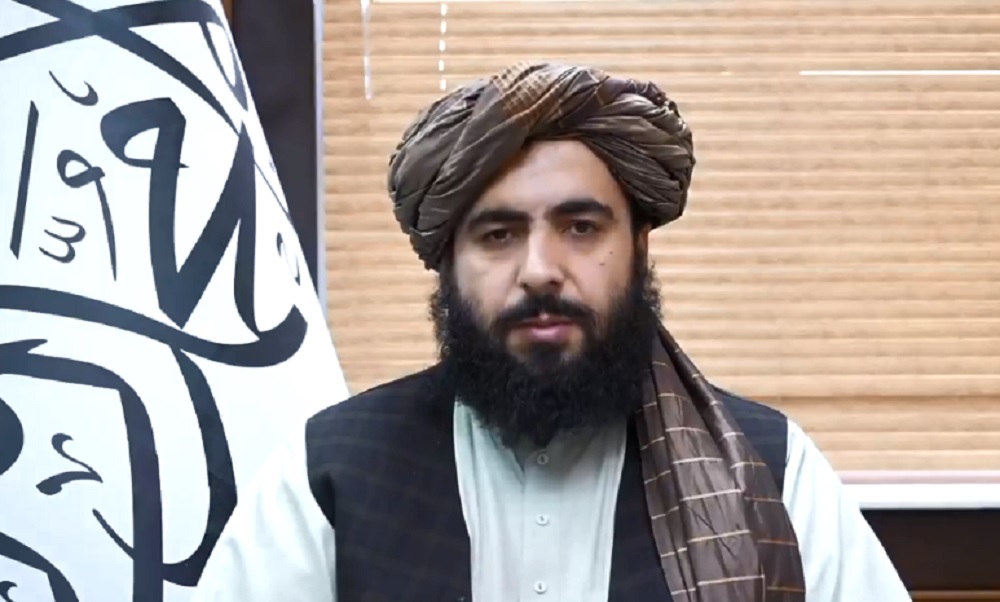
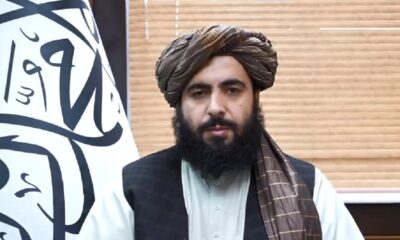
Hamdullah Fitrat, Deputy Spokesperson for the Islamic Emirate, has called on the United Nations Assistance Mission in Afghanistan (UNAMA) to base its assessments on accurate information and objective facts in response to the mission’s latest report.
Fitrat said the report described the detention of some individuals by the Ministry for the Propagation of Virtue and Prevention of Vice and other official institutions of the Islamic Emirate as “arbitrary.” However, he claimed that these detentions were carried out in accordance with applicable laws and regulations to prevent acts deemed contrary to Sharia and to reform individuals.
The deputy spokesperson added that governments in various countries also carry out such detentions.
He also questioned why UNAMA’s report had not mentioned the efforts and achievements of various Islamic Emirate institutions in providing assistance to the public, accommodating returning migrants, preventing security threats, making political progress, and implementing major economic projects with humanitarian dimensions.
Criticizing UNAMA’s approach, Fitrat said that instead of working to bring Afghanistan and the international community closer together and resolve misunderstandings, the mission was engaged in what he described as “propaganda against the system” and seeking to portray
Afghanistan negatively. He said this approach was inconsistent with the principle of neutrality that the mission is expected to uphold.


Lavrov warns of western-backed ‘color revolutions,’ raises concerns over Afghanistan’s regional security

IEA leader urges students to pursue religious knowledge for faith, not worldly positions

Trump says he is talking to Russia and China about denuclearization

IEA calls on UNAMA to base its reports on facts

Saar: Review of state officials’ visits to Kabul over past month discussed

Cricket Bonanza: Afghanistan set for packed international schedule

Afghanistan says 28 killed, 32 captured in Nuristan operation

CNN, MS NOW and Politico sue Trump, challenging White House ban

Silk Road highway in Wakhan corridor now reaches the China border

Dogharoun handles 60% of Iran’s exports to Afghanistan
Saar: Review of state officials’ visits to Kabul over past month discussed

Tahawol: Kyrgyzstan’s rejection of Afghan refugees discussed

Saar: Central Asia’s trade alternative to Pakistan discussed

Tahawol: Warnings over worsening insecurity in Pakistan discussed

Saar: Concerns over potential return of US military bases to Afghanistan discussed
-

 World4 days ago
One dead in new attack on Saudi airport, a day after Houthi strike kills 13
-
 Sport5 days ago
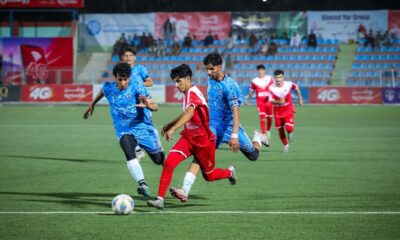
Afghanistan Champions League second half to kick off on October 16
-
 Latest News2 days ago
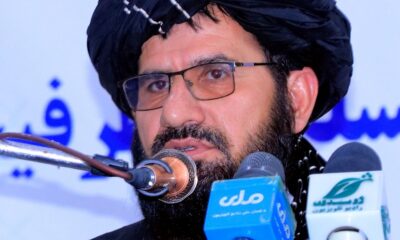
Afghan official says Durand Line crossings to remain closed until Islamabad accepts demands
-
 Regional4 days ago
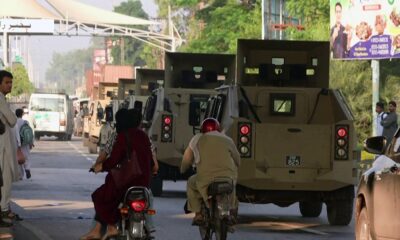
Pakistan deploys military to Peshawar after emergency rule declared
-

 Sport2 days ago
Afghan futsal coach: Brazil tournament is first step towards new goals and World Cup
-

 Sport5 days ago
Bangladesh take 329-run lead against Afghanistan in one-off Test
-
 Business4 days ago
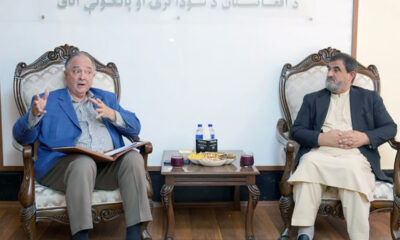
Afghanistan, US business leaders discuss trade and investment opportunities
-
 Latest News5 days ago
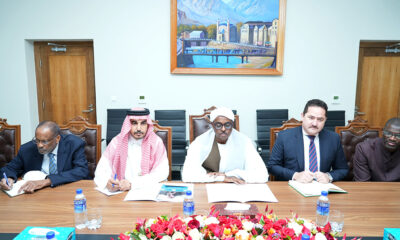
Muttaqi meets OIC deputy secretary-general to discuss expanding cooperation with Afghanistan