
Business
New pine nut plant will boost Paktia economy and provide 1,000 jobs


For many Paktia residents struggling to earn a living, the new Rahim Gardezi pine nut processing plant will bring much relief.
According to provincial officials, 90 percent of construction work is complete and the plant will soon be officially opened.
Naser Alam Yar, Paktia Chamber of Commerce’s chief, says the factory will employ 1,000 people and process about 60,000 tonnes of pine nuts a year.
For local residents this is good news – especially after agriculture officials in the southeastern province said recently that this year’s pine nut harvest totalled around 13,000 tons — up about 1,000 tons compared to last year.
Bahadur Mangal, a pine nut trader in Paktia province, told Pajhwok Afghan News that modern agriculture methods still need to be introduced in order for farmers to increase their harvests.
He said however that pine nut harvesting was an important source of income for hundreds of people in the province but that yields could increase if plantations were expanded.
About two years ago President Ashraf Ghani pledged to help turn Paktia’s economy around by starting up a pine nut processing factory and launching other viable projects.
However, residents have said they are still waiting for economic development projects to be launched in the province.





Business
Afghanistan, Kuwait explore new investment and trade opportunities
The Afghan Embassy in Kuwait said the talks focused on Afghanistan’s security and stability, economic potential and available investment opportunities.
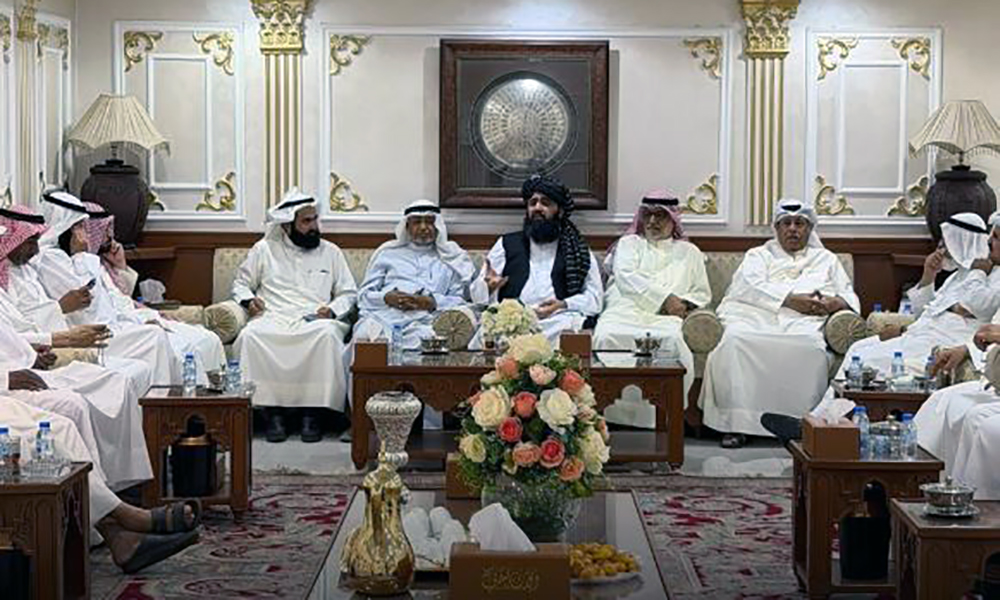
Afghanistan and Kuwait have discussed expanding trade and investment cooperation during a meeting between Afghanistan’s Chargé d’Affaires in Kuwait, Mohammad Shafiq Khatib, and prominent Kuwaiti investor Ajeej Khalaf, along with a number of businessmen and investors.
The Afghan Embassy in Kuwait said the talks focused on Afghanistan’s security and stability, economic potential and available investment opportunities.
The sides stressed the importance of strengthening trade and economic ties and expanding investment cooperation between the two countries.
Khatib invited Kuwaiti businessmen and investors to visit Afghanistan, explore investment opportunities and consider investing in various sectors of the Afghan economy.
The meeting comes as Afghanistan seeks to attract more foreign investment and strengthen economic and commercial ties with regional and international partners.
Business
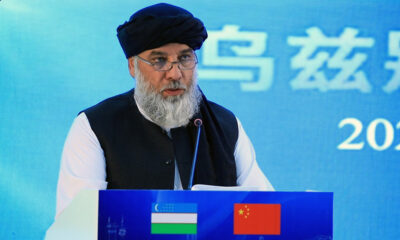
Azizi: Afghanistan ready to attract Chinese and Uzbek investment
On the sidelines of the conference, Azizi and his delegation visited an exhibition showcasing Uzbek products and manufactured goods.
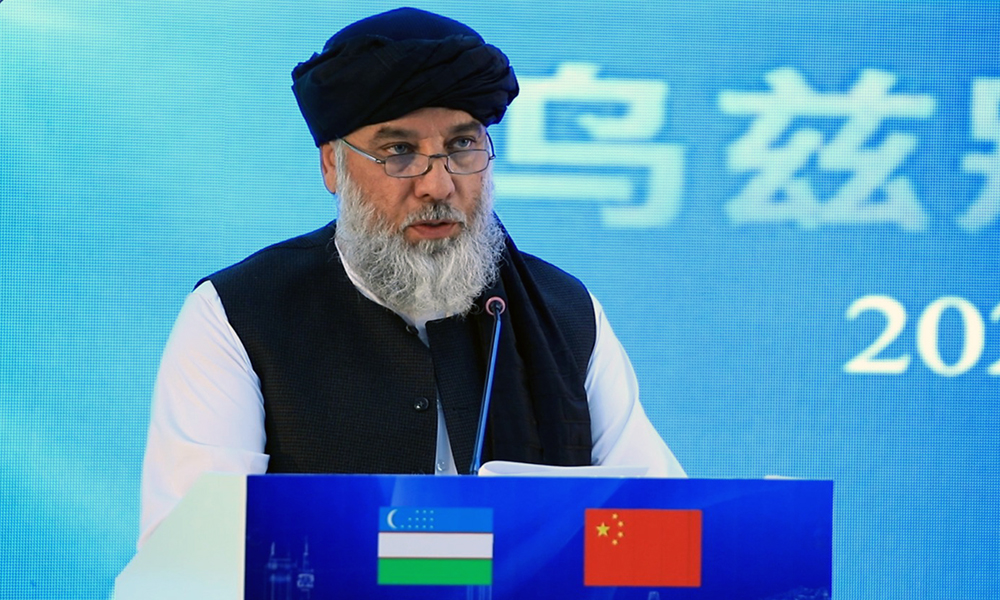
Afghanistan is ready to attract investment from Chinese and Uzbek companies across key sectors of the economy, Minister of Industry and Commerce Nooruddin Azizi said at a trade conference in Uzbekistan’s Termez.
Speaking at the Surkhandarya–China Trade Conference, Azizi said recent exchanges between Afghan, Uzbek and Chinese officials and business delegations had opened new opportunities for trade, transit and investment.
He described China as a key economic partner and an important player in strengthening regional connectivity, while emphasizing the need to increase Afghan exports to regional markets, particularly China.
Azizi said Afghanistan was prepared to facilitate investment by Chinese and Uzbek companies in mining, agriculture, food processing, energy, manufacturing, machinery and economic infrastructure.
He also called for the development of new transit corridors linking Central Asia with China, saying Afghan exports could be transported through Uzbekistan’s trade networks to China and other regional markets.
The minister said joint investment and the processing of Afghanistan’s raw materials inside the country could create sustainable and mutually beneficial economic opportunities across the region.
Officials from Afghanistan, Uzbekistan and China, as well as private-sector representatives, attended the conference.
Balkh Governor Mohammad Yousuf Wafa highlighted the longstanding friendly relations between Afghanistan and Uzbekistan and the investment opportunities available in Balkh province.
On the sidelines of the conference, Azizi and his delegation visited an exhibition showcasing Uzbek products and manufactured goods.
Business
Uzbekistan, Kazakhstan target Afghanistan in push to expand regional trade
According to Uzbek media, the initiative was discussed during the Uzbek-Kazakh Business Forum in Tashkent.
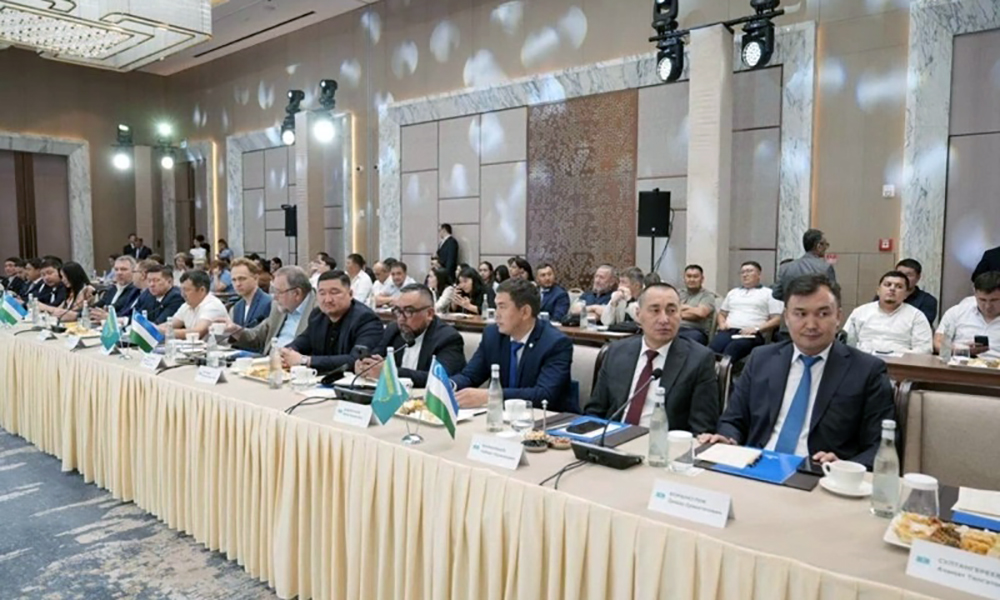
Uzbekistan and Kazakhstan are seeking to deepen economic cooperation and jointly expand into new regional markets, including Afghanistan, as part of broader efforts to strengthen trade and investment across Central Asia and the Middle East.
According to Uzbek media, the initiative was discussed during the Uzbek-Kazakh Business Forum in Tashkent, where business leaders and trade associations from both countries explored opportunities to promote their products in third-country markets, particularly Afghanistan, Syria and Iraq.
Afghanistan featured prominently in the discussions, with participants noting that Kazakhstan’s exports to Afghanistan reached nearly $500 million during the first seven months of 2025—almost matching the country’s total exports to Afghanistan for all of 2024. Officials said the long-term goal is to increase exports to $3 billion.
The forum also highlighted growing imports of mineral raw materials from Afghanistan. Participants discussed a proposed agreement to supply Afghan zinc ore to the Almalyk Mining and Metallurgical Complex in Uzbekistan.
Beyond Afghanistan, delegates examined emerging business opportunities in Syria and Iraq, where reconstruction efforts are expected to drive demand for food products, construction materials and industrial goods.
The forum also focused on improving regional logistics. Officials discussed using available capacity on Turkish freight trucks transiting Uzbekistan, a move expected to reduce transport costs and improve access to regional markets.
At the conclusion of the forum, both sides agreed to organise joint business missions to third-country markets, including Aleppo, Syria, in late September and Erbil, Iraq, in early October, with the aim of strengthening commercial partnerships and identifying new investment opportunities.
The discussions reflect growing economic cooperation between Uzbekistan and Kazakhstan as both countries seek to expand regional connectivity, diversify exports and strengthen trade links with neighbouring markets, including Afghanistan.


Turkey slams Israel’s ‘untenable’ claims after strikes on Syrian base

Sirajuddin Haqqani: We should accept the legitimate demands of the people

Humanoid robots face tougher football challenge at World Robot Games

At least nine killed in hotel fire in India’s Kolkata

Islamic Emirate congratulates Afghans on 107th independence anniversary

Pakistan’s governance system has ‘collapsed’: Mohsin Naqvi

AFC confirms clubs for 2026/27 competitions; draw set for August 18

Afghanistan exports first stone shipment to US in $100,000 trade milestone

Germany defends Afghan deportation policy after fatal Trier knife attack

World Cup 2026 ends in glory for Spain after month of football magic

Tahawol: Iran’s position on recognizing Islamic Emirate discussed

Saar: Afghanistan’s policy of avoiding confrontation discussed

Tahawol: U.S. non-recognition of IEA

Saar: Tensions between Iran and the United States

Debate with Nooruddin Azizi, Minister of Industry and Commerce
-
 Latest News4 days ago
Afghanistan expresses regret over civilian death in Tajikistan border incident
-
 Latest News2 days ago
Juma Khan Fateh surrenders to IEA forces in Badakhshan
-
 Business3 days ago
Azizi: Afghanistan ready to attract Chinese and Uzbek investment
-

 Latest News4 days ago
Muttaqi urges U.S. to reopen Kabul embassy, invest in Afghanistan’s mines
-

 Sport4 days ago
Afghanistan crowned champions of five-match ODI series against Ireland
-
 Latest News3 days ago
Iran eyes Afghanistan as key economic opportunity amid sanctions
-

 Climate Change3 days ago
US Midwest reels from deadly storms and historic floods
-

 World4 days ago
Five killed in Michigan shooting; suspect found dead after manhunt