
Latest News
One in five Afghans at risk from Landmines, HALO Trust warns
The crisis has worsened following the return of hundreds of thousands of Afghan refugees expelled from neighboring Pakistan and Iran.


A fifth of Afghanistan’s population is at risk of death or serious injury from landmines and unexploded ordnance, according to a new warning from HALO Trust, the world’s largest demining organization.
In a recent analysis, the charity revealed that around 6.4 million people—roughly 20% of Afghans—live in areas contaminated by remnants of decades of conflict.
Afghanistan is now the second most heavily mined country in the world, behind only Ukraine, and is in danger of becoming “a forgotten humanitarian problem.”
The HALO Trust reports that civilians continue to be killed or maimed by explosive devices on a monthly basis, with children accounting for more than 80% of the casualties. Many young victims are injured while scavenging for scrap metal to help support their families.
The crisis has worsened following the return of hundreds of thousands of Afghan refugees expelled from neighboring Pakistan and Iran.
Many of these returnees, displaced after the Islamic Emirate’s return to power in 2021, are resettling in hazardous areas with limited resources or support.
Since beginning operations in Afghanistan in 1998, HALO Trust has cleared more than 800,000 landmines and 11 million items of unexploded ordnance.
However, recent cuts to international aid—particularly from the U.S. Agency for International Development (USAID), once a major funder—have forced the charity to reduce its Afghan staff from 2,200 to 1,000.
“Afghanistan is now a forgotten humanitarian problem,” said Dr. Farid Homayoun, the HALO Trust’s Afghanistan Programme Manager.
“The Afghan people have endured more than four decades of war, displacement, and poverty. The international community must not abandon them before the job is done.”
The warning comes amid growing concern over the future of global demining efforts. Earlier this year, HALO Trust raised alarms after several European countries signaled intentions to withdraw from the Ottawa Treaty, the landmark 1997 agreement that bans anti-personnel mines.

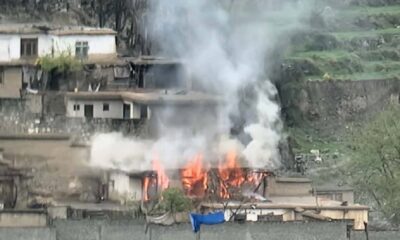



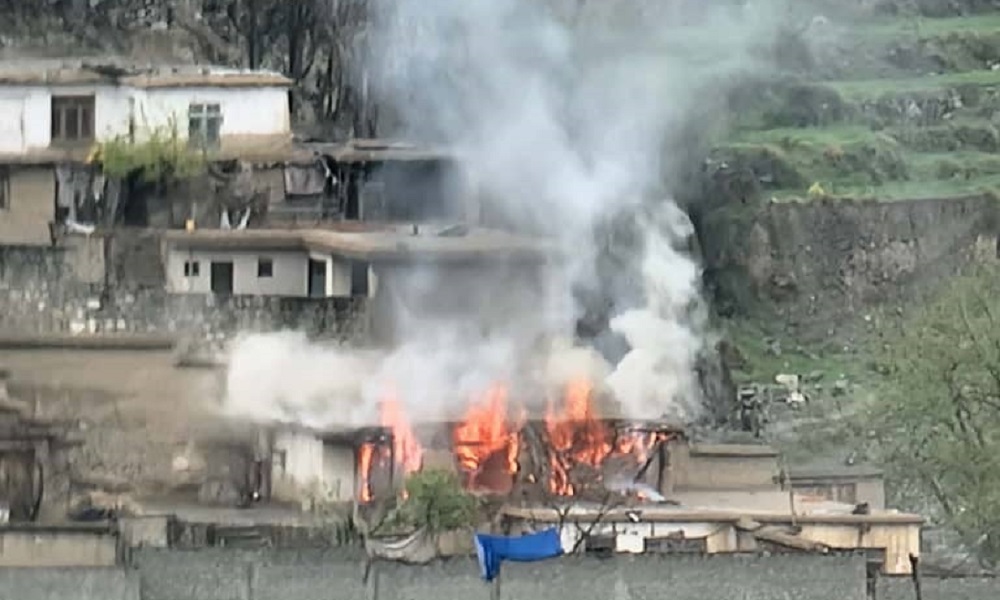
Farid Dehqan, spokesperson for the Khas Kunar police command, said that rocket attacks by the Pakistani military regime are still ongoing in the province.
These attacks come despite earlier announcements by the Pakistani military of a temporary ceasefire for Eid.
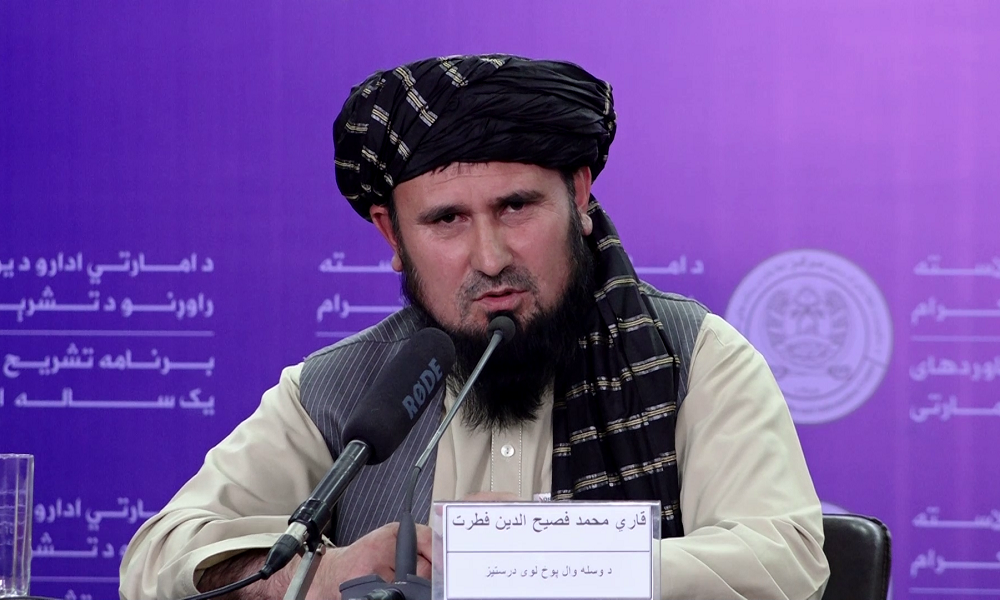
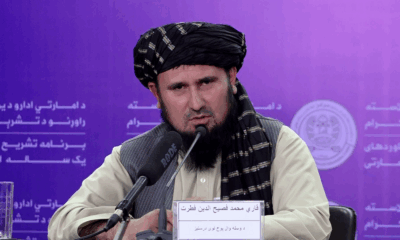
Afghanistan’s Chief of Armed Forces, Fasihuddin Fitrat, said in his Eid message that Pakistan’s military regime has violated the ceasefire along the Durand line.
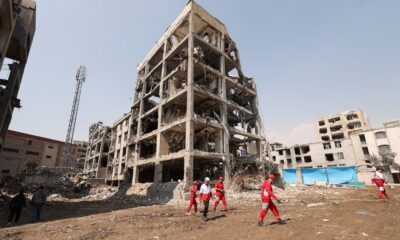
According to the Eid message released by the Ministry of Defense, several civilians were killed in attacks carried out by Pakistani forces in border areas.
Fitrat added that the continuation of Pakistan’s attacks despite the ceasefire “demonstrates a lack of commitment and deception” on the part of the country.
He stressed that the Islamic Emirate has refrained from retaliatory action in order to prevent further deterioration of the situation and has remained committed to the ceasefire.
However, he warned that if such attacks are repeated, “the ceasefire will become meaningless,” and the Islamic Emirate will deliver a “decisive response” to Pakistan’s actions.
It is worth noting that the Islamic Emirate and Pakistan reached a temporary ceasefire on the occasion of Eid al-Fitr through mediation by Qatar, Turkey, and Saudi Arabia.
Latest News
Security Sources: Pakistani military shelling in Kunar and Nuristan leaves female doctor dead
The sources said the vehicle was struck by gunfire and subsequently fell into the Kunar River.
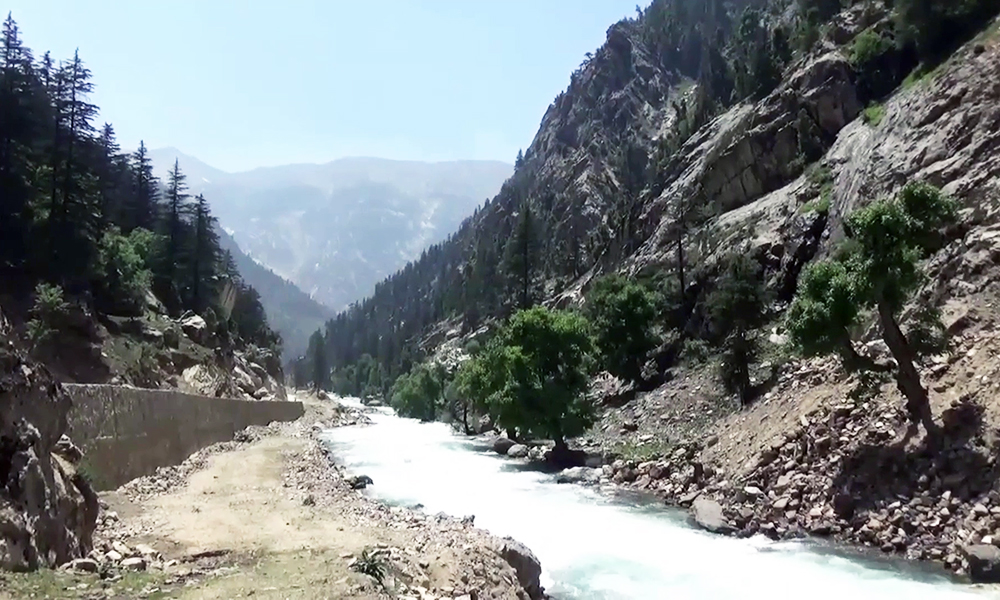
Security sources report that several security incidents in the eastern provinces of Kunar and Nuristan have resulted in the death of a female doctor, injuries to others, and several people reported missing.
According to the sources, early Thursday morning at around 9:30 a.m., Pakistani military forces opened fire on a Toyota vehicle in the Dokalam Baghcha area of Nari district in Kunar province.
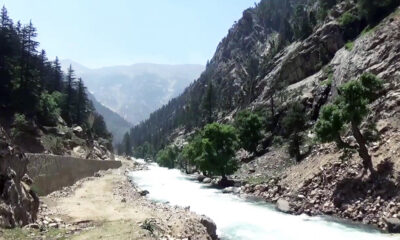
The sources said the vehicle was struck by gunfire and subsequently fell into the Kunar River. As a result of the incident, a female doctor was killed and another person was injured. Five other individuals who were reportedly in the vehicle remain missing, the sources added.
In a separate incident, security sources stated that around 11:00 a.m. in the Seno area of Shultan district, Kunar province, Pakistani forces carried out artillery shelling that left one person injured. The injured individual was transferred to the provincial hospital for medical treatment.
Meanwhile, security sources in Nuristan say that despite Pakistan’s announced ceasefire, the main road between Kamdesh and Barg-e-Matal districts has been completely closed to traffic since Thursday morning.
According to the sources, the closure of the route has caused serious difficulties for local residents, preventing any movement in the area. The sources also claim that Pakistani military posts are located within close proximity of the road and have opened fire on people attempting to pass through the area.


Pakistan’s rocket attacks still ongoing on Nari district, Kunar

FIFA Council highlights football’s role in peace, announces record investments

FIFA sanctions Israeli Football Association over discrimination violations

IEA defense ministry accuses Pakistan of ceasefire violations

Israel launches new wave of attacks on Iran as regional crisis deepens

Pakistani military jet downed in Afghanistan’s Jalalabad, pilot captured alive

Afghan Air Force conducts airstrikes in Islamabad, other cities

Afghanistan’s Chief of Armed Forces underscores readiness and equipment for national defense

Afghanistan welcomes investment and technology partnerships with India

Prominent Muslim scholar issues fatwa calling for Afghanistan-Pakistan ceasefire

Tahawol: Temporary ceasefire draws broad support

Saar: Emphasis on resolving conflicts through diplomacy

Tahawol: Global reactions to Pakistan’s recent attacks discussed

Saar: Consequences of Pakistani airstrikes on Afghans discussed

Tahawol: Pakistan’s new attacks on Kabul hospital discussed
-
 Latest News4 days ago
IEA Supreme Leader issues Eid-ul-Fitr message urging unity and support for Islamic system
-
 Latest News5 days ago
Afghan airstrike targets a military camp in South Waziristan
-

 Business4 days ago
Turkmenistan, Afghanistan discuss steps to speed up land acquisition for TAPI pipeline
-

 Sport5 days ago
IPL 2026 kicks off in under two weeks; Afghan players set to shine
-
 Latest News2 days ago
IEA announces temporary pause in defensive operations against Pakistan for Eid
-
 Sport3 days ago
Afghanistan national buzkashi team defeats Hungary 14–0
-
 Latest News5 days ago
China offers to mediate between Kabul and Islamabad
-

 Latest News4 days ago
CAIR-Texas calls for probe after Afghan refugee dies in ICE custody