
Latest News
Pakistan signals possible air strikes as Kabul releases Pakistani soldiers in goodwill move
The minister also referred to continuing friction with India, cautioning that the risk of confrontation between the two nuclear-armed neighbours persists amid strained relations.

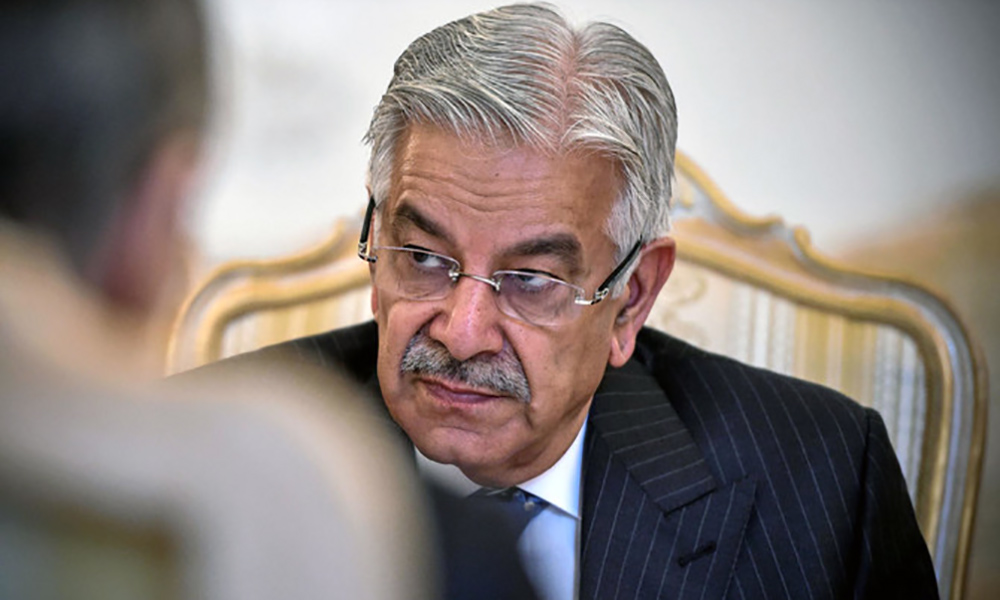
Pakistan’s Defence Minister, Khawaja Asif, has warned that Islamabad could launch air operations inside Afghanistan if it considers them necessary, raising regional tensions even as Kabul recently undertook a goodwill gesture.
In an interview with a French media outlet, Asif alleged that recent attacks within Pakistan were part of what he described as a “proxy conflict” involving Afghan authorities and India. He claimed that militant groups operating from Afghan territory were responsible for cross-border violence and said Pakistan would not hesitate to take military action if required.
The minister also referred to continuing friction with India, cautioning that the risk of confrontation between the two nuclear-armed neighbours persists amid strained relations.
His remarks come shortly after a conciliatory step by Kabul. Zabihullah Mujahid, spokesperson for the Islamic Emirate of Afghanistan, announced that three Pakistani soldiers captured during border clashes in October 2025 were released to mark the holy month of Ramadan.
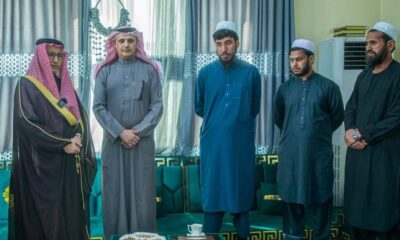
According to Mujahid, the release was carried out as a gesture of goodwill and in line with the Islamic Emirate’s stated policy of maintaining positive relations with all countries. He said the decision followed a request from Saudi Arabia and that the soldiers were handed over to a Saudi delegation.
Relations between Afghanistan and Pakistan have faced repeated strains in recent years, largely over security concerns and allegations of cross-border militancy. Afghan officials, however, have consistently maintained that Afghan soil will not be used against any other country.








Latest News
Afghanistan’s Chief of Armed Forces underscores readiness and equipment for national defense
The ceremony marked the eighth graduation from the 313 Central Corps Training Center, with 153 soldiers officially completing their training.
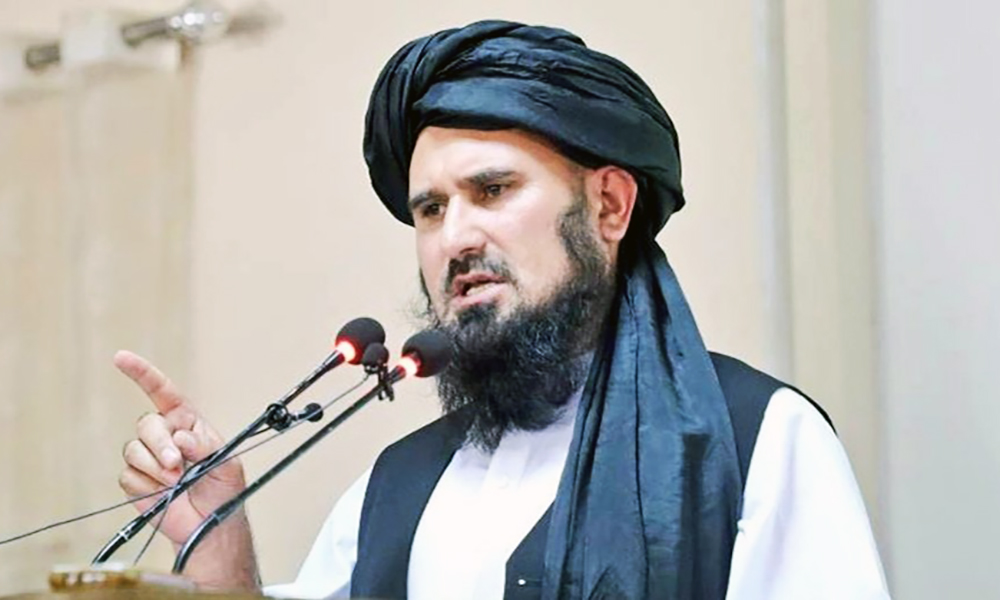
Afghanistan’s Chief of Armed Forces, Fasihuddin Fitrat, has emphasized the vital importance of military readiness and proper equipment.
Speaking at the graduation ceremony of 153 personnel from the 313 Central Corps, Fitrat stressed that preparedness is essential to defend against those who challenge the unity, strength, and honor of the Islamic system and the Afghan people.
He highlighted that even during past sensitive and challenging conditions, the Islamic Emirate maintained fully trained and equipped forces.
The Ministry of Defense reiterated that maintaining readiness and proper armament is both a religious and national duty. Leaders of the Islamic Emirate have historically ensured that their forces remain prepared under all circumstances, the ministry added.
The ceremony marked the eighth graduation from the 313 Central Corps Training Center, with 153 soldiers officially completing their training.
Officials highlighted that the Islamic Emirate continues to prioritize the comprehensive readiness of its forces to counter any potential threats to national security.
Latest News
Kazakhstan and Uzbekistan shift to opportunity-focused approach on Afghanistan; regional cooperation highlighted
Esmatullah Ergashev, Uzbekistan’s special representative for Afghanistan, noted that Central Asian countries plan to advance joint projects in Afghanistan and further expand regional cooperation.
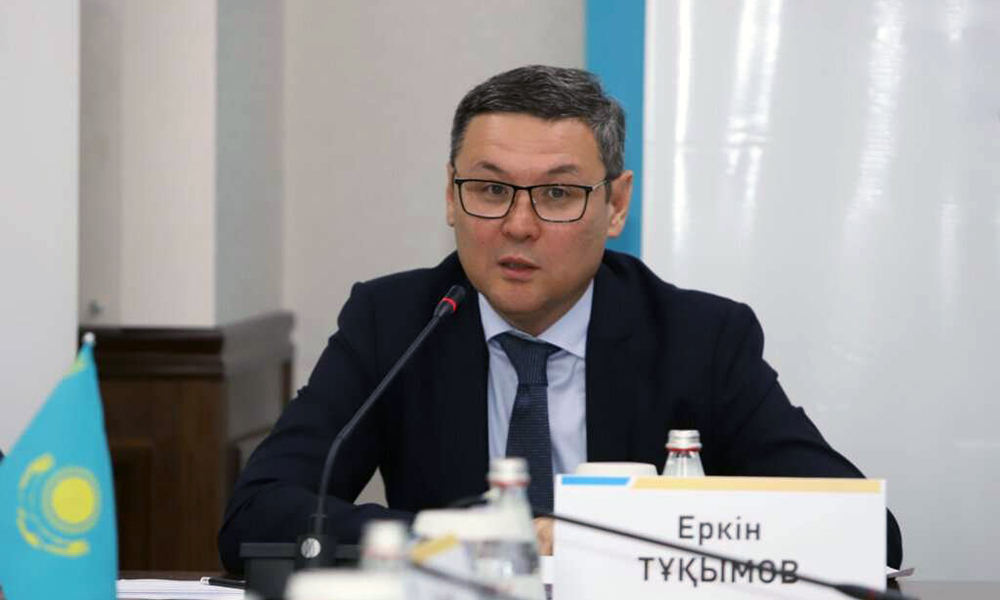
Astana recently hosted an extraordinary meeting of the Regional Contact Group on Afghanistan, bringing together representatives from Kazakhstan, Kyrgyzstan, Uzbekistan, and Tajikistan to discuss regional engagement and cooperation with Afghanistan.
Yerkin Tokumov, Kazakhstan’s special presidential representative for Afghanistan, said the country is moving away from viewing Afghanistan solely as a security concern and is adopting an opportunity-driven approach.
He stressed the importance of strengthening political, economic, trade, and transit ties, highlighting Afghanistan’s role as a strategic bridge between Central and South Asia.
Esmatullah Ergashev, Uzbekistan’s special representative for Afghanistan, noted that Central Asian countries plan to advance joint projects in Afghanistan and further expand regional cooperation.
The meeting underscores a growing consensus among Afghanistan’s neighbors to leverage opportunities for partnership, aiming to foster regional stability, enhance economic integration, and support sustainable development initiatives in the country.
Latest News
Da Afghanistan Breshna Sherkat extends electricity import agreement with Iran for 1405
Afghanistan remains heavily dependent on imported electricity, with a significant share of its power supplied by neighboring countries including Iran, Uzbekistan, Turkmenistan, and Tajikistan.
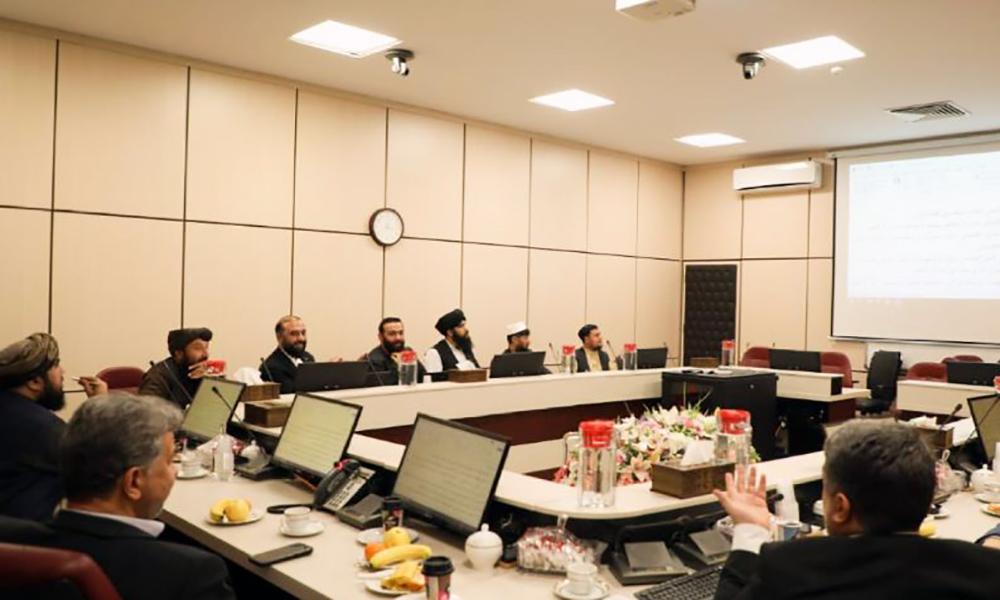
Da Afghanistan Breshna Sherkat (DABS), Afghanistan’s national power utility, has signed an agreement with Iran to continue importing electricity for the solar year 1405 (2026–2027), as part of efforts to stabilize power supplies amid growing domestic demand.
The agreement was signed during an official visit to Iran by a high-level DABS delegation led by its Chief Executive Officer, Alhaj Mullah Abdul Haq Hamkar.
The delegation held extensive meetings with Iranian energy officials in Tehran, focusing on the extension of existing power purchase arrangements as well as broader cooperation in electricity transmission and infrastructure development.
According to DABS, the discussions also addressed technical coordination, capacity expansion, and the reliability of cross-border electricity transmission lines linking the two countries. The visit was conducted at the invitation of Tavanir, the Iranian state organization responsible for electricity generation, transmission, and distribution.
Afghanistan remains heavily dependent on imported electricity, with a significant share of its power supplied by neighboring countries including Iran, Uzbekistan, Turkmenistan, and Tajikistan.
Domestic power generation covers only a fraction of national demand, particularly during winter months and periods of peak consumption, making long-term import agreements critical for maintaining supply to urban centers and industrial zones.
DABS officials said sustained engagement with regional electricity-exporting countries has helped strengthen energy cooperation and improve procurement planning.
The extension of the agreement with Iran is expected to support energy security, reduce supply disruptions, and provide greater predictability for Afghanistan’s power sector as authorities continue to explore domestic generation and renewable energy projects.


Norway continues to lead medal race as 2026 Winter Olympics continue in Italy

Afghan Peaks founder climbs Aconcagua to promote Afghanistan’s mountain potential

Pakistan signals possible air strikes as Kabul releases Pakistani soldiers in goodwill move

Tahawol: Release of three Pakistani prisoners by IEA discussed

Saar: Moves toward unified policy on Afghanistan

Afghan traders sign deal to import pharmaceuticals from Bangladesh

AFC Futsal Asian Cup 2026: Day One Review

AFC Futsal Asian Cup: Afghanistan to face Iran in crucial Group D clash

Russia signals interest in expanding investment and trade ties with Afghanistan

Afghanistan shine on Day Two of AFC Futsal Asian Cup Indonesia 2026
Tahawol: Release of three Pakistani prisoners by IEA discussed
Saar: Moves toward unified policy on Afghanistan

Tahawol: Afghanistan’s role in regional connectivity and trade

Saar: Activities of aid organizations in Afghanistan

Tahawol: Afghanistan’s claim of Pakistan nurturing Daesh
-
 Latest News2 days ago
IEA releases three Pakistani soldiers to mark Ramadan
-
 Latest News2 days ago
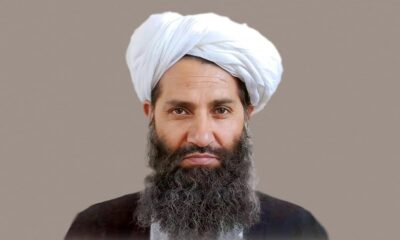
Grateful to Afghans and Ulama for obeying the Islamic Emirate, says Hibatullah Akhundzada
-
 Latest News3 days ago
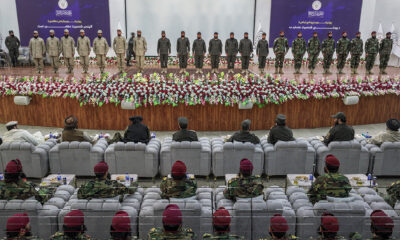
Afghanistan’s defense ministry unveils new military uniforms for armed forces
-
 Latest News4 days ago
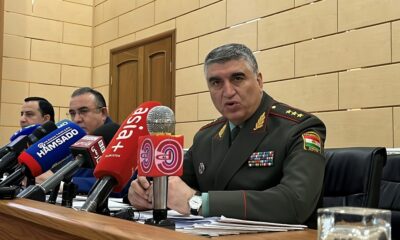
Tajikistan: Recent attacks from Afghanistan aimed at damaging our relations with China
-
 Business4 days ago
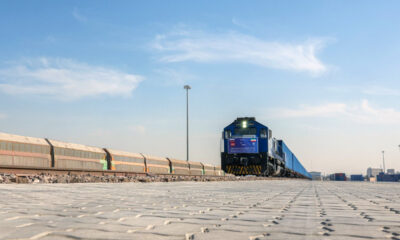
Iran–China rail link via Afghanistan proposed to cut transit time
-
 Latest News5 days ago
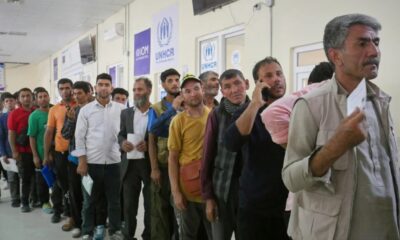
UN warns mass return of Afghans from Pakistan and Iran is pushing Afghanistan to the brink
-

 Latest News5 days ago
Japan maintains direct contacts with IEA officials through Kabul Embassy
-
 Latest News4 days ago
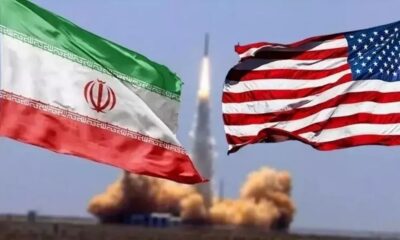
Iran would prevail in potential conflict with the United States, says IEA spokesman