
Latest News
Pakistan’s attack on Kabul hospital a clear violation of humanitarian principles: Muttaqi

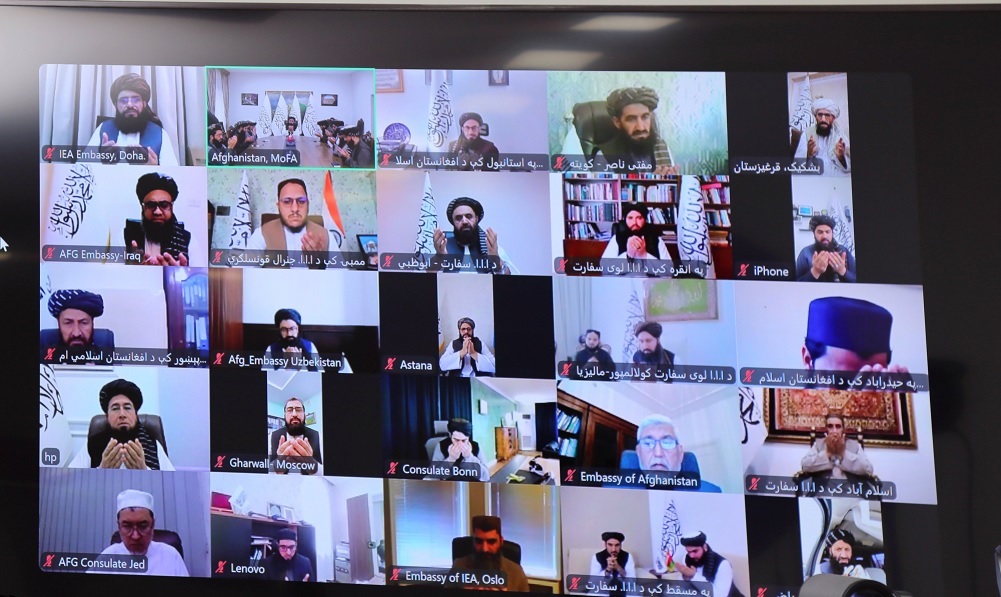
Afghanistan’s Foreign Minister Amir Khan Muttaqi has described Pakistan’s airstrike on a drug rehabilitation hospital in Kabul as a “clear violation of humanitarian principles,” during an online meeting with Afghan embassies and consulates.
The virtual briefing, held in the wake of his address to foreign diplomats in Kabul, focused on recent tensions with Pakistan and the latest developments following the strike.
According to the Foreign Ministry, Muttaqi instructed Afghan diplomats to actively communicate the Islamic Emirate’s position to the international community, while outlining Kabul’s policies and next steps in response to the escalating situation.
He also reviewed what he called repeated violations of Afghanistan’s sovereignty by Pakistan in recent weeks.
The airstrike, which took place on Monday night, hit the 2,000-bed Omid Hospital in Pul-e-Charkhi, killing more than 400 people and injuring at least 265 others, most of them patients undergoing drug rehabilitation treatment.






Latest News
Afghanistan summons Pakistani diplomat over airstrikes in Kunar and Paktika
According to the ministry, a formal letter of protest was handed to the Pakistani diplomat, strongly condemning what it described as violations of Afghan territory.
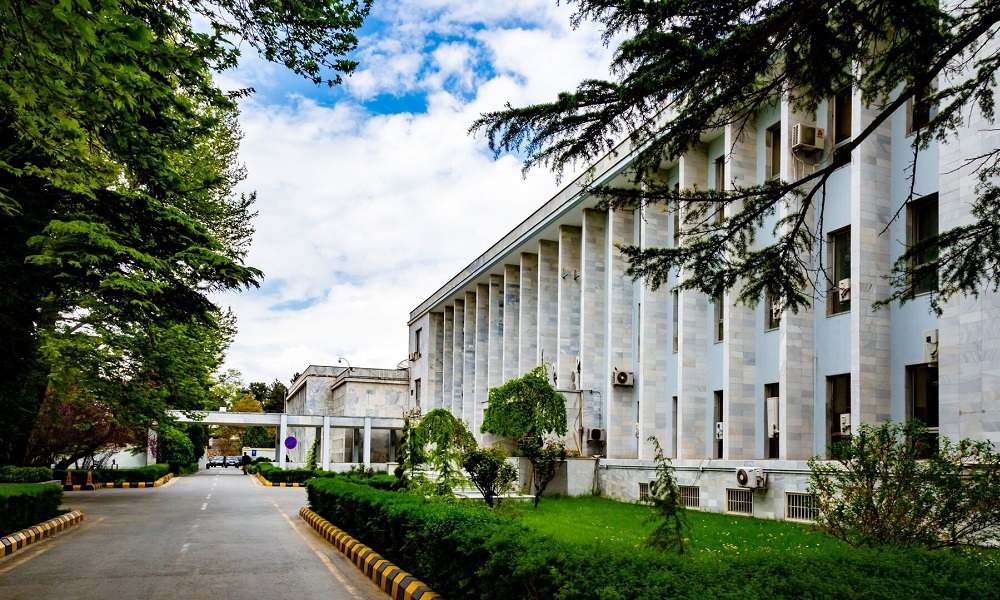
Afghanistan’s Ministry of Foreign Affairs has summoned Pakistan’s chargé d’affaires in Kabul and lodged a formal protest over reported Pakistani airstrikes in the eastern provinces of Kunar and Paktika.
The ministry said the strikes, which were carried out in the early hours of Monday morning, violated Afghanistan’s airspace, sovereignty and territorial integrity, and accused Pakistan of targeting civilian areas and facilities.
According to the ministry, a formal letter of protest was handed to the Pakistani diplomat, strongly condemning what it described as violations of Afghan territory.
The Afghan Foreign Ministry also rejected claims that recent security incidents in Pakistan originated from Afghan territory, describing such allegations as baseless.
The ministry said such claims should not be used to justify military action against Afghanistan, and urged Pakistan to address its security and political challenges by focusing on their underlying causes rather than blaming other countries.
The latest developments follow reports of Pakistani airstrikes in Afghanistan’s eastern provinces amid heightened tensions between the two neighbouring countries.
Afghan authorities have called for respect for Afghanistan’s sovereignty and territorial integrity and warned against further military action on Afghan soil.
Latest News
Three civilians killed, four wounded in Kunar airstrikes
The UN mission meanwhile said it has documented more than 1,100 civilian deaths and injuries across Afghanistan in 2026 as a result of cross-frontier armed violence.
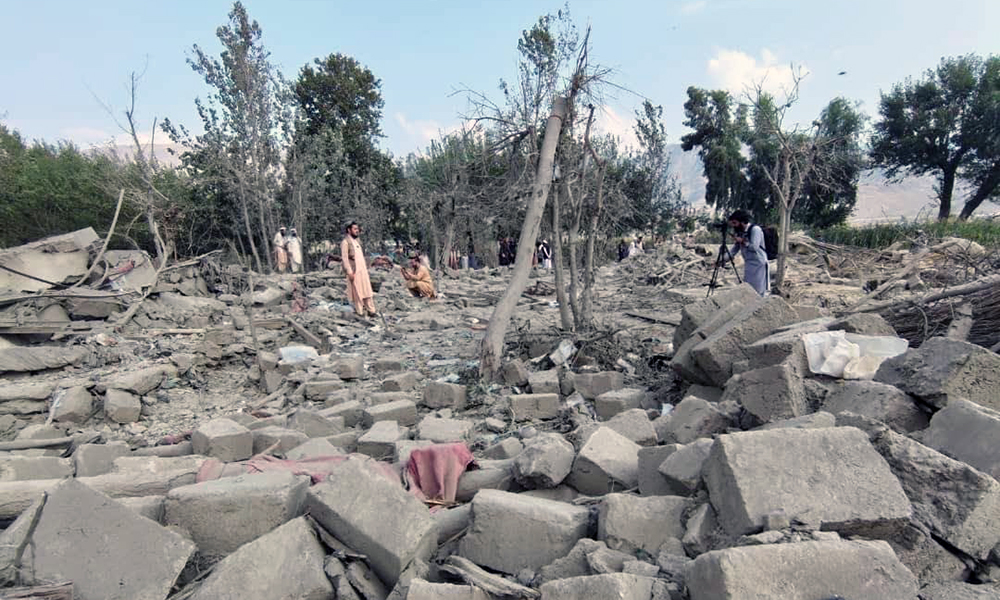
The United Nations Assistance Mission in Afghanistan (UNAMA) said Monday that at least three civilians, including a man, a woman and a girl, were killed and four others wounded in apparent airstrikes in eastern Afghanistan’s Kunar province. UNAMA said the incident took place in the early hours of Monday, September 21.
Early Monday, the Islamic Emirate confirmed the airstrikes, which they stated were carried out by Pakistan.
The UN mission meanwhile said it has documented more than 1,100 civilian deaths and injuries across Afghanistan in 2026 as a result of cross-frontier armed violence.
UNAMA reiterated its call on all parties to respect international humanitarian law and take all necessary measures to protect civilians and prevent further loss of life.
The incident comes amid continued concerns over the impact of cross-frontier hostilities on communities living in Afghanistan’s eastern and other border provinces.
UNAMA stressed that civilians and civilian infrastructure must be protected in accordance with international humanitarian law.
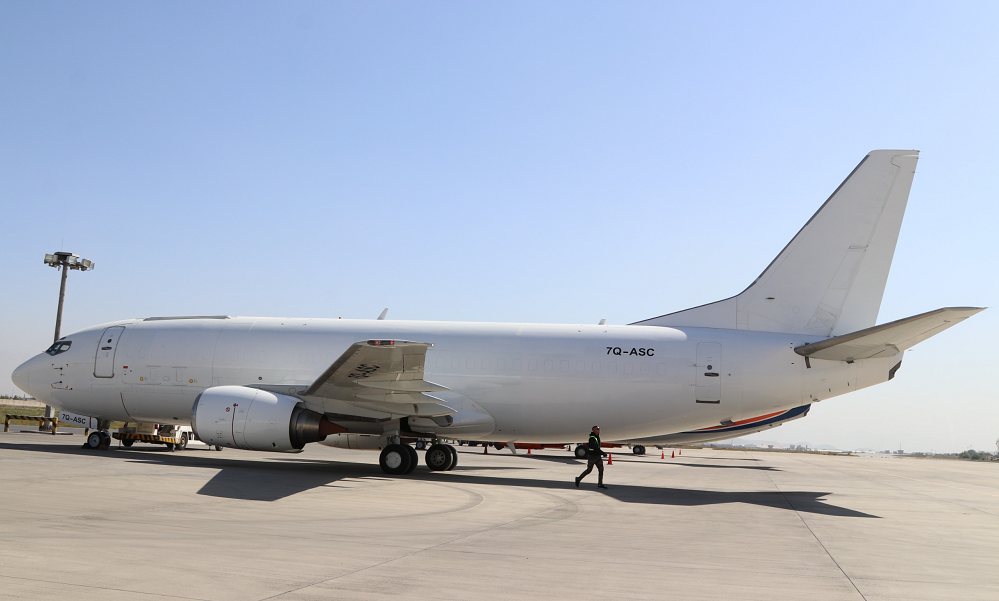
A Boeing 737-300 cargo aircraft operated by Ariana Afghan Airlines arrived at Kabul International Airport on Monday.
According to the airline, the aircraft will be used to transport commercial goods on international routes and has a capacity of around 17 metric tons of cargo per flight.
Ariana said it has signed a one-year contract with UAE-based Air Charter Express to operate the cargo aircraft.
Bakht-ur-Rahman Sharafat, head of Ariana Afghan Airlines, said the company is working to expand its air cargo network, to boost Afghan exports and to strengthen the country’s air transportation capacity.
He said the new cargo service will give Afghan traders an opportunity to transport their products to international markets more quickly, safely and at competitive rates.
Ariana said it aims to provide reliable and competitive air cargo services while strengthening Afghanistan’s connections with regional and international markets.


Saar: Pakistan military strikes Afghan provinces discussed

Afghanistan summons Pakistani diplomat over airstrikes in Kunar and Paktika

Three civilians killed, four wounded in Kunar airstrikes

ACL: Ariana Khost continue impressive debut with 2–1 win over Istiqlal

Afghanistan to face Japan and Nepal in Asian Games cricket group stage

Four mediators struggle to secure lasting Pakistan-Afghanistan ceasefire

Afghanistan’s trade diversification challenges Pakistan

Saudi energy group signs major Afghanistan deals covering gas exploration and pipeline plans

ATN secures exclusive rights to broadcast T20I series in India across Afghanistan

Afghanistan squad announced for three-match T20I series against India
Saar: Pakistan military strikes Afghan provinces discussed

Tahawol: Impact of middle East war on Afghanistan

Saar: Pakistan blames Afghanistan for deadly attack

Tahawol: Kabul’s warning over any threat from Pakistan discussed

Debate on Afghanistan and New Investment Opportunities
-

 Latest News4 days ago
Five years out of school: Amnesty raises alarm over Afghan girls’ education
-
 Latest News4 days ago
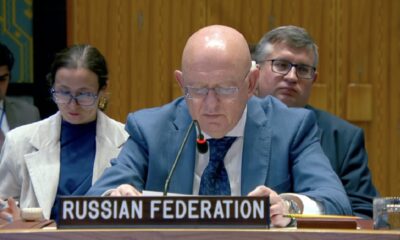
Russia urges dialogue and economic support for Afghanistan, warns against excessive pressure
-

 Sport5 days ago
ACL: Ariana Khost win, Aino Mina and Khurasan Faryab draw
-

 Latest News3 days ago
Afghanistan seeks stronger ties with Saudi Arabia, dialogue with Pakistan: Mujahid
-
 Regional4 days ago
US officials met Iran-backed Houthis in Oman over the weekend
-
 Latest News4 days ago
US sentences Afghan man to 20 year in case linked to 2021 Kabul airport bombing
-

 Tahawol5 days ago
Tahawol: Afghanistan’s readiness for US relations discussed
-
 Latest News4 days ago
Top Qatari official meets Afghan interior minister in Kabul