
Latest News
Pakistan’s ISI funded deadly attack on CIA camp in Afghanistan: US National Security Archive

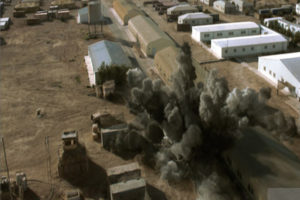

Talk about biting the hand that feeds. Even as it bilked billions of dollars in aid from the United States, Pakistan is now revealed to have funded the 2009 attack on a CIA camp on its border with Afghanistan that killed seven American agents and contractors and three others.
The explosive disclosure comes in a declassified 2010 cable published by the national security archive, that, despite being redacted in parts, asserts unequivocally that “some funding for Haqqani attacks are still provided by the Pakistan Inter-Services Intelligence directorate, including $200,000 for the December 30, 2009, attack on the CIA facility at Camp Chapman.”
The Camp Chapman attack was carried out by Khalil Abu-Mulal al-Balawi, a Jordanian doctor and double agent, whom the CIA was trying to use to infiltrate al-Qaida in Pakistan in its hunt for Osama bin Laden and Ayman al Zawahiri.
Instead, he was turned around the Haqqani group, a terrorist proxy for Pakistan’s intelligence agency.
Al-Balawi’s suicide attack on December 30, 2009 at the Camp Chapman forward post, which the CIA used to gather intelligence for drone attacks in Pakistan, killed ten people, including two female American CIA agents: Jennifer Lynne Matthews, 45, and a mother of three, who commanded the base, and Elizabeth Hanson, 30, a targeting analyst. The attack was memorialized in a movie titled Zero Dark Thirty.
While it has long been known that Pakistan’s terrorism sponsorship has claimed the lives of Indian and American civilians and military personnel, the revelations about bankrolling the Camp Chapman attack, kept secret from the public so far, is certain to inflame tensions between the two sides, particularly their military-intelligence outfits.
Successive US administrations — particularly the state department led by John Kerry — have long ladled out pabulum that Pakistan is a front-line ally in the war on terror while funneling billions of dollars of aid, despite multiple terrorist attacks across the world originating from Pakistan, including in San Bernardino, New York, and London.
The timing of the attack and the sequence of cables detailing the ISI’s role in organizing the attack suggests that the US administration lied to the American public about Pakistan being a frontline ally in the way on terror even as it funneled $ 7.5 billion in US taxpayer money to a country’s whose military-intelligence establishment was killing American soldiers and spooks.
Then senator John Kerry, who later became secretary of state, took the lead in presenting Pakistan as a worthy ally as he engineering with senator Lugar the Enhanced Partnership with Pakistan Act of 2009, which put $ 1.5 billion in US aid into the Pakistani coffers.
The Act, stemming from what is known as the Kerry-Lugar Bill was introduced to Congress on September 24, 2009, and passed into law on October 15, 2010.
The ISI-sponsored attack on Camp Chapman occurred on December 30, 2009. By February 6, 2010, the date on the explosive cable detailing the Pakistani role, Washington knew ISI had engineered the attack on the CIA forward post.
“During discussions at an unknown date between Haqqani, Salar, and an unidentified ISID officer or officers, Haqqani and Salar were provided $200,000 to enable the attack on Chapman,” the cable relates in an unredacted portion.
“Haqqani then provided the money to Salar who then communicated the planning details to Mullawi (Sakh). Sakh then contacted Arghawan Afghan border commander of the Khost Provincial Force.
The cable then goes on to say that Arghawan was promised $100,000 for facilitating the attack by the then unnamed Jordanian national (whose identity came to be known only later), but since Arghawan himself was killed in the attack, Salar kept the $100,000.
Which means, despite knowing Pakistan bankrolled the killing of its personnel, including two female agents who put their lives on line in a remote forward post, Washington still went ahead and rewarded Islamabad with billions of dollars in aid — and has continued to do so to this day with finance and armaments.
The Camp Chapman attack is counted as the second largest single-day loss in the CIA’s history, after the 1983 United States Embassy bombing in Beirut, Lebanon, which killed eight CIA officers.
While the cable relating to the Camp Chapman attack does not identify by name the ISI officer who supplied the $200,000, other cables in the collection shows, with names, how deeply the ISI is enmeshed in terrorism.
“As of late December 2009, at the end of every month, senior Haqqani network leadership met with ISID in Islamabad,” a January 2010 cable states.
Identifying Colonel Nasib and Major Daoud as the handlers. “An unknown amount of funding was provided to the Haqqanis for use in unspecified operations during these meetings,” it continues.
In a subsequent meeting, the cable says, the ISI directorate asked the Haqqanis “to expedite attack preparations and lethality in Afghanistan.”
The Times of India

Latest News
UK backs Afghanistan–Pakistan talks, calls dialogue key to lasting peace
Richard Lindsay, the UK’s Special Representative for Afghanistan, described the latest round of talks as a positive step forward.
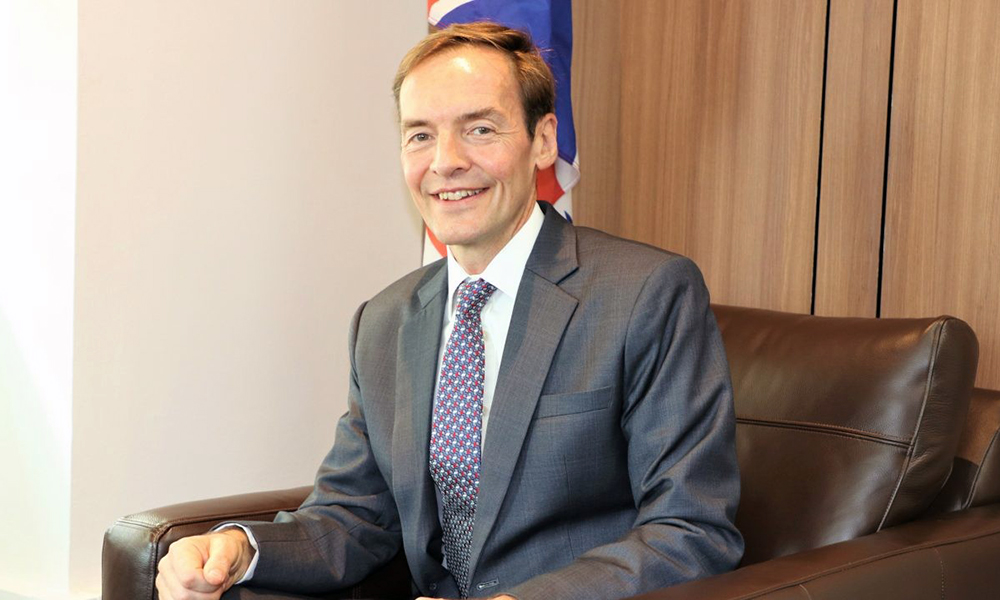
The United Kingdom has welcomed recent diplomatic engagements between Afghanistan and Pakistan, emphasizing that sustained dialogue remains the most effective path toward reducing tensions and achieving long-term stability.
Richard Lindsay, the UK’s Special Representative for Afghanistan, described the latest round of talks as a positive step forward. He praised the engagement between both sides and urged continued efforts to reach a comprehensive resolution.
“I welcome the recent interactions between the negotiating teams of Afghanistan and Pakistan and encourage continued dialogue to reach a comprehensive solution. Dialogue remains the only way to reduce tensions and achieve sustainable peace,” Lindsay said.
The week-long discussions, held in Urumqi, involved diplomatic, defense, and security officials from both countries. The talks concluded with a preliminary agreement aimed at immediate de-escalation, with participants committing to practical measures to manage tensions and prevent further escalation.
Chinese officials noted that both sides agreed on steps to stabilize the situation, signaling cautious optimism after a period of strained relations.
Regional analysts have underscored the importance of maintaining diplomatic momentum, warning that prolonged instability could worsen broader security challenges. They stress that constructive engagement between Kabul and Islamabad is essential to prevent further deterioration.
Following the initial round, expectations are rising for a second phase of talks at a higher diplomatic level—potentially paving the way for concrete measures to ease tensions and reinforce regional stability.
Latest News
IEA defense minister meets Chinese envoy, emphasizes security and regional stability
Both sides concluded by emphasizing the need to build mutual trust, deepen bilateral cooperation, and expand regional partnerships.
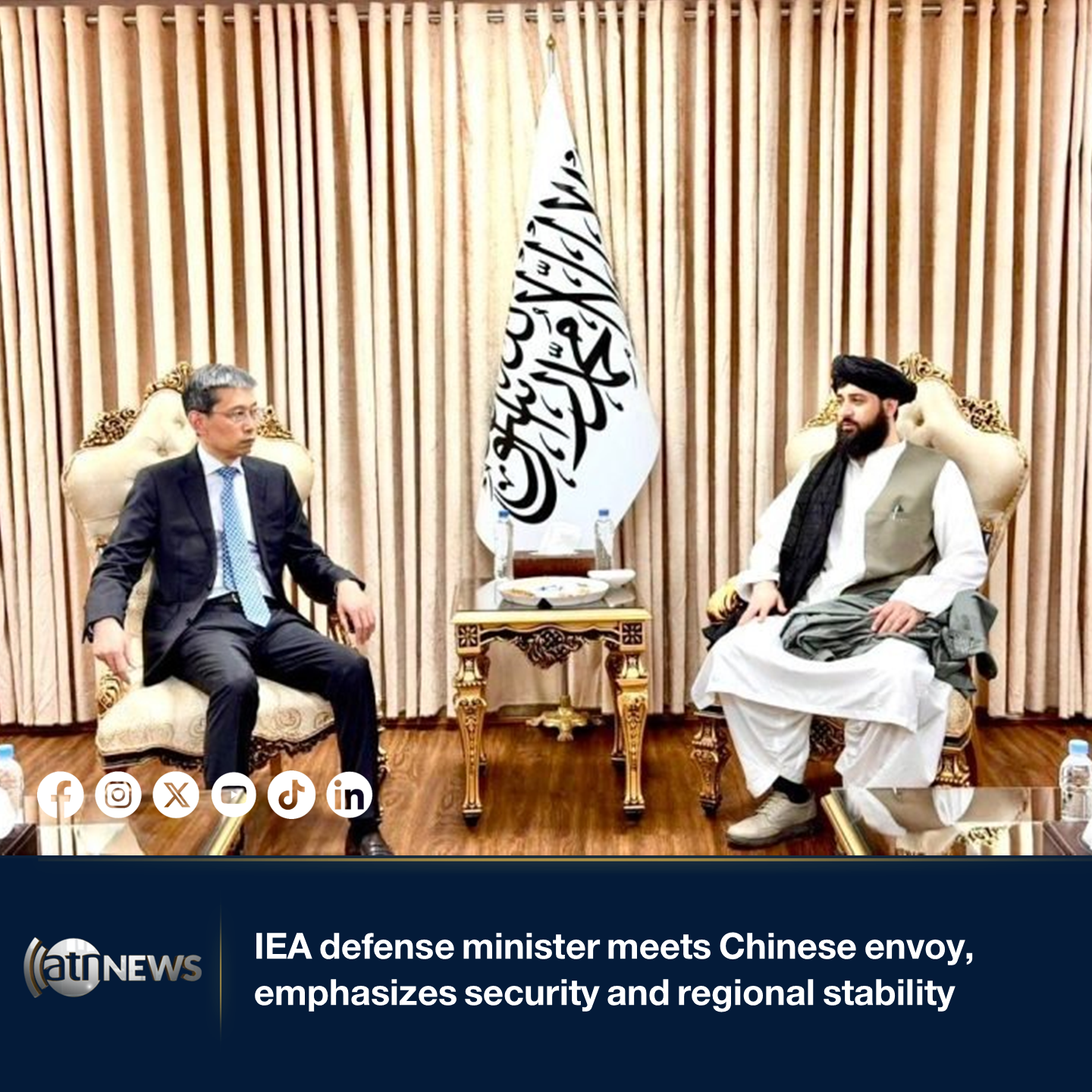
Afghanistan’s Defense Minister, Mohammad Yaqoob Mujahid, held talks with China’s Ambassador to Kabul, Zhao Xing, focusing on security cooperation and regional stability, officials said.
According to Defense Ministry spokesperson Enayatullah Khwarazmi, the meeting covered bilateral relations, political engagement, and evolving regional developments. Both sides discussed ways to enhance coordination on shared concerns, particularly maintaining stability and preventing cross-border security threats.
The Chinese envoy outlined Beijing’s position on the Urumqi discussions and reiterated China’s readiness to expand cooperation with Afghanistan. He emphasized dialogue-driven approaches and expressed support for initiatives aimed at promoting long-term regional peace and economic collaboration.
Mujahid said that with internal security largely consolidated, Afghanistan is now prioritizing regional stability. He stressed that dialogue remains the most effective path to addressing challenges and reaffirmed the country’s commitment to safeguarding national sovereignty.
He added that the current approach is based on patience, mutual respect, and understanding, while underscoring that defending the country against any form of aggression remains a legitimate right and national responsibility.
Both sides concluded by emphasizing the need to build mutual trust, deepen bilateral cooperation, and expand regional partnerships.
International Sports
FIFA appoints record number of match officials for 2026 World Cup
A total of 52 referees, 88 assistant referees and 30 video match officials have been selected from across all six confederations and 50 member associations.
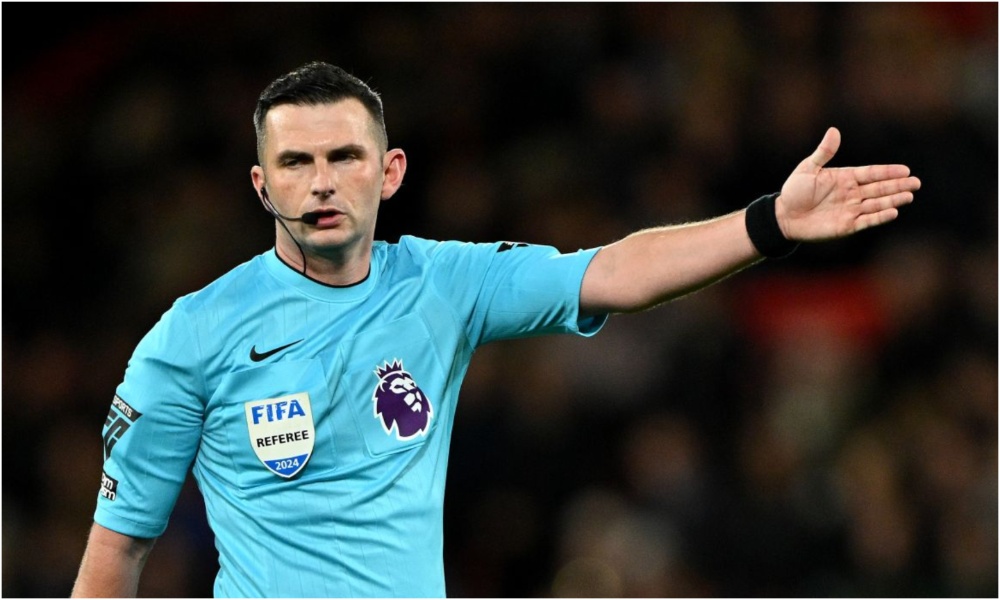
FIFA has announced the full list of match officials for the upcoming FIFA World Cup 2026, confirming what will be the largest refereeing team in the tournament’s history.
A total of 52 referees, 88 assistant referees and 30 video match officials have been selected from across all six confederations and 50 member associations, following a rigorous evaluation process that spanned more than three years.
The selection was based on FIFA’s “quality first” principle, with officials assessed on their consistency and performances in domestic leagues, international competitions and previous FIFA tournaments.
Pierluigi Collina said the chosen officials represent the highest standard in global football officiating. He noted that candidates were closely monitored over several years, taking part in seminars and major tournaments while undergoing regular performance reviews.
“This will be the biggest World Cup in history,” Collina said, referring to the expanded 48-team format and 104 matches set to be played across three host countries. He added that the officiating team has grown significantly compared to the 2022 tournament in Qatar, reflecting the increased scale of the competition.
Collina also highlighted the continued inclusion of women referees, with six female match officials selected, building on progress made during the previous World Cup.
Officials will undergo final preparations at a training camp in Miami starting on May 31, where they will receive support from fitness coaches, medical staff and match analysts to ensure they are in peak physical and mental condition ahead of the tournament.
Massimo Busacca said preparations began immediately after the conclusion of the 2022 World Cup, with a structured programme of workshops, monitoring and technical development designed to maintain the highest standards.
During the tournament, referees will continue daily training sessions, supported by detailed match analysis and on-field simulations involving local players.
Technology is also set to play a central role, with FIFA confirming the use of goal-line technology, an enhanced version of semi-automated offside systems and connected ball technology.
In a first for the World Cup, fans will also be able to view matches from the referee’s perspective using newly introduced body cameras, enhanced by artificial intelligence to improve video quality.
Following the Miami training camp, video match officials will relocate to Dallas, home of the International Broadcast Centre, while referees and assistant referees will remain in Miami for the duration of the tournament.
FIFA said additional measures aimed at increasing match tempo and reducing time-wasting—approved earlier this year by the International Football Association Board—will also be implemented.
With preparations now entering the final phase, FIFA says it is confident that “Team One” will be ready to meet the demands of what is expected to be a historic and groundbreaking World Cup.
Click here for full list of appointed match officials for the FIFA World Cup 2026.


Vance warns Iran not to “play us” as he leaves for talks

Etihad Airways to expand Kabul–Abu Dhabi flights to daily service amid surging demand

UK backs Afghanistan–Pakistan talks, calls dialogue key to lasting peace

Iran war doubles Russia’s main oil revenue to $9 bln in April, Reuters calculations show

IEA defense minister meets Chinese envoy, emphasizes security and regional stability

IEA Supreme Leader issues Eid-ul-Fitr message urging unity and support for Islamic system

IEA supreme leader orders replacement of foreign terminology in official documents

14 Pakistani soldiers killed after military post falls along Durand line: MoD

Afghan airstrikes target Pakistani military sites in retaliation for air attacks

Turkmenistan, Afghanistan discuss steps to speed up land acquisition for TAPI pipeline

Tahawol: China to host 2nd round of Kabul–Islamabad talks discussed

Saar: Fragile ceasefire in the Middle East reviewed

Tahawol: Two‑week truce agreement between Iran-US reviewed

Saar: US–Iran two-week ceasefire agreement discussed

Tahawol: Ongoing negotiations between Kabul-Islamabad discussed
-
 Latest News5 days ago
IEA supreme leader orders replacement of foreign terminology in official documents
-
 Latest News3 days ago
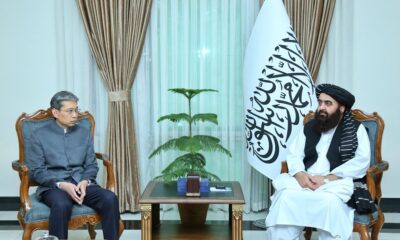
China seeking to build trust between Afghanistan and Pakistan
-
 Latest News4 days ago
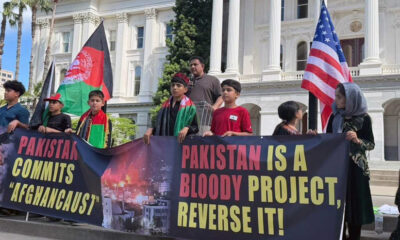
Afghan community in California condemns Pakistani strikes amid growing global protests
-

 International Sports4 days ago
IPL 2026: Lucknow hold nerve in final over to defeat Sunrisers
-
 Business3 days ago
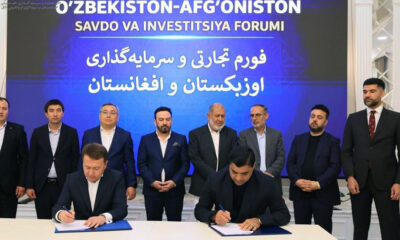
Afghanistan, Uzbekistan sign $400 million trade deals in push to deepen ties
-
 Regional4 days ago
IRGC intelligence chief killed as wave of strikes continues against Iran’s leadership
-
 International Sports3 days ago
IPL 2026: Rain scuppers KKR vs PBKS match
-
 World4 days ago
US, Iran and mediators make push for 45-day ceasefire, Axios reports