
Latest News
Private sector and UN officials emphasize boosting renewable energy investment in Afghanistan


Representatives of Afghanistan’s private sector and officials from United Nations agencies in a two-day event in Kabul underscored the urgent need for expanding investment in the country’s renewable energy sector.
During the event, private sector leaders stressed that strong government support is vital for advancing sustainable energy initiatives. Without it, they warned, efforts to build a viable renewable energy industry would not yield effective results.
“This type of energy can be very effective. We can use solar energy in factories—it will benefit us. Renewable energy is in Afghanistan’s interest.” Younus Mohmand, Deputy of the Afghanistan Chamber of Commerce and Investment (ACCI), said.
Khan Jan Alokozai, a senior member of the ACCI, added: “Life without energy is impossible—not just in manufacturing, agriculture, and technology, but also in daily life, hospitals, and more. In the 21st century, life without energy is unimaginable.”
The meeting also featured remarks from officials of the United Nations Development Programme (UNDP), who welcomed the private sector’s interest and called for swift, inclusive action.
“We know that the private sector is ready, but to succeed, this transition also requires a structured, predictable, and transparent environment,” A UNDP official stated. “The time is to act now. Afghanistan cannot afford to delay its transition to sustainable energy, so this transition must also be inclusive, which means that we must involve women, youth, also marginalized communities.”
A representative of the United Nations Assistance Mission in Afghanistan (UNAMA) echoed the same message, stressing both the potential and the readiness of Afghan institutions.
“From the UNAMA side, we are happy to see you altogether and we are running through an important process of Doha,” the official said. “We are putting our efforts on reaching out all the Afghan private sector and banking sector representatives.”
“Our motto is to make all the voices heard, and we hear you. We know the challenges, but at the same time, Afghanistan is the country of opportunities as well. As an energy engineer, you are blessed with Sun and water although we have some challenges at the global arena of Afghanistan as well. We are so inspired and impressed by the resilience of the Afghan private sector and their willingness to invest in their own country. Today we also heard from the banking sector that they are ready to lend more and they are ready to address the challenges of the barriers.”
The event also highlighted the role of local energy firms such as Bayat Power, which announced its continued commitment to energy development in the country. Company officials stated that Bayat Power is producing reliable, round-the-clock electricity using domestic natural gas and has played a key role in strengthening Afghanistan’s economic infrastructure. The firm is also expanding its focus to include renewable sources such as solar, wind, thermal, and other sustainable alternatives.

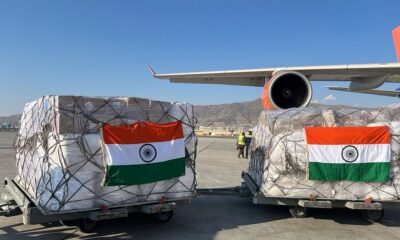



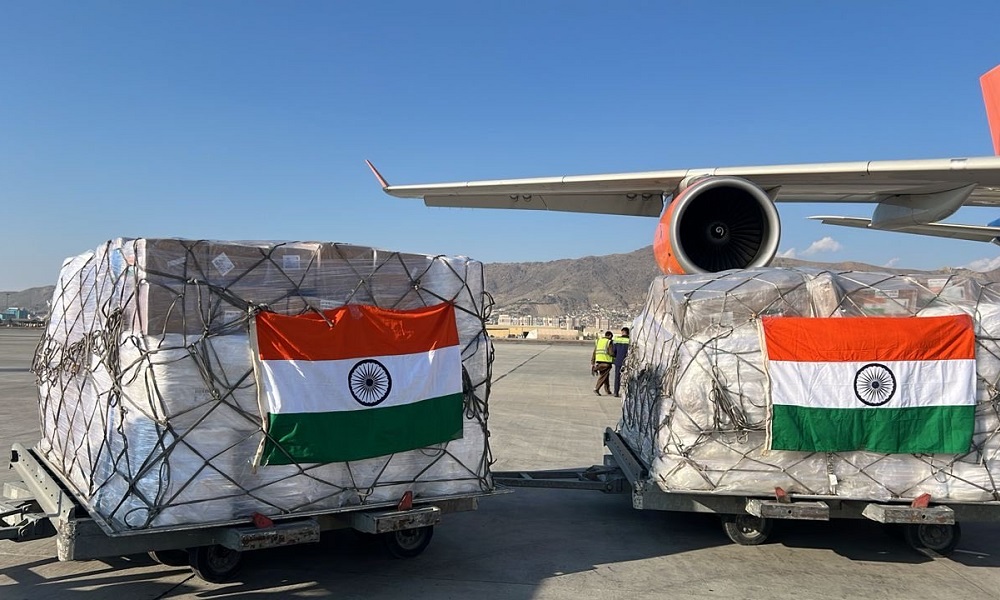
Randhir Jaiswal, spokesperson for India’s Ministry of External Affairs, announced on Friday that a 2.5-ton consignment, including emergency medicines, medical disposables, kits, and equipment has been delivered to Kabul.
According to him, the aid shipment is intended to support the swift recovery of those injured in the recent airstrike by Pakistan’s military regime.
He emphasized that India stands with the people of Afghanistan and will continue to provide all possible humanitarian assistance.
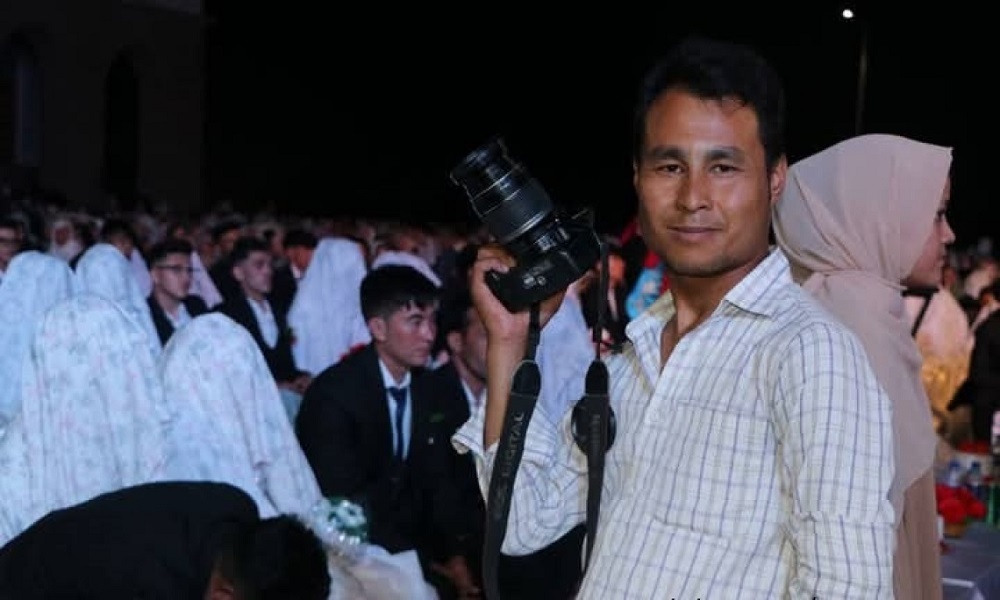
The Afghanistan Journalists Center (AFJC) has announced that Mahdi Ansary, a reporter for the Afghan News Agency (AFKA), has been released after serving one and a half years in Bagram prison.
In a statement welcoming his release, AFJC emphasized that the fundamental rights of this journalist—who had been tried and imprisoned on charges of cooperating with exiled and foreign media—were “seriously” violated.
Ansari was arrested on October 5, 2023, after returning from his workplace in Kabul.
He was sentenced on January 1, 2024 by the Kabul Primary Court to one and a half years in prison on charges of “propaganda against the Islamic Emirate.”
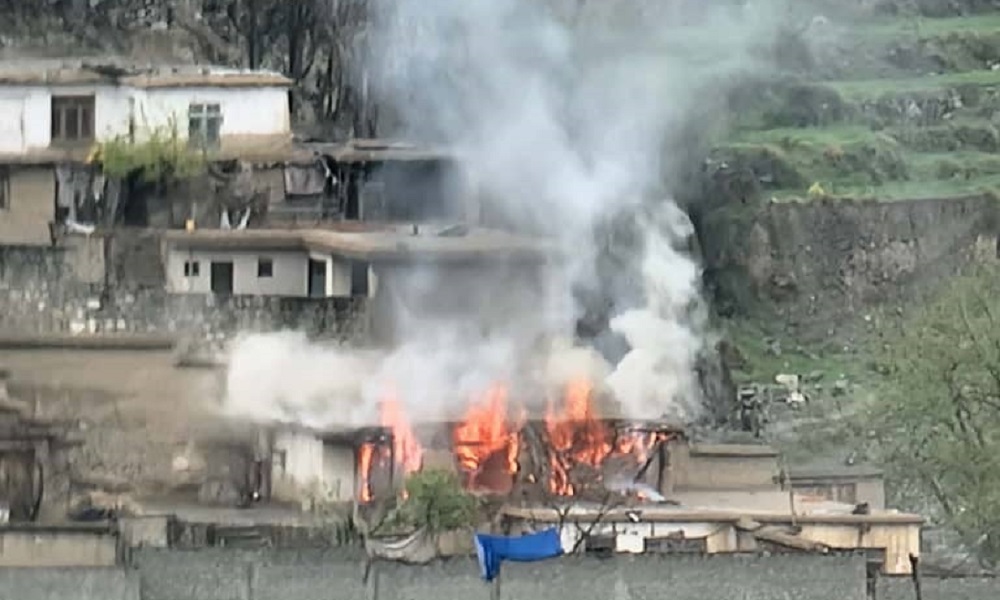
Farid Dehqan, spokesperson for the Khas Kunar police command, said that rocket attacks by the Pakistani military regime are still ongoing in the province.
These attacks come despite earlier announcements by the Pakistani military of a temporary ceasefire for Eid.


India sends 2.5-ton medical shipment to Afghanistan

Trump compares Iran strikes to Pearl Harbor in meeting with Japan’s leader

Afghanistan national buzkashi falls short in Kokpar World Championship semifinals

Mahdi Ansary, local journalist, released from prison

Pakistan’s rocket attacks still ongoing on Nari district, Kunar

Pakistani military jet downed in Afghanistan’s Jalalabad, pilot captured alive

Afghan Air Force conducts airstrikes in Islamabad, other cities

Afghanistan welcomes investment and technology partnerships with India

Prominent Muslim scholar issues fatwa calling for Afghanistan-Pakistan ceasefire

Afghan air force strikes key Pakistani military installations in retaliatory operation

Tahawol: Temporary ceasefire draws broad support

Saar: Emphasis on resolving conflicts through diplomacy

Tahawol: Global reactions to Pakistan’s recent attacks discussed

Saar: Consequences of Pakistani airstrikes on Afghans discussed

Tahawol: Pakistan’s new attacks on Kabul hospital discussed
-
 Latest News4 days ago
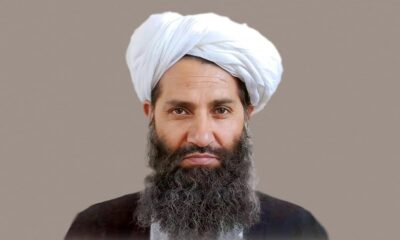
IEA Supreme Leader issues Eid-ul-Fitr message urging unity and support for Islamic system
-

 Business4 days ago
Turkmenistan, Afghanistan discuss steps to speed up land acquisition for TAPI pipeline
-
 Latest News2 days ago
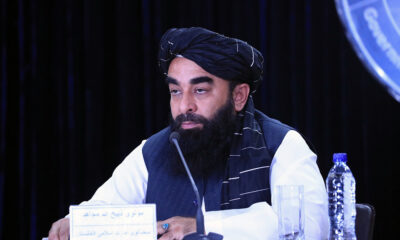
IEA announces temporary pause in defensive operations against Pakistan for Eid
-
 Latest News2 days ago
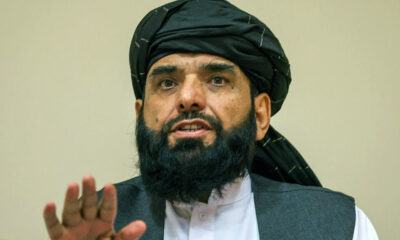
Pakistan opposes normal Afghanistan–India relations: Shaheen
-
 Sport3 days ago
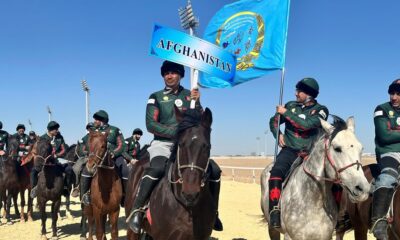
Afghanistan national buzkashi team defeats Hungary 14–0
-

 Latest News4 days ago
CAIR-Texas calls for probe after Afghan refugee dies in ICE custody
-
 Latest News4 days ago
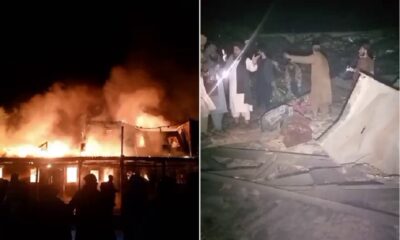
IEA condemns alleged airstrike by Pakistan on drug treatment hospital in Kabul
-
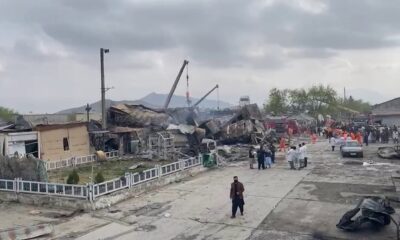
 Latest News3 days ago
Afghanistan warns Pakistan of ‘teeth-breaking’ response after deadly Kabul bombing