
Latest News
Tajik opposition group condemns Iran for abuse of Afghan migrants, calls for probe


A Tajik opposition group has slammed the Iranian government for what it claims is widespread human rights abuses against Afghan migrants and refugees, and called on the international community to launch an independent investigation into the problem.
In a statement issued this week, the Movement for Reforms and Development of Tajikistan, which is based in the Netherlands, called the situation “barbaric and inhumane,” citing allegations of systemic violence, including the destruction of migrants’ documents, extortion, beatings, and executions within Iranian detention camps.
“Women, children, the elderly, and the sick are subjected to systematic persecution, humiliation, violent deportations, mistreatment and arbitrariness by Iranian authorities,” the statement read.
“Iranian security forces confiscate property, destroy passports, and throw people across the border without food or water.”
The statement was issued during Muharram, the Islamic month of mourning, and invoked the legacy of Imam Hussein, condemning Iran’s treatment of fellow Muslims as a betrayal of Islamic values.
The movement’s statement aligns with reports from Afghan returnees, rights groups, and international agencies documenting conditions faced by undocumented Afghan migrants in Iran.
According to Iranian officials, nearly 490,000 Afghans have left Iran via the Dogharoun/Islam Qala border in the past 100 days, most of them undocumented. Iran insists these departures are voluntary, but independent reports suggest coercion and abuse have driven many across the border.
A 2025 investigation by Human Rights Watch (HRW) and Zagros Human Rights Center cited extensive evidence of torture in Iranian detention centers, including beatings, electric shocks, forced confessions, and death by medical neglect. Afghan detainees have been identified among the victims.
“Afghans in Iran are facing increasing pressure as their presence in the country is politicized and used as a scapegoat for social tensions.
“Many Afghans who fled to Iran after the Taliban (IEA) regained power in Afghanistan do not have legal residency, making them vulnerable to discrimination, exploitation, and deportation,” HRW said in a statement earlier this year.
The Movement for Reforms and Development sharply criticized what it described as Tehran’s hypocrisy, contrasting the Islamic Republic’s rhetoric about “Persian brotherhood” and “shared culture” with its actions on the ground.
“What kind of ‘civilization’ is this, where women are beaten to the point of broken bones, pregnant women are thrown out of buses, and children are left to die in the desert?
“Where is this so-called ‘brotherhood’ if destitute people who have lost everything are discarded beyond the country’s borders as if they are worthless and undeserving of even basic human dignity?” the group asked.
The group also accused the Iranian government of political manipulation, using cultural and religious ties with Afghanistan and Tajikistan to justify regional influence, while simultaneously mistreating vulnerable Afghan refugees.
“We state with absolute certainty: all of this is falsehood, hypocrisy, and political manipulation,” the group said.
The organization went on to urge Muslim-majority countries, the Organization of Islamic Cooperation (OIC), the United Nations, and independent human rights organizations to initiate an independent and impartial investigation into the crimes and mass human rights violations being committed by Iran against Afghan migrants and asylum seekers.
Iran has hosted millions of Afghan refugees for decades, but recent economic strain, tightening immigration policies, and geopolitical shifts have created a hostile environment for many Afghans.
While the Iranian government claims its repatriation programs are humane, growing accounts of violence and degradation have prompted increasing concern from human rights observers and regional activists.
Earlier this year, Iran’s envoy to the United Nations, Amir Saeid Iravani said Iran’s longstanding policy toward Afghan refugees remains rooted in “humanitarian principles,” noting that legal Afghan migrants face no restrictions and that Iran continues to issue thousands of visas daily.
He acknowledged the burden of hosting millions of Afghans and emphasized that illegal entries are dealt with under law for national-security and public-order reasons—but denied any systematic mistreatment.
However, this month has seen the uptick in deportations amid regional tensions after Iran–Israel hostilities.
This week, government spokesperson Fatemeh Mohajerani defended the large-scale removal of as many as 30,000 Afghans per day as necessary for national security.
She insisted Iran remains a “good host” but must protect its borders—denying that refugees were being targeted as spies, although acknowledging they’ve faced hardships at detention centres.

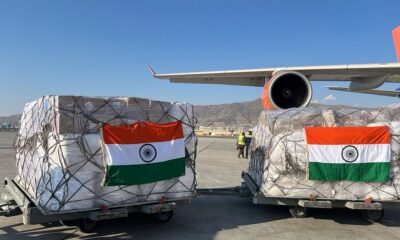



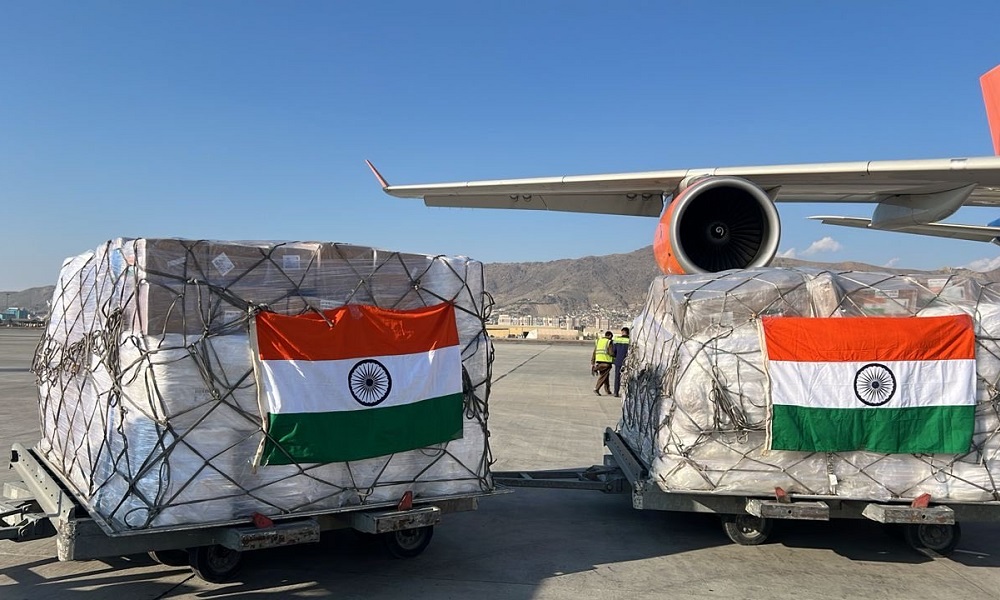
Randhir Jaiswal, spokesperson for India’s Ministry of External Affairs, announced on Friday that a 2.5-ton consignment, including emergency medicines, medical disposables, kits, and equipment has been delivered to Kabul.
According to him, the aid shipment is intended to support the swift recovery of those injured in the recent airstrike by Pakistan’s military regime.
He emphasized that India stands with the people of Afghanistan and will continue to provide all possible humanitarian assistance.
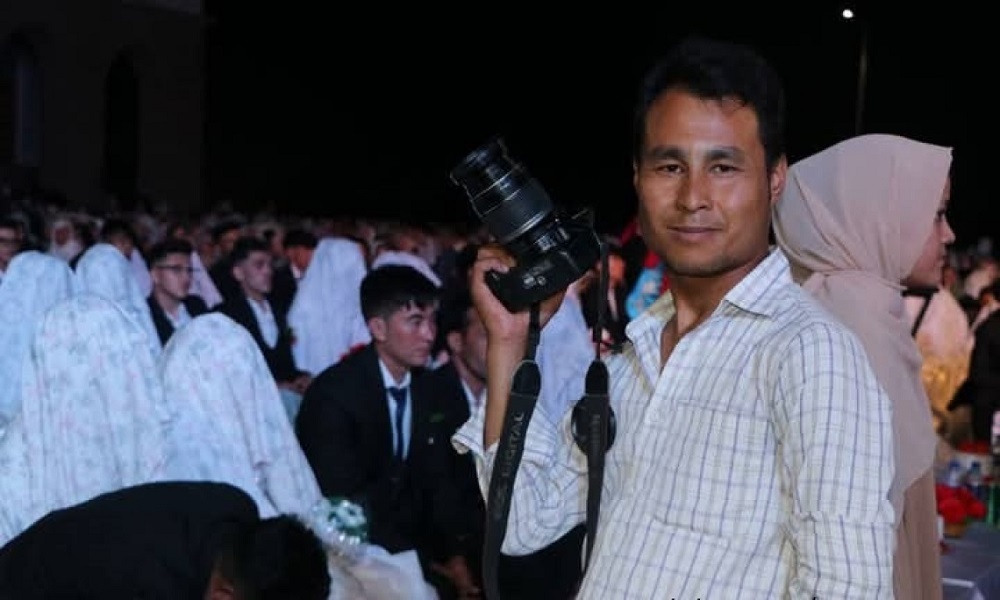
The Afghanistan Journalists Center (AFJC) has announced that Mahdi Ansary, a reporter for the Afghan News Agency (AFKA), has been released after serving one and a half years in Bagram prison.
In a statement welcoming his release, AFJC emphasized that the fundamental rights of this journalist—who had been tried and imprisoned on charges of cooperating with exiled and foreign media—were “seriously” violated.
Ansari was arrested on October 5, 2023, after returning from his workplace in Kabul.
He was sentenced on January 1, 2024 by the Kabul Primary Court to one and a half years in prison on charges of “propaganda against the Islamic Emirate.”
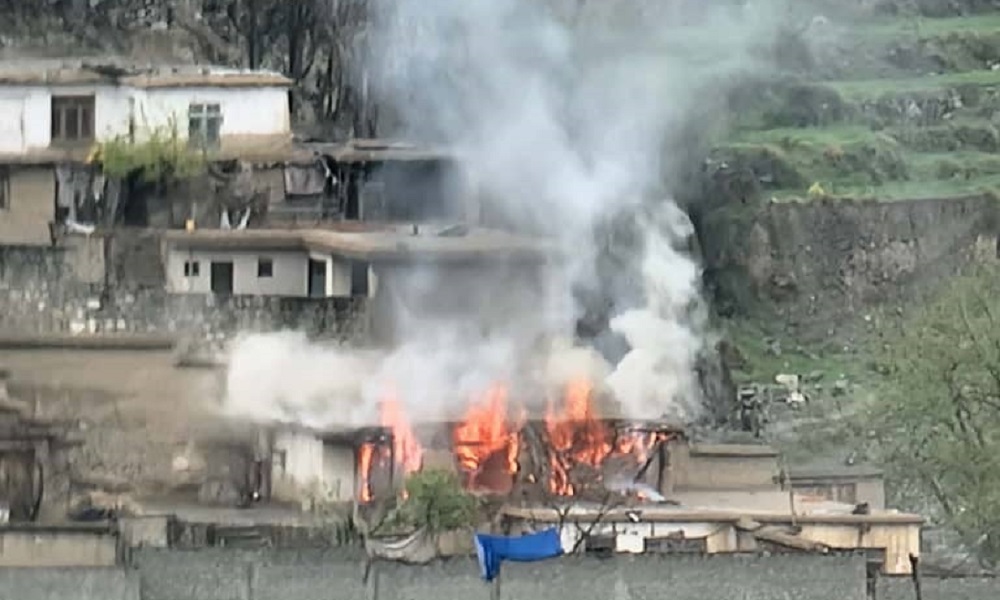
Farid Dehqan, spokesperson for the Khas Kunar police command, said that rocket attacks by the Pakistani military regime are still ongoing in the province.
These attacks come despite earlier announcements by the Pakistani military of a temporary ceasefire for Eid.


Tawsia: Assessment of Afghanistan’s economic activities in 1404

India sends 2.5-ton medical shipment to Afghanistan

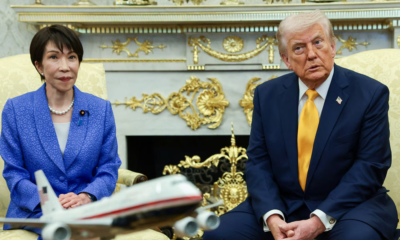
Trump compares Iran strikes to Pearl Harbor in meeting with Japan’s leader

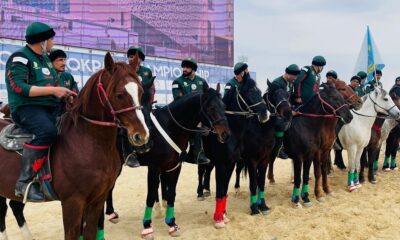
Afghanistan national buzkashi falls short in Kokpar World Championship semifinals

Mahdi Ansary, local journalist, released from prison

Pakistani military jet downed in Afghanistan’s Jalalabad, pilot captured alive

Afghan Air Force conducts airstrikes in Islamabad, other cities

Afghanistan welcomes investment and technology partnerships with India

Prominent Muslim scholar issues fatwa calling for Afghanistan-Pakistan ceasefire

Afghan air force strikes key Pakistani military installations in retaliatory operation
Tawsia: Assessment of Afghanistan’s economic activities in 1404

Tahawol: Temporary ceasefire draws broad support

Saar: Emphasis on resolving conflicts through diplomacy

Tahawol: Global reactions to Pakistan’s recent attacks discussed

Saar: Consequences of Pakistani airstrikes on Afghans discussed
-
 Latest News4 days ago
IEA Supreme Leader issues Eid-ul-Fitr message urging unity and support for Islamic system
-

 Business4 days ago
Turkmenistan, Afghanistan discuss steps to speed up land acquisition for TAPI pipeline
-
 Latest News2 days ago
IEA announces temporary pause in defensive operations against Pakistan for Eid
-
 Latest News2 days ago
Pakistan opposes normal Afghanistan–India relations: Shaheen
-
 Sport3 days ago
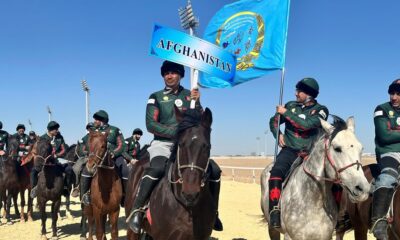
Afghanistan national buzkashi team defeats Hungary 14–0
-
 Latest News4 days ago
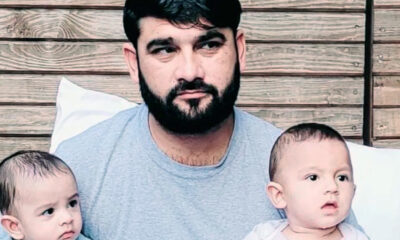
CAIR-Texas calls for probe after Afghan refugee dies in ICE custody
-
 Latest News4 days ago
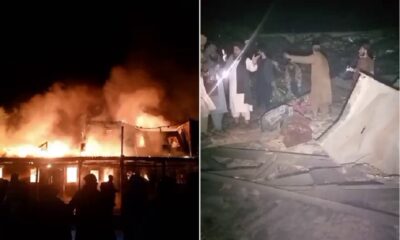
IEA condemns alleged airstrike by Pakistan on drug treatment hospital in Kabul
-
 Latest News3 days ago
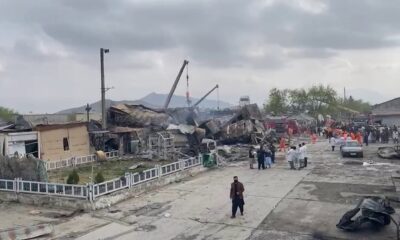
Afghanistan warns Pakistan of ‘teeth-breaking’ response after deadly Kabul bombing