
Latest News
Tourists begin to return to Afghanistan as IEA eyes economic and diplomatic gains
Afghanistan is seeing the slow return of international tourists—arriving by plane, camper van, motorbike, and even bicycle

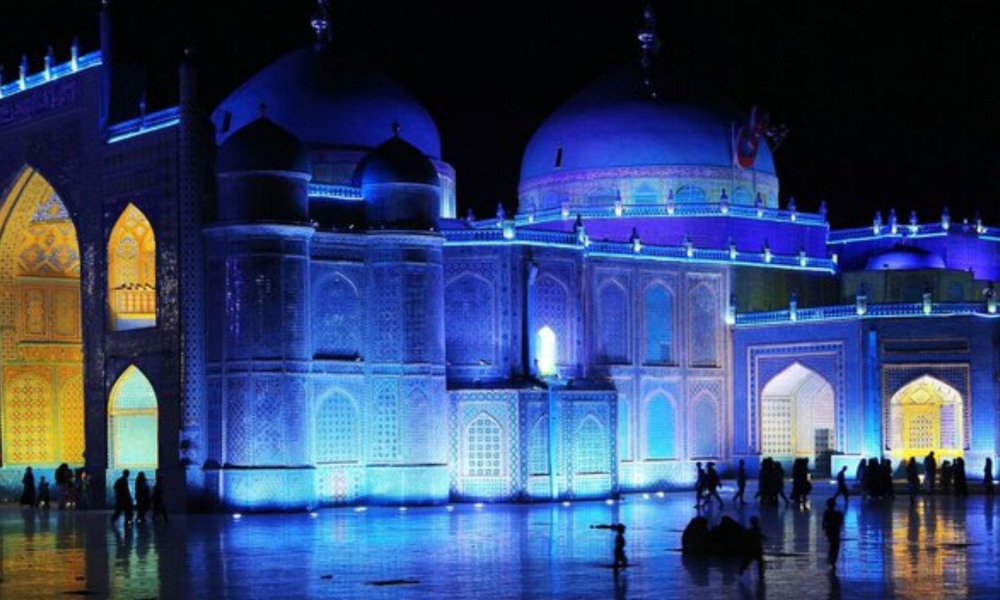
After decades of war and isolation, Afghanistan is seeing the slow return of international tourists—arriving by plane, camper van, motorbike, and even bicycle—drawn by curiosity, adventure, and the country’s dramatic landscapes and rich history.
The Islamic Emirate of Afghanistan (IEA) government, which took control in August 2021 and remains unrecognized by all but a few nations, is eager to welcome them.
“The Afghan people are warm and welcoming and wish to host tourists from other countries and engage with them,” Deputy Minister of Tourism Qudratullah Jamal told AP in an interview earlier this month. “Tourism brings many benefits to a country, and we aim for our nation to take full advantage.”
While still modest, the numbers are growing. Nearly 9,000 foreign tourists visited Afghanistan in 2023, with almost 3,000 arriving in just the first quarter of 2024, according to Jamal. The government has eased visa procedures, increased flight connectivity through hubs like Dubai and Istanbul, and established a tourism training institute.
Tourism’s potential economic impact is clear. “We are currently earning considerable revenue from this industry, and we are hopeful it will grow,” Jamal said. “It reaches more people than other industries and can evolve into a large part of our economy.”
Yet the appeal of adventure tourism in Afghanistan is not without challenges, especially as the country remains under Western travel advisories due to security concerns.
Ethical questions also loom. The IEA’s restrictions on women and girls—including bans on secondary and university education, most professions, and public leisure spaces—have drawn global condemnation. Beauty salons are banned, and strict dress codes enforced. Yet foreign women face far fewer restrictions and are typically allowed to move more freely, sometimes even entering parks barred to Afghan women.
Jamal declined to address the issue of women’s rights directly, saying only that both male and female tourists were welcome: “Those who respect our laws and traditions have already come and can continue to come.”
Some travelers acknowledged grappling with the moral implications of visiting. French-Peruvian Illary Gomez and her British partner, James Liddiard, spent a year debating whether to pass through Afghanistan on their U.K.-to-Japan camper van journey.
“Some things didn’t feel morally right,” Gomez admitted. But once in the country, they were struck by the kindness of ordinary Afghans. “You put money in the hands of the people, not the government,” Liddiard told AP.
For the IEA, tourism is also about diplomacy. “It’s a great way to promote interaction between people of different countries,” Jamal said. “It expands commerce, fosters mutual understanding, and builds trust. This is not just economic development—it brings spiritual and political benefits.”



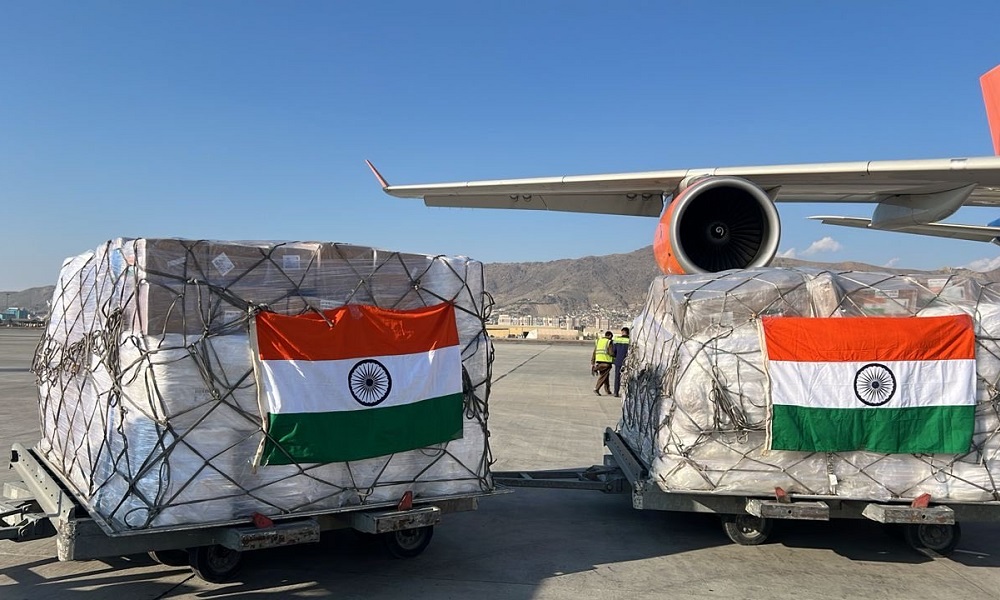
Randhir Jaiswal, spokesperson for India’s Ministry of External Affairs, announced on Friday that a 2.5-ton consignment, including emergency medicines, medical disposables, kits, and equipment has been delivered to Kabul.
According to him, the aid shipment is intended to support the swift recovery of those injured in the recent airstrike by Pakistan’s military regime.
He emphasized that India stands with the people of Afghanistan and will continue to provide all possible humanitarian assistance.
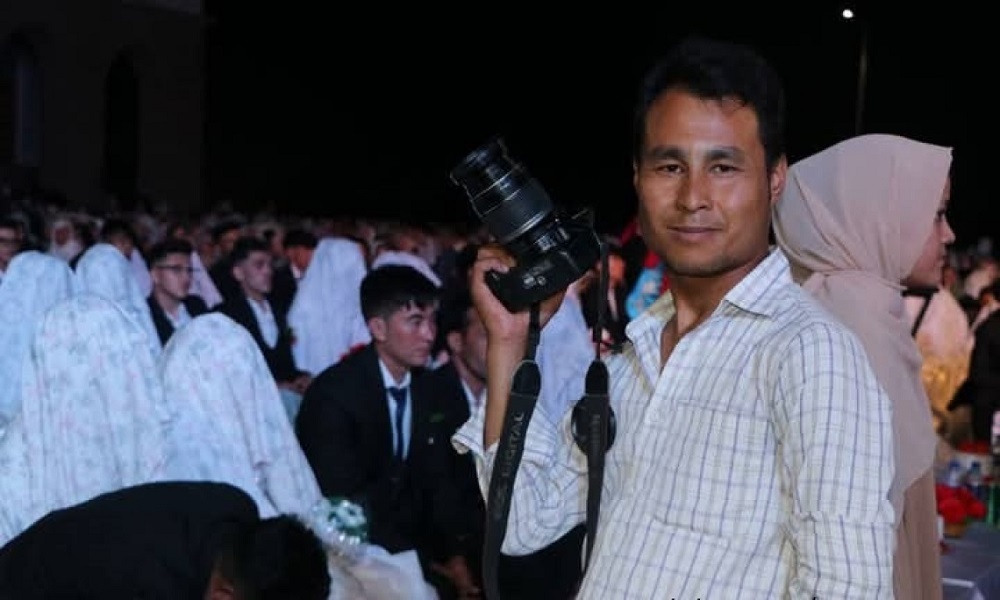
The Afghanistan Journalists Center (AFJC) has announced that Mahdi Ansary, a reporter for the Afghan News Agency (AFKA), has been released after serving one and a half years in Bagram prison.
In a statement welcoming his release, AFJC emphasized that the fundamental rights of this journalist—who had been tried and imprisoned on charges of cooperating with exiled and foreign media—were “seriously” violated.
Ansari was arrested on October 5, 2023, after returning from his workplace in Kabul.
He was sentenced on January 1, 2024 by the Kabul Primary Court to one and a half years in prison on charges of “propaganda against the Islamic Emirate.”
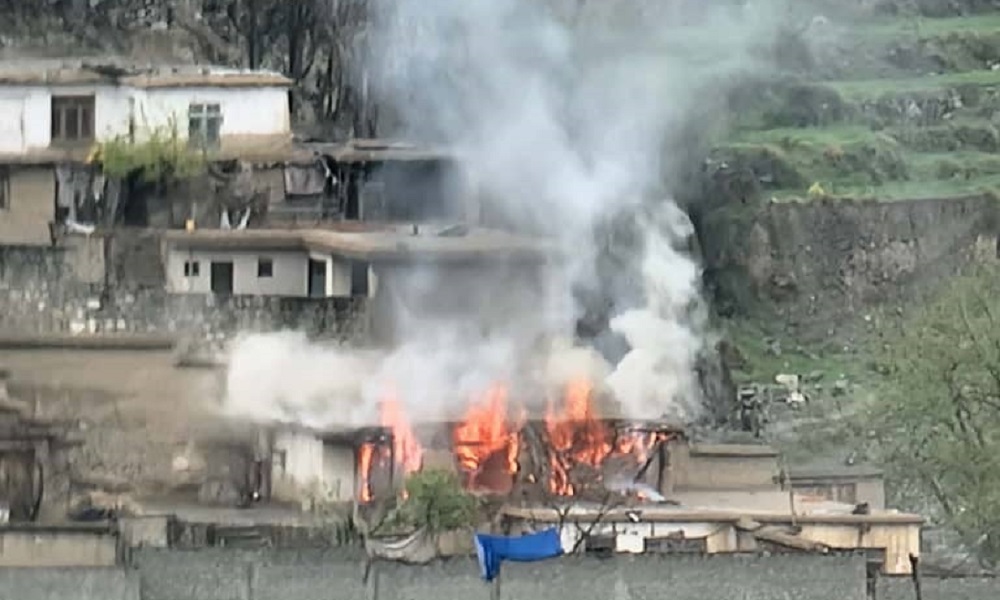
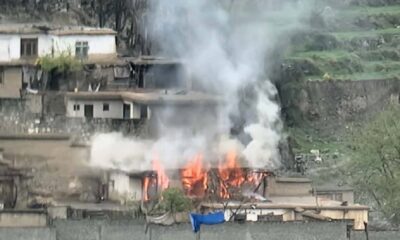
Farid Dehqan, spokesperson for the Khas Kunar police command, said that rocket attacks by the Pakistani military regime are still ongoing in the province.
These attacks come despite earlier announcements by the Pakistani military of a temporary ceasefire for Eid.


Tawsia: Assessment of Afghanistan’s economic activities in 1404

India sends 2.5-ton medical shipment to Afghanistan

Trump compares Iran strikes to Pearl Harbor in meeting with Japan’s leader

Afghanistan national buzkashi falls short in Kokpar World Championship semifinals

Mahdi Ansary, local journalist, released from prison

Pakistani military jet downed in Afghanistan’s Jalalabad, pilot captured alive

Afghan Air Force conducts airstrikes in Islamabad, other cities

Afghanistan welcomes investment and technology partnerships with India

Prominent Muslim scholar issues fatwa calling for Afghanistan-Pakistan ceasefire

Afghan air force strikes key Pakistani military installations in retaliatory operation
Tawsia: Assessment of Afghanistan’s economic activities in 1404

Tahawol: Temporary ceasefire draws broad support

Saar: Emphasis on resolving conflicts through diplomacy

Tahawol: Global reactions to Pakistan’s recent attacks discussed

Saar: Consequences of Pakistani airstrikes on Afghans discussed
-
 Latest News4 days ago
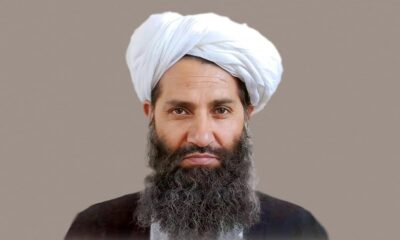
IEA Supreme Leader issues Eid-ul-Fitr message urging unity and support for Islamic system
-

 Business4 days ago
Turkmenistan, Afghanistan discuss steps to speed up land acquisition for TAPI pipeline
-
 Latest News2 days ago
IEA announces temporary pause in defensive operations against Pakistan for Eid
-
 Latest News2 days ago
Pakistan opposes normal Afghanistan–India relations: Shaheen
-
 Sport3 days ago
Afghanistan national buzkashi team defeats Hungary 14–0
-
 Latest News4 days ago
CAIR-Texas calls for probe after Afghan refugee dies in ICE custody
-
 Latest News4 days ago
IEA condemns alleged airstrike by Pakistan on drug treatment hospital in Kabul
-
 Latest News3 days ago
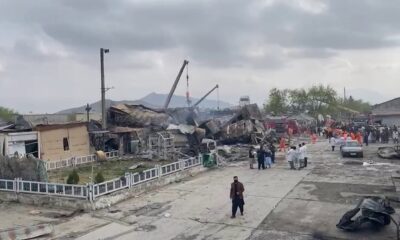
Afghanistan warns Pakistan of ‘teeth-breaking’ response after deadly Kabul bombing