
Latest News
UN officials urge Western nations to engage with Afghanistan to avert instability

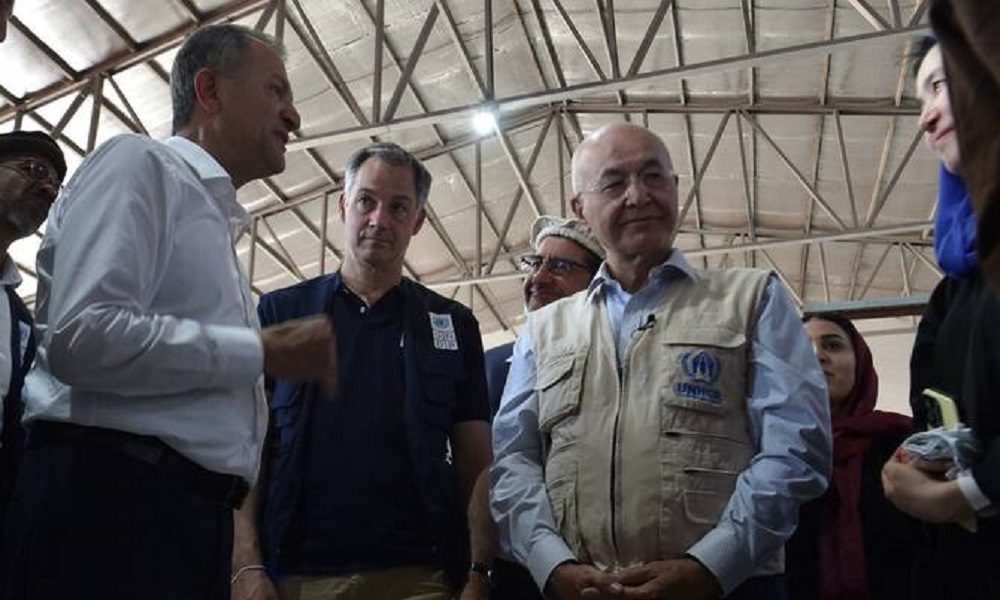
Two senior United Nations officials have urged Western nations to engage with Afghanistan, warning that isolating the country could fuel instability with consequences extending beyond its borders.
“The lesson of the recent past is that ignoring Afghanistan is not a good thing to do,” UN High Commissioner for Refugees Barham Salih told The Associated Press during a joint visit to the country with UN Development Programme Administrator Alexander De Croo.
Despite ongoing challenges, Salih said engagement is the best way to encourage positive policies and maintain stability. “Without it, we may well risk instability, with all the implications of that instability,” he said, citing extremism, drug trafficking, crime and refugee movements.
Afghanistan continues to face overlapping crises after decades of conflict, including natural disasters, climate change and a surge in returning refugees. Nearly six million Afghans have returned since 2023, mainly from Pakistan and Iran, with another two million expected this year, according to the UN.
The influx has placed additional pressure on communities already struggling with widespread poverty, while deep cuts in international aid have further strained essential services. De Croo said 422 health centres had closed over the past year because of funding shortages, leaving more than three million people without access to basic healthcare.
Although no Western country has formally recognised the Islamic Emirate government since it returned to power in 2021, the officials said Afghanistan has made progress in several areas, including security, anti-corruption efforts and reducing opium production.
“I wouldn’t close my eyes to the fact that there is progress,” De Croo said, noting that drug production has fallen by around 95%. However, he warned that continued international support is needed to provide farmers with alternative livelihoods and prevent a resurgence in poppy cultivation.
The restrictions imposed on Afghan women and girls remain a major obstacle to closer international relations. Both officials said they raised the issue with IEA authorities and stressed that constructive engagement offered the best chance of encouraging meaningful reforms.
“It is vital to remind the world that the price of inaction far outweighs action,” Salih said. “You cannot ignore Afghanistan, and what happens in Afghanistan does not necessarily stay in Afghanistan.”


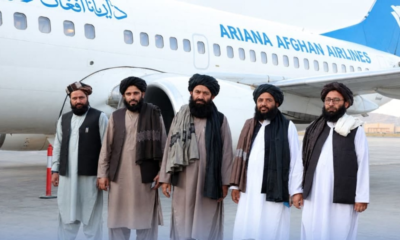

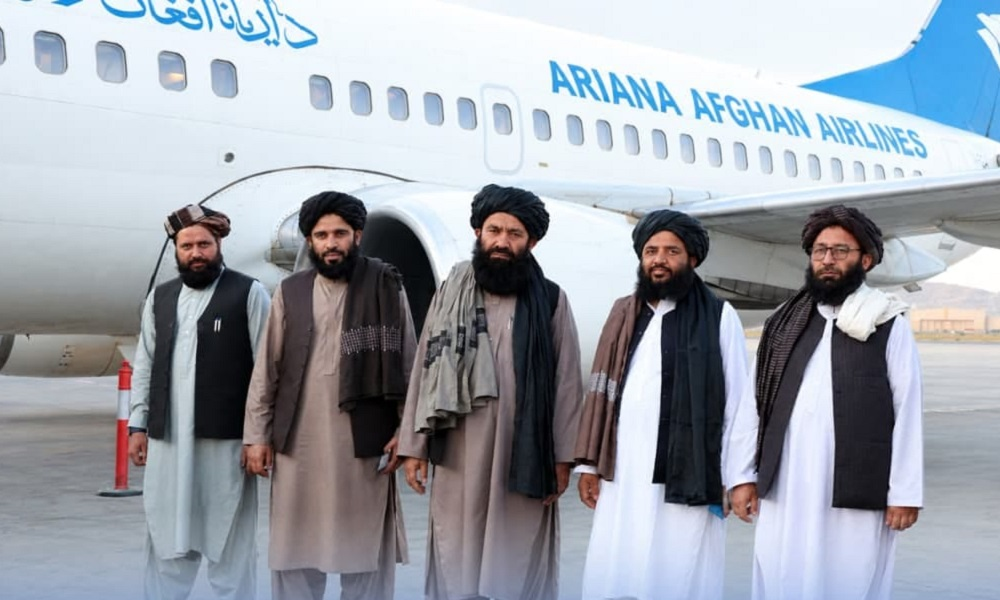
Mohammad Younus Akhundzada, the Islamic Emirate’s Minister of Energy and Water, departed for Riyadh, the capital of Saudi Arabia, on Saturday to attend the 17th World Energy Forum.
Ministerial-level representatives from around 100 countries are expected to participate in the forum to discuss energy cooperation, opportunities, and the exchange of experiences.
The Ministry of Water and Energy said Afghanistan’s participation in the forum provides an opportunity to strengthen relations with countries around the world, exchange expertise, and attract international cooperation in the energy sector.
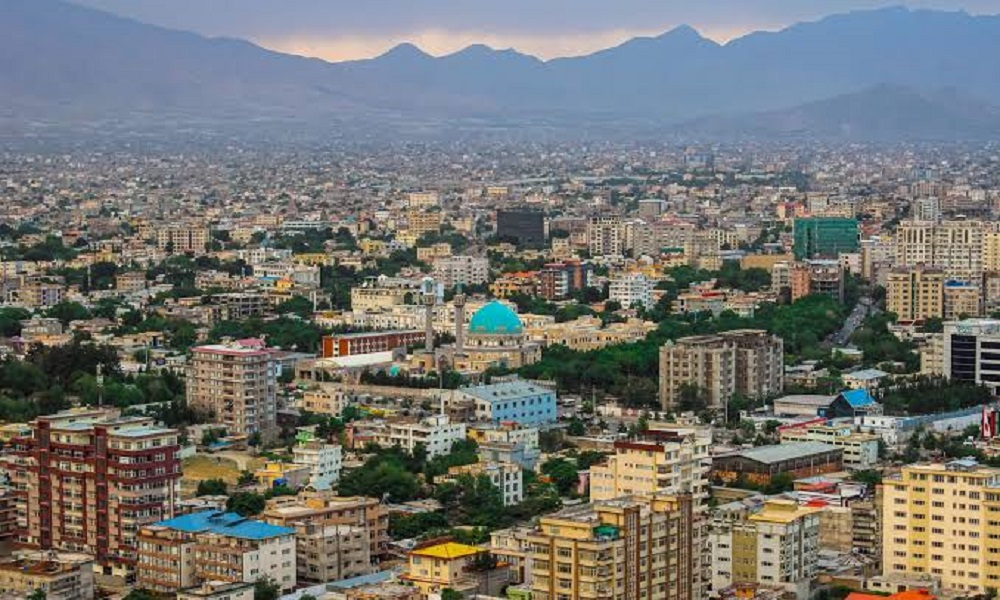
The US Department of State has placed Afghanistan in Tier 3 in its 2026 Trafficking in Persons Report, citing concerns over forced labor, child exploitation and inadequate protection for trafficking victims.
The report says Afghanistan has failed to fully meet the minimum standards for eliminating human trafficking and has not made significant efforts to do so.
It also highlights the vulnerability of families, particularly children, to trafficking and exploitation amid poverty, economic hardship and the return of migrants from neighboring countries.
Afghanistan continues to face economic challenges and growing humanitarian needs, while large numbers of Afghan migrants have returned from neighboring countries. Experts say raising public awareness, creating job opportunities and providing support to vulnerable families are essential to preventing human trafficking and child exploitation.
Meanwhile, the Islamic Emirate has previously issued a decree declaring human trafficking contrary to Islamic Sharia and called for action against the practice. Officials have also said the rights of Afghans are protected in accordance with Islamic Sharia and Afghan traditions.
Latest News
Iranian lawmaker praises Afghanistan’s support, accuses Pakistan of ‘hypocrisy’
Zanganeh claimed that a post published under the name of Pakistan’s parliamentary speaker during negotiations between Tehran and Washington had been written by Americans.
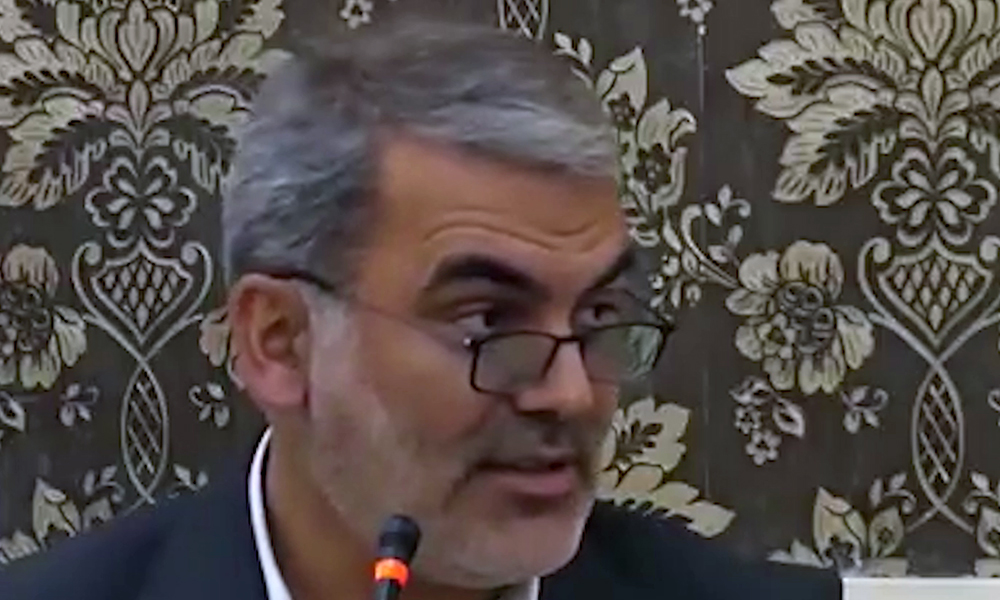
Mohsen Zanganeh, head of the Iranian Parliament’s Economic Commission, has praised Afghanistan’s support for Iran during the conflict between Iran and the United States, while criticizing Pakistan’s conduct during the crisis.
Zanganeh claimed that a post published under the name of Pakistan’s parliamentary speaker during negotiations between Tehran and Washington had been written by Americans. According to the Iranian lawmaker, US Special Envoy Steve Witkoff was responsible for drafting the post.
He described Pakistan’s alleged conduct as “hypocrisy” and expressed appreciation for the friendship and support shown by Afghans towards Iran.
Zanganeh’s remarks highlight the differing political perspectives emerging in the region as neighbouring countries respond to developments involving Iran and the United States.


14 killed in two separate mass shootings across the United States

Houthi attack on Saudi airport kills 12, over 300 wounded, authorities say

Energy and Water Minister heads to Saudi Arabia for World Energy Forum

Saar: Ongoing expulsion of Afghan refugees from Iran and Pakistan discussed

Afghanistan trail Bangladesh by 135 runs at stumps on Day Two

EU and FAO launch €5m programme to strengthen Afghanistan’s agrifood sector

Omar Zawak, Toofan Herat secure victories in Afghanistan Champions League

Cricket Bonanza: Afghanistan set for packed international schedule

Houthi advance in Yemen puts U.S. in a new bind

New warnings reignite debate over AI threat to humanity
Saar: Ongoing expulsion of Afghan refugees from Iran and Pakistan discussed

Tahawol: CSTO meeting on Afghanistan reviewed

Saar: Guterres’s talks with Pakistani officials on Afghanistan discussed

Tahawol: Consequences of US war in Afghanistan reviewed

Saar: Expulsion of Afghan refugees from Pakistan discussed
-
 World5 days ago
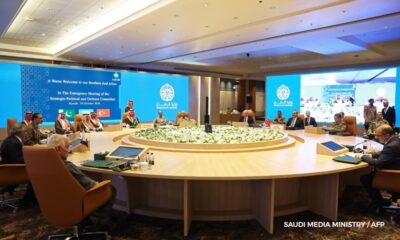
▶️Saudi Arabia, Turkey, Pakistan activate Mecca defense pact
-
 Sport5 days ago
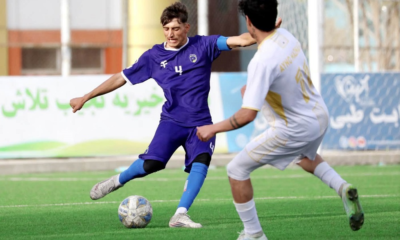
Aino Mina Kandahar defeat Istiqlal Kabul 3–2
-
 Health5 days ago
Russia investigates suspected pneumonic plague; Trump ready to ‘help’
-
 Regional2 days ago
Trump says US will not attack Iran before midterm elections in November
-
 Business4 days ago
Baradar opens Fifth Imam Abu Hanifa International Exhibition in Kabul
-

 International Sports4 days ago
Lionel Messi bids tearful farewell to Argentina after 3-0 win over Benin
-
 Business3 days ago
Russia-Afghanistan trade surges 150% in first seven months of 2026
-
 World4 days ago
Vance says Iran must cut enrichment to end war