
Latest News
UN report highlights rights violations in Afghanistan; IEA rejects it as ‘propaganda’

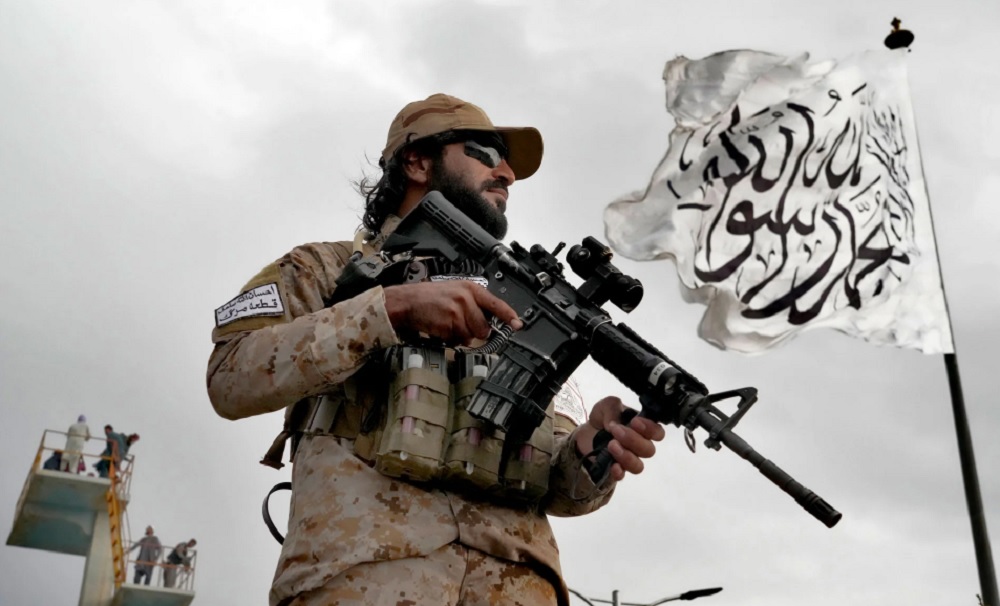
The United Nations Assistance Mission in Afghanistan (UNAMA) in a report on Wednesday highlighted human rights abuses since takeover of the country by the Islamic Emirate of Afghanistan (IEA) in August last year.
The report summarises UNAMA’s findings with regards to the protection of civilians, extrajudicial killings, torture and ill-treatment, arbitrary arrests and detentions, the rights of women and girls in Afghanistan, fundamental freedoms and the situation in places of detention.
Despite an overall, significant reduction in armed violence, between mid-August 2021 and mid-June 2022, UNAMA recorded 2,106 civilian casualties (700 killed, 1406 wounded).
The majority of civilian casualties were attributed to targeted attacks by Daesh against ethnic and religious minority communities in places where they go to school, worship and go about their daily lives, UNAMA said.
“It is beyond time for all Afghans to be able to live in peace and rebuild their lives after 20 years of armed conflict. Our monitoring reveals that despite the improved security situation since 15 August, the people of Afghanistan, in particular women and girls, are deprived of the full enjoyment of their human rights,” said Markus Potzel, acting UN envoy to Afghanistan.
UNAMA’s report highlights specific concerns with respect to two bodies within IEA – the Ministry of Propagation of Virtue and Prevention of Vice and the General Directorate of Intelligence.
According to UNAMA, although the ministry’s directives are said to be recommendatory in nature, at times members of IEA have taken a harsh stance on their implementation, including carrying out physical punishments for alleged infringements of their directives.
UNAMA reported 160 extrajudicial killings, 178 arbitrary arrests and detentions and 56 instances of torture and ill-treatment of former ANDSF and government officials by IEA authorities.
It also reported 59 extrajudicial killings, 22 arbitrary arrests and detentions and seven incidents of torture and ill-treatment by IEA authorities of individuals accused of Daesh affiliation.
In addition, 18 extrajudicial killings, 54 instances of torture and ill-treatment and 113 instances of arbitrary arrest and detention and 23 cases of incommunicado detention of individuals accused of affiliation with self-identified “National Resistance Front” were also reported by UNAMA.
According to the report, there were human rights violations affecting 173 journalists and media workers, 163 of which were attributed to IEA authorities. Among these were 122 instances of arbitrary arrest and detention, 58 instances of ill-treatment, 33 instances of threats and intimidation and 12 instances of incommunicado detention.
“The rights to freedom of peaceful assembly, freedom of expression and freedom of opinion are not only fundamental freedoms, they are necessary for the development and progression of a nation. They allow meaningful debate to flourish, also benefiting those who govern by allowing them to better understand the issues and problems facing the population,” said Fiona Frazer, UNAMA Chief of Human Rights.
IEA however rejected the report as a “propaganda.”
Zabihullah Mujahid, a spokesman for IEA, said extrajudicial killings and arbitrary arrests are not allowed.
He said if anyone commits extrajudicial killing or arbitrary detention, he will be treated as a criminal and will face Sharia law.
Bilal Karimi, deputy spokesman of IEA, also said that IEA is the only force defending the rights of the Afghan people, and it is the real representative of the Afghan people.








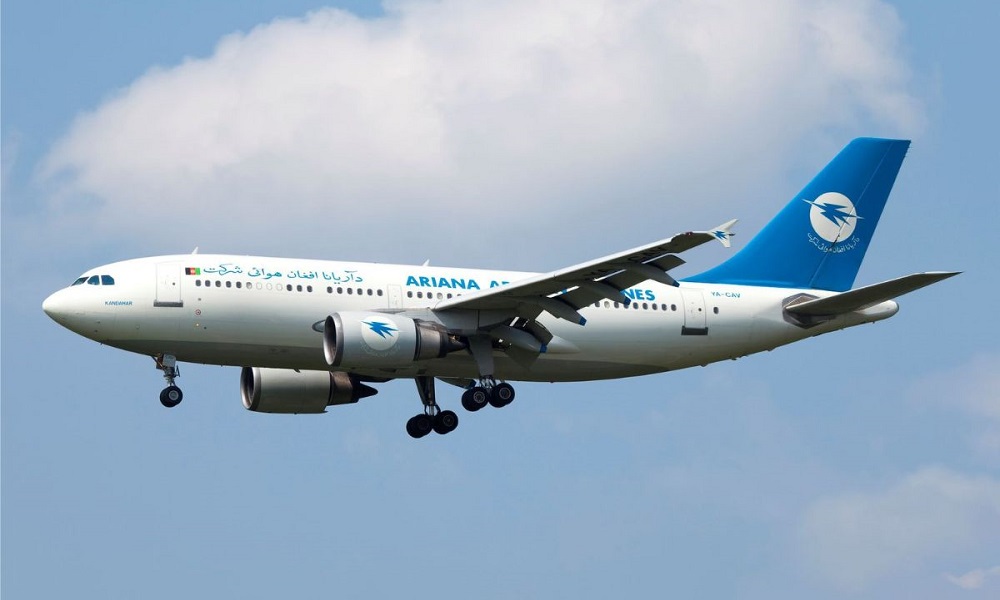
Ariana Afghan Airlines has ranked seventh among 45 airlines in Central Asia in Skytrax’s 2026 rankings.
Company officials say Ariana Afghan ranked eighth on the list in 2025, but moved up one place this year following improvements in service quality and the expansion of its operations.
According to the officials, in 2026 the airline met criteria including service quality, flight safety, professional cabin crew, and experience in the aviation sector, placing it among the top 10 airlines in Central Asia.
Skytrax is an international organization that evaluates and ranks the quality of services in the aviation industry and airlines, assessing and ranking carriers annually based on specific criteria.
Latest News
Silk Road highway in Wakhan corridor now reaches the China border
The road is expected to be officially opened for use in the near future, potentially improving connectivity through the remote Wakhan Corridor.
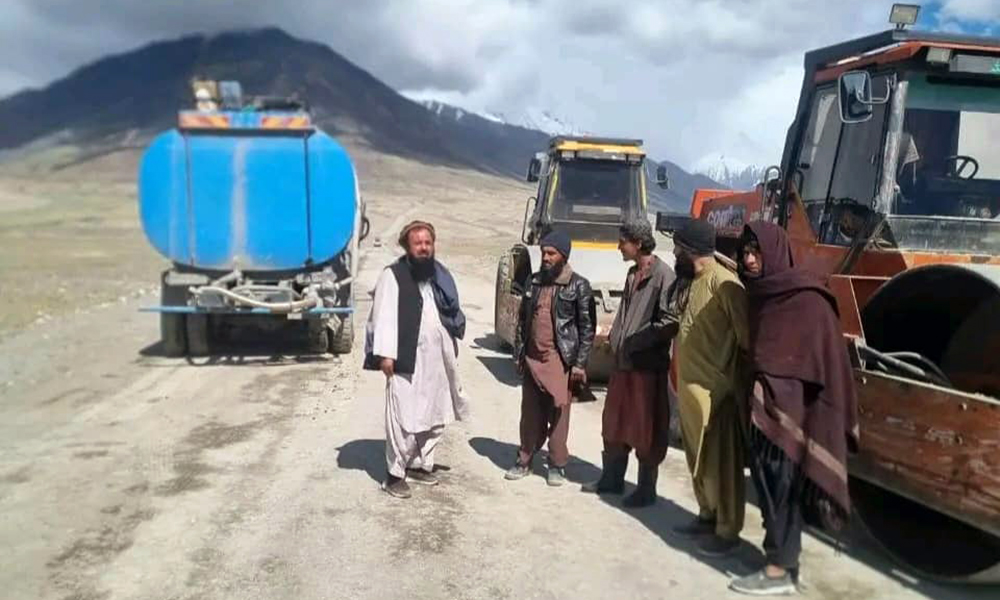
The construction of the Silk Road Highway in Afghanistan’s Wakhan Corridor has been fully completed after five years of work, officials in Badakhshan province said.
Amanullah Chehra, head of Rural Rehabilitation and Development in Badakhshan, said the 121.13-kilometre road begins in the Barghil area and stretches to Bzai Gonbad near the Chinese border.
According to officials, the road is between 7 and 10 metres wide and includes three major bridges, each measuring approximately 20 to 22 metres in length. Numerous smaller drainage structures have also been built along the route to facilitate the flow of water.
The road is expected to be officially opened for use in the near future, potentially improving connectivity through the remote Wakhan Corridor.
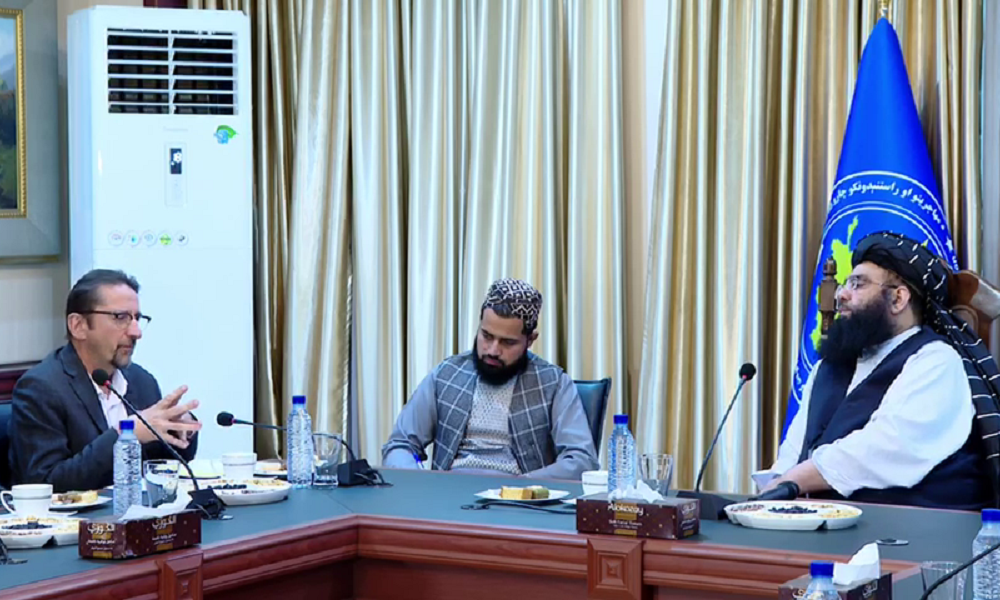
Afghanistan’s Minister of Refugees and Repatriation, Mawlawi Abdul Kabir, met on Wednesday with Bruno Lemarquis, UNAMA’s Deputy Head for Humanitarian Affairs, to discuss the situation of Afghan returnees and humanitarian assistance.
The Ministry of Refugees and Repatriation said Lemarquis briefed the minister on assessments conducted by UN agencies during visits to several provinces to identify the needs of returnee families.
Lemarquis said joint cooperation between UN agencies and the Islamic Emirate is needed to support and resettle returnees. He added that UN agencies are currently assisting thousands of families and called for the expansion of humanitarian assistance.
He also said the international community should pay greater attention to the needs of Afghans, adding that UNAMA is ready to cooperate in addressing challenges facing returnees.
Abdul Kabir welcomed UNAMA’s support and thanked the United Nations for its assistance to Afghans. He said various government institutions have been tasked with addressing returnees’ needs.
The minister also called on aid organizations to continue supporting returnee families, saying a program to resettle thousands of internally displaced families is also underway.
Kabir further said the necessary facilities have been provided for UN agencies to operate and that the Islamic Emirate welcomes UNAMA’s humanitarian cooperation.


Afghanistan open Asian Games cricket campaign with win over Japan

Trump welcomes Chinese President Xi as US-China summit gets underway

Iran airlines cancel flights as US sanctions hit

Tahawol: Opening of the 81st UN General Assembly Session

Saar: OIC Assessment of Afghanistan’s humanitarian and development situation discussed

Saudi energy group signs major Afghanistan deals covering gas exploration and pipeline plans

ATN secures exclusive rights to broadcast T20I series in India across Afghanistan

China evacuates thousands as Typhoon Narra brings torrential rain

Trump floats idea of renaming Atlantic or Pacific Ocean

US hits Egyptian bank branches with Iran sanctions as war marks six months
Tahawol: Opening of the 81st UN General Assembly Session
Saar: OIC Assessment of Afghanistan’s humanitarian and development situation discussed

Tahawol: Reactions to Pakistan’s attacks on Afghanistan discussed

Saar: Uncertain fate of Afghanistan’s seat at UN discussed

Tahawol: Uncertain future of Afghanistan’s permanent UN seat
-

 Sport3 days ago
Afghanistan to face Japan and Nepal in Asian Games cricket group stage
-
 Latest News4 days ago
Pakistan says Kohat attackers had roots in Afghanistan
-
 Latest News4 days ago
OIC to hold Afghanistan Contact Group meeting on sidelines of UN General Assembly
-
 Latest News5 days ago
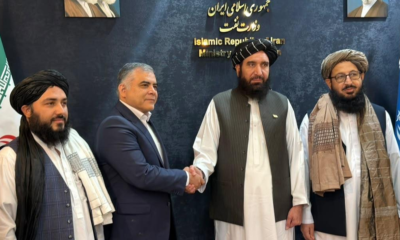
Afghan official meets Iranian oil minister to discuss energy cooperation
-
 Regional4 days ago
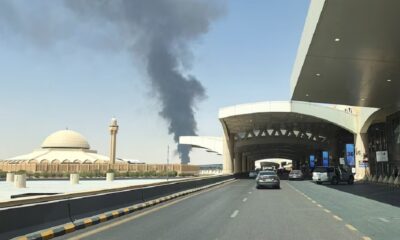
Flames, smoke seen near Riyadh airport; Houthis claim attacks on Saudi capital
-
 Regional3 days ago
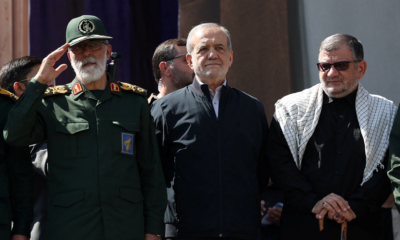
Iran and US trade threats after Houthi attacks escalate regional conflict
-

 Sport5 days ago
Abu Muslim Farah and Ariana Khost play out goalless draw in ACL
-
 Business4 days ago
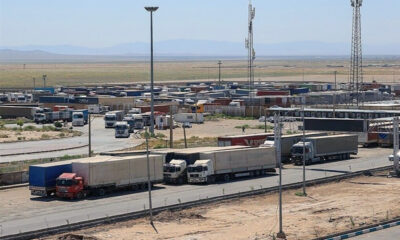
Dogharoun handles 60% of Iran’s exports to Afghanistan