
Regional
War weighs on Iran’s economy as US intensifies sanctions

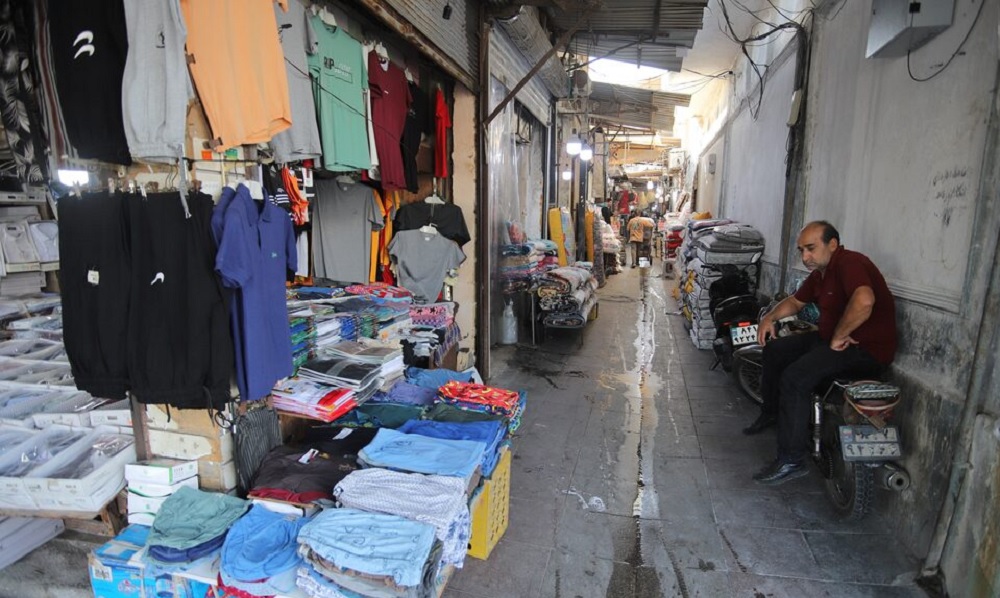
Iranian leaders are acknowledging the economic toll of war with the U.S., with the supreme leader urging the government to address the hardship and the president saying foreign trade has shrunk by a third due to the American sanctions and blockade.
Yet Tehran signalled no retreat on Saturday, vowing to withstand U.S. pressure, pursue diplomacy and maintain what it said was control over the Strait of Hormuz, the strategic waterway giving Iran leverage through its ability to disrupt global energy markets, Reuters reported.
The government said in a statement on state media that addressing economic pressures caused by sanctions and war was a central focus, including curbing inflation, managing markets, creating jobs, directing investment towards domestic production and gradually reducing dependence on the dollar.
Six months after the U.S. and Israel launched the war, negotiations are at an impasse and President Donald Trump’s administration has stepped up efforts to punish Iran financially with what it has billed as an “economic D-Day”.
SANCTIONS COMPOUND TOLL ON IRAN’S ECONOMY
Washington has warned countries to cut business ties with Iran or face secondary sanctions, though the Treasury Department stopped short of imposing penalties against major Iranian trade partners such as China and India, which could have repercussions for the U.S. and global economies.
The Treasury imposed sanctions on Egypt’s Banque Misr for doing business with Tehran, proposing a rule that would cut off the bank’s branches in the United Arab Emirates from dollar transactions.
Egypt’s central bank said it and the foreign ministry were in contact with U.S. officials concerning the matter, adding the measure was limited to Banque Misr UAE’s U.S. dollar transactions with correspondent banks only.
Banque Misr said on Saturday it was reviewing the U.S. Treasury notice, adding that its branch in the UAE continued to provide banking services to its customers.
The U.S. has also issued sanctions targeting an entity based in Hong Kong and a person linked to Iran’s Bank Melli, according to a notice on the Treasury website.
The sanctions drive compounds the toll of the war on Iran’s economy, where annual inflation hit 66% last month.
Supreme Leader Ayatollah Mojtaba Khamenei — who has not been seen publicly since he was injured in the initial February 28 attack that killed his father and former Supreme Leader, Ayatollah Ali Khamenei — called on the government to tackle the economic hardship.
“There is the need to seriously address the chain of economic and livelihood challenges, such as inflation, unemployment, management of prices and the market for goods and services,” he said, according to a written statement attributed to Khamenei.
President Masoud Pezeshkian told state media that Iranian exports and imports had slumped nearly 35% because of U.S. sanctions and a naval blockade of Iranian ports.
But he said Iran was able to sell about 90 million barrels of oil during the short-lived memorandum of understanding that the U.S. and Iran signed in June, when Washington permitted Iranian oil sales.
Later on Saturday, Pezeshkian called on state TV for a revival of the interim deal, which was signed on June 17 but quickly unravelled amid disagreements over what had been agreed, especially on the status of the Strait of Hormuz.
“We can solve our problems and gain our privileges with the memorandum of understanding,” he said of a document that had offered Iran, among other things, immediate relief from U.S. sanctions and the release of its frozen assets.
IRAN VOWS TO PURSUE DIPLOMACY AND DEFENCE
With the U.S. focused on its economic pressure campaign, others have sought to revive diplomatic efforts to end the war.
Qatari Prime Minister Sheikh Mohammed bin Abdulrahman Al Thani met with Iranian leaders in Tehran on Thursday. He said he had stressed during the meeting the importance of returning to the pre-war status of open shipping through the Strait of Hormuz.
Iranian Foreign Minister Abbas Araqchi on Friday described the talks with Al Thani as “creative”.
In Saturday’s statement, Iran said diplomacy and defence were “two complementary, coordinated and inseparable wings” for protecting the country’s national interests, security and territorial integrity. It said it would pursue both tracks in a balanced manner.
Qatar, a U.S. ally and Gulf neighbour to Iran, and Pakistan helped broker the June memorandum of understanding.
Before the war, the Strait of Hormuz carried 20% of the world’s oil and LNG. U.S. military commanders say American forces have cleared sea mines from the strait that had been laid months ago by Iran’s Islamic Revolutionary Guard Corps.
Trump has repeatedly said the strait is open, but the Revolutionary Guards’ navy said in a statement that such claims “are an obvious lie”, reiterating that the waterway remained closed to ships without Iranian permission.



Regional
Saudi Aramco administrative building attacked, limited fire reported
The complex hosts a major operations centre for Aramco, which oversees a vast network of onshore and offshore oil rigs, pipelines, refineries and export terminals.
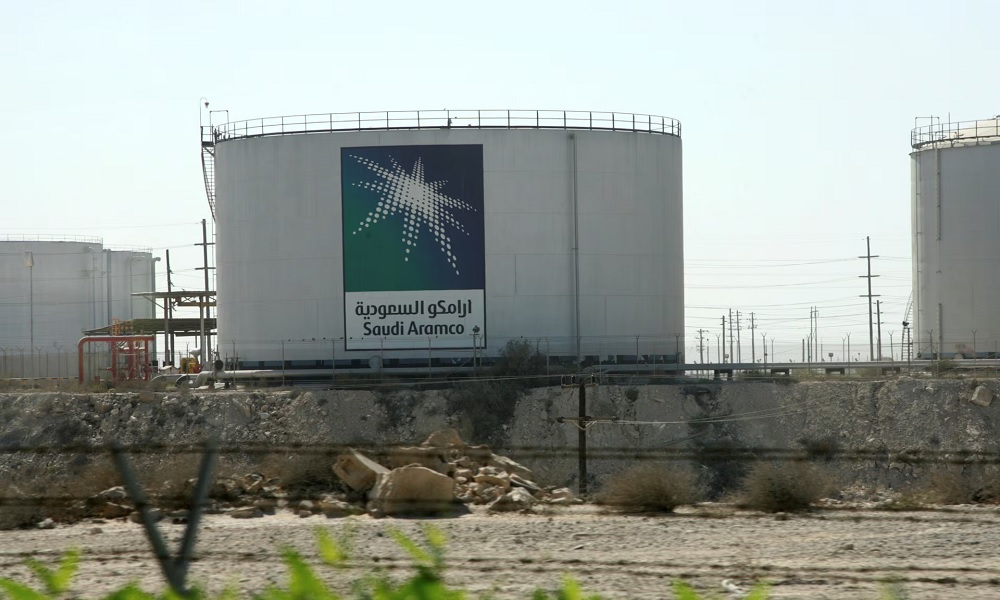
An administrative building belonging to Saudi Arabia’s state-owned oil company Saudi Aramco in the eastern city of Dhahran was attacked, causing a limited fire, the Energy Ministry said in a statement on Wednesday as fighting between Yemen’s Iran-allied Houthis and the kingdom intensified.
Authorities responded to the incident late on Tuesday and took necessary measures, the ministry said, adding that there were no injuries or deaths.
A company source told Reuters earlier that a ballistic missile hit the Aramco headquarters complex in Dhahran. The source said an office tower in the complex was struck and that its top three floors were damaged. The source and two other people with knowledge of the matter said the building was on fire.
The complex hosts a major operations centre for Aramco, which oversees a vast network of onshore and offshore oil rigs, pipelines, refineries and export terminals.
The Houthis have for a week been firing ballistic missiles and drones at key Saudi sites in retaliation for the kingdom’s backing of government forces in Yemen’s reignited civil war. Riyadh’s international airport has received four strikes, including one on Saturday that killed 13 people.
Saturday’s ballistic missile strike on Riyadh airport was the deadliest in Saudi Arabia in a decade, with further attacks grounding flights across the country.
Earlier, six sources told Reuters they heard loud booms near the Aramco complex.
The Saudi-led coalition said fragments of a missile that it had intercepted and destroyed in Dhahran had fallen on a residential area, without providing further details.
Authorities also reported that drones and missiles were intercepted and destroyed in the capital, Riyadh, and the country’s southern region.
Four people were injured in Riyadh after fragments from two Houthi missiles fell following their interception and destruction, Saudi Civil Defense said on Wednesday. The debris caused limited damage to 15 homes in the capital, the Civil Defense spokesperson said, adding that the injured were two women, a man and a child.
The Houthis had threatened a “harsh and painful” response to Saudi-led strikes on the Yemeni capital Sanaa, with spokesperson Yahya Saree saying targets could include the Saudi Aramco headquarters in Dhahran and an oil refinery in Riyadh.
The group has warned oil workers in Saudi Arabia to stay away from sites that could be targets.
The Houthis earlier on Tuesday said Saudi Arabia was attacking Sanaa, and the Saudi-led coalition warned civilians to stay away from an oil depot on the city’s outskirts.
Houthi-run Al-Masirah television reported that the Saudi-led coalition had targeted the Yemen Petroleum Company’s Sabah central station, a fuel depot on the outskirts of Sanaa.
The coalition said in a statement on Tuesday evening that it attacked the station and other sites in an operation aimed at “neutralizing the capabilities of Houthis” to threaten Saudi Arabia, Yemen and international waterways.
The Saudi cabinet, chaired by de facto ruler Crown Prince Mohammed bin Salman, issued a statement on Tuesday before the strike on Saudi Aramco saying the Houthis would face consequences for their repeated attacks on the kingdom.
REIGNITED YEMEN WAR
Saudi Arabia resumed its military campaign in Yemen in support of the internationally recognised government in a bid to reverse the Houthis’ sudden gains last month, when they swept down the Red Sea coast to the critical Bab el-Mandeb Strait.
The strait, the southern gateway to the Red Sea, has become a more vital route for Saudi and other global energy supplies since the start of the Iran war in February, when Tehran closed the Strait of Hormuz leading from the Gulf to the Indian Ocean.
While a government offensive that began a week ago pushed the Houthis from the area closest to the strait, the group remains embedded nearby and has made gains around the city of Taiz this month.
Saudi Arabia has been seeking wider support from allies for its campaign against the Houthis and to help it ward off their missile and drone attacks.
Washington, Saudi Arabia’s strongest ally and longtime security guarantor, has so far rebuffed Saudi efforts to bring it directly into the war against the Houthis.
The Yemen conflict has resumed as a spillover from the wider US-Iran war that began with the US-Israeli attack on the Islamic Republic on February 28.
Iran, Saudi Arabia’s longtime regional rival, has offered to mediate between Saudi Arabia and the Houthis, its foreign minister Abbas Araqchi said on Sunday in statements reiterated by the ministry on Monday.
Regional
Pakistan deploys military to Peshawar after emergency rule declared
Thousands of supporters of Khan have been marching across Khyber Pakhtunkhwa, demanding his release and criticising the government over worsening economic conditions.
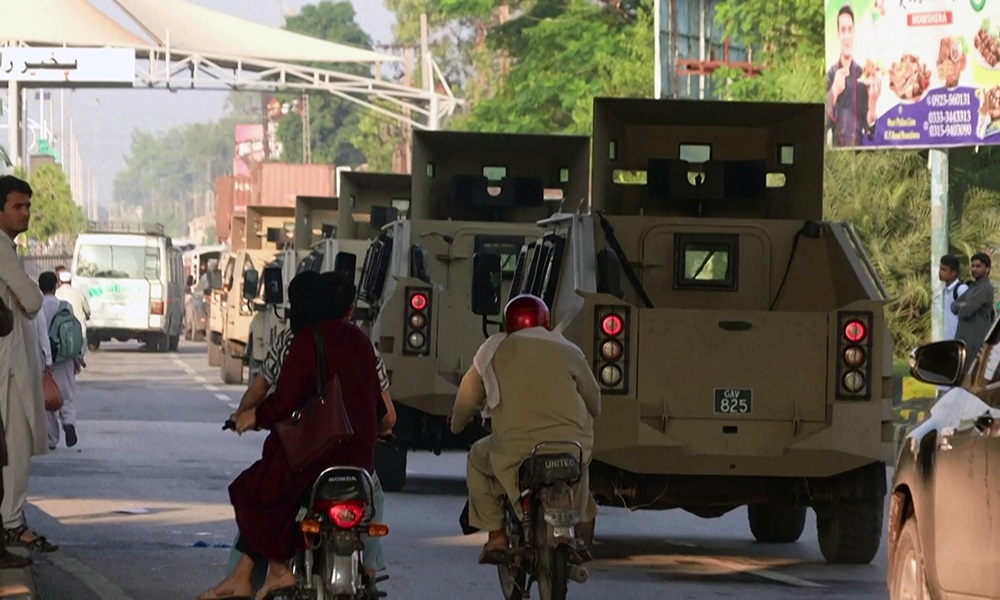
Pakistan deployed security personnel and military vehicles to Peshawar on Monday, a day after the government imposed emergency rule in the northwestern province of Khyber Pakhtunkhwa, a stronghold of jailed former prime minister Imran Khan.
The deployment follows Sunday’s emergency declaration, which came amid anti-government demonstrations by Khan’s supporters and increased militant violence in the region.
Thousands of supporters of Khan have been marching across Khyber Pakhtunkhwa, demanding his release and criticising the government over worsening economic conditions.
The emergency measures effectively sideline the provincial government led by Khan’s Pakistan Tehreek-e-Insaf (PTI) party. Authorities have cited deteriorating security and the failure of negotiations with the opposition.
The move has drawn condemnation from PTI leaders, who have described the emergency declaration as undemocratic and an infringement on the rights of the province’s residents.
Khan has been in prison since August 2023, facing numerous charges that he denies, describing them as politically motivated.
The deployment comes amid heightened political tensions and security concerns in northwestern Pakistan, where authorities have also reported increased militant activity.
Regional
Houthis warn airlines to avoid Saudi airports after deadly Riyadh attack
Saudi authorities said the 12 people killed in Saturday’s attack included four Saudi nationals, two Bangladeshi nationals and one citizen each from the US, Jordan, Palestine, Syria, Sudan and Egypt.
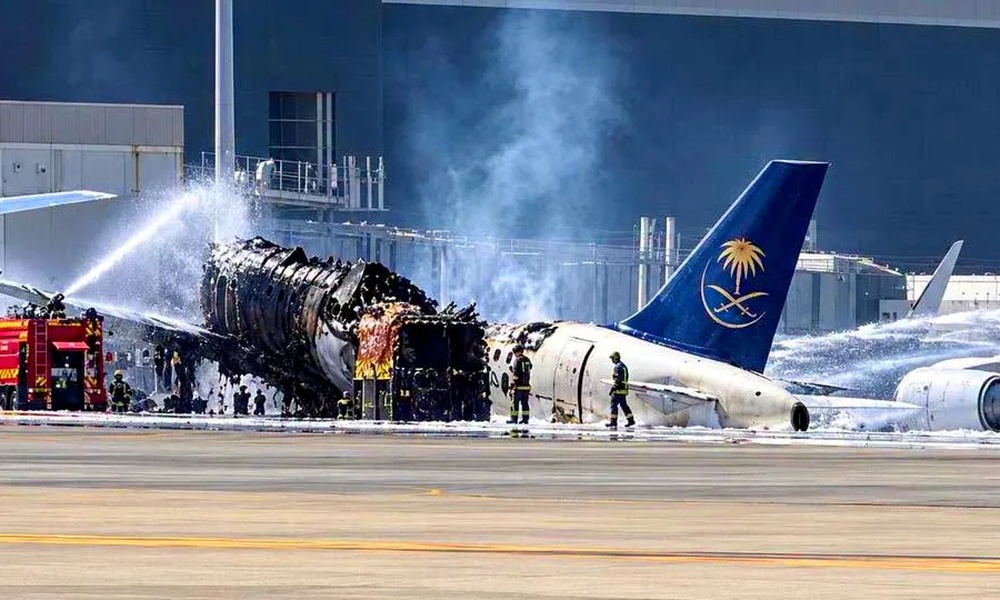
Yemen’s Houthi movement has warned airlines and passengers against using Saudi Arabia’s airports and airspace, declaring them potential targets following a deadly attack on Riyadh’s King Khalid International Airport that killed 12 people and injured more than 300.
In a statement issued on Sunday, Houthi military spokesman Yahya Saree reiterated the group’s warning to airline companies, saying Saudi airports and airspace could be targeted in further military operations.
The warning excluded the holy cities of Mecca and Medina. Saree urged airlines and passengers to take the threat seriously, while blaming Saudi Arabia for what he described as unsuccessful interception attempts.
The statement did not directly claim responsibility for Saturday’s attack. However, the Iran-backed group had previously said it was behind separate strikes on the same airport on Thursday, which killed three people and damaged an aircraft.
Saudi authorities said the 12 people killed in Saturday’s attack included four Saudi nationals, two Bangladeshi nationals and one citizen each from the United States, Jordan, Palestine, Syria, Sudan and Egypt.
The attack has raised serious concerns about the security of Saudi Arabia’s critical infrastructure and the potential for the widening regional conflict to disrupt international aviation.
Eyewitnesses described scenes of panic at the airport, with passengers fleeing as smoke rose above the terminal. Video footage showed smoke billowing over the facility following the strike.
The incident is being described as the deadliest single attack on a Gulf Arab state since the war involving Israel, the United States and Iran began in February.
The Houthis have intensified their attacks on Saudi targets in recent weeks, threatening infrastructure vital to the kingdom’s economy. Saudi Arabia has responded with air strikes against Houthi positions in Yemen.
US President Donald Trump said Washington was considering joining Saudi Arabia in further military action against the group.
Asked whether the United States would participate in strikes, Trump said a decision had not yet been made, adding that his administration had only recently learned of the latest attack.
US Secretary of State Marco Rubio condemned the attacks and confirmed that an American citizen had been killed.
Britain has also condemned the strike. Defence Secretary Wes Streeting said the United Kingdom was already providing Saudi Arabia with air-to-air refuelling support and indicated that further assistance could potentially be considered. However, he stressed that Britain was not currently planning offensive military operations.
Streeting said the attack on a civilian target could not be justified under any circumstances, adding that there was no military solution to the wider conflict.
United Nations Secretary-General António Guterres expressed shock at the attack, describing it as a violation of international law. European Commission President Ursula von der Leyen also condemned the incident as a dangerous escalation and expressed solidarity with Saudi Arabia.
Pakistan, Egypt and Qatar joined the international condemnation, warning that the attack threatened regional stability and civilian safety.
Despite the violence, a major energy conference scheduled to take place in Riyadh near the airport was expected to proceed, with organisers confirming that the World Petroleum Congress would run from October 11 to 15.
The latest escalation comes amid growing fears that the wider conflict involving Iran, Israel and the United States could intensify further. With the Houthis continuing to threaten Saudi infrastructure, concerns are mounting over the security of regional air travel, energy facilities and key economic centres.


Afghan official says Durand Line crossings to remain closed until Islamabad accepts demands

Yemen hospitals overwhelmed by surge in war casualties, Red Cross warns

Afghan futsal coach: Brazil tournament is first step towards new goals and World Cup

Guterres proposes 60 job cuts at UNAMA

Afghan farmers adopt climate-resilient innovations to improve food security

Cricket Bonanza: Afghanistan set for packed international schedule

UN warns of mounting humanitarian and human rights pressures in Afghanistan

Afghanistan says 28 killed, 32 captured in Nuristan operation

CNN, MS NOW and Politico sue Trump, challenging White House ban

Silk Road highway in Wakhan corridor now reaches the China border

Tahawol: Warnings over worsening insecurity in Pakistan discussed

Saar: Concerns over potential return of US military bases to Afghanistan discussed

Tahawol: Kabul’s criticism of Islamabad’s policy toward Afghanistan

Saar: Pakistan deploying army in KP

Tahawol: EU appointing new envoy for Afghanistan
-
 Latest News4 days ago
Pakistan issues new directives for Afghan medical students and doctors
-
 Latest News4 days ago
Iranian lawmaker praises Afghanistan’s support, accuses Pakistan of ‘hypocrisy’
-
 World5 days ago
US imposes sanctions on ICC amid dispute over international prosecutions
-
 Regional3 days ago
Houthis warn airlines to avoid Saudi airports after deadly Riyadh attack
-

 Sport5 days ago
Bangladesh reach 317/8 on Day One against Afghanistan in Test match
-
 Business4 days ago
Afghan-Austrian partnership aims to boost carpet exports to European markets
-

 Sport3 days ago
Afghanistan Champions League second half to kick off on October 16
-

 World3 days ago
14 killed in two separate mass shootings across the United States