
Latest News
Afghan-Taliban Peace Talks to be held less than a month

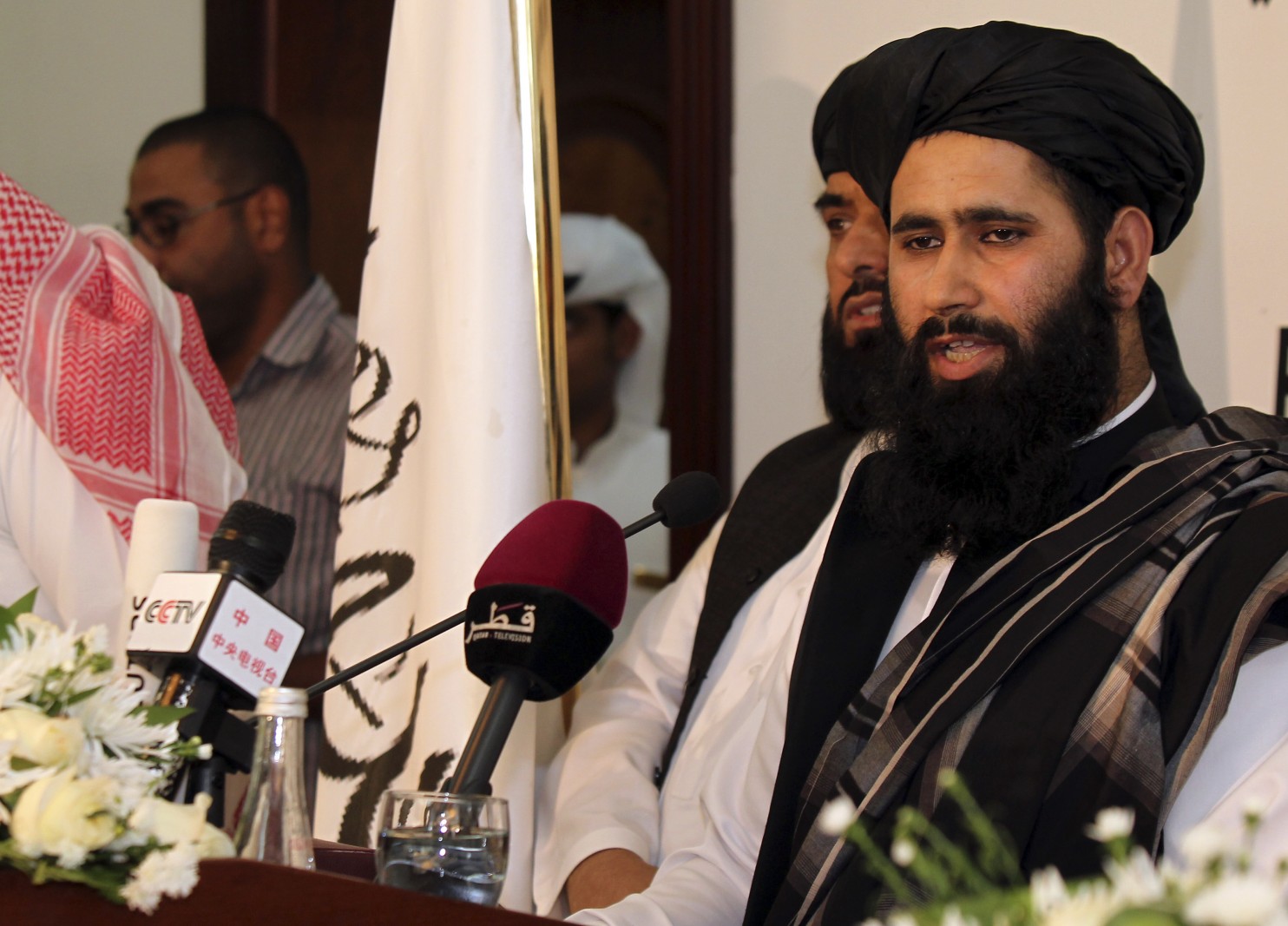

It is scheduled that official negotiation between Afghanistan and Taliban to be held less than a month, Pakistani media outlets said.
Pakistani media outlets as military officials quoted say that the negotiations will be held in the second week of the year 2016 January and Hanif Atmar, National Security Adviser of President Ghani will be the representative of Afghanistan in a significant effort to open formal peace negotiations.
The media outlets of Pakistan noted that the negotiations will be held between Hanif Atmar, Afghanistan national security adviser, Pakistan Prime Minister, Sartaj Aziz and Taliban with monitoring of US and China’s special representatives.
Meanwhile, President adviser called on Pakistan to be honest on its commitments.
“Our demand from Pakistan is to be honest on their commitments to our country,” said Qutbuddin Helal, President’s adviser.
Ariananews tried to have Presidential Palace and National Security Council’s comments regarding the issue but failed to succeed.
“I do not believe on Pakistan’s commitments and still there is no signs of honesty about this country,” said Jawid Kohestani, military analyst.
Afghan and Taliban representatives met each other after landmark through-the-night talks aimed at ending the militants’ 13-year insurgency in the town of Murree, a hill station north of Islamabad.
Pakistani prime minister Nawaz Sharif hailed the meeting as a breakthrough, though the Taliban showed no sign of easing up on their bloody offensive, launching suicide attacks in Kabul as talks were about to get under way.
The Islamabad meeting, brokered by Pakistani officials after months of intense effort by President Ashraf Ghani of Afghanistan to get them more centrally involved in the peace process, was the most promising contact between the two warring sides in years.
A peace process that would lead to the Taliban ending their insurgency has long been seen as a crucial part of the American strategy to stabilize Afghanistan after a costly 14-year war.
But previous promising moments in that effort, including the formal opening of a Taliban political office in Qatar in 2013, either fizzled or backfired.
In their first meet-up in the popular tourist resort of Murree on July 7, Afghan government officials had demanded that the Taliban announce a ceasefire.
The insurgents agreed to cease fire if Pakistan and China guaranteed a ‘United National Government’ would be formed in Afghanistan.
It is believed that both Islamabad and Beijing are willing to go the extra mile if all sides signal their inclination for such a role.
Since the first round of talks, Afghan government officials and Taliban cadres were said to have been in contact to work out some CBMs for the next round in order to make the atmosphere conducive for more meaningful talks.
The Murree Peace Process is the first serious effort in recent years to cut a peace deal between the Afghan government and Taliban insurgents. All sides have been able to sit on the negotiating table after Pakistan successfully persuaded the Taliban to join peace talks.

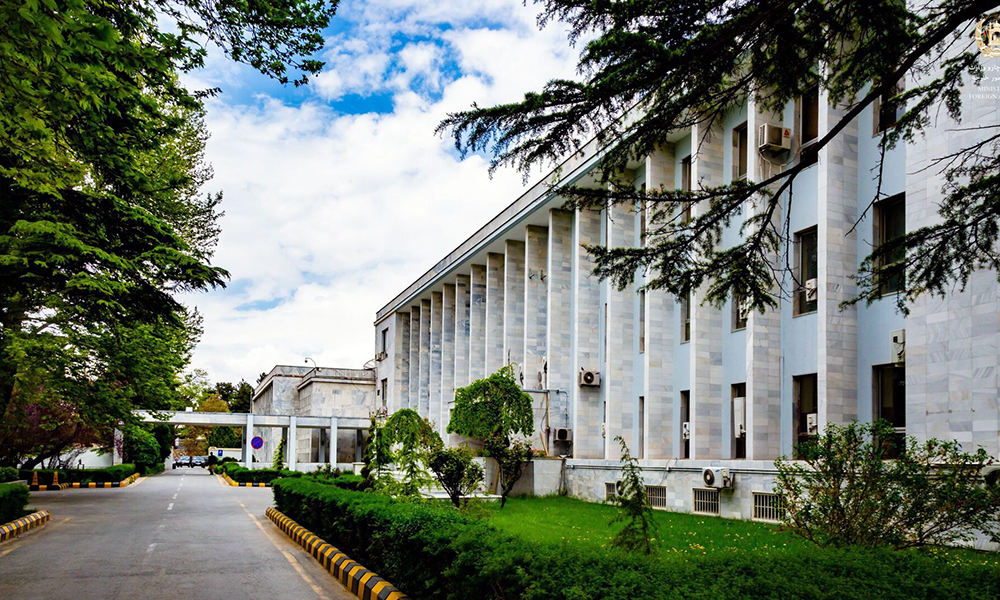
The Ministry of Foreign Affairs of Afghanistan has responded to media reports suggesting that around 1,100 Afghans awaiting U.S. visa processing in Qatar may be relocated to the Democratic Republic of the Congo.
In a statement on Saturday, the ministry’s spokesman Abdul Qahar Balkhi said it had taken note of reports indicating that Afghan nationals in Qatar were being asked to choose between returning to Afghanistan or being transferred to a third country.
The ministry reiterated that Afghanistan is the shared homeland of all Afghans and encouraged voluntary return, stressing that returnees can come back with “full confidence and peace of mind.”
It said that those intending to travel to another country may do so at an appropriate juncture through legal and dignified channels.
The statement added that the Ministry of Foreign Affairs is ready to engage with all countries through consular and bilateral channels to protect the rights of Afghan citizens abroad.
It further stated that there are no security threats inside Afghanistan, rejecting the notion that citizens are being forced to leave for other countries due to conditions at home.
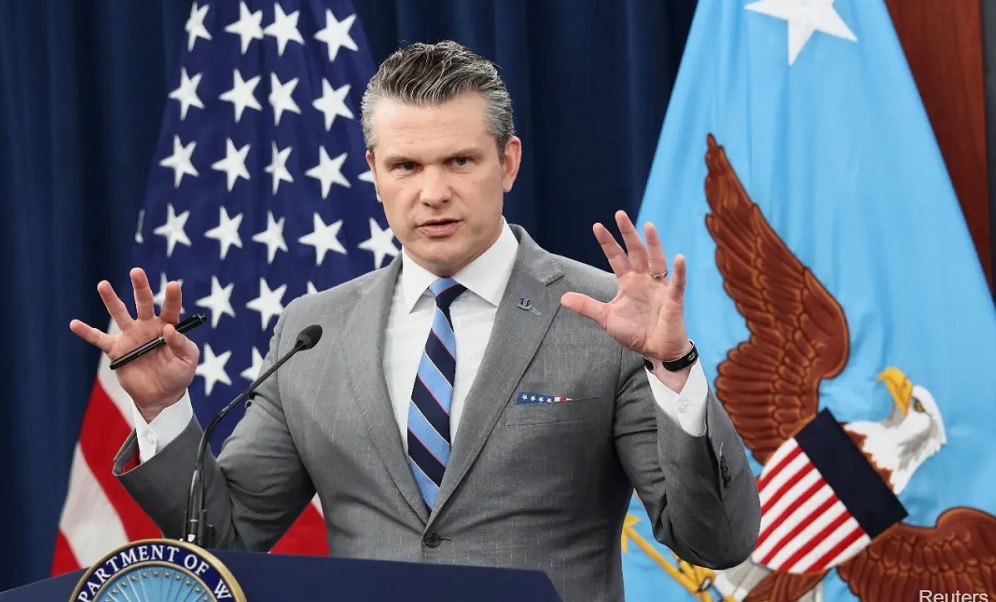
The U.S. Department of War said on Friday it will release the findings of a major internal review of the 2021 withdrawal from Afghanistan later this summer, in what officials describe as one of the most comprehensive assessments ever conducted on a single military operation.
Speaking to reporters, U.S. War Secretary Pete Hegseth said the review examines decisions leading up to and including the evacuation at Kabul airport, particularly the deadly attack at Abbey Gate during the final days of the withdrawal.
Hegseth said the department is conducting a full internal accounting of the events, noting that previous investigations and congressional reviews did not provide a complete or detailed picture of what took place.
He described the withdrawal as a “disastrous” moment with long-term implications, saying its impact was felt beyond Afghanistan and influenced perceptions of U.S. deterrence worldwide.
On Aug. 26, 2021, as U.S. forces were withdrawing from Afghanistan, a suicide attack at the Abbey Gate entrance to Kabul’s airport killed 13 Americans.
The bombing has remained a central focus of criticism and political debate in the United States.
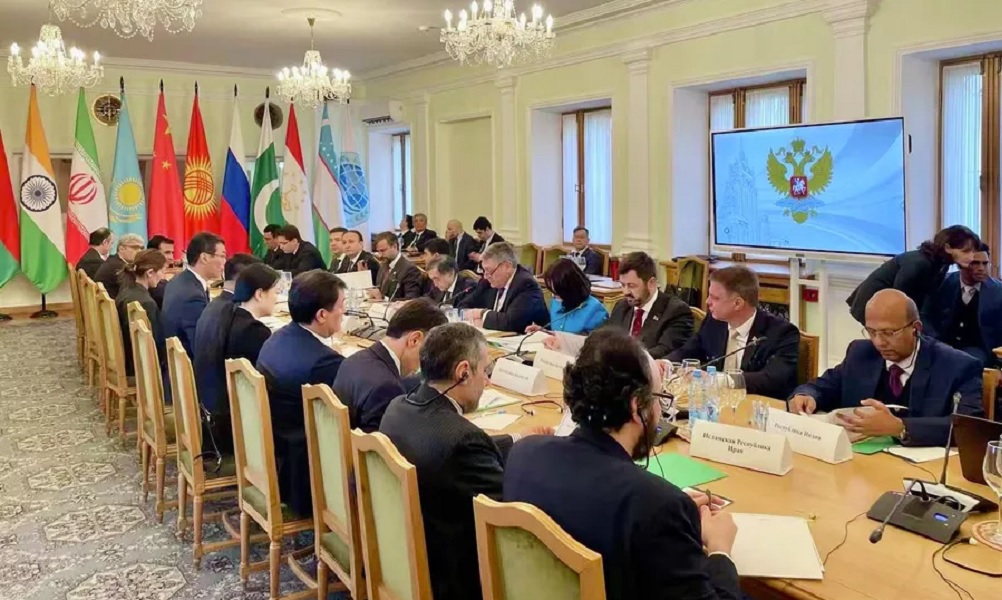
Deputy foreign ministers of member states of the Shanghai Cooperation Organization held consultations in Moscow on Friday, focusing on regional security and developments, including the situation in Afghanistan.
According to a statement released by the Russian Foreign Ministry, the meeting underscored the importance of continued coordination among SCO countries on key regional issues.
Participants reaffirmed their collective support for the establishment of Afghanistan as an independent, neutral, and peaceful state, free from terrorism, war, and drug-related threats.
The consultations also addressed broader regional challenges, with officials exchanging views on security, stability, and cooperation across the SCO space.
The meeting is part of ongoing diplomatic engagements within the SCO framework, aimed at strengthening collaboration among member states and addressing shared concerns, particularly in relation to Afghanistan.
SCO members have repeatedly emphasized the need for a stable Afghanistan, viewing it as essential for long-term security and development in the wider region.


Kabul responds to reports of possible relocation of Afghans from Qatar to Congo by U.S.

Pentagon to release Afghanistan review findings later this summer

SCO members reaffirm support for peaceful, neutral Afghanistan at Moscow meeting

Iran’s foreign minister arrives in Pakistan, Trump expects offer satisfying US demands

IEA ambassador meets UNHCR head in Pakistan to address Afghan refugee issues

IEA supreme leader orders replacement of foreign terminology in official documents

Russia deems US military presence in Afghanistan unacceptable

Afghanistan hosts inaugural Afghanistan–Central Asia Consultative Dialogue to strengthen regional cooperation

TAPI gas pipeline advances 25 km in Afghanistan

Russia backs Uzbekistan–Afghanistan trade hub, praises regional economic cooperation

Tawsia: Activities of Ministry of Rural Rehabilitation and Development discussed

Tahawol: EU envoy’s concern over Afghanistan discussed

Saar: Afghanistan’s focus on developing regional cooperation discussed

Tahawol: Ceasefire extension between US and Iran discussed

Saar: Rising arbitrary arrests of Afghan refugees in Pakistan discussed
-
 Latest News5 days ago
Afghanistan, Belarus hold talks on fuel imports
-

 Business4 days ago
Afghanistan, Uzbekistan and Kyrgyzstan agree on framework to boost trade and transit
-
 Latest News3 days ago
Pakistan ramps up deportations of Afghan refugees, rights group warns
-

 Business5 days ago
Afghanistan showcases industry at key Central Asia expo
-

 Latest News5 days ago
Robat Paryan railway station nearing completion, says Herat governor
-

 Tahawol5 days ago
Tahawol: Pakistan’s failed efforts to impose war in Afghanistan discussed
-

 International Sports4 days ago
IPL 2026: Mumbai Indians crush Gujarat Titans by 99 runs
-
 Latest News4 days ago
Afghanistan still facing humanitarian crisis regarding returnees: IOM chief