
Latest News
Iran has decisive role in Afghan peace process: Khalili

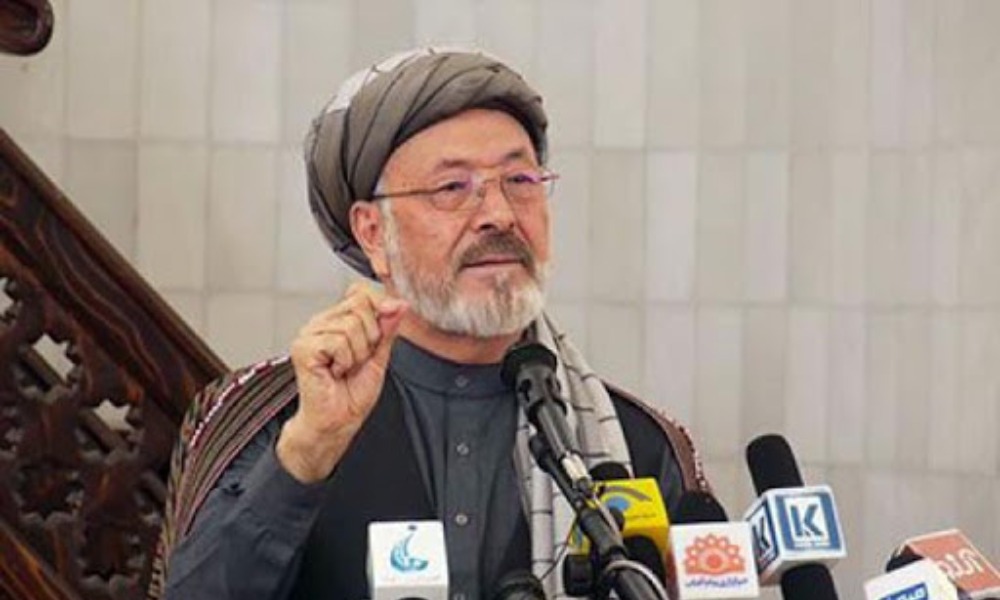
Chairman of Hizb-e-Wahdat-e-Islami of Afghanistan Karim Khalili said the Islamic Republic of Iran was a powerful player in the region and a longtime neighbor of Afghanistan and that Kabul considers Tehran’s role in the Afghan peace process important and decisive.
Speaking to IRNA on the sidelines of a public discussion organized by the Institute of Strategic Studies Islamabad (ISSI) on Wednesday, during his visit to Pakistan, Khalili stressed the importance of cooperation between Kabul and Tehran to contribute to peace and security in the region.
He said Iran is an important and long-standing neighbor of Afghanistan. “We consider Iran as one of the powerful countries in the region, which plays a pivotal role in maintaining peace in the region as well as contributing to the Afghan peace process,” Khalili said.
He told IRNA that Iran’s role is very effective in managing regional issues and certainly Afghanistan is a partner in all situations, especially in matters of peace development.
Khalili said: “We hope for the role of the Islamic Republic of Iran in helping peace in Afghanistan”.
He also said the extremist elements, including the terrorist group ISIS (Daesh), are trying to create a challenge for Afghanistan and the peace process.
Karim Khalili said ISIS has no popular and social base in Afghanistan and with the successful conclusion of peace talks between the government and Kabul, the problem of ISIS will also disappear.
During his talk itself, at the ISSI, Khalili, who is on a three day visit to the country, said: “Peace in Afghanistan will create a situation that will benefit all countries, especially the region and our neighbours. With such peace, new horizons for progress and development will emerge in the region.”
Khalili said that peace is a multidimensional phenomenon which has multifaceted effects in different dimensions of human social life and societies.
He stated that, when one talks about peace, in addition to the political dimension, one must also consider its cultural, economic and social dimensions.
He went on to say that when a peace agreement upholds human rights’ values, such as women’s rights, minority rights, non-discrimination, and many other issues, all nations and peoples of the world are motivated to support it.
Conversely, if these global standards are not taken into account, such peace will not go anywhere and conflicts will continue, he said adding that the people of Afghanistan need cooperation and joint efforts from all countries, especially the region.
Speaking about Pakistan’s role in the process, he said the goal is to win Pakistan Government’s support for a peace that can address regional issues and benefit all its foreign friends.
During his three-day visit to Pakistan, Chairman of Hizb-e-Wahdat-e-Islami of Afghanistan met with the Prime Minister, Army Chief, Speaker of Parliament and some political and religious figures of the country.





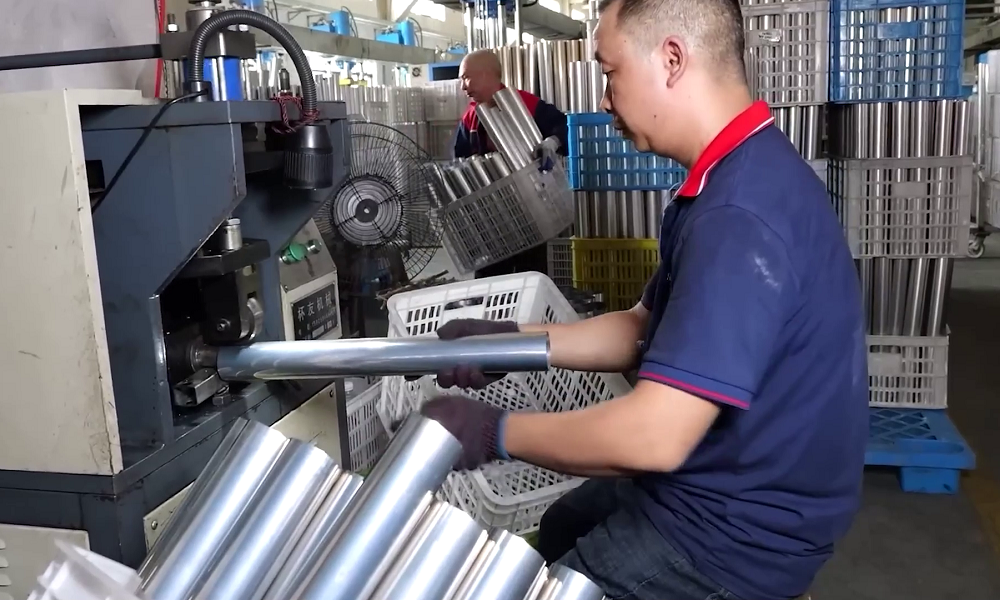
China’s Ministry of Commerce has imposed restrictions on the export of certain chemicals to several countries, including Afghanistan, in an effort to prevent the production of narcotics.
The ministry said China has placed under control the export of a number of chemicals that can be used in the manufacture of narcotic drugs to six countries, including Afghanistan.
According to the ministry, the decision was made in coordination with various government bodies, including security forces, customs authorities, and drug regulatory agencies.
The move is aimed at “improving oversight of the export of chemicals that can be used in the production of narcotics,” the ministry stated.
Khan Jan Alokozay, a member of the Chamber of Commerce and Investment, said: “Some of these materials are used in our factories, and discussions should be held with the Chinese side to ensure their supply remains secure and is not blocked for us.”
Meanwhile, the Union of Pharmaceutical Manufacturers in Afghanistan said that medicines contain chemical substances, but the more responsibly these chemicals are imported, the more beneficial they will be for the country and its citizens. The union described China’s decision as reasonable and stressed that traders should also act responsibly in this regard.
Ahmad Saeed Shams, head of the Union of Pharmaceutical Manufacturers, said: “The export of these chemical substances should be controlled, and we also support this decision.”
According to the report, the list of substances subject to these restrictions for Afghanistan, Laos, and Myanmar includes 41 chemical items.
These substances include compounds such as ammonium chloride, barium sulfate, and palladium chloride. In contrast, a separate list containing 16 types of chemical substances has been designated for the United States, Canada, and Mexico.
China’s Ministry of Commerce added that once the decision takes effect, exporters of these substances to the mentioned countries will be required to obtain special permits.
However, the restrictions do not apply to other countries and regions.
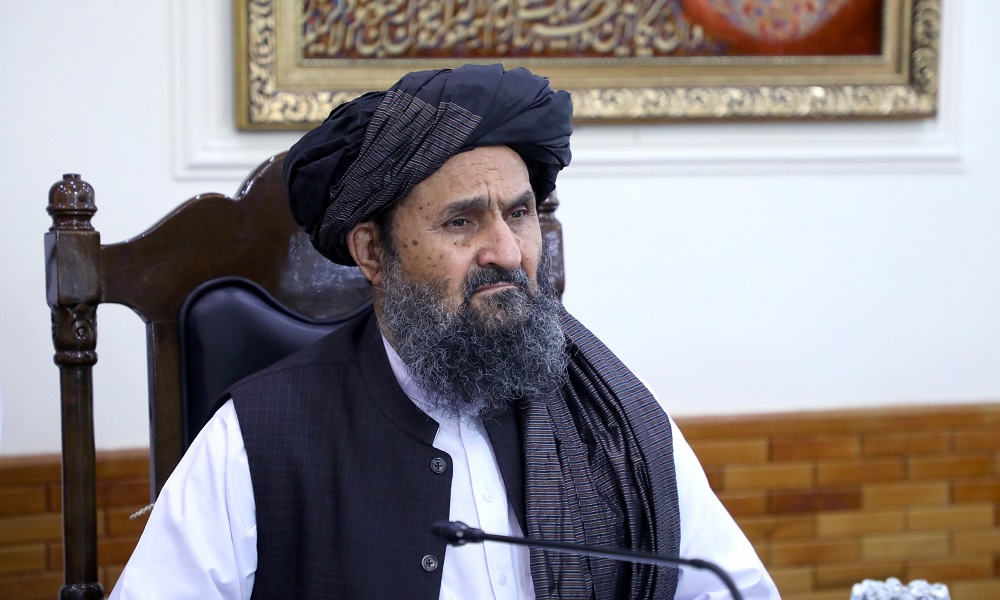
The National Procurement Commission, chaired by Mullah Abdul Ghani Baradar, Deputy Prime Minister for Economic Affairs, approved 15 projects worth around 4.2 billion AFN on Saturday, while amendments were made to seven other projects.
According to a statement from the Prime Minister’s Office, the approved and amended projects include the completion of geotechnical studies for the Zardalu Dam in Ghazni province; construction of a 14-kilometre road at Hairatan Port in Balkh; construction of the Kabul–Logar road from the end of Lot One to Sang-e-Nawishta; construction of public hospitals in Lolash District of Faryab, Andar District of Ghazni, Kajran District of Daykundi, Bala Murghab District of Badghis, Kahmard District of Bamyan, and Musa Khel District of Khost, as well as the completion of remaining electricity transmission and distribution projects in various provinces.
The approved projects are financed by the Islamic Emirate of Afghanistan, the statement added.
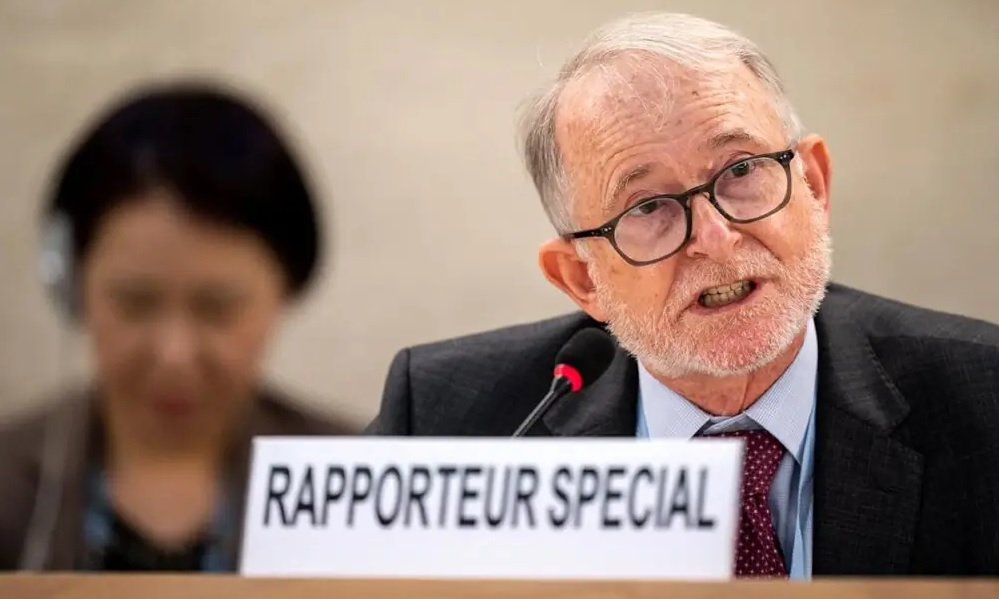
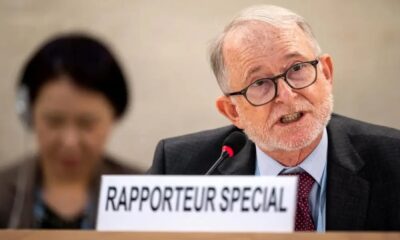
Richard Bennett, the U.N. special rapporteur on human rights in Afghanistan, has called for a full and independent investigation into the March 16 attack on the Omid Drug Rehabilitation Hospital in Kabul.
In a post on X, Bennett said the attack, which he said was carried out by Pakistan, resulted in the deaths of more than 269 civilians, according to figures verified by United Nations Assistance Mission in Afghanistan.
“The 16/3 attack by Pakistan on Omid Drug Rehab Hospital in Kabul where UNAMA verified 269+ civilians killed demands a full, independent investigation,” Bennett wrote.
He added that deliberate attacks targeting civilians or civilian facilities could amount to war crimes under international law.
Bennett also urged the IEA authorities to ensure the safety and protection of patients and civilians in medical and rehabilitation facilities across Afghanistan.


Tahawol: UK’s conditions for recognizing IEA discussed

Saar: Discussion on UN concerns over Afghan refugees’ challenges

China restricts export of chemical substances to Afghanistan

Mullah Baradar approves 15 projects worth around 4.2 billion AFN

U.N. rights envoy calls for probe into deadly strike on Kabul drug rehab hospital

New Afghanistan-China transport corridor launched via Turkmenistan

Afghanistan signs $46 million deal to develop standard laboratory complexes

Bayat Power extends gas supply deal with Afghan Gas

Germany to launch online visa system for Afghan study and work applicants in Pakistan

Afghanistan launches first 5G trial in Kabul to boost telecom services
Saar: Discussion on UN concerns over Afghan refugees’ challenges

Tahawol: Push for agreement between Iran and US discussed

Saar: Afghanistan in China-Russia’s limelight discussed

Tahawol: Call for handing over Afghanistan’s UN seat to IEA discussed

Saar: Pakistan’s emphasis on peaceful ties with Kabul discussed
-
 Regional5 days ago
Revised Iranian proposal to end war shared with US, Pakistani source says
-

 Sport4 days ago
Mexico City Stadium to host opening match of FIFA World Cup 2026
-

 Latest News4 days ago
India announce squads for Afghanistan Test and ODI series
-
 Latest News4 days ago
UK envoy highlights importance of Afghanistan-Pakistan relations and women’s inclusion
-
 Climate Change4 days ago
Afghanistan climate and housing challenges highlighted at World Urban Forum in Baku
-

 Business4 days ago
Afghanistan’s domestic pharmaceutical production sees major growth: Mullah Baradar
-
 Latest News3 days ago
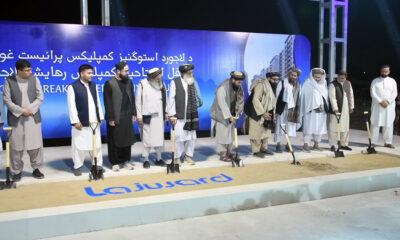
Mullah Baradar launches $150 million Lajward residential complex in Balkh
-
 Latest News4 days ago
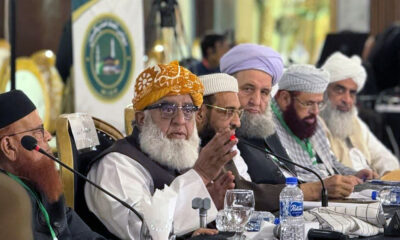
Fazlur Rehman says Pakistan’s Afghanistan policy has failed