
Latest News
Israel strikes on Lebanon kill 40 people around Baalbek, health ministry says
Israeli strikes on Baalbek and the Bekaa Valley killed 40 people and wounded 53, the health ministry said. The Israeli military did not comment.


Israeli strikes on Lebanon killed 40 people around the eastern city of Baalbek in the Bekaa Valley on Wednesday, according to the country’s health ministry, and at dusk more strikes hit Beirut’s southern suburbs, Reuters reported.
Israel and Iran-backed Hezbollah have exchanged fire for over a year in parallel with the Gaza war but fighting has escalated since late September, with Israeli troops intensifying bombing of Lebanon’s south and east and making ground incursions into border villages.
Israeli strikes on Baalbek and the Bekaa Valley killed 40 people and wounded 53, the health ministry said. The Israeli military did not comment.
Israel has repeatedly battered strongholds of Lebanese armed group Hezbollah in the southern suburbs of the capital Beirut.
The Israeli military ordered residents in the southern suburbs to evacuate several locations on Wednesday. Two waves of bombing followed, one late Wednesday and another early Thursday.
Lebanon’s Al Jadeed TV reported there were at least four strikes on Thursday. There was no immediate report of casualties or details on what was hit.
Hezbollah secretary general Naim Qassem on Wednesday said he did not believe that political action would bring an end to hostilities, read the report.
He said there could be a road to indirect negotiations if Israel stopped its attacks.
“When the enemy decides to stop the aggression, there is a path for negotiations that we have clearly defined – indirect negotiations through the Lebanese state and speaker (of parliament Nabih) Berri,” Qassem said.
U.S. diplomatic efforts to halt fighting between Israel and Hezbollah, which included a 60-day ceasefire proposal, faltered last week ahead of the U.S. election on Tuesday in which former President Donald Trump recaptured the White House.
More than 3,000 people have been killed in Israeli strikes on Lebanon over the last year, the vast majority in the past six weeks.
Lebanese rescuers scoured a destroyed apartment building in the town of Barja, south of Beirut, for bodies or survivors after an Israeli strike on Tuesday evening killed 20 people there, Lebanon’s health ministry said.
Moussa Zahran, who lived on one of the upper floors of the building, returned to sift through the ruins of his home. His burned feet were wrapped in gauze and his son and wife were in hospital after being wounded in the strike.
“These rocks that you see here weigh 100 kilos; they fell on a 13-kilo kid,” he said, referring to his son and the apartment wall that collapsed on him during the strike.
It was not clear whether the strike targeted a member of Hezbollah. There was no evacuation warning ahead of the air raid.
Hezbollah said on Wednesday it had fired missiles at an Israeli military base near Ben Gurion Airport. Israeli media reported a rocket had landed near the airport.
Later, the Israeli military said dozens of projectiles had crossed into Israel from Lebanon, some of which were intercepted, Reuters reported.
Efforts to bring a diplomatic end to the conflict have stalled. Israeli Prime Minister Benjamin Netanyahu on Tuesday appointed Israel Katz as defence minister, who vowed to defeat Hezbollah so people displaced from northern Israel could return home.
Berri – a Hezbollah ally and diplomatic interlocutor – met the U.S. and Saudi ambassadors to Lebanon on Wednesday to discuss political developments, his office said, without providing further details.
Lebanon’s caretaker prime minister, meanwhile, congratulated the U.S. president-elect.
Netanyahu hailed Trump’s election, while senior Hamas official Sami Abu Zuhri said Trump would be tested on his statements that he can stop the Gaza war in hours as president.


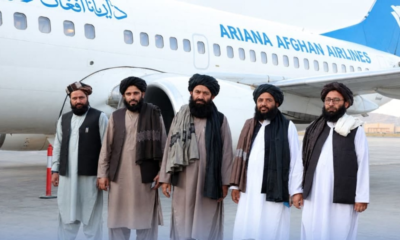



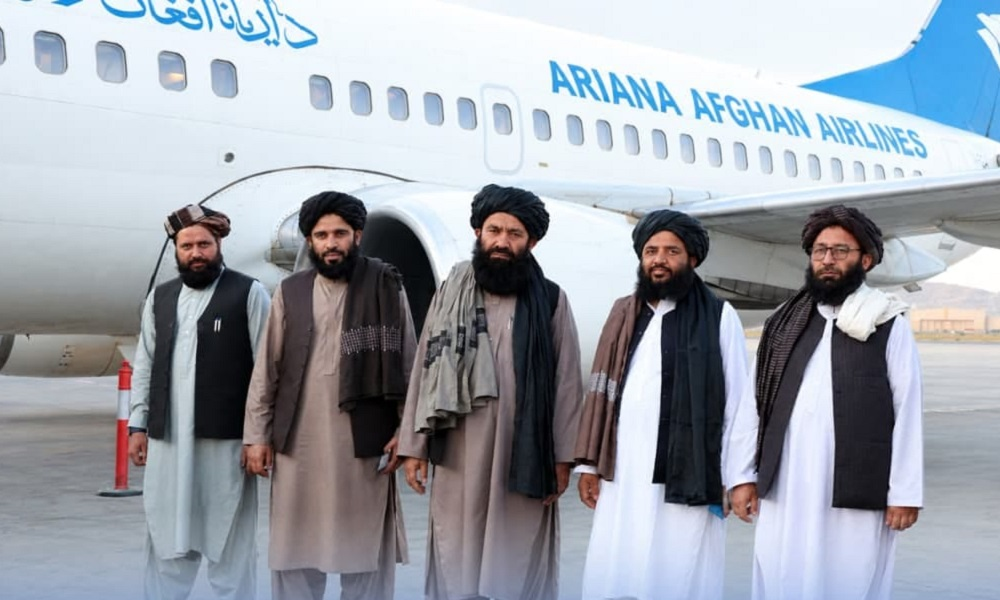
Mohammad Younus Akhundzada, the Islamic Emirate’s Minister of Energy and Water, departed for Riyadh, the capital of Saudi Arabia, on Saturday to attend the 17th World Energy Forum.
Ministerial-level representatives from around 100 countries are expected to participate in the forum to discuss energy cooperation, opportunities, and the exchange of experiences.
The Ministry of Water and Energy said Afghanistan’s participation in the forum provides an opportunity to strengthen relations with countries around the world, exchange expertise, and attract international cooperation in the energy sector.
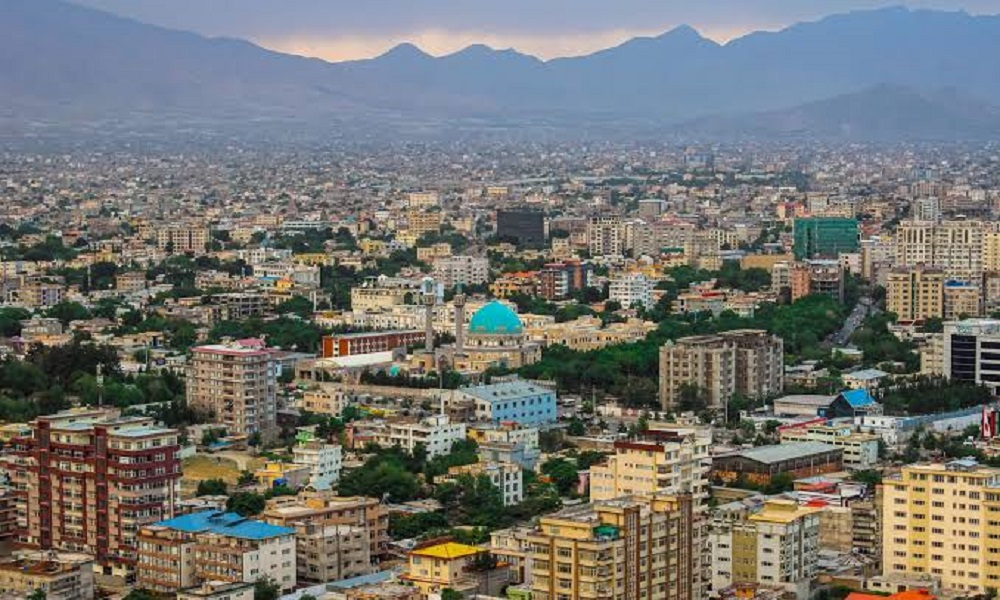
The US Department of State has placed Afghanistan in Tier 3 in its 2026 Trafficking in Persons Report, citing concerns over forced labor, child exploitation and inadequate protection for trafficking victims.
The report says Afghanistan has failed to fully meet the minimum standards for eliminating human trafficking and has not made significant efforts to do so.
It also highlights the vulnerability of families, particularly children, to trafficking and exploitation amid poverty, economic hardship and the return of migrants from neighboring countries.
Afghanistan continues to face economic challenges and growing humanitarian needs, while large numbers of Afghan migrants have returned from neighboring countries. Experts say raising public awareness, creating job opportunities and providing support to vulnerable families are essential to preventing human trafficking and child exploitation.
Meanwhile, the Islamic Emirate has previously issued a decree declaring human trafficking contrary to Islamic Sharia and called for action against the practice. Officials have also said the rights of Afghans are protected in accordance with Islamic Sharia and Afghan traditions.
Latest News
Iranian lawmaker praises Afghanistan’s support, accuses Pakistan of ‘hypocrisy’
Zanganeh claimed that a post published under the name of Pakistan’s parliamentary speaker during negotiations between Tehran and Washington had been written by Americans.
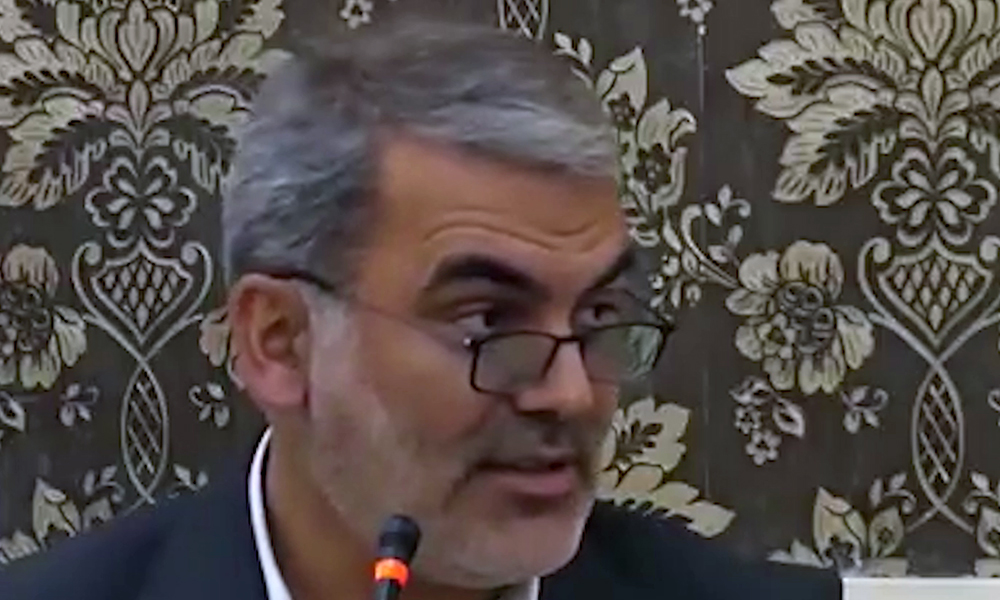
Mohsen Zanganeh, head of the Iranian Parliament’s Economic Commission, has praised Afghanistan’s support for Iran during the conflict between Iran and the United States, while criticizing Pakistan’s conduct during the crisis.
Zanganeh claimed that a post published under the name of Pakistan’s parliamentary speaker during negotiations between Tehran and Washington had been written by Americans. According to the Iranian lawmaker, US Special Envoy Steve Witkoff was responsible for drafting the post.
He described Pakistan’s alleged conduct as “hypocrisy” and expressed appreciation for the friendship and support shown by Afghans towards Iran.
Zanganeh’s remarks highlight the differing political perspectives emerging in the region as neighbouring countries respond to developments involving Iran and the United States.


14 killed in two separate mass shootings across the United States

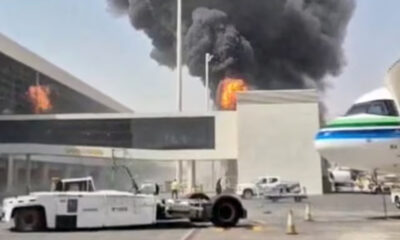
Houthi attack on Saudi airport kills 12, over 300 wounded, authorities say

Energy and Water Minister heads to Saudi Arabia for World Energy Forum

Saar: Ongoing expulsion of Afghan refugees from Iran and Pakistan discussed

Afghanistan trail Bangladesh by 135 runs at stumps on Day Two

EU and FAO launch €5m programme to strengthen Afghanistan’s agrifood sector

Omar Zawak, Toofan Herat secure victories in Afghanistan Champions League

Cricket Bonanza: Afghanistan set for packed international schedule

Houthi advance in Yemen puts U.S. in a new bind

New warnings reignite debate over AI threat to humanity
Saar: Ongoing expulsion of Afghan refugees from Iran and Pakistan discussed

Tahawol: CSTO meeting on Afghanistan reviewed

Saar: Guterres’s talks with Pakistani officials on Afghanistan discussed

Tahawol: Consequences of US war in Afghanistan reviewed

Saar: Expulsion of Afghan refugees from Pakistan discussed
-
 World5 days ago
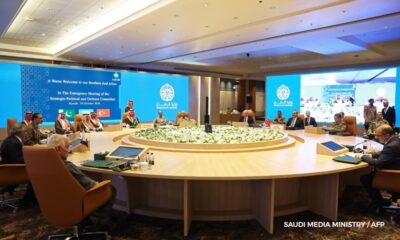
▶️Saudi Arabia, Turkey, Pakistan activate Mecca defense pact
-
 Sport5 days ago
Aino Mina Kandahar defeat Istiqlal Kabul 3–2
-
 Health5 days ago
Russia investigates suspected pneumonic plague; Trump ready to ‘help’
-

 Regional2 days ago
Trump says US will not attack Iran before midterm elections in November
-
 Business4 days ago
Baradar opens Fifth Imam Abu Hanifa International Exhibition in Kabul
-

 International Sports4 days ago
Lionel Messi bids tearful farewell to Argentina after 3-0 win over Benin
-
 Business3 days ago
Russia-Afghanistan trade surges 150% in first seven months of 2026
-

 World4 days ago
Vance says Iran must cut enrichment to end war