
World
Israel resumes airdrop aid to Gaza, military says
The Israeli military stressed that despite the humanitarian steps, “combat operations have not ceased” in the Gaza Strip.

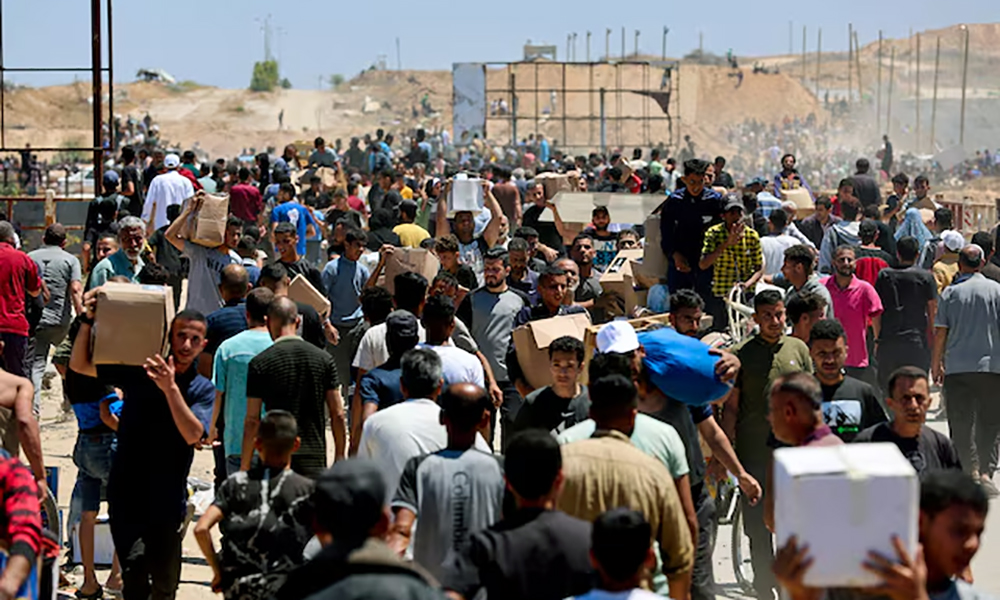
Israel said it resumed aid airdrops to Gaza on Saturday and was taking several other steps to ease the humanitarian crisis in the Palestinian enclave, amid mounting international pressure and warnings from relief agencies of starvation spreading there, Reuters reported.
The Israeli military said “humanitarian corridors” would be established for safe movement of United Nations convoys delivering aid to Gazans and that “humanitarian pauses” would be implemented in densely populated areas.
The announcement came after indirect ceasefire talks in Doha between Israel and the Palestinian militant group Hamas were broken off with no deal in sight.
The Israeli military said in a statement that the airdrops would be conducted in coordination with international aid organizations and would include seven pallets of aid containing flour, sugar, and canned food.
Palestinian sources confirmed that aid has begun dropping in northern Gaza, read the report.
Israel’s foreign ministry said the military would “apply a ‘humanitarian pause’ in civilian centers and in humanitarian corridors” on Sunday morning. It provided no further details.
International aid organisations say mass hunger has now arrived among Gaza’s 2.2 million people, with stocks running out after Israel cut off all supplies to the territory in March, then reopened it in May but with new restrictions.
Israel says it has let enough food into Gaza and accuses the United Nations of failing to distribute it. The United Nations says it is operating as effectively as possible under Israeli restrictions.
“The IDF emphasizes that there is no starvation in the Gaza Strip; this is a false campaign promoted by Hamas,” the Israeli military said in its Saturday statement.
“Responsibility for food distribution to the population in Gaza lies with the UN and international aid organizations. Therefore, the UN and international organizations are expected to improve the effectiveness of aid distribution and to ensure that the aid does not reach Hamas.”
The Israeli military stressed that despite the humanitarian steps, “combat operations have not ceased” in the Gaza Strip.
Separately, international activists aboard an aid ship that set sail from Italy en route to Gaza said in a post on X that the vessel had been intercepted.
The Israeli foreign ministry said on X that naval forces “stopped the vessel from illegally entering the maritime zone of the coast of Gaza,” that it was being taken to Israeli shores and all passengers were safe.
The UN said Thursday that humanitarian pauses in Gaza would allow “the scale up of humanitarian assistance” and said Israel hadn’t provided ample route alternatives for its convoys which has hindered aid access.
Dozens of Gazans have died of malnutrition in the past few weeks, according to the Gaza Health Ministry while 127 people have died due to malnutrition, including 85 children, since the start of the war, which began nearly two years ago.
On Wednesday, more than 100 aid agencies warned that mass starvation was spreading across the enclave, Reuters reported.
The military also said Saturday that it had connected a power line to a desalination plant, expected to supply daily water needs for about 900,000 Gazans.
Israel launched its assault on Gaza after Hamas-led fighters stormed Israeli towns near the border, killing some 1,200 people and capturing 251 hostages on October 7, 2023. Since then, Israeli forces have killed nearly 60,000 people in Gaza, health officials there say, and reduced much of the enclave to ruins.

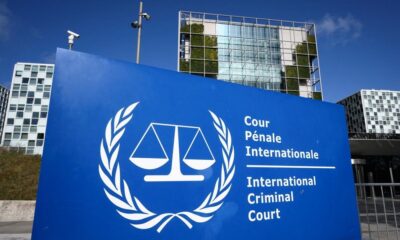



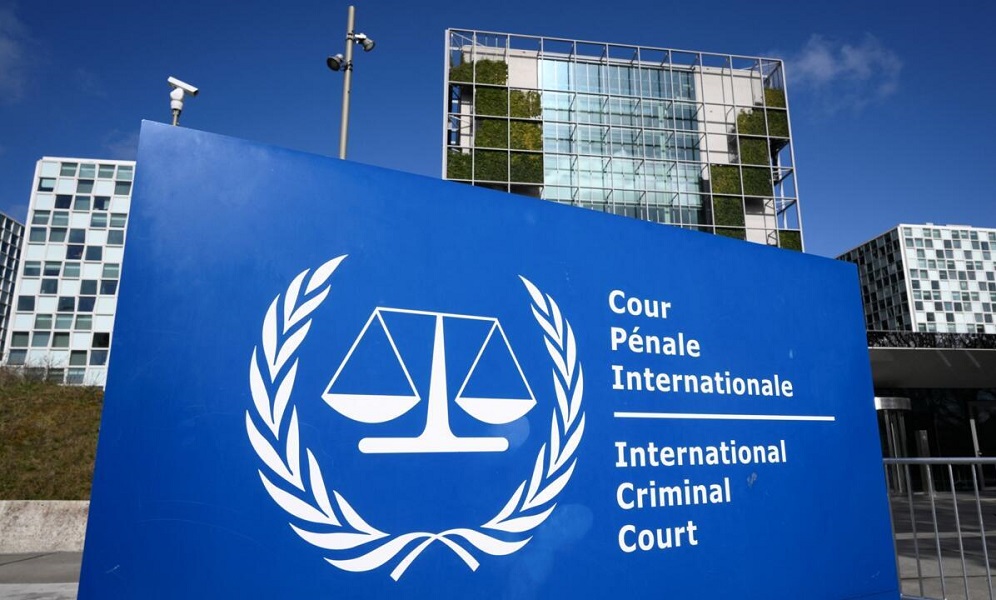
The administration of US President Donald Trump imposed sanctions on the International Criminal Court (ICC) on Friday, escalating tensions with the international judicial body and potentially straining relations with European allies.
US Secretary of State Marco Rubio said the measures aim to prevent the ICC from prosecuting American citizens and restrict the court’s resources and operations.
Washington has criticised the ICC over arrest warrants issued for Israeli Prime Minister Benjamin Netanyahu and other Israeli officials, as well as its past investigation into alleged crimes by US personnel in Afghanistan.
The ICC condemned the sanctions as an “assault on the rule of law” and vowed to continue its investigations and prosecutions. It also urged its 125 member states to defend the court’s independence.
The announcement came hours after former ICC judge Navi Pillay was awarded the Nobel Peace Prize, with the Nobel committee highlighting the importance of international justice amid political pressure on legal institutions.
The sanctions threaten to deepen the dispute between Washington and the ICC, raising concerns about international judicial cooperation and the court’s ability to carry out its work.
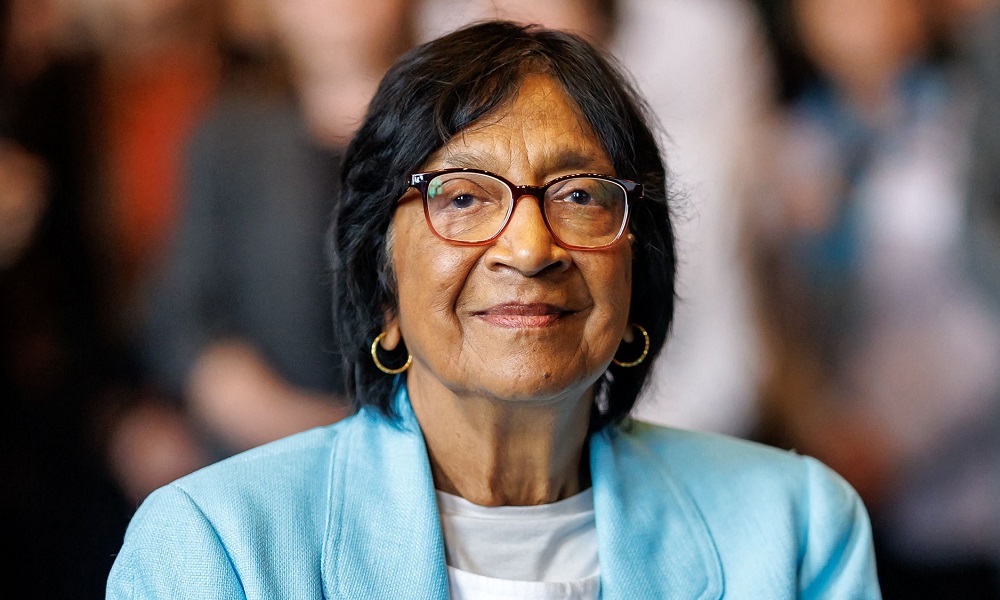
South African jurist Navi Pillay, a former judge at the International Criminal Court (ICC), won the 2026 Nobel Peace Prize on Friday for her efforts to promote peace and international law, as international justice institutions face growing political pressure.
The Nobel Committee announced the award hours before the United States imposed sanctions on the ICC, saying the recognition highlighted the importance of preserving an international order based on law and justice.
Pillay, 85, has served as a judge on several international courts, including the ICC and the International Criminal Tribunal for Rwanda. She also chaired a United Nations Commission of Inquiry on the Occupied Palestinian Territory, which concluded last year that Israel had committed genocide in Gaza. Israel rejected the report as “scandalous.”
The Nobel Committee warned that international law and its institutions were under significant pressure, cautioning that a shift towards power politics at the expense of legal frameworks threatened stability and peaceful coexistence.
The award comes amid escalating tensions between Washington and the ICC. US President Donald Trump has repeatedly criticised the court, particularly over its arrest warrants for Israeli Prime Minister Benjamin Netanyahu and his former defence minister.
Netanyahu’s office condemned the Nobel decision, accusing the committee of awarding its highest honour to someone it said had promoted allegations against Israel.
The award and the US sanctions have renewed international debate over the role of legal institutions in addressing alleged war crimes and protecting accountability under international law.
World
Witkoff, Kushner to meet Ukrainians for talks on the war, says US source
President Donald Trump this week said he planned to talk to Russian President Vladimir Putin by phone soon.
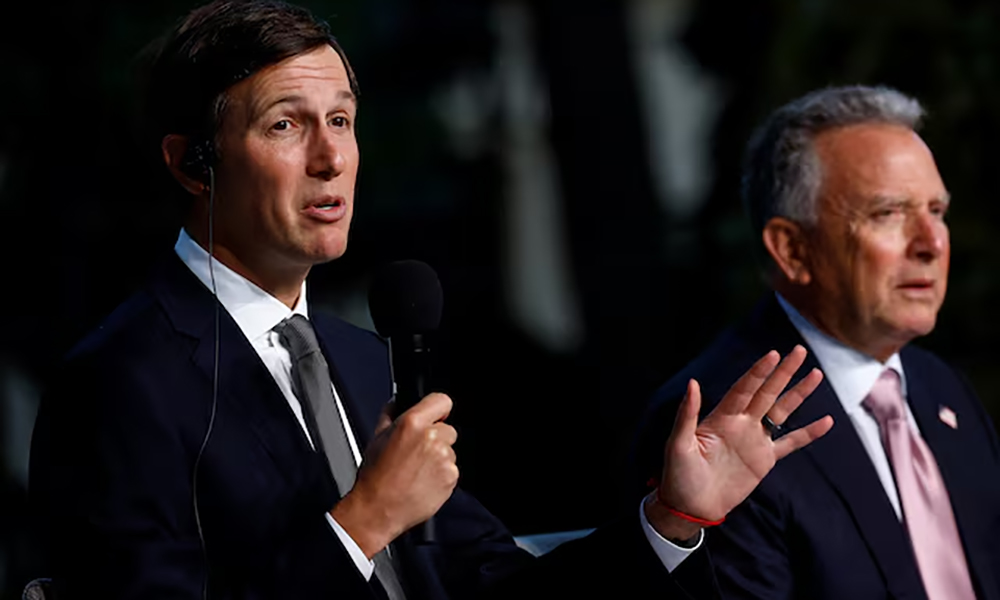
US envoys Steve Witkoff and Jared Kushner will meet Ukrainian representatives on Friday in Miami to discuss new ideas and try to produce a unified proposal for resolving the war in Ukraine, an American source familiar with the plan said on Thursday.
Earlier on Thursday, US Secretary of State Marco Rubio said the conflict was at a dangerous stalemate. President Donald Trump this week said he planned to talk to Russian President Vladimir Putin by phone soon, Reuters reported.
Trump, whose efforts to resolve the conflict have so far not succeeded, has been trying to arrange trilateral talks between Russia, the US and Ukraine.
The source said Witkoff and Kushner would hold a working session with the Ukrainians to discuss “new ideas and proposals that American negotiators began developing with the Russians and Ukrainians during their recent visit to the region”.
The meeting will include representatives from the White House National Security Council and US Treasury Department, the source said. Ukraine’s chief of staff Kyrylo Budanov, intelligence chief Rustem Umerov, and top negotiator David Arakhamia will represent Kyiv.
The American negotiators also invited national security advisors from the United Kingdom, France, and Germany, as well as officials from NATO and the European Union, read the report.
They are expected to discuss proposals for security guarantees for Ukraine, a post-war prosperity plan, and other aspects of the conflict, the source said.
The source said the Europeans had told the United States of their frustration with high energy costs and other major financial impacts of the conflict.
“It will be a tough winter if the war does not stop. So, the United States is trying to mediate with the sides with the goal of creating a unified proposal,” the source said.


US imposes sanctions on ICC amid dispute over international prosecutions

Former ICC judge Navi Pillay wins 2026 Nobel Peace Prize

Bangladesh reach 317/8 on Day One against Afghanistan in Test match

Kyrgyz President calls for continued regional support for Afghanistan

Afghanistan, Iran seek to expand trade and transit through western border crossings

EU and FAO launch €5m programme to strengthen Afghanistan’s agrifood sector

Omar Zawak, Toofan Herat secure victories in Afghanistan Champions League

Houthi advance in Yemen puts U.S. in a new bind

Cricket Bonanza: Afghanistan set for packed international schedule

Afghanistan Champions League Season 6 kicks off today: Abu Muslim Farah face Sarsabz Yashlar

Tahawol: CSTO meeting on Afghanistan reviewed

Saar: Guterres’s talks with Pakistani officials on Afghanistan discussed

Tahawol: Consequences of US war in Afghanistan reviewed

Saar: Expulsion of Afghan refugees from Pakistan discussed

Tahawol: Discussion on outcome of Moscow Format meeting
-
 Sport5 days ago
Cricket Bonanza: Afghanistan set for packed international schedule
-

 Sport5 days ago
Afghanistan U19 to face Bangladesh, Oman in Youth ODIs
-
 Regional5 days ago
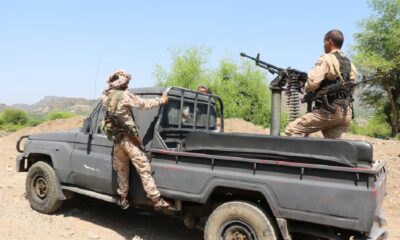
Yemeni government launches offensive to seize all areas from Iran-backed Houthis
-

 Latest News4 days ago
Ariana Afghan Airlines ends 15-year control of ticketing and operational systems by Pakistani firm
-
 World4 days ago
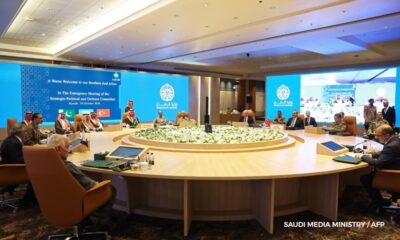
▶️Saudi Arabia, Turkey, Pakistan activate Mecca defense pact
-

 Sport4 days ago
ACL: Abu Muslim Farah maintain momentum with 2-0 win over Arman FC
-
 World5 days ago
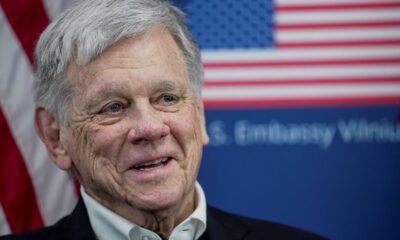
Trump picks John Coale as special presidential envoy for hostage affairs
-
 Latest News4 days ago
IEA rejects ICC arrest warrants, says Afghanistan does not recognize court