
Latest News
Islamic Emirate urges UN, aid agencies to engage Pakistan on returnee issues

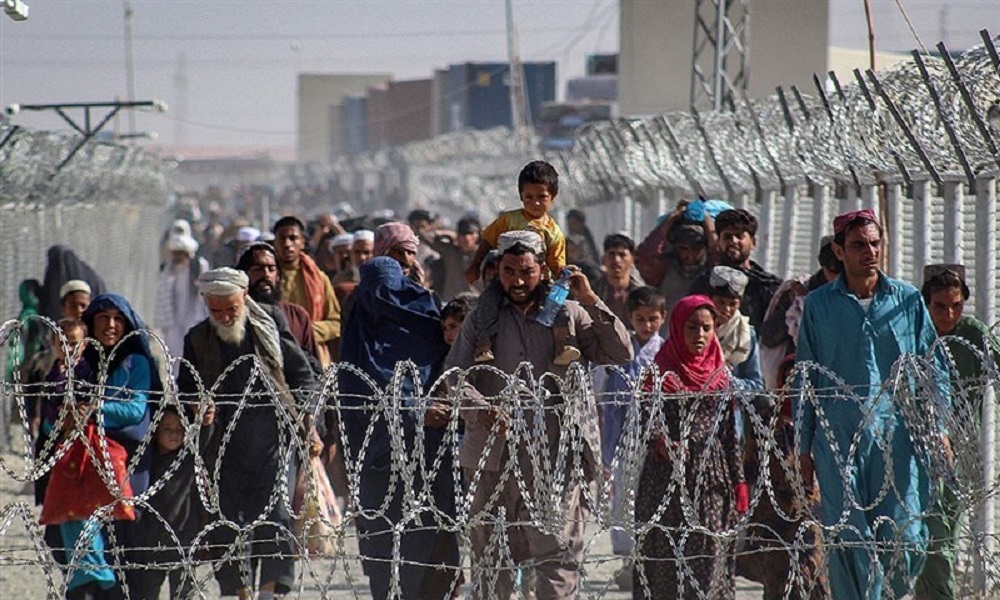
The Islamic Emirate’s High Commission for Addressing Migrants’ Problems has called on international organizations and the United Nations High Commissioner for Refugees (UNHCR) to engage with Pakistan to prevent difficulties for Afghan nationals, ensure they are not subjected to harassment, and facilitate their swift return.
The commission said the issues should be addressed as a matter of urgency.
According to the commission, Afghan returnees entering the country through the Torkham crossing are often held up for days on the Pakistani side for various reasons. It added that women, children, and elderly people are among those affected, many of whom are facing multiple hardships while waiting along roads in uncertain conditions.
“Our request is that Afghan migrants should not be left waiting on the other side of the border,” the commission said.
“We have the necessary capacity to receive and resettle returnees. Regardless of the number arriving each day, we are able to manage them and provide the required services.”






Latest News
Afghanistan’s hunger crisis deepens as 16 million face food insecurity ahead of winter
John Aylieff, Afghanistan Country Director for the World Food Programme (WFP), said acute malnutrition among women and children had deteriorated significantly.
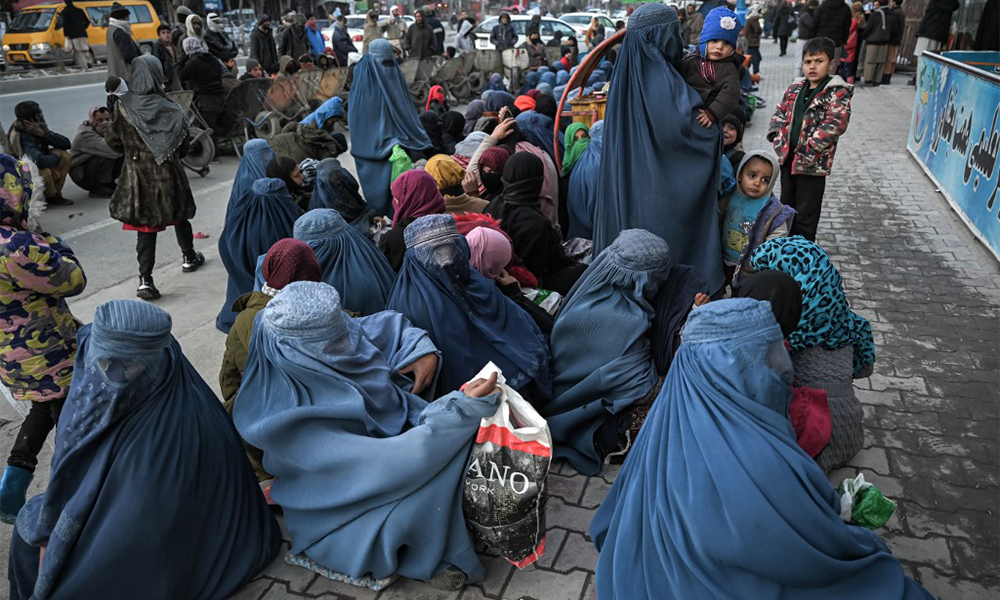
Afghanistan is facing a worsening humanitarian crisis as nearly 16 million people struggle to access sufficient food ahead of winter, while acute malnutrition among women and children continues to rise, officials from international humanitarian organisations have warned.
Jan Egeland, Secretary-General of the Norwegian Refugee Council (NRC), has warned that approximately one-third of Afghanistan’s population could face hunger this winter if urgent action is not taken.
In a recent statement, Egeland said the number of people unable to access the food they need had increased by two million compared with the same period last year.
He attributed the worsening situation to rising inflation, high unemployment, climate change and declining humanitarian assistance, warning that millions of Afghan families are struggling to meet their basic needs.
“Mothers I met last month in Kabul and Kandahar told me they have too little food for their children, and feared the coming winter,” Egeland said.
He also expressed concern over declining international support, describing Afghanistan’s humanitarian response as one of the least-funded operations globally.
Meanwhile, John Aylieff, Afghanistan Country Director for the World Food Programme (WFP), said acute malnutrition among women and children had deteriorated significantly.
“About 1.3 million more women and children are acutely malnourished this year even than they were in 2022 just after the country was taken over,” Aylieff said, referring to the period following the IEA’s return to power.
He added that the international community’s withdrawal and the near-collapse of Afghanistan’s economy had contributed to the worsening crisis.
“So it is deepening. It is extremely serious and it is a crisis which is spinning out of control which we simply don’t have the resources to contain,” Aylieff warned.
Egeland called for an urgent increase in humanitarian assistance, particularly for women, children and Afghans recently returned from Iran and Pakistan.
Humanitarian officials warn that without additional funding and sustained support, food insecurity and malnutrition could worsen further as winter approaches, placing millions of vulnerable Afghans at greater risk.
Latest News
Russia-Afghanistan trade doubles in first half of 2026, envoy says
“Trade turnover between our countries is growing. In the first half of this year, it doubled,” Kabulov said.
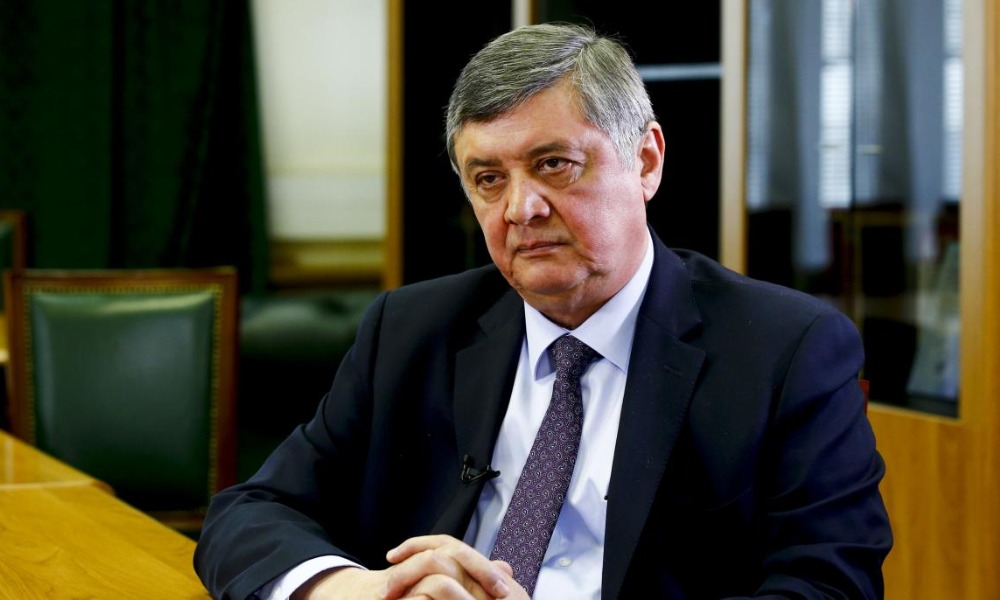
Trade turnover between Russia and Afghanistan doubled in the first six months of 2026, indicating a steady growth trend in economic ties between the two countries, Russian Presidential Special Representative for Afghanistan Zamir Kabulov has said.
According to Russia’s TASS news agency, Kabulov made the remarks on Friday, October 16, during a conference on security in Central Asia and Afghanistan hosted by the Collective Security Treaty Organization (CSTO), the Commonwealth of Independent States (CIS) and the Shanghai Cooperation Organization (SCO).
“Trade turnover between our countries is growing. In the first half of this year, it doubled,” Kabulov said.
He acknowledged that the overall trade figures remain modest but described the increase as significant for Afghanistan, which he said is recovering from two decades of US and NATO military presence.
Moscow Seeks to Sustain Trade Growth
Kabulov stressed that maintaining steady and progressive growth in bilateral trade is important, adding that Russia would work to sustain the current pace of development.
He also said Russia and Afghanistan were building relations based on mutually beneficial and constructive engagement.
The remarks highlight Moscow’s stated intention to strengthen economic cooperation with Afghanistan as regional countries continue discussions on security, stability and development across Central Asia and Afghanistan.
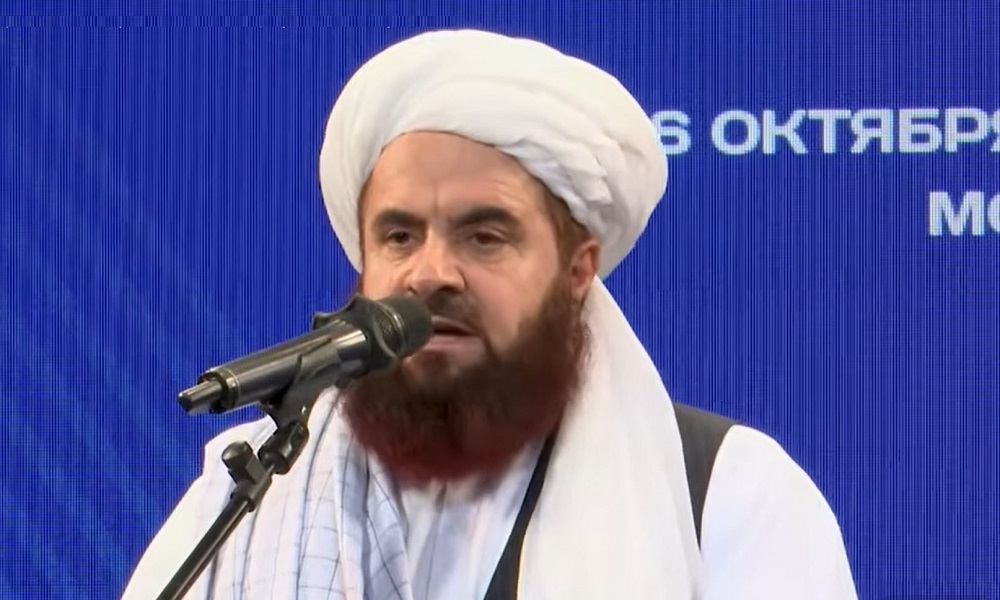
Gul Hassan Hassan, the Islamic Emirate of Afghanistan’s (IEA) ambassador to Russia, said on Friday that the group’s leadership and centers had been completely eliminated from Afghan territory.
He made the remarks during a joint security conference in Moscow involving the Collective Security Treaty Organization (CSTO), the Commonwealth of Independent States (CIS) and the Shanghai Cooperation Organization (SCO), which focused on security issues in Central Asia and Afghanistan.
Hassan stressed that the IEA would not allow anyone to use Afghan territory against other countries.
He also said the IEA had made significant progress in strengthening security, combating narcotics and boosting the country’s economy over the past five-plus years.


Afghanistan’s hunger crisis deepens as 16 million face food insecurity ahead of winter

Russia-Afghanistan trade doubles in first half of 2026, envoy says

Trump says US may strike Iran’s ‘Pickaxe Mountain’ nuclear facility

Tawsia: Efforts to increase energy production capacity in Afghanistan

Afghanistan Champions League: Abu Muslim Farah beat Sarsabz Yashlar 3-1

Cricket Bonanza: Afghanistan set for packed international schedule

Afghanistan says 28 killed, 32 captured in Nuristan operation

Silk Road highway in Wakhan corridor now reaches the China border

CNN, MS NOW and Politico sue Trump, challenging White House ban

Dogharoun handles 60% of Iran’s exports to Afghanistan
Tawsia: Efforts to increase energy production capacity in Afghanistan

Saar: Review of state officials’ visits to Kabul over past month discussed

Tahawol: Kyrgyzstan’s rejection of Afghan refugees discussed

Saar: Central Asia’s trade alternative to Pakistan discussed

Tahawol: Warnings over worsening insecurity in Pakistan discussed
-

 Sport3 days ago
Afghan futsal coach: Brazil tournament is first step towards new goals and World Cup
-
 Latest News3 days ago
Afghan official says Durand Line crossings to remain closed until Islamabad accepts demands
-
 Sport5 days ago
Afghanistan U19 begin Asia Cup Preparations with Oman tour
-
 Latest News2 days ago
India, Russia hold security talks on Afghanistan and Pakistan amid regional tensions
-

 Sport4 days ago
Afghanistan hold Bangladesh to dramatic draw in Abu Dhabi Test
-
 Latest News3 days ago
Afghan farmers adopt climate-resilient innovations to improve food security
-
 Latest News5 days ago
IEA condemn attacks on Saudi airports amid rising regional tensions
-

 Tahawol5 days ago
Tahawol: Kabul’s criticism of Islamabad’s policy toward Afghanistan