
Latest News
Obama Extends US Combat Mission in Afghanistan for 2015

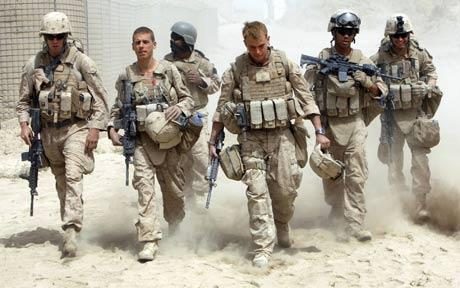

The US President Barak Obama has extended the American troops combat mission in Afghanistan for at least one more year till the end of 2015.
New York Times report says, “Mr. Obama’s decision, made during a White House meeting in recent weeks with his senior national security advisers…”
The new authorization permits the US military troops to extend their mission to support Afghan security forces on combat missions and fight against Taliban and other terrorist groups treating the Americans.
The new decision made comes after the White House said that the American military would have no combat role in Afghanistan next year, and only about 9,800 troops will remain in the country to train Afghan forces and to eradicate the remnants of Al Qaeda in the region.

Latest News
Afghan Interior Ministry announces special security measures for Eid al-Adha
Interior Ministry spokesman Abdul Matin Qani said security forces are fully prepared to maintain order and provide protection throughout the festive period.
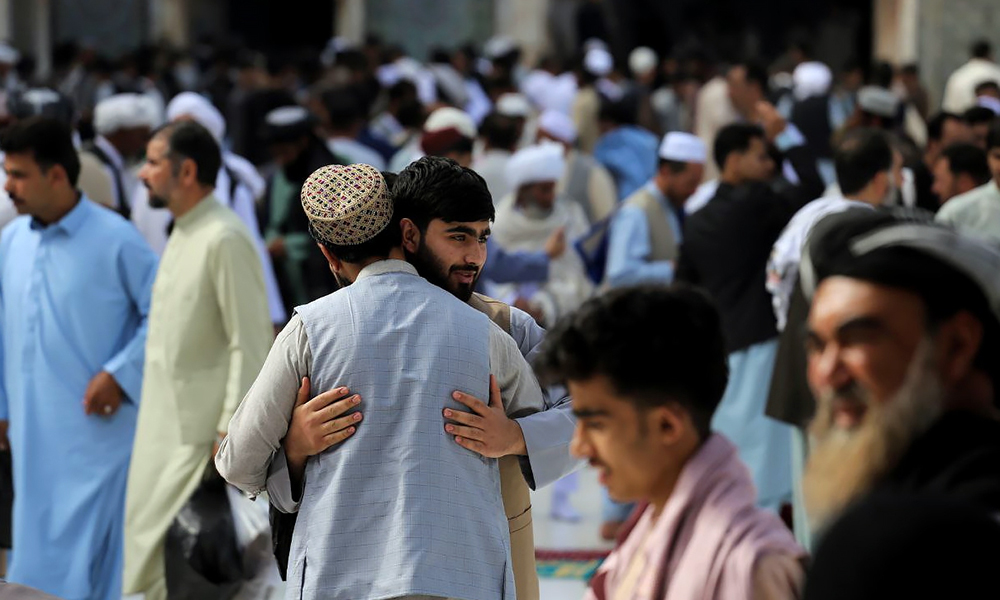
As Eid al-Adha approaches, Afghanistan’s Ministry of Interior has announced the implementation of special security measures across the country to ensure the safety of worshippers and the public during the holiday celebrations.
In a message marking the upcoming Eid, Interior Ministry spokesman Abdul Matin Qani said security forces are fully prepared to maintain order and provide protection throughout the festive period.
He said special security plans have been introduced in different provinces to allow citizens to celebrate Eid in a peaceful and secure environment.
Meanwhile, deputy ministry spokesman Bismillah Habib said security personnel will be deployed at grand mosques, highways, parks and other crowded public and recreational areas during the holidays.
According to Habib, the measures are aimed at preventing potential security threats and creating a safe atmosphere for families and worshippers during Eid celebrations.
The ministry also called on young people to refrain from using firecrackers and other explosive materials during the holiday period, warning that such activities can cause injuries and disturb public order.
Officials emphasized that close cooperation between citizens and security forces will play an important role in ensuring a calm and secure Eid al-Adha across Afghanistan.
Latest News
Muttaqi, Japanese ambassador discuss bilateral relations and regional developments
Japanese Ambassador Kenichi Masamoto reaffirmed Japan’s commitment to continuing cooperation and assistance to Afghanistan in different fields.
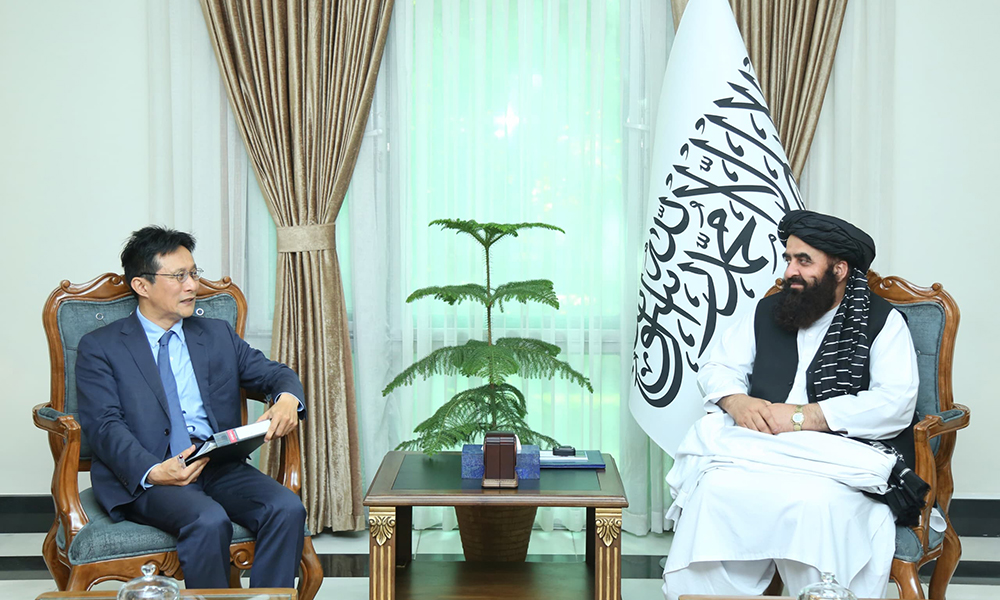
Amir Khan Muttaqi, the foreign minister of the Islamic Emirate of Afghanistan, met with Kenichi Masamoto to discuss regional developments and ways to strengthen relations between Afghanistan and Japan.
According to a statement released by the Ministry of Foreign Affairs, the two sides exchanged views on ongoing regional developments as well as the importance of expanding bilateral ties between Kabul and Tokyo.
Muttaqi said Japan holds an important place in Afghanistan’s foreign policy and praised Tokyo’s continued humanitarian and development assistance to the Afghan people in various sectors.
He also commended Japan for what he described as its understanding of Afghanistan’s current realities, positive approach, and continued support for the country.
Japanese Ambassador Kenichi Masamoto reaffirmed Japan’s commitment to continuing cooperation and assistance to Afghanistan in different fields.
At the end of the meeting, both sides emphasized the importance of further expanding bilateral relations, strengthening coordination and mutual engagement in humanitarian sectors, and holding technical meetings to advance cooperation.
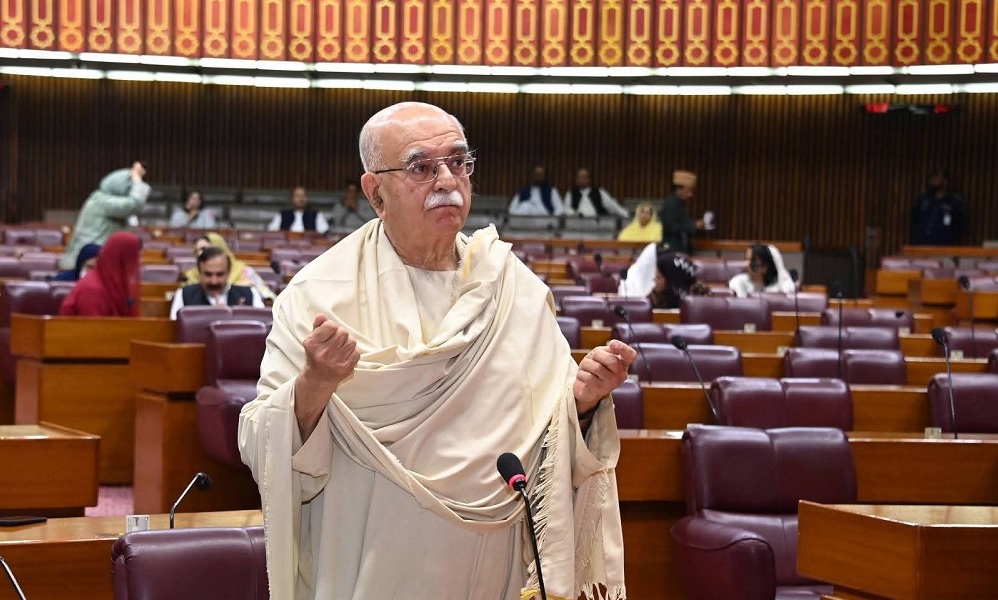


Tahawol: Afghanistan-Japan relations reviewed

Afghan Interior Ministry announces special security measures for Eid al-Adha

Saar: Afghanistan’s relations with regional countries, incl Russia and China discussed

Lionel Messi sparks injury scare just three weeks before 2026 World Cup

Muttaqi, Japanese ambassador discuss bilateral relations and regional developments

New Afghanistan-China transport corridor launched via Turkmenistan

Afghanistan signs $46 million deal to develop standard laboratory complexes

Bayat Power extends gas supply deal with Afghan Gas

Germany to launch online visa system for Afghan study and work applicants in Pakistan

Afghanistan launches first 5G trial in Kabul to boost telecom services
Tahawol: Afghanistan-Japan relations reviewed
Saar: Afghanistan’s relations with regional countries, incl Russia and China discussed

Saar: Shahbaz Sharif’s trip to China

Saar: Discussion on UN concerns over Afghan refugees’ challenges

Tahawol: Push for agreement between Iran and US discussed
-
 Latest News2 days ago
China restricts export of chemical substances to Afghanistan
-
 Business2 days ago
Major pharma firms eye investment in Afghanistan
-

 Sport3 days ago
Mohammadi crowned champion of 2nd season of Ariana Snooker Championship
-
 Business5 days ago
Kabul, Tashkent push industrial cooperation with planned factory transfers
-

 World3 days ago
One dead, 36 injured in explosion at New York dry dock
-
 Business5 days ago
Fifth section of Hairatan–Mazar-i-Sharif railway reopens in northern Afghanistan
-

 Sport4 days ago
Chennai Super Kings eliminated as Gujarat Titans register record IPL victory
-
 Latest News5 days ago
IEA says marriage separation regulation aligns with Sharia