
Latest News
Acting Foreign Minister Accused of Ethnic Cleansing

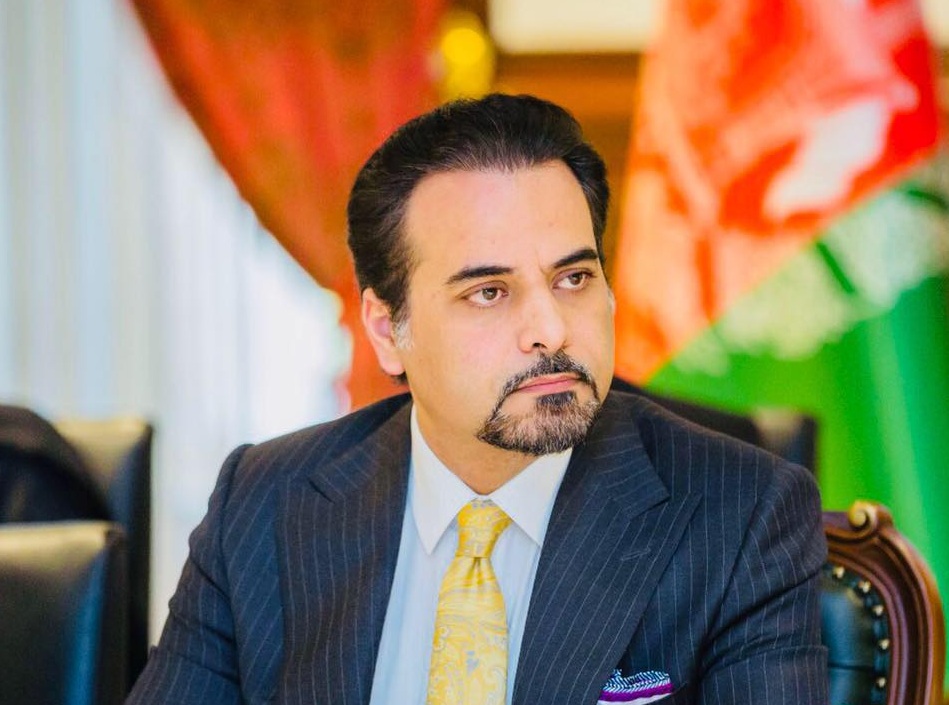
 Afghanistan’s Acting Minister of Foreign Affairs Idrees Zaman accused of ethnic cleansing in the Ministry of Foreign Affairs after he dismissed several directors from their positions in a short period of time.
A number of lawmakers on Monday called on the Afghan parliament to prevent “such illegal dismissals”.
“Mr. Idrees Zaman has started ethnic cleansing after his appointment as Acting Foreign Minister. He has caused an outcry during the last one week among diplomats and staff of the ministry,” said Habib-ul-Rahman Pedram, a lawmaker from western Herat province.
However, Naseema Niazi, another parliamentarian from southern Helmand province said that reform plans must not be considered as ethnic cleansing.
At the end of Monday session, the Lower House Speaker Mir Rahman Rahmani tasked lawmakers to summon Acting Foreign Minister to clarify claims of ethnic cleansing.
Idrees Zaman assumed the position after former Foreign Minister Salahuddin Rabbani resigned from his position last month, citing parallel structures. In his resignation letter to President Ashraf Ghani, Rabbani said that the foreign ministry had been sidelined, and that it was treated as a private Non-Governmental Organization.








Latest News
Khalilzad calls for Afghanistan-Pakistan dialogue after airstrikes
He further noted that Türkiye has offered to support the process by hosting an operational coordination center in Ankara to facilitate monitoring efforts.
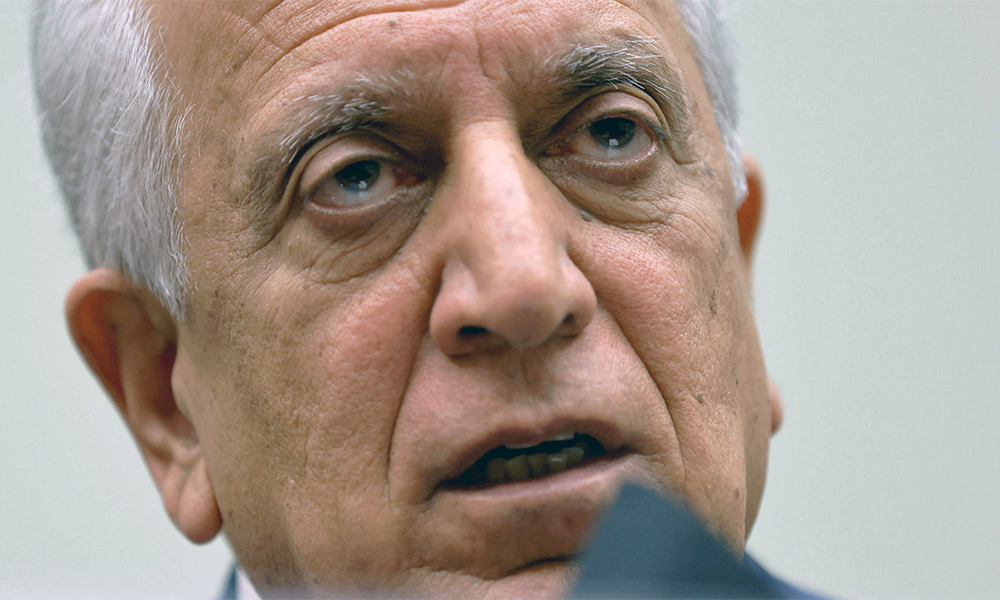
Zalmay Khalilzad, former U.S. special representative for Afghanistan reconciliation, has called for renewed diplomatic engagement between Afghanistan and Pakistan following reports of Afghan operations targeting ISIS-K sites in Pakistan.
In a post on X, Khalilzad referenced the statement issued by Afghanistan’s Ministry of Defense regarding operations in Pakistan’s Balochistan and Khyber Pakhtunkhwa provinces, where militant hideouts were reportedly targeted.
He warned that rising tensions between the two neighboring countries risk further instability and urged both sides to resolve disputes through dialogue rather than escalation.
Khalilzad emphasized the need for a bilateral agreement ensuring that neither country’s territory is used by individuals or groups to threaten the security of the other. He added that Afghanistan has expressed readiness for such an arrangement.
He further noted that Türkiye has offered to support the process by hosting an operational coordination center in Ankara to facilitate monitoring efforts.
The former envoy also called on Qatar, Saudi Arabia, the United Arab Emirates, and Türkiye to intensify diplomatic efforts aimed at helping Afghanistan and Pakistan reach a peaceful and sustainable agreement.
His remarks come amid renewed tensions between Kabul and Islamabad, with growing international calls for restraint and dialogue to prevent further escalation in the region.
Latest News
IEA says Afghan air forces strike ISIS-K targets inside Pakistan
The ministry said initial assessments show that key pre-identified targets were successfully hit during the operation.
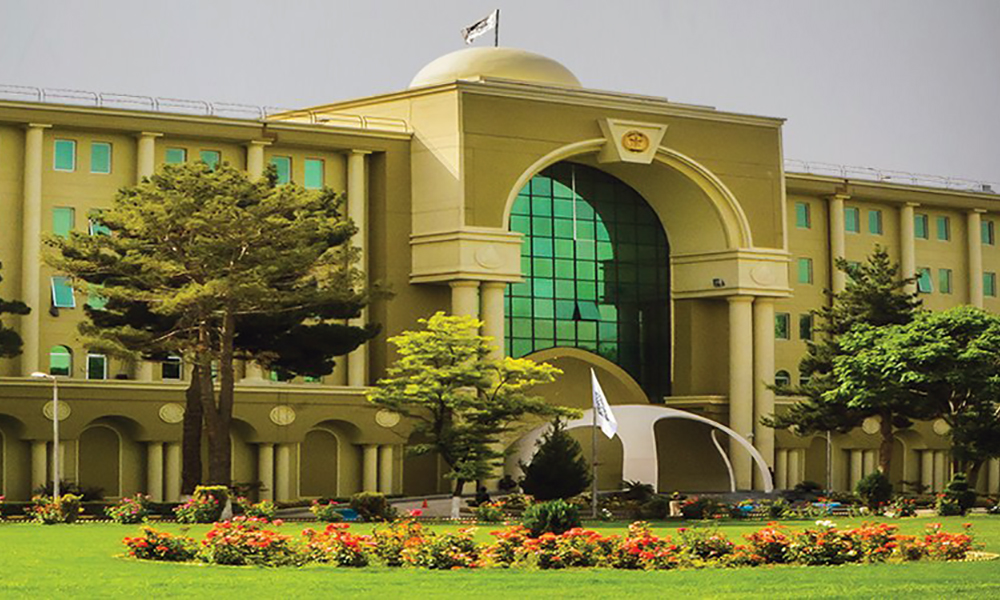
The Ministry of Defense of Afghanistan announced on Friday that Afghan air forces carried out overnight strikes targeting Islamic State Khorasan Province (ISIS-K) positions in Pakistan’s Balochistan and Khyber Pakhtunkhwa provinces.
In a statement, the ministry said the targeted sites were being used by ISIS elements, allegedly backed by intelligence-linked networks, to plan and coordinate attacks against Afghanistan. It added that the locations had previously been connected to deadly attacks carried out inside the country.
According to the statement, strikes were conducted in the Gulistan area of Killa Abdullah district and the Shakar Ab Jungle Gardi area of Chagai district in Balochistan. Another operation reportedly targeted a facility in the Qambar Khel area of Orakzai district in Khyber Pakhtunkhwa, where senior ISIS-K figures were said to be active.
The ministry said initial assessments show that key pre-identified targets were successfully hit during the operation. It emphasized that Afghanistan will use all available capabilities to counter threats against its national security and prevent future attacks.
Latest News
Belgium says it cannot prevent Afghan delegation from attending EU talks in Brussels
The foreign minister reiterated that he does not support inviting representatives of Afghanistan’s current administration and stressed that formal recognition of the authorities remains out of the question.
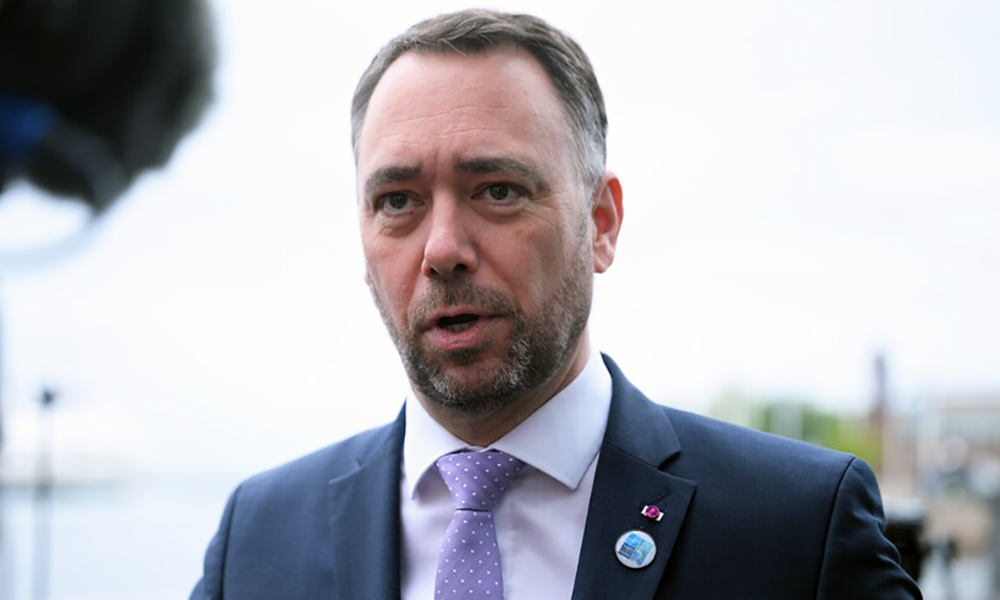
Belgium’s Foreign Minister, Maxime Prevot, has said his government cannot block an Afghan delegation from traveling to Brussels for European Union-hosted talks, despite his personal opposition to inviting representatives of Afghanistan’s current authorities.
Speaking before parliament’s foreign relations committee on Wednesday, Prevot responded to questions from lawmakers regarding visas issued to members of the Afghan delegation, according to Belgian news agency Belga.
The foreign minister reiterated that he does not support inviting representatives of Afghanistan’s current administration and stressed that formal recognition of the authorities remains out of the question.
However, Prevot noted that Belgium’s role as host to the European Union’s institutions limits its ability to prevent foreign delegations invited by EU bodies from attending meetings in Brussels.
He confirmed that Belgian authorities had processed visa applications submitted by the Afghan delegation and that all necessary security checks had been completed.
The delegation is expected to travel to Brussels for discussions requested by the European Commission, with talks expected to focus on the return of Afghan refugees and migration-related issues.
The meeting comes as European governments continue to engage with Afghanistan’s authorities on practical matters, while maintaining that such contacts do not amount to formal diplomatic recognition.


Uzbekistan, Afghanistan push to expand trade and investment cooperation

Khalilzad calls for Afghanistan-Pakistan dialogue after airstrikes

IEA says Afghan air forces strike ISIS-K targets inside Pakistan

David Hat-Trick Powers Canada to Historic 6-0 World Cup Victory Over Qatar

Belgium says it cannot prevent Afghan delegation from attending EU talks in Brussels

Norway’s Viking-inspired World Cup team photo goes viral

Afghanistan announce squad for India series

Afghanistan, Russia sign military cooperation agreement

Major pharma firms eye investment in Afghanistan

Afghanistan expands oil production as investment in Amu Darya fields grows

Tahawol: Afghanistan–UN ongoing engagement discussed

Saar: Trump’s remarks on US military equipment in Afghanistan discussed

Tahawol: Passage of 3 Iranian tankers through US naval blockade discussed

Saar: Discussion on outcome of G7 summit in France

Tahawol: New chapter in regional cooperation discussed
-
 Latest News4 days ago
TAPI project advances in Afghanistan as 84kms of pipeline laid
-
 Latest News5 days ago
Afghan officials press Chinese delegation on Mes Aynak mining project
-

 International Sports4 days ago
World Cup 2026: Havertz, Ayari and Balogun lead Golden Boot standings
-
 Latest News5 days ago
Shehbaz Sharif defends Durand Line fencing as essential for Pakistan’s security
-
 Regional4 days ago
Global leaders react to announcement of US-Iran peace agreement
-
 Latest News3 days ago
EU, Central Asian representatives meet in Kazakhstan to discuss Afghanistan cooperation
-
 Latest News4 days ago
Afghanistan to host regional meeting of strategic research centers in Kabul
-
 Health5 days ago
Health ministry urges greater public participation in blood donation