
Afghanistan resumes Intl flights after three months of Coronavirus halt

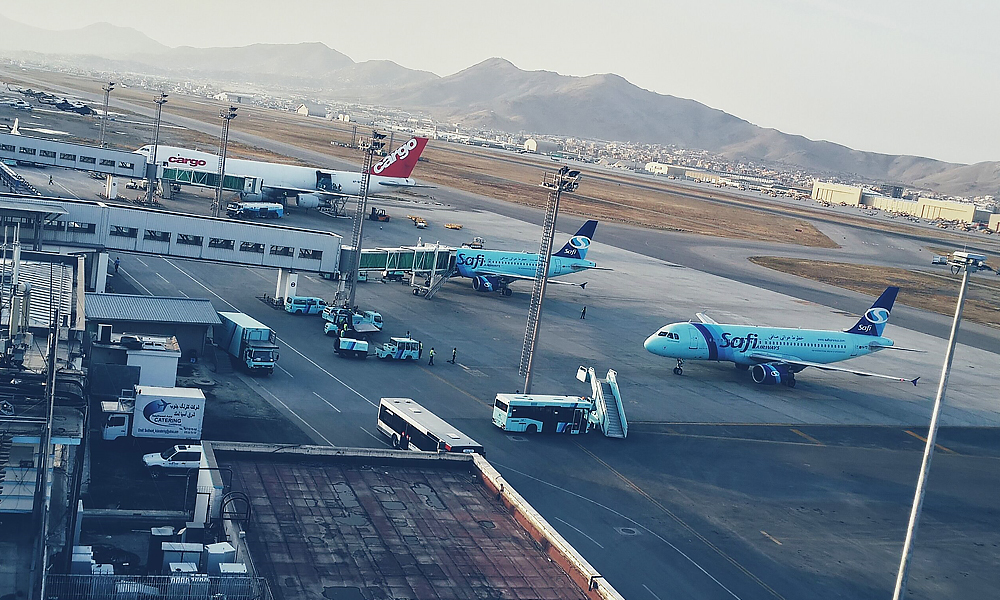
Afghanistan has allowed some international airlines to operate flights to and from the country from today with special precautions after a gap of three months due to the COVID-19 outbreak.
Afghanistan Civil Aviation Authority said in a statement that the Turkish Airlines will resume flights on Wednesday, 24th of June.
According to the statement, Emirates Airlines will resume flights to Kabul’s Hamid Karzai International Airports by tomorrow, 25th of June.
“All passengers holding visas and residents permit for Turkey, UAE, European countries and the US can take international flights from tomorrow (today),” the Civil Aviation Authority said Tuesday.
Meanwhile, domestic airlines – Ariana and Kam Air – have also resumed international flights, the organization added.
It comes as flights to/from most of the countries around the globe including Afghanistan were halted due to the rapid spread of the COVID-19.
Recently, with a decline in the spread of the virus, some countries have gradually resumed their flights.

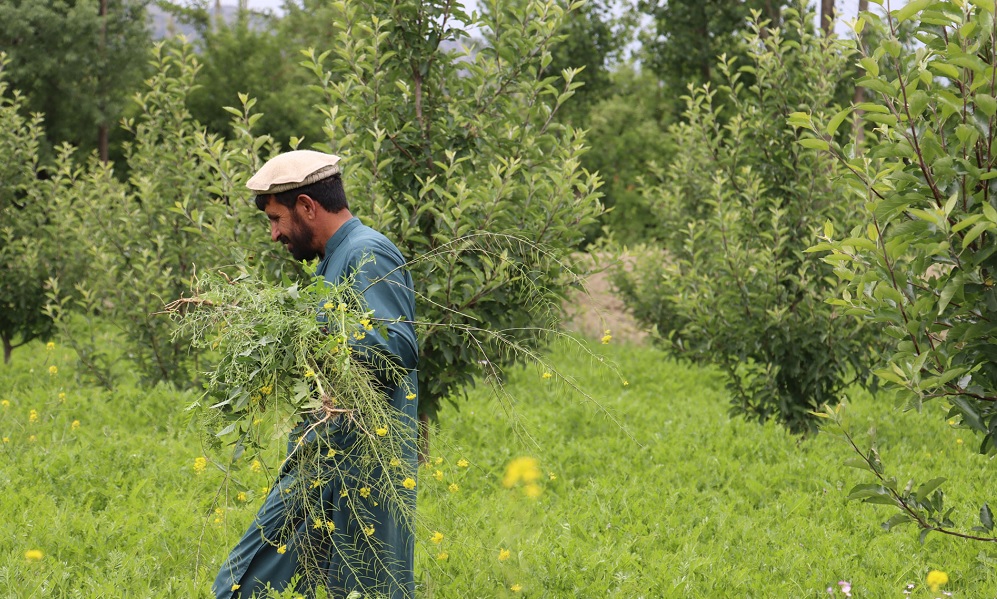
Farmers across Afghanistan are adopting innovative farming methods to conserve water, reduce post-harvest losses and increase household incomes, the Food and Agriculture Organization of the United Nations (FAO) says.
Ahead of World Food Day 2026, observed under the theme “Innovate today. Nourish tomorrow,” the FAO highlighted six initiatives helping communities address agricultural challenges, from water scarcity to food preservation.
In Kunduz, laser land-levelling technology is helping farmers improve irrigation and distribute water and fertilizer more evenly. Since 2025, the FAO has provided irrigation associations with shared access to the equipment and training, benefiting more than 23,000 farming families.
In Faryab, mushroom cultivation is creating income opportunities for women in water-scarce communities. One grower produces up to 40 kilograms a month, earning around 8,000 Afghanis from local sales. FAO-supported training and equipment are helping women expand production and access local markets.
In Paktia, farmers are combining fruit trees with alfalfa cultivation, providing livestock feed while orchards mature. The approach diversifies production, while soil and water conservation practices help protect farmland.
In Takhar, solar dryers are helping women preserve vegetables and fruit for winter consumption and sale. According to the FAO, households using the dryers reduced average post-harvest losses from about 26 percent to seven percent, while around one-quarter sold some of their dried produce.
In Bamyan, solar cookers are reducing reliance on firewood and shrubs, easing pressure on rangelands affected by drought and grazing. The initiative complements community efforts to restore vegetation and rehabilitate degraded land.
In Herat, naturally ventilated raisin-making houses are improving grape preservation and product quality. The FAO reports that drying time has fallen from around 30 days to 15 days, while post-harvest losses have dropped from 40–50 percent to 10–15 percent.
The organization has also supported storage facilities that preserve onions, apples and potatoes without powered refrigeration.
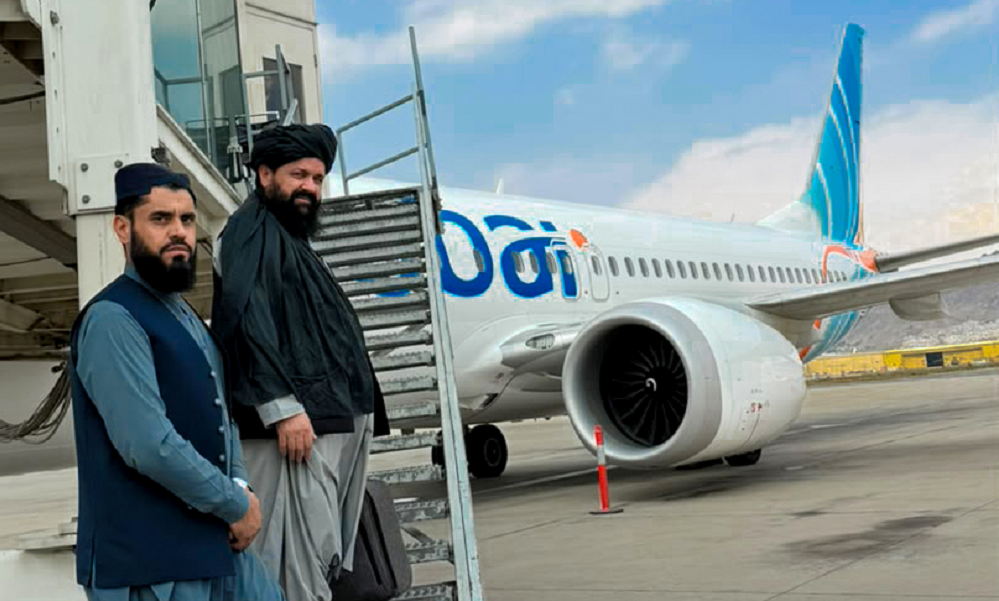
Abdul Karim Fateh, head of the Afghanistan Railway Authority, has travelled to Kazakhstan with a technical delegation to attend the 14th Ministerial Meeting on Transport of the Economic Cooperation Organization (ECO) which will be held in Astana on Thursday.
According to the authority, Fateh is expected to outline the current state of Afghanistan’s railway network, ongoing infrastructure projects and future development plans during the meeting.
He will also hold talks with representatives of ECO member states on expanding trade and transit, strengthening regional transport links and enhancing economic cooperation.
The authority said Afghanistan’s participation in the meeting is expected to help promote joint railway projects, attract investment and strengthen connectivity between Afghanistan and other ECO member states.
Regional
Saudi Aramco administrative building attacked, limited fire reported
The complex hosts a major operations centre for Aramco, which oversees a vast network of onshore and offshore oil rigs, pipelines, refineries and export terminals.
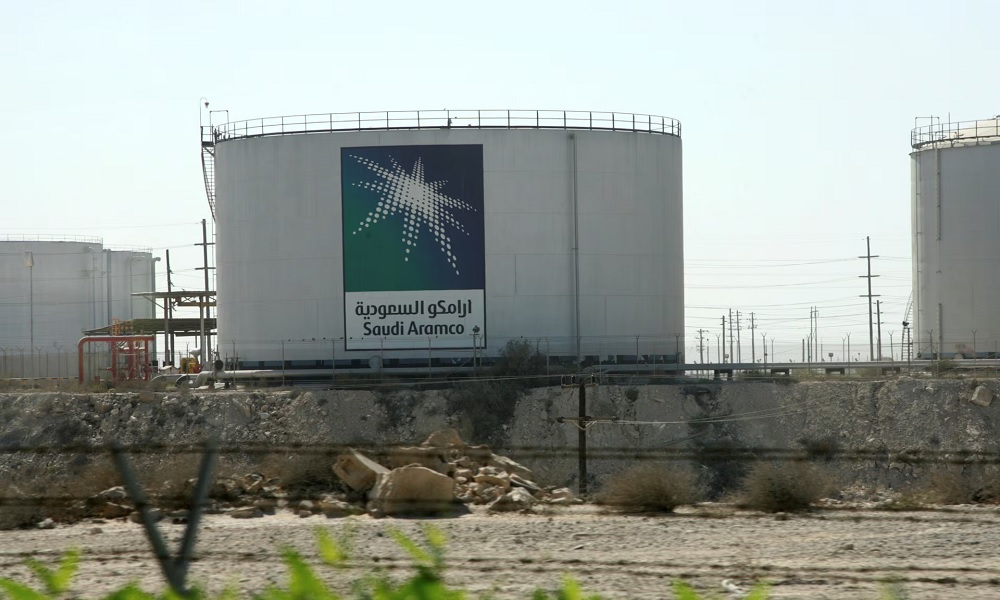
An administrative building belonging to Saudi Arabia’s state-owned oil company Saudi Aramco in the eastern city of Dhahran was attacked, causing a limited fire, the Energy Ministry said in a statement on Wednesday as fighting between Yemen’s Iran-allied Houthis and the kingdom intensified.
Authorities responded to the incident late on Tuesday and took necessary measures, the ministry said, adding that there were no injuries or deaths.
A company source told Reuters earlier that a ballistic missile hit the Aramco headquarters complex in Dhahran. The source said an office tower in the complex was struck and that its top three floors were damaged. The source and two other people with knowledge of the matter said the building was on fire.
The complex hosts a major operations centre for Aramco, which oversees a vast network of onshore and offshore oil rigs, pipelines, refineries and export terminals.
The Houthis have for a week been firing ballistic missiles and drones at key Saudi sites in retaliation for the kingdom’s backing of government forces in Yemen’s reignited civil war. Riyadh’s international airport has received four strikes, including one on Saturday that killed 13 people.
Saturday’s ballistic missile strike on Riyadh airport was the deadliest in Saudi Arabia in a decade, with further attacks grounding flights across the country.
Earlier, six sources told Reuters they heard loud booms near the Aramco complex.
The Saudi-led coalition said fragments of a missile that it had intercepted and destroyed in Dhahran had fallen on a residential area, without providing further details.
Authorities also reported that drones and missiles were intercepted and destroyed in the capital, Riyadh, and the country’s southern region.
Four people were injured in Riyadh after fragments from two Houthi missiles fell following their interception and destruction, Saudi Civil Defense said on Wednesday. The debris caused limited damage to 15 homes in the capital, the Civil Defense spokesperson said, adding that the injured were two women, a man and a child.
The Houthis had threatened a “harsh and painful” response to Saudi-led strikes on the Yemeni capital Sanaa, with spokesperson Yahya Saree saying targets could include the Saudi Aramco headquarters in Dhahran and an oil refinery in Riyadh.
The group has warned oil workers in Saudi Arabia to stay away from sites that could be targets.
The Houthis earlier on Tuesday said Saudi Arabia was attacking Sanaa, and the Saudi-led coalition warned civilians to stay away from an oil depot on the city’s outskirts.
Houthi-run Al-Masirah television reported that the Saudi-led coalition had targeted the Yemen Petroleum Company’s Sabah central station, a fuel depot on the outskirts of Sanaa.
The coalition said in a statement on Tuesday evening that it attacked the station and other sites in an operation aimed at “neutralizing the capabilities of Houthis” to threaten Saudi Arabia, Yemen and international waterways.
The Saudi cabinet, chaired by de facto ruler Crown Prince Mohammed bin Salman, issued a statement on Tuesday before the strike on Saudi Aramco saying the Houthis would face consequences for their repeated attacks on the kingdom.
REIGNITED YEMEN WAR
Saudi Arabia resumed its military campaign in Yemen in support of the internationally recognised government in a bid to reverse the Houthis’ sudden gains last month, when they swept down the Red Sea coast to the critical Bab el-Mandeb Strait.
The strait, the southern gateway to the Red Sea, has become a more vital route for Saudi and other global energy supplies since the start of the Iran war in February, when Tehran closed the Strait of Hormuz leading from the Gulf to the Indian Ocean.
While a government offensive that began a week ago pushed the Houthis from the area closest to the strait, the group remains embedded nearby and has made gains around the city of Taiz this month.
Saudi Arabia has been seeking wider support from allies for its campaign against the Houthis and to help it ward off their missile and drone attacks.
Washington, Saudi Arabia’s strongest ally and longtime security guarantor, has so far rebuffed Saudi efforts to bring it directly into the war against the Houthis.
The Yemen conflict has resumed as a spillover from the wider US-Iran war that began with the US-Israeli attack on the Islamic Republic on February 28.
Iran, Saudi Arabia’s longtime regional rival, has offered to mediate between Saudi Arabia and the Houthis, its foreign minister Abbas Araqchi said on Sunday in statements reiterated by the ministry on Monday.


Afghan farmers adopt climate-resilient innovations to improve food security

Afghanistan railway chief heads to Kazakhstan for ECO meeting

Saudi Aramco administrative building attacked, limited fire reported

Tahawol: Warnings over worsening insecurity in Pakistan discussed

Saar: Concerns over potential return of US military bases to Afghanistan discussed

Cricket Bonanza: Afghanistan set for packed international schedule

New warnings reignite debate over AI threat to humanity

UN warns of mounting humanitarian and human rights pressures in Afghanistan

Afghanistan says 28 killed, 32 captured in Nuristan operation

CNN, MS NOW and Politico sue Trump, challenging White House ban
Tahawol: Warnings over worsening insecurity in Pakistan discussed
Saar: Concerns over potential return of US military bases to Afghanistan discussed

Tahawol: Kabul’s criticism of Islamabad’s policy toward Afghanistan

Saar: Pakistan deploying army in KP

Tahawol: EU appointing new envoy for Afghanistan
-
 Latest News4 days ago
Pakistan issues new directives for Afghan medical students and doctors
-

 World5 days ago
Witkoff, Kushner to meet Ukrainians for talks on the war, says US source
-

 Latest News4 days ago
Iranian lawmaker praises Afghanistan’s support, accuses Pakistan of ‘hypocrisy’
-

 Latest News5 days ago
US senator cites Afghanistan visits in Pentagon ‘cover-up’ allegations over Iran war
-

 World5 days ago
US imposes sanctions on ICC amid dispute over international prosecutions
-

 Sport5 days ago
Bangladesh reach 317/8 on Day One against Afghanistan in Test match
-
 Regional3 days ago
Houthis warn airlines to avoid Saudi airports after deadly Riyadh attack
-

 Business5 days ago
Iran allocates over 110 hectares in Chabahar for Afghan economic activities