
Business
Afghanistan’s exports drop sharply in December 2025: World Bank
The decline was largely caused by Pakistan’s crossing closure, which disrupted traditional trade routes and led to delays as exporters attempted to reroute shipments to India and Central Asia.

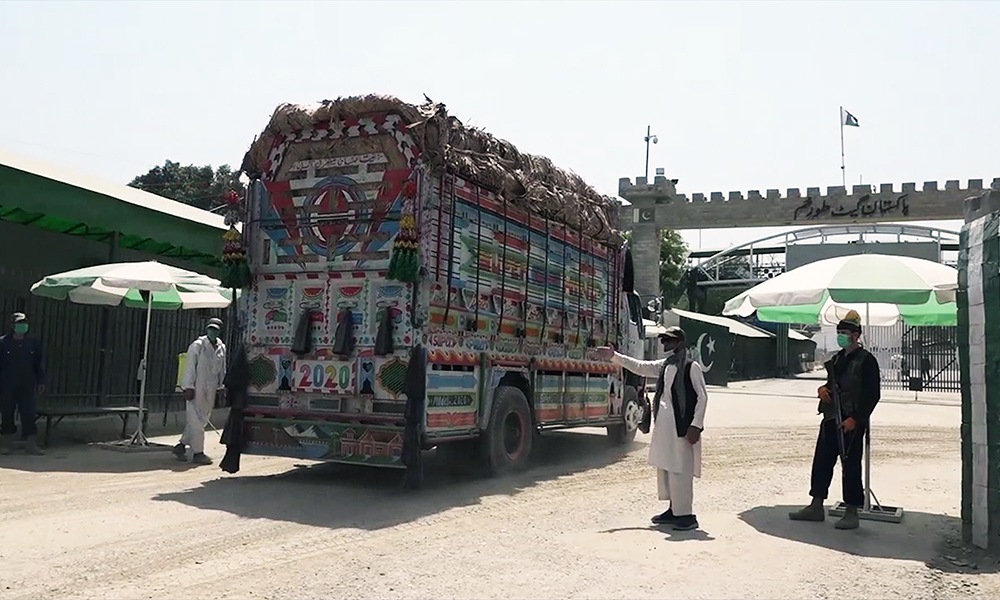
Afghanistan’s exports declined significantly in December 2025, falling by 25 percent month-on-month and 15 percent year-on-year to $162 million, according to a World Bank report.
The decline was largely caused by Pakistan’s crossing closure, which disrupted traditional trade routes and led to delays as exporters attempted to reroute shipments to India and Central Asia.
India emerged Afghanistan’s largest export destination, accounting for 61.2 percent of exports in December.
Afghanistan’s imports remained robust at $1.2 billion, increasing by 5 percent month-on-month.
On a year-on-year basis also, imports grew by 5 percent, reflecting sustained domestic demand linked to the influx of returnees.
According to the report, in December 2025, the afghani (AFN) appreciated modestly by 0.4 percent month-on-month against the US dollar. On a year-on-year basis, the afghani recorded a solid appreciation of 5.8 percent reflecting continued market stability.
Afghanistan’s domestic revenue collection reached AFN 24.1 billion (approximately $363.1 million) in December, representing a 2.9 percent month-on-month increase and an 18 percent rise year-on-year.







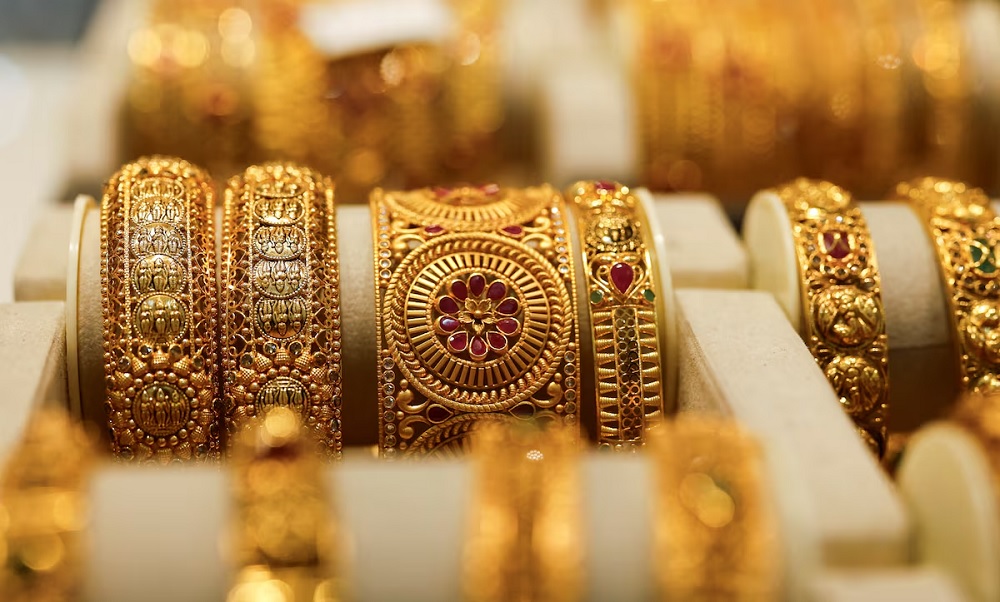
Gold surged past $5,000 per ounce on Monday, buoyed by safety flows amid dollar weakness following a turbulent week where tensions over Greenland and Iran rattled investors, while markets remained on tenterhooks after violent spikes in the yen.
The yen rose over 1% to 153.99 per dollar as of 0427 GMT, after sharp spikes on Friday sparked speculation over potential intervention. The New York Federal Reserve conducted rate checks on Friday, sources told Reuters, raising the chance of joint U.S.-Japan intervention to halt the currency’s slide.
“The market’s inclination is to short the yen but the possibility of co-ordination means it no longer is a one-way bet,” said Prashant Newnaha, senior rates strategist at TD Securities in Singapore.
The prospect of joint intervention to support the yen pulled the dollar lower and broadly lifted other currencies.
Japan’s Nikkei dropped about 2% while S&P 500 futures fell 0.25% and European futures were 0.27% lower as traders awaited the Federal Reserve’s policy meeting later in the week.
U.S. President Donald Trump provided temporary relief to markets last week by reversing tariff threats and downplaying potential forceful action against Greenland. However, further sanctions targeting Iran have reinforced market anxiety.
Increased U.S. pressure against Iran is pushing oil prices higher and lifting safe-haven gold to record peaks. Precious metals, including silver , have surged in a blistering rally so far this year, also aided by a softer dollar.
INTERVENTION CHATTER KEEPS YEN ALOFT
While authorities in Tokyo declined to comment on the yen’s wild swings, sources told Reuters about the rate checks on Friday, leaving traders on edge at the prospect of an intervention that could come any time.
Japanese Prime Minister Sanae Takaichi said on Sunday her government will take necessary steps against speculative market moves.
Carlos Casanova, senior Asia economist at UBP, said the mere expectation of potential intervention could, in itself, contribute to some strengthening of the currency.
“The Japanese yen is likely to stabilise to some extent – though the catalysts for significant appreciation remain limited – while long-term yields are expected to face continued pressure at their current elevated levels.”
A steep bond market rout in Japan last week had put the spotlight on Takaichi’s expansionary fiscal policy as she called a snap election that is due for February 8. The bond market has since calmed somewhat, but investors remain jittery.
The yen was broadly firmer against other currencies too on Monday, inching away from the record low against the euro and Swiss franc and multi-decade lows against sterling.
Charu Chanana, chief investment strategist at Saxo, said the rate-check style warning could help reset positioning and remind the market there’s a line near 159–160.
“With the dollar starting to look softer, this is actually a cleaner window for Japan to lean against yen weakness. Intervention works better when it’s going with the broader USD tide, not fighting it.”
The dollar index , which measures the U.S. currency against six rivals, fell as much as 0.2% to a four-month low of 96.996 after dropping 0.8% on Friday in its biggest one-day drop since August.
Investor focus this week will also be on the Fed. The central bank is expected to hold rates steady at a meeting overshadowed by a Trump administration criminal investigation of Fed Chair Jerome Powell, whose term ends in May.
In commodities, oil prices were little changed after rising about 3% on Friday, with traders weighing the impact of Trump pressuring Iran through more sanctions on vessels that transport its oil.
Brent crude futures were flat at $65.91 a barrel, while U.S. West Texas Intermediate crude stood at $61.1 per barrel.
Business
Pakistan reports 56% drop in exports to Afghanistan in second half of 2025
Imports from Afghanistan to Pakistan also saw a notable decline, falling by 36.75 percent to $6.321 million, the data showed.
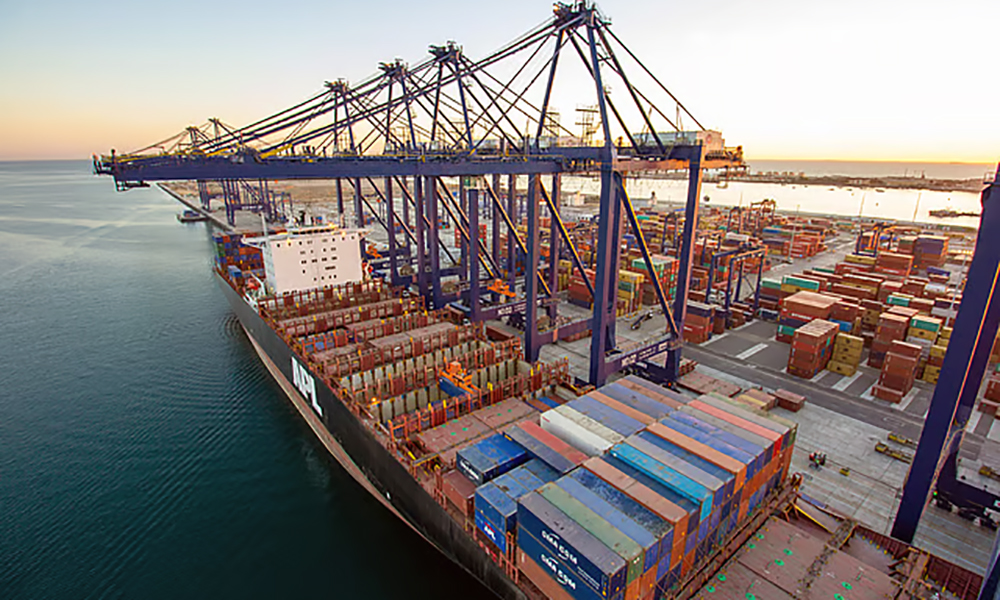
Pakistan’s exports to Afghanistan declined sharply by 56.61 percent in the second half of 2025, according to data released by the State Bank of Pakistan.
The bank said Pakistan’s exports to Afghanistan totaled $219.489 million between July and December 2025, reflecting a significant decrease compared to the same period earlier.
Imports from Afghanistan to Pakistan also saw a notable decline, falling by 36.75 percent to $6.321 million, the data showed.
Trade relations between Afghanistan and Pakistan were disrupted on October 11, 2025, following military tensions between the two countries.

Afghanistan has sent 20 kilograms of raw gold, valued at $2.9 million, to Uzbekistan’s Surkhandarya region for processing.
Termiz Gold Production, a jewelry manufacturing company based in the Termez International Trade Center free economic zone, has begun processing the imported gold, Kazakh media reported.
The project is expected to boost regional industrial capacity, advance the jewelry industry, and increase export volumes, while also improving the investment climate by creating favorable conditions for industrial development and higher value-added production.


Afghanistan’s Mahdi Norouzi ruled out of AFC Futsal Asian Cup due to injury

Afghanistan’s exports drop sharply in December 2025: World Bank

IEA seeks Guantanamo prisoner release for American detainees

EU and India move toward closer defence ties amid shifting global security landscape

Winter storm disrupts US travel, triggers thousands of flight cancellations

Turkey withdraws from Afghanistan-Pakistan mediation amid rising tensions

ICG report says Pakistan most impacted by IEA’s return in Afghanistan

Pakistan approves re-export of stranded Afghan transit trade cargo

Afghanistan–China joint market opens in Kabul

Russia says it is not ready to accept Afghan workers on a large scale

Tahawol: US carrier Abraham Lincoln reaches Middle East near Iran

Saar: UN Political Chief’s Visit to Kabul Discussed

Saar: Possible US Attack on Iran Discussed

Tahawol: Trump’s Peace Plan and the Prospects for World Order

Saar: Winter Chill and the Plight of Afghan Refugees
-

 Sport4 days ago
China and Japan set for AFC U23 Asian Cup final showdown
-

 Business4 days ago
Russia signals interest in expanding investment and trade ties with Afghanistan
-

 Latest News5 days ago
Heavy snowfall across Afghanistan claims 11 lives, shuts key highways
-

 Latest News4 days ago
West Indies win third T20I as Afghanistan clinch series 2–1
-
 Latest News4 days ago
Power outages reported in multiple provinces after damage to Uzbekistan line
-

 Business3 days ago
Afghanistan sends gold to Uzbekistan for processing
-

 Latest News4 days ago
Failed Afghan asylum seekers need to return home, Sweden’s migration minister says
-

 Sport1 day ago
Thrilling battles await as AFC Futsal Asian Cup Indonesia 2026 set to kickoff in hours