
Latest News
Almost half a million Afghans return home from Iran in past 100 days
Afghan authorities in Herat and Nimroz have reported growing pressure on local services and have appealed for greater international support to assist returnees.


Nearly 490,000 undocumented Afghan nationals have voluntarily left Iran through the Dogharoun/Islam Qala border crossing in the past 100 days, according to Amirollah Shamghadari, deputy governor of Khorasan Razavi Province, which borders western Afghanistan.
In a statement this weekend, Shamghadari emphasized that the process has been conducted “with full respect and human dignity,” in line with Iran’s official policy of supporting voluntary, humane, and lawful departures.
“Sixty-seven percent of all Afghan exits have taken place via Dogharoun,” he noted, highlighting the crossing as the busiest point of return for Afghan nationals.
According to Iranian authorities, 26,000 Afghans crossed the border on Friday alone, many bypassing refugee camps entirely and proceeding directly into Afghanistan. Shamghadari said priority was being given to families who had voluntarily introduced themselves to authorities, rather than those apprehended during routine checks.
The official also underscored Iran’s rejection of xenophobia and anti-Afghan sentiment, pointing to the historic and cultural ties between the two neighboring countries. He said Afghan returnees had expressed satisfaction with services at the Safid Sang and Hasanabad camps, which are providing short-term humanitarian assistance.
Allegations of espionage dismissed
Responding to recent speculation that the exodus may be tied to espionage or infiltration concerns—including unverified claims of Afghan involvement in Israeli intelligence activities—Shamghadari dismissed such assertions as part of a “psychological operation” orchestrated by hostile actors.
“These are baseless rumors spread by the enemies of Iran. Our goal is to organize the current situation, not to politicize it,” he stated.
He added that Iran is exploring legal pathways for future re-entry by Afghan nationals under a regulated framework once identity, security, and documentation processes are streamlined.
The large-scale return of Afghan nationals, many of whom had been living in Iran without legal status for years, presents significant humanitarian and logistical challenges on both sides of the border.
Afghan authorities in Herat and Nimroz have reported growing pressure on local services and have appealed for greater international support to assist returnees.
According to the International Federation of Red Cross and Red Crescent Societies (IFRC), hundreds of thousands of Afghans have returned from Iran this year, with June alone seeing more than 137,000 arrivals via Islam Qala and Dogharoun.
Iran, long a host to millions of Afghan migrants and refugees, maintains that it will continue to coordinate with Afghan authorities and humanitarian agencies to ensure an orderly and respectful process.

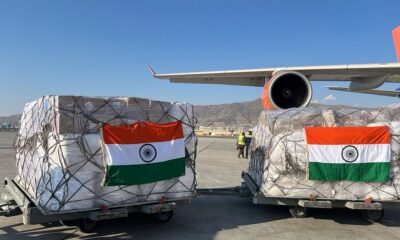




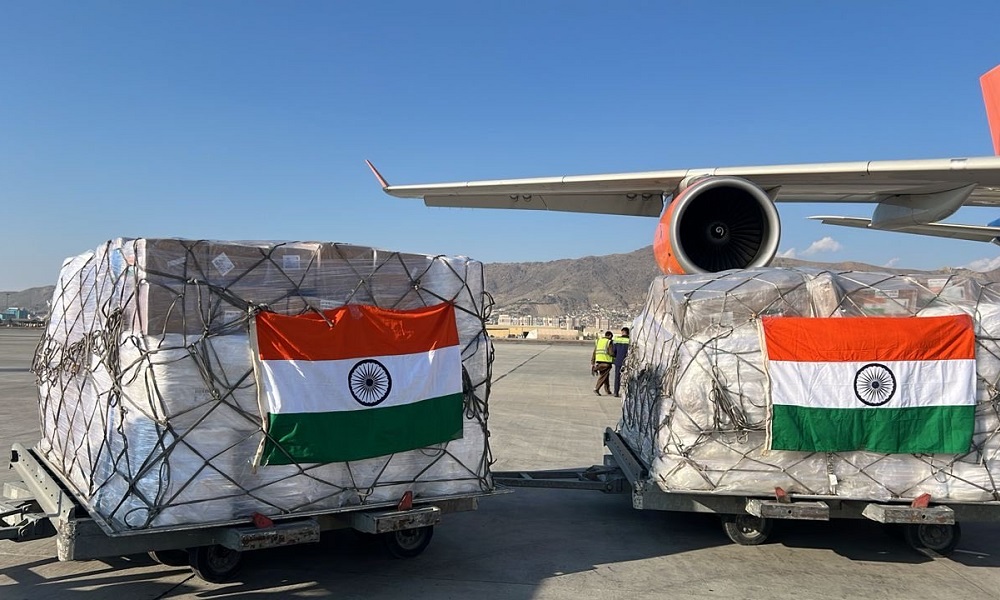
Randhir Jaiswal, spokesperson for India’s Ministry of External Affairs, announced on Friday that a 2.5-ton consignment, including emergency medicines, medical disposables, kits, and equipment has been delivered to Kabul.
According to him, the aid shipment is intended to support the swift recovery of those injured in the recent airstrike by Pakistan’s military regime.
He emphasized that India stands with the people of Afghanistan and will continue to provide all possible humanitarian assistance.
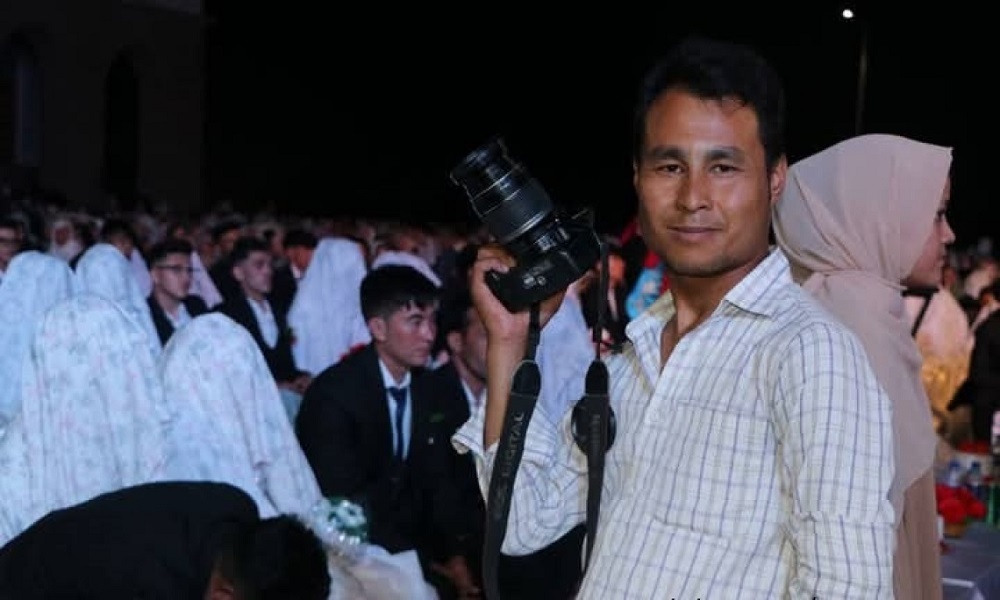
The Afghanistan Journalists Center (AFJC) has announced that Mahdi Ansary, a reporter for the Afghan News Agency (AFKA), has been released after serving one and a half years in Bagram prison.
In a statement welcoming his release, AFJC emphasized that the fundamental rights of this journalist—who had been tried and imprisoned on charges of cooperating with exiled and foreign media—were “seriously” violated.
Ansari was arrested on October 5, 2023, after returning from his workplace in Kabul.
He was sentenced on January 1, 2024 by the Kabul Primary Court to one and a half years in prison on charges of “propaganda against the Islamic Emirate.”
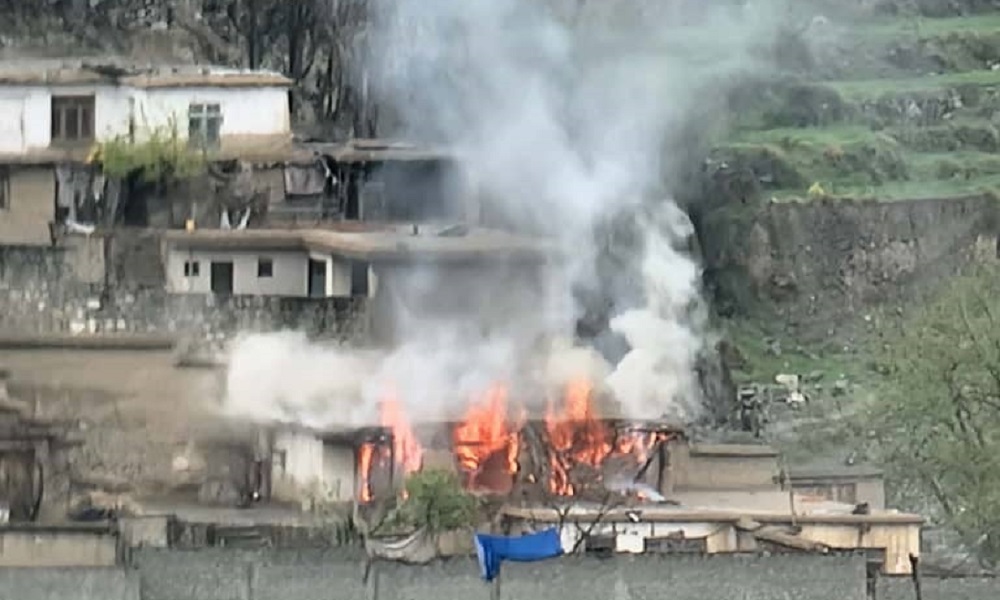
Farid Dehqan, spokesperson for the Khas Kunar police command, said that rocket attacks by the Pakistani military regime are still ongoing in the province.
These attacks come despite earlier announcements by the Pakistani military of a temporary ceasefire for Eid.


Tawsia: Assessment of Afghanistan’s economic activities in 1404

India sends 2.5-ton medical shipment to Afghanistan

Trump compares Iran strikes to Pearl Harbor in meeting with Japan’s leader

Afghanistan national buzkashi falls short in Kokpar World Championship semifinals

Mahdi Ansary, local journalist, released from prison

Pakistani military jet downed in Afghanistan’s Jalalabad, pilot captured alive

Afghan Air Force conducts airstrikes in Islamabad, other cities

Afghanistan welcomes investment and technology partnerships with India

Prominent Muslim scholar issues fatwa calling for Afghanistan-Pakistan ceasefire

Afghan air force strikes key Pakistani military installations in retaliatory operation
Tawsia: Assessment of Afghanistan’s economic activities in 1404

Tahawol: Temporary ceasefire draws broad support

Saar: Emphasis on resolving conflicts through diplomacy

Tahawol: Global reactions to Pakistan’s recent attacks discussed

Saar: Consequences of Pakistani airstrikes on Afghans discussed
-
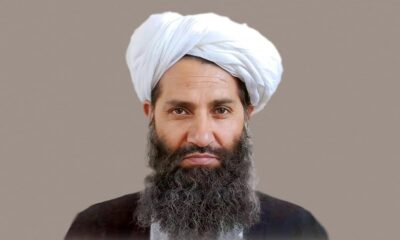
 Latest News4 days ago
IEA Supreme Leader issues Eid-ul-Fitr message urging unity and support for Islamic system
-

 Business4 days ago
Turkmenistan, Afghanistan discuss steps to speed up land acquisition for TAPI pipeline
-
 Latest News2 days ago
IEA announces temporary pause in defensive operations against Pakistan for Eid
-
 Latest News2 days ago
Pakistan opposes normal Afghanistan–India relations: Shaheen
-
 Sport3 days ago
Afghanistan national buzkashi team defeats Hungary 14–0
-
 Latest News4 days ago
CAIR-Texas calls for probe after Afghan refugee dies in ICE custody
-
 Latest News4 days ago
IEA condemns alleged airstrike by Pakistan on drug treatment hospital in Kabul
-
 Latest News3 days ago
Afghanistan warns Pakistan of ‘teeth-breaking’ response after deadly Kabul bombing