
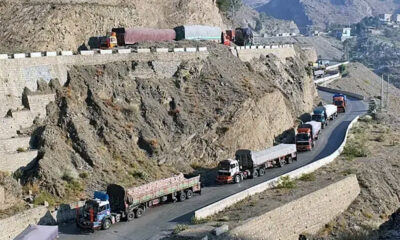

The situation has worsened since Afghanistan imposed a three-month ban on medicine imports from Pakistan, further constricting trade.


Drivers stuck at the crossing report having no access to food or clean drinking water. Many say their funds have been exhausted, and several drivers have...


A memorandum of understanding worth $100 million has been signed between an Afghan company and an Indian company in the pharmaceutical sector, the Ministry of Industry...
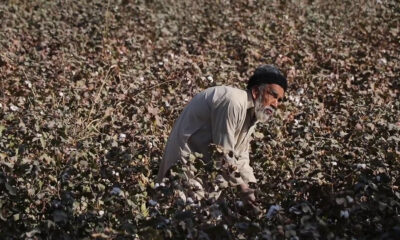

Factory workers say production has slowed due to limited market access, and that reopening export channels could revive operations and restore jobs for hundreds of workers.
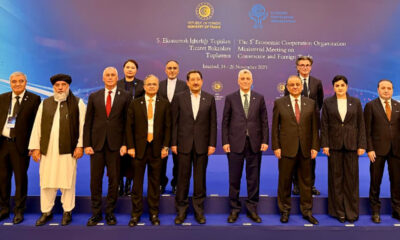

On the sidelines, Azizi met with Turkey’s Minister of Trade, Ömer Bolat, to discuss expanding bilateral trade, attracting Turkish investments.
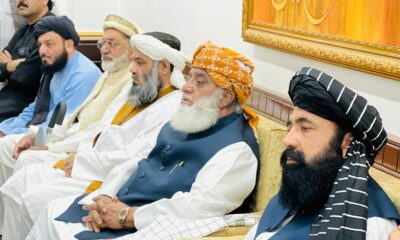

A number of Pakistani businessmen have met with Maulana Fazlur Rehman, the leader of the Jamiat Ulema-e-Islam party, and asked him to help resume trade with...
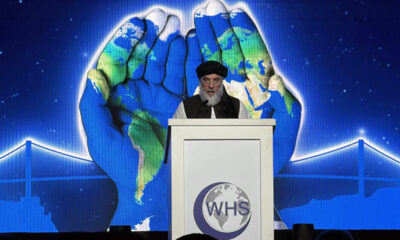

The Istanbul Halal Expo provides a key venue for nations to demonstrate their production capacities, export potential, and investment opportunities.
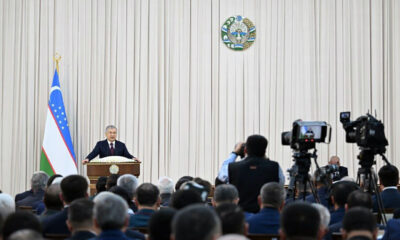

Mirziyoyev also called for attracting 100 major Iraqi entrepreneurs to Samarkand and organizing an “Uzbekistan–Iraq” business forum to deepen commercial ties.
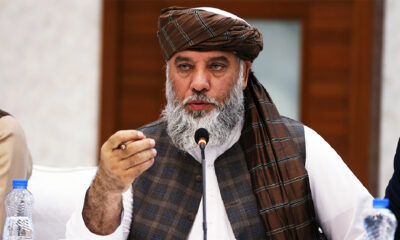

He noted that with improved stability, streamlined administrative procedures, and simplified licensing systems, investing in Afghanistan has become more predictable and efficient.
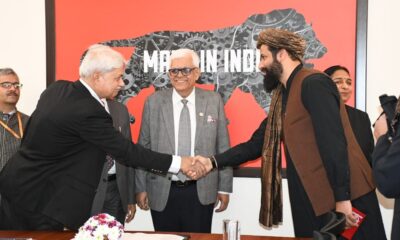

The Ministry of Industry and Commerce of Afghanistan has announced that the country has been officially invited to participate in the “Bharat Tex” textile trade fair...

Separately, the Indian government confirmed that air cargo services between the two countries will resume shortly.
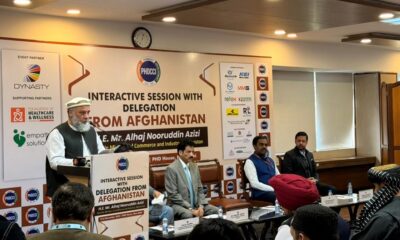

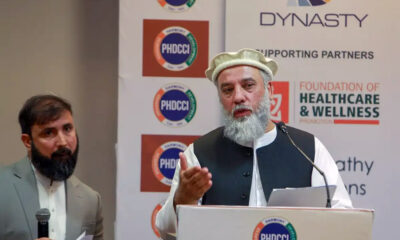
Nooruddin Azizi, Afghanistan’s Minister of Industry and Commerce, has urged India’s private sector to expand investment and commercial activities in Afghanistan. He made the remarks during...
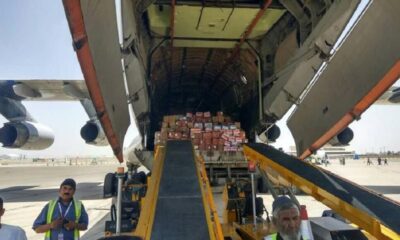

Air cargo services between India and Afghanistan will be launched soon, an Indian foreign ministry official said on Friday, during a visit by Afghanistan’s Minister of...
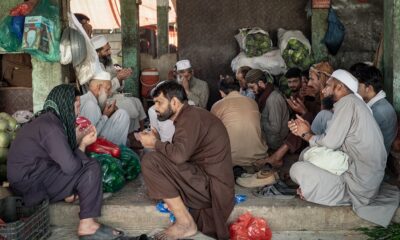

The prolonged closure of the Torkham crossing amid Pakistan-Afghanistan tensions has caused severe financial losses for wholesale traders in Rawalpindi and Islamabad. Dozens of major and...
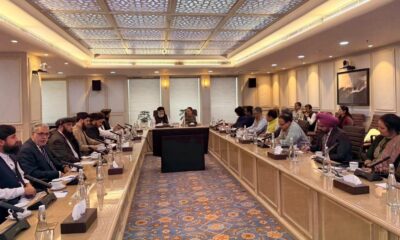

The Islamic Emirate of Afghanistan (IEA) has urged India to expand trade ties and establish cargo hubs inside the country, as Kabul looks for alternatives to...
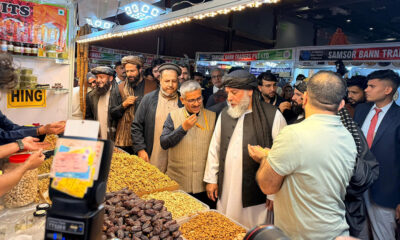

In a separate meeting, Minister Azizi held discussions with the leadership of the India Trade Promotion Organisation (ITPO), the main organizer of the exhibition.
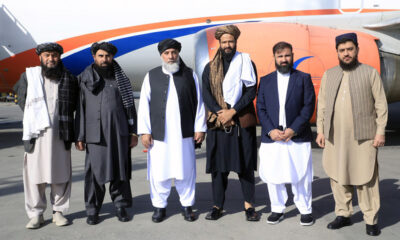

Key discussions will centre on activating the full potential of the Chabahar Port corridor, increasing Afghan exports to India, and promoting long-term investment partnerships.
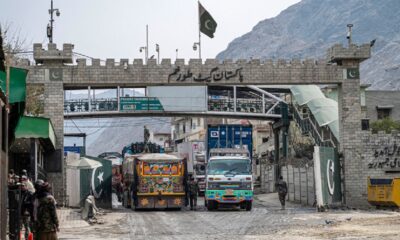

In a letter to the Ministry of Commerce and the Federal Board of Revenue’s Directorate General of Transit Trade, Makda reported that thousands of containers carrying...
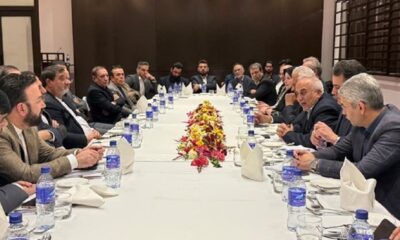

Afghanistan has called on major Iranian companies to increase their presence in the country, stressing that deeper economic cooperation is essential to unlocking the full potential...
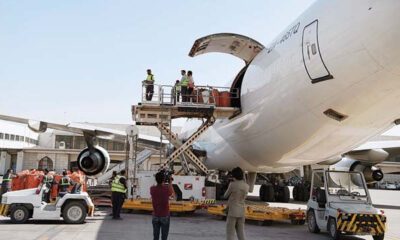

The Economic Deputy noted that exports moved through both land routes and air corridors, a strategy that has improved delivery times and expanded access to global...



