
Regional
China presses Iran to help rein in Houthis after Saudi appeal

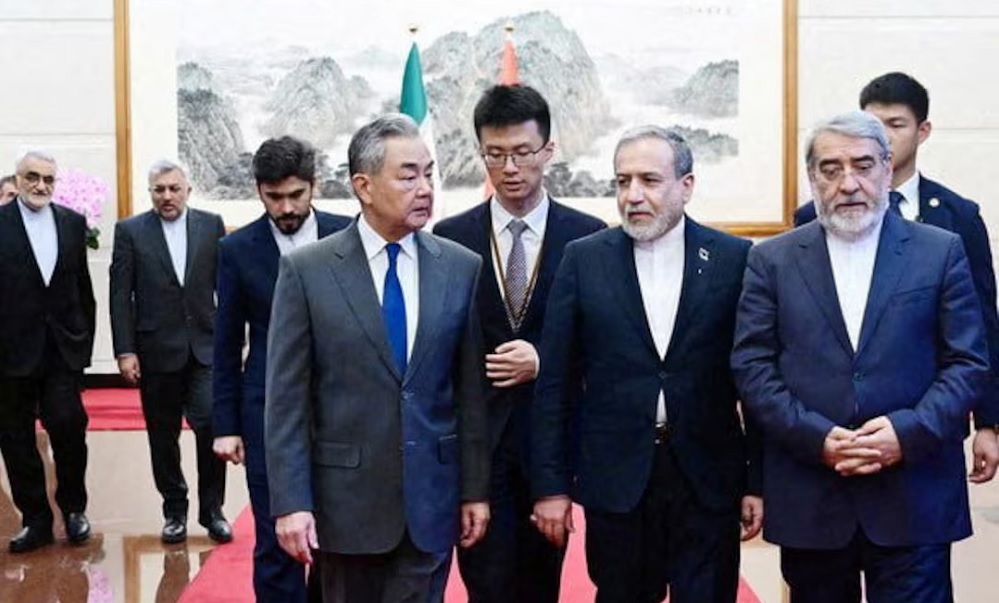
China has privately asked Tehran to help rein in Yemen’s Houthis after an appeal to Beijing by Saudi Arabia following the Iran-backed group’s military blitz in the past week, according to three Iranian sources familiar with the matter, Reuters reported.
Riyadh turned to China for help after the Houthis made rapid advances along the Red Sea coast and around the Bab el-Mandeb Strait, moves that have left Saudi oil exports and shipping more exposed, the sources said.
China has publicly called for restraint, dialogue and the restoration of safe navigation, but its private message went further than the public statements, they said.
Beijing wants Iran to use its influence with the Houthis to help prevent the conflict spreading further across energy routes on which China, the world’s second-largest economy, depends.
The sources, who were briefed on the discussions and spoke on condition of anonymity, did not provide details of how the message was delivered or whether it was conveyed during a visit to China on Wednesday by Iranian Foreign Minister Abbas Araqchi.
The sources said Tehran’s response was that stability and peace in the region depend on ending the US-Israeli war on Iran.
Chinese officials did not issue any explicit threats or indicate that Beijing would seek to pressure Tehran economically if it failed to use its influence over the Houthis, the three Iranian sources said.
In response to a Reuters request for comment on this story, the Chinese foreign ministry said: “China does not wish to see regional tensions further spill over into Yemen and the Red Sea. Escalating regional instability is not in the interests of any party”.
“The sovereignty and security of all countries should be respected, and facilities vital to people’s livelihoods must not be targeted. China calls for an end to actions that further complicate the situation and urges resolving issues through dialogue and negotiation,” it said.
Iran’s foreign ministry and the Saudi government’s media office did not immediately respond to Reuters requests for comment for this article.
DANGERS OF A WIDER REGIONAL WAR
China has been Iran’s largest trading partner for more than a decade and remains the main buyer of its oil. Chinese purchases accounted for more than 80% of Iran’s seaborne oil exports in 2025, averaging about 1.4 million barrels per day, according to commodities data and analytics firm Kpler.
“Beijing is one of the few capitals that can still press Iran to rein in the Houthis,” said a senior Western diplomat in the region.
The Houthis, who emerged in the 1990s in opposition to Saudi Arabia’s Sunni religious influence in Yemen, are armed, trained and funded by Iran, according to Iranian sources and Western countries, and form part of Tehran’s anti-Western, anti-Israel “Axis of Resistance”.
Any threat by the Houthis to shipping in the Red Sea and through the Bab el-Mandeb Strait risks sharply worsening the global energy crisis since Iran started blocking the Strait of Hormuz and increasing the danger of a wider regional conflict.
With Hormuz already effectively shut, sustained Houthi attacks on vessels or ports in the Red Sea would disrupt the Middle East’s two main oil-export routes simultaneously, opening a new front in both the energy crisis and Iran’s broader confrontation with the United States.
Iran and its allies now exert pressure over both ends of the region’s key maritime network, one of the sources said, adding that “China depends on both”.
Alex Vatanka, director of the Iran Program at the Middle East Institute in Washington, said Beijing may oppose US pressure on Tehran, but its interests in the Middle East extend well beyond Iran. Roughly half of China’s oil imports come from the region, while trade between China and the Gulf Cooperation Council states totals around $300 billion a year.
“Iran can disrupt Hormuz. But at some point that leverage begins hurting the very power Tehran increasingly depends on,” Vatanka said.
CHINA’S DILEMMA
It is unclear whether Tehran will act on the concerns raised by Beijing, according to the three Iranian sources.
The relationship nevertheless carries significant economic and strategic weight for Iran as it continues to face hostilities with the US, they said.
China is among the few countries with the financial capacity to provide the investment Tehran needs to sustain its oil industry and ease pressure on its economy, battered by war and sanctions.
Beijing has also demonstrated its diplomatic influence. In 2023, China brokered the agreement that restored ties between Iran and Saudi Arabia after years of hostility.
That influence has limits, however. Critics inside Iran have complained about the relatively modest level of Chinese non-oil trade and investment since the two countries signed a 25-year cooperation pact in 2021, particularly compared with China’s growing investment commitments in Gulf Arab states.
China remains a factor Tehran cannot afford to ignore, but two of the Iranian sources said Beijing’s interests were only one consideration among many. Iran’s decisions are shaped by competing strategic, economic and political priorities, they said.
“Tehran and Beijing need each other. China is a factor Tehran cannot ignore, and Beijing wants Hormuz reopened and Red Sea shipping secured,” the Western diplomat said.
Analysts say the key test will be whether China is prepared to attach consequences to its demands. Ultimately, they say, the clearest sign of Beijing’s resolve would be evidence that it is willing to use its leverage over Tehran.



Regional
Iran says contacts over ending war continue after talks finish with no breakthrough
On Monday, Trump said Iran wants to make a deal to end the war and that such an agreement “could happen.” He did not immediately provide details.
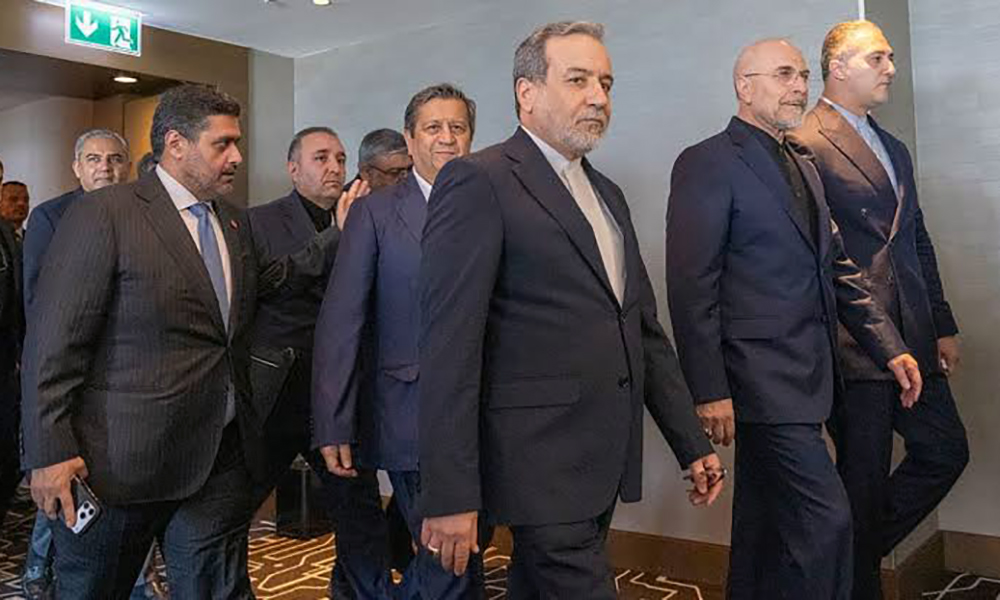
Contacts between Iran and the United States to end their eight-month war are continuing, Tehran said on Monday, after days of Iranian talks with Qatari mediators ended with altered proposals but no breakthrough.
“Consultations through mediators are very intensive. We have presented our conditions and proposals and everything depends on the political rationality of Washington,” Iranian Foreign Minister Abbas Araqchi said in comments carried by state media outlet IRNA.
Amid fears the conflict could reignite after Tuesday’s midterm elections in the United States, China and Russia both spoke out on Monday against the possibility of renewed military action in a war that has hit the global economy.
While oil prices fell nearly 4% on Monday on hopes that the latest round of mediation could lead to a diplomatic solution to the crisis, Iranian sources said they believed a new US attack was still more likely than a deal.
Iran’s Foreign Ministry spokesperson Esmaeil Baghaei said the plan Iran had submitted in September to end the war remained the focus of discussions, but he confirmed comments attributed to Araqchi on Saturday that the proposal could be shortened.
“The basis of dialogue and talks between Iran and the US via mediators is still Iran’s seven-step proposal, which is now condensed, making it possible to implement it within two days,” he said.
US President Donald Trump rejected the seven-step proposal in September.
The plan would call for the US to end its blockade on Iranian ports, Iran to reopen the Strait of Hormuz waterway, a US waiver on Iranian oil sales, the cancellation of new sanctions on Iran and then talks on other issues.
Baghaei reiterated that condensing the plan would not change Iran’s underlying stance that a return to talks on the country’s nuclear programme could only happen after it verified that all its conditions were met.
Asked whether the possibility of transferring Iran’s highly enriched uranium stockpile to another country was raised in the talks, and whether Iran might agree to that, he said no.
An official briefed on the talks said Iran’s negotiators had left on Sunday but not because of any problems in the talks, and added that a draft proposal was being circulated without elaborating.
Qatari mediators traveled to Tehran on Monday night for talks with Araqchi on a version of the draft US-Iran deal that has been under negotiation for the past eight days, an official briefed on the talks said.
On Monday, Trump said Iran wants to make a deal to end the war and that such an agreement “could happen.” He did not immediately provide details.
The war, which the US and Israel launched suddenly on February 28, has led to Iran’s closure of the key Strait of Hormuz waterway, the US blockade on Iranian ports, repeated bouts of Iranian drone and missile fire on Gulf states and renewed conflict in Yemen.
Trump has repeatedly said there would be no new attack on Iran before Tuesday’s midterm elections. Iran has said it will respond to any resumed attack aggressively with plans to strike targets both within and outside the Middle East.
China’s Foreign Minister Wang Yi said on Monday that all parties to the conflict should focus on political solutions rather than resorting to arms again, after a meeting with senior Iranian security official Ali Bagheri Kani in Beijing.
China, a major customer for Gulf energy products, is engaging more actively in Middle East diplomacy this week, hosting Oman’s Sultan Haitham bin Tariq al-Said, whose country flanks the southern side of the Strait of Hormuz.
Wang also met Saudi Arabia’s national security advisor Musaed bin Mohammed al-Aiban in Beijing on Monday, China’s Foreign Ministry said, adding that all sides should work to safeguard regional energy and shipping lane security.
In Moscow, the Russian Foreign Ministry said reports of new military action against Iran were a cause for extreme concern and called for increased diplomatic efforts.
Russian President Vladimir Putin spoke by phone with Iran’s top security official Mohsen Rezaei on Monday, Iranian state media reported.
Underscoring the risks to global energy supply, a Qatari liquefied natural gas (LNG) tanker was struck in the Gulf by unidentified objects on Friday, its operator Nakilat said on Sunday.
While attacks on oil tankers in the Gulf and Red Sea have been common during the conflict, attacks on LNG carriers have been rare, with the last reported incident with a Qatari tanker happening in early July.
Regional
Saudi defence pact countries push for peace in Tehran as Houthis launch more attacks
Saudi Arabia said the visit was intended to open negotiating channels to “prevent the return of military escalation”.
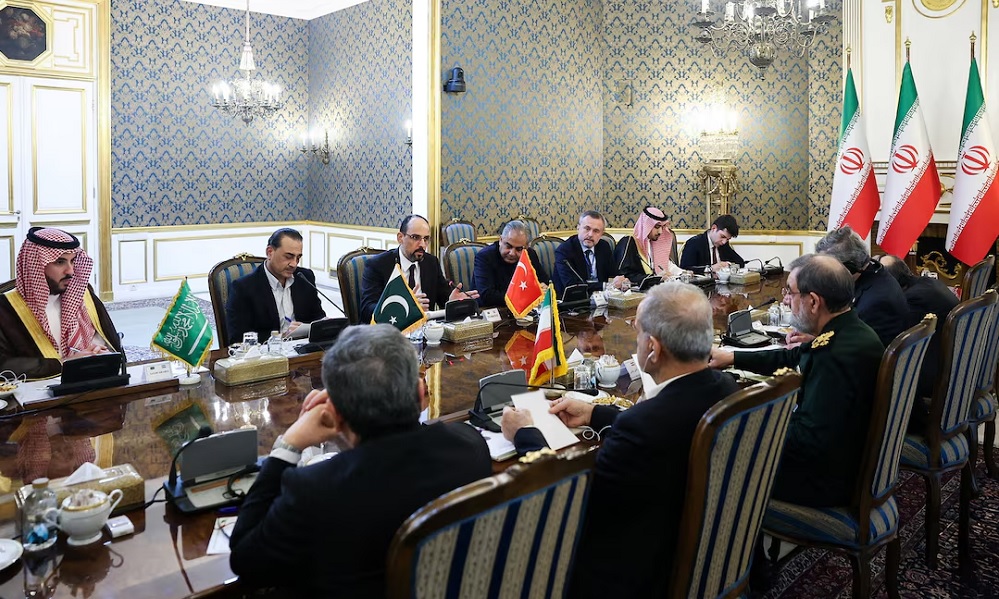
Top officials from Saudi Arabia, Turkey and Pakistan met Iranian officials in Tehran on Monday in a bid to de-escalate the Middle East conflict, as Yemen’s Houthis launched new attacks on Saudi Arabia and Egypt approved defence support for the Gulf kingdom.
The talks were the first high-level contact between Iran and the three nations — which signed the Mecca mutual defence pact in August — since a war that began with US and Israeli strikes on Iran also spread to Saudi Arabia and Yemen, Reuters reported.
Saudi Arabia said the visit was intended to open negotiating channels to “prevent the return of military escalation”.
It was represented by Defence Minister Prince Khalid bin Salman, younger brother of Crown Prince Mohammed bin Salman; Pakistan by army chief Field Marshal Asim Munir; and Turkey by intelligence chief Ibrahim Kalin, Saudi and Iranian officials said.
Iranian state media published pictures of Iranian President Masoud Pezeshkian, Foreign Minister Abbas Araqchi and Mohsen Rezaei, secretary of the Supreme National Security Council, attending the meetings. At the conclusion, the four states agreed to continue talks with a view to strengthening cooperation in peace and security, state media reported.
Pakistan and Qatar have led mediation efforts in the war.
Earlier efforts helped produce an interim peace agreement in June, but fighting between Iran and the US soon resumed. Conflict then flared between the Iran-aligned Houthis and US ally Saudi Arabia, opening a new front.
US AND IRAN THREATEN NEW ATTACKS
The wider fighting has restricted shipping through the energy chokepoint of the Strait of Hormuz, pushed up global oil and gas prices, left Gulf states facing missile and drone attacks, and caused a new humanitarian crisis in Yemen.
Tensions between Washington and Tehran have sharpened recently, with President Donald Trump saying on Friday the US may strike Iran again. Iranian security officials told Reuters Tehran had drawn up detailed plans to attack Gulf undersea cables if the US and Israel attack again.
The war, which earlier in the year also reignited fighting between Israel and the Iran-backed Lebanese Hezbollah militia, has eroded Trump’s approval ratings ahead of the US midterm elections that decide control of Congress.
Iranian security chief Rezaei said the visit by the three countries had shown that “American threats have little impact on countries around the world”. He spoke of a “new and positive atmosphere” in the region.
Iranian Foreign Ministry spokesperson Esmaeil Baghaei had earlier said the meeting, proposed when Munir visited Tehran last week, could be a first step towards establishing regional security mechanisms.
A senior Pakistani security official said the focus was on building a regional non-aggression network. The agenda also included US-Iran talks, Houthi attacks on Saudi Arabia, the Strait of Hormuz and a US blockade of Iranian ports, they said.
Another Pakistani official said Munir, with a go-ahead from Trump to try diplomacy, had presented Iran with a solution to the conflict that would offer something to both the US and Iran, without giving details.
The Mecca pact states and Qatar could act as guarantors if it was accepted, the official added.
An Iranian official had earlier said there would be no discussion of Iran’s nuclear programme at Monday’s meeting, and the issue would not be addressed until Tehran’s demands for ending the war were met.
Those conditions include ending a US blockade of Iranian ports and lifting sanctions on Iranian oil exports. US Vice President JD Vance has said Iran must reduce nuclear enrichment to end the war.
Pakistan’s military media office and Turkey’s Foreign Ministry did not immediately respond to requests for comment.
PARLIAMENT APPROVES EGYPTIAN DEFENCE SUPPORT FOR SAUDIS
Saudi Arabia has intensified strikes against the Houthis since they captured strategic areas along Yemen’s Red Sea coast last month, advancing against Saudi-backed government forces. The Houthis have hit Saudi airports, ports and oil facilities.
On Monday, the Houthis said they had attacked pumping stations on Saudi Arabia’s East-West pipeline as well as Riyadh airport, which said it had resumed operations at two terminals a day earlier. There was no immediate Saudi confirmation of the Houthi attacks.
Parliament in Egypt, which has said it is considering joining the Mecca pact, on Monday authorised the Egyptian military to help defend Saudi Arabia, a major financial and political partner for Cairo.
The Mecca Joint Defence Agreement says signatories shall use “all necessary means” to eliminate threats to one another’s territorial integrity, sovereignty or internationally recognised borders, according to a text seen by Reuters.
The pact’s members held an emergency meeting in Riyadh this month and agreed to ensure the “rapid deployment” of military forces and capabilities in Saudi Arabia.
Efforts by Turkey’s parliament to ratify the agreement began last week and are still under way, while Pakistan approved the pact last week.
Regional
Iran says outcome of Israeli elections ‘makes no difference’
Tuesday’s legislative elections will take place amid mounting threats by Israel and the United States to renew attacks on Iran after they launched their war in late February.
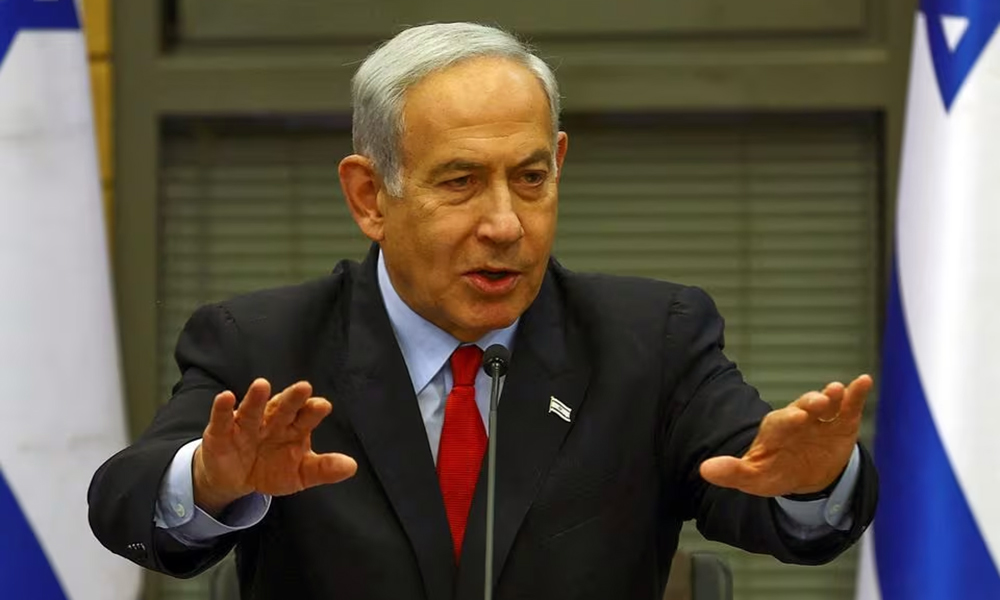
Iran’s foreign ministry said Monday that the outcome of the Israeli elections in which Prime Minister Benjamin Netanyahu is facing a tight race will make “no difference”, AFP reported.
“It makes no difference to us who, in these elections, takes the helm of a regime that has brought nothing but violence and massacres to our region,” said ministry spokesman Esmaeil Baqaei in a weekly press briefing.
Tuesday’s legislative elections will take place amid mounting threats by Israel and the United States to renew attacks on Iran after they launched their war in late February.
Netanyahu has in recent days repeatedly said the only way to remove the threat posed by Iran is to topple its government.
On Sunday, he told Israel’s Channel 14 that he had “instructed the Mossad and the IDF to overthrow the Iranian regime”.
Baqaei dismissed Netanyahu’s remarks as “empty threats” and a “sign of desperation”.

Afghanistan-Russia economic cooperation coordination meeting held in Kabul

Indian tourist killed in helicopter collision in Nepal’s Everest region

Indian tourist killed in helicopter collision in Nepal’s Everest region
Afghanistan outlines environmental priorities to international donors

AFC Asian Cup Saudi Arabia 2027 postponed amid regional disruptions

Cricket Bonanza: Afghanistan set for packed international schedule

Afghanistan finish runners-up after 6-0 defeat to Brazil in futsal final

Trump says US will not attack Iran before midterm elections in November

Lionel Messi bids tearful farewell to Argentina after 3-0 win over Benin

Afghan futsal coach: Brazil tournament is first step towards new goals and World Cup
Tahawol: calls for dialogue between Kabul and Islamabad
Saar: Trump’s remarks on Afghanistan war
Tahawol: US offers to ease Kabul-Islamabad tensions
Saar: Identity of ISIS suspect arrested in pakistan revealed
Tahawol: Disruptions in Iran’s trade with neighboring and regional countries
-
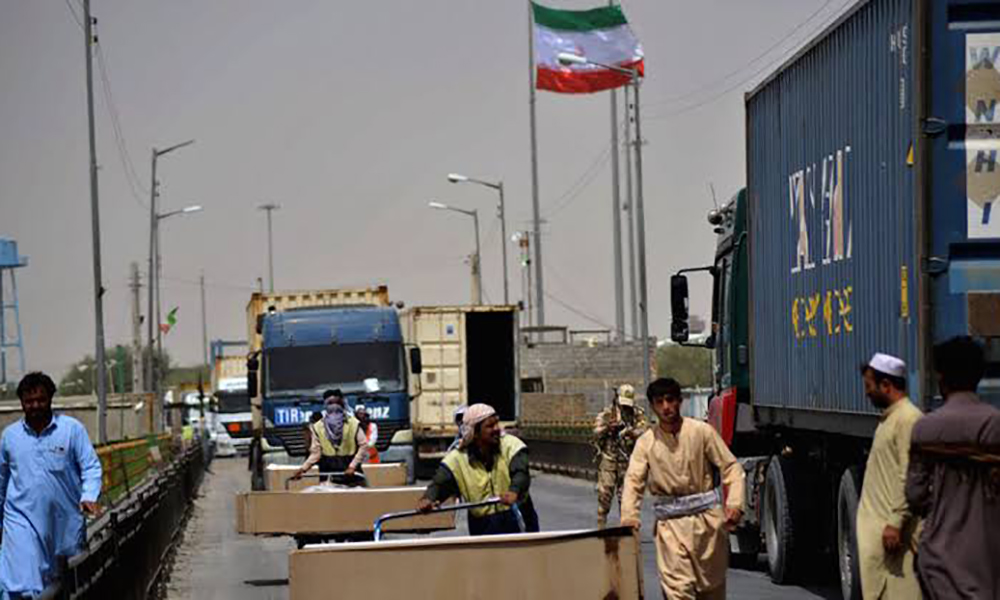 Business3 days ago
US sanctions and blockade measures disrupt Iran’s trade with Afghanistan and regional neighbors
-
 Sport2 days ago
Afghanistan crowned 2026 Hong Kong Sixes champions after beating Australia in final
-
 Sport3 days ago
Afghanistan storm into Hong Kong Sixes final after beating Scotland
-

 Sport4 days ago
Rashid Khan makes history as first-ever bowler to claim 200 T20I wickets
-
 Business4 days ago
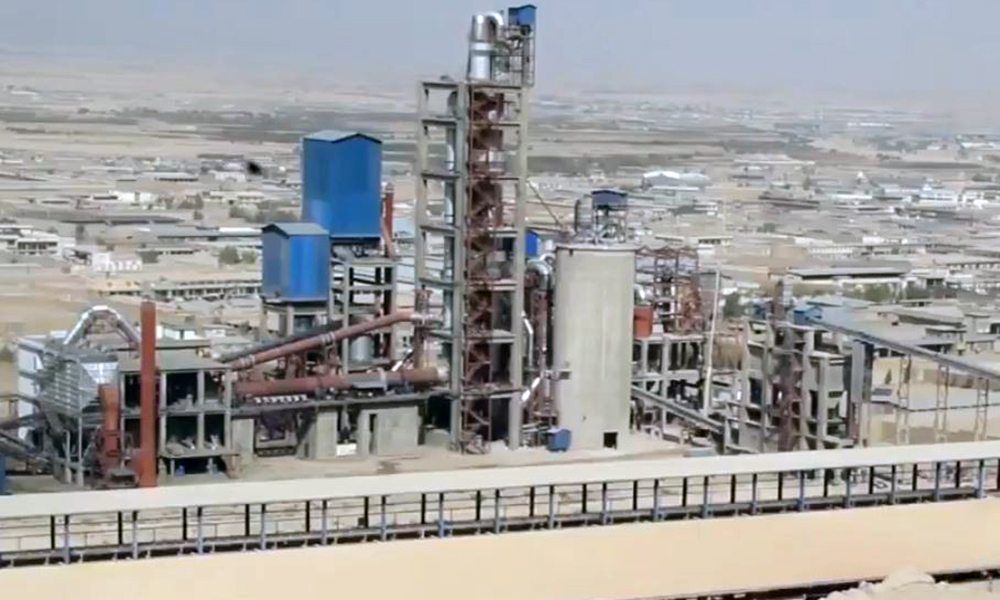
Afghanistan inaugurates first phase of Kandahar cement factory
-
 Health4 days ago
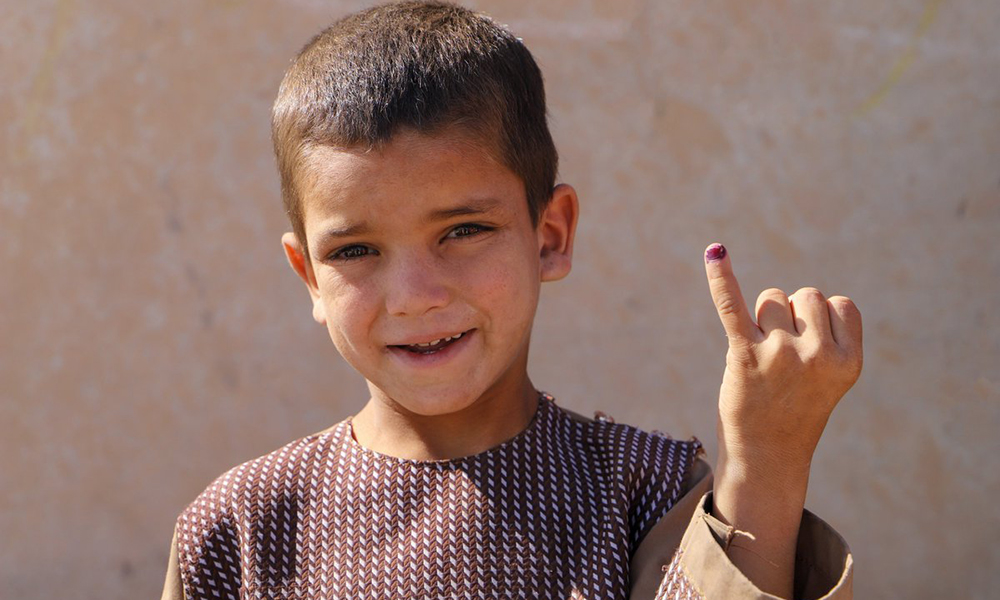
Afghanistan to launch nationwide polio vaccination campaign
-
 Latest News3 days ago
UNHCR: 6.3 million Afghans have returned since 2023, 60 percent reportedly forced to return
-
 Latest News4 days ago
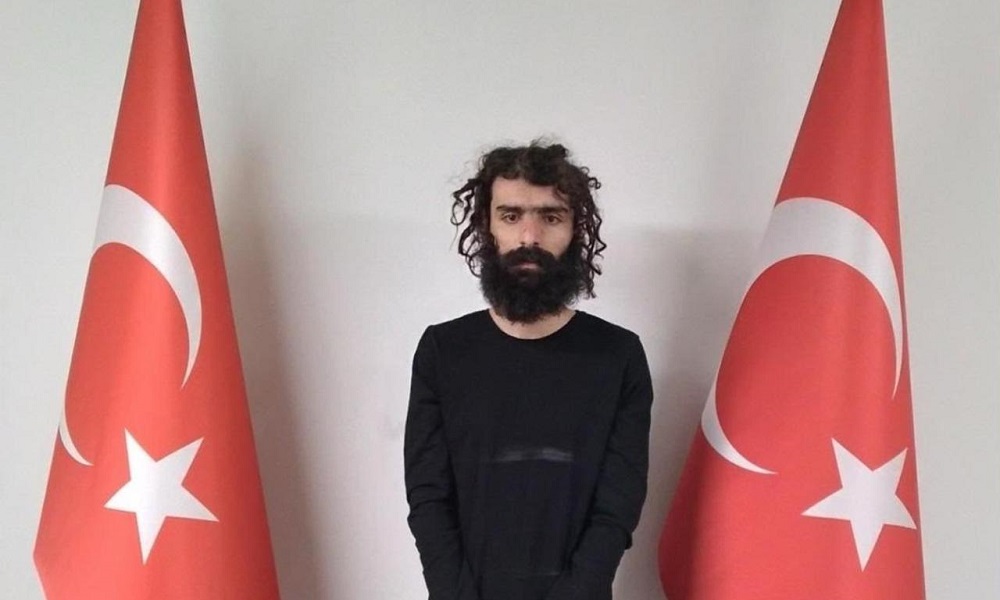
Turkish intelligence captures suspected Daesh operative in Afghanistan-Pakistan region