
Latest News
Doha Forum: Dialogue between Afghanistan and Pakistan key to regional connectivity
Qanit urged both countries to take a long-term view. “It is essential for Pakistan and Afghanistan to sit together and resolve these problems. If these crises continue, confidence in regional connectivity will erode.”

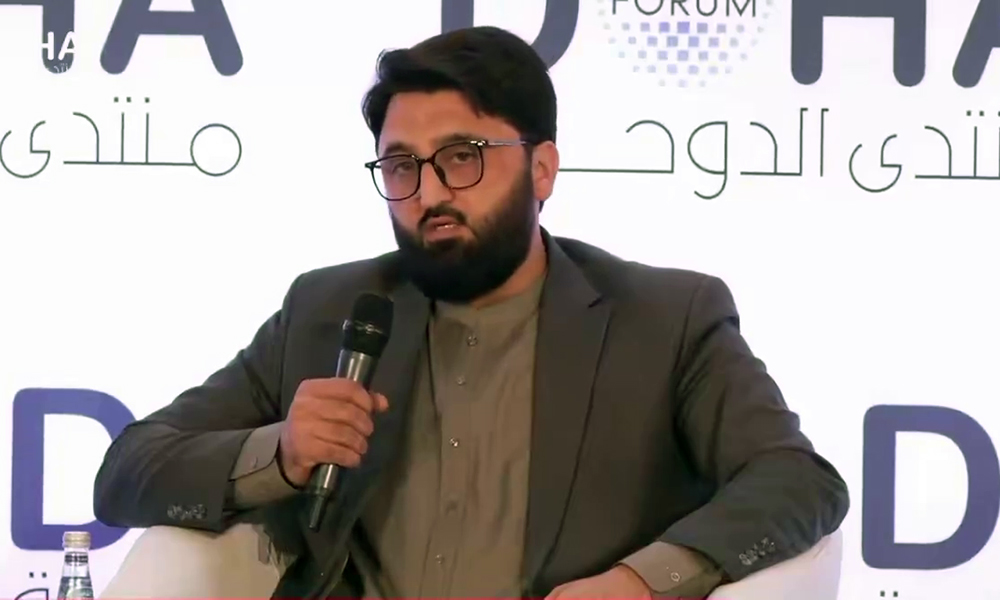
At the Doha Forum on Saturday, Afghan officials underscored the critical need for renewed dialogue between Afghanistan and Pakistan, warning that recent political tensions risk undermining the region’s broader connectivity and integration goals.
Abdul Hai Qanit, Director of the Center for Strategic Studies at Afghanistan’s Ministry of Foreign Affairs, told participants that constructive engagement between Kabul and Islamabad is essential for long-term stability and economic cooperation.
“We can resolve all issues through dialogue,” Qanit said. “But we must not reach a point of no return, as there are significant interests tied to regional integration.”
He noted that Afghanistan has a strong interest in maintaining positive relations with Pakistan, but cautioned that recent developments are jeopardizing shared progress.
“Trade routes are being weaponized, geography is being politicized, and corridors are being used as leverage in political disputes,” he said. “This threatens the very concept of regional integration.”
Qanit urged both countries to take a long-term view. “It is essential for Pakistan and Afghanistan to sit together and resolve these problems. If these crises continue, confidence in regional connectivity will erode.”
Despite current tensions, he expressed optimism that the situation is temporary. “I believe this is a short-term crisis. The Pakistan-Afghanistan relationship will return to a positive track. Afghanistan can advance ongoing projects and serve not as a threat, but as a hub linking South Asia and Central Asia.”
Echoing this focus on cooperation, Dr. Eldor Aripov, Director of Uzbekistan’s Institute for Strategic and Interregional Studies, emphasized that economic engagement remains the most effective way to support Afghanistan’s development.
“Different approaches are needed,” he said. “Our position is clear: economic cooperation is the best tool to help Afghanistan move forward.”
As discussions at the Doha Forum continue, regional leaders are exploring pathways to strengthen cross-border economic projects and expand connectivity across South and Central Asia.

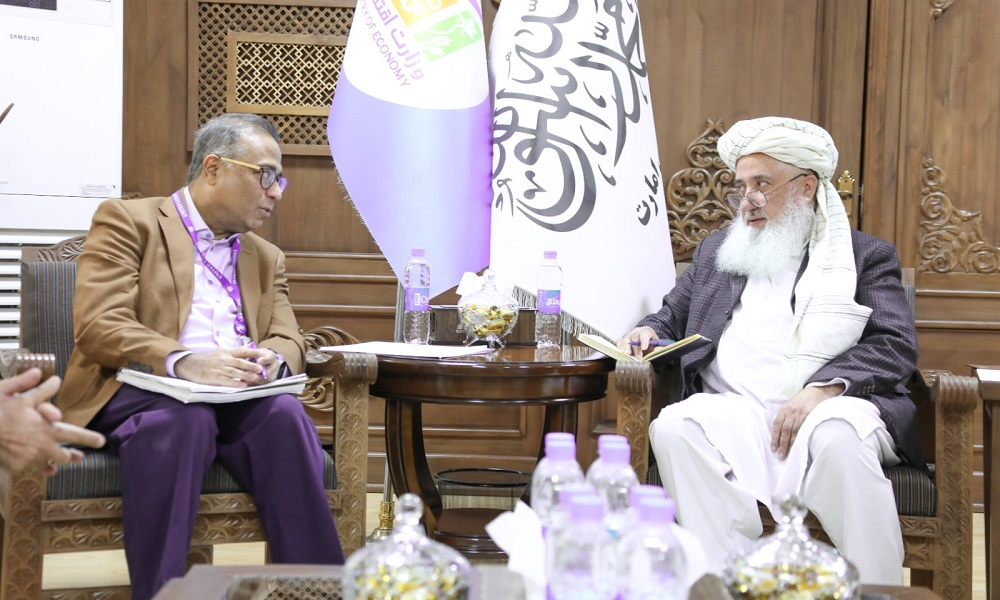
Afghanistan’s Minister of Economy, Din Mohammad Hanif, met on Tuesday with Turhan Saleh, the United Nations Development Programme (UNDP) Resident Representative in Afghanistan, to discuss expanding development cooperation, supporting the private sector and implementing development projects.
According to the Ministry of Economy, Hanif said sanctions, the freezing of Afghanistan’s foreign exchange reserves, the United Nations’ non-recognition of the Islamic Emirate and the suspension of international development assistance had affected the country’s economic development.
He also highlighted economic growth, increased domestic production, efforts to combat drug cultivation and water resource management. Hanif identified climate change and the large-scale return of migrants as additional factors putting pressure on the country’s economy and society.
The minister said providing shelter and building roads, schools, clinics and water supply networks for returnees were among the government’s priorities. He added that infrastructure and production projects could help create jobs, increase household incomes, reduce poverty and support sustainable economic growth.
Meanwhile, Saleh welcomed Afghanistan’s economic achievements over the past five years and reaffirmed UNDP’s commitment to continuing development cooperation with the country.
He also expressed the organization’s readiness to support efforts to combat drug cultivation, construct check dams, implement development projects, provide training programmes and support small businesses and the private sector.
The meeting concluded with both sides emphasizing the need for stronger coordination and continued cooperation to expand economic opportunities, create jobs and promote sustainable development in Afghanistan.
Latest News
Pakistan’s Jamaat-e-Islami leader says regional alliance could help resolve Afghanistan issue
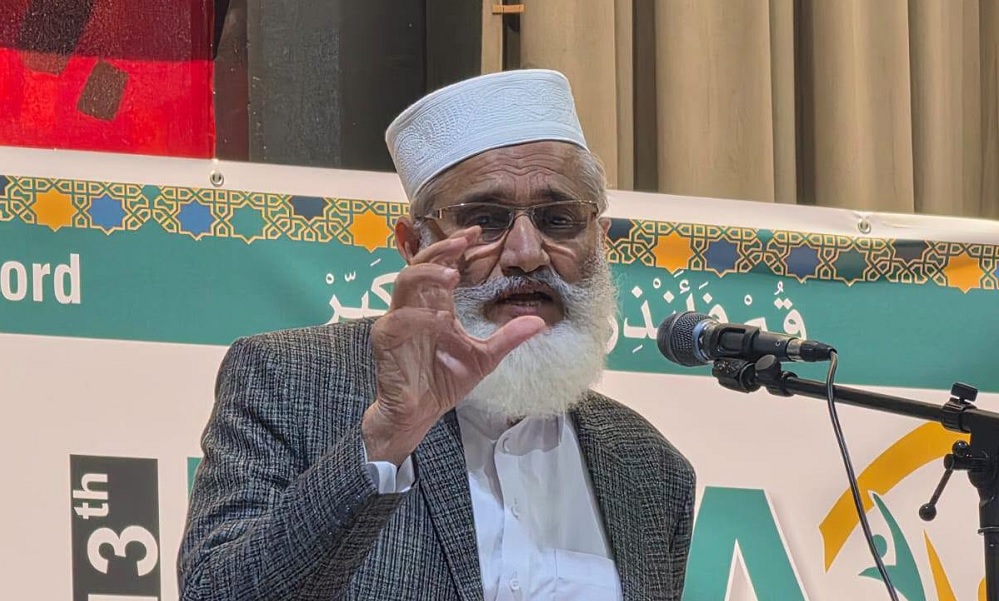
Siraj ul Haq, leader of Pakistan’s Jamaat-e-Islami party, has called for closer cooperation among Pakistan, Saudi Arabia, Türkiye and Iran, saying an alliance among the four countries could help address the Afghanistan issue and promote peace and stability across the region.
In a post on X, Haq said the proposed alliance could also help address challenges facing the Muslim world, including issues related to Iran, Kashmir and Gaza, and support efforts towards the liberation of Al-Quds (Jerusalem).
He urged Muslim countries to move beyond verbal statements and demonstrate practical unity by taking concrete steps to support Palestinians, protect oppressed Muslims and resolve shared challenges.
Haq’s remarks come after senior officials from Saudi Arabia, Iran, Türkiye and Pakistan met in Tehran on Monday.
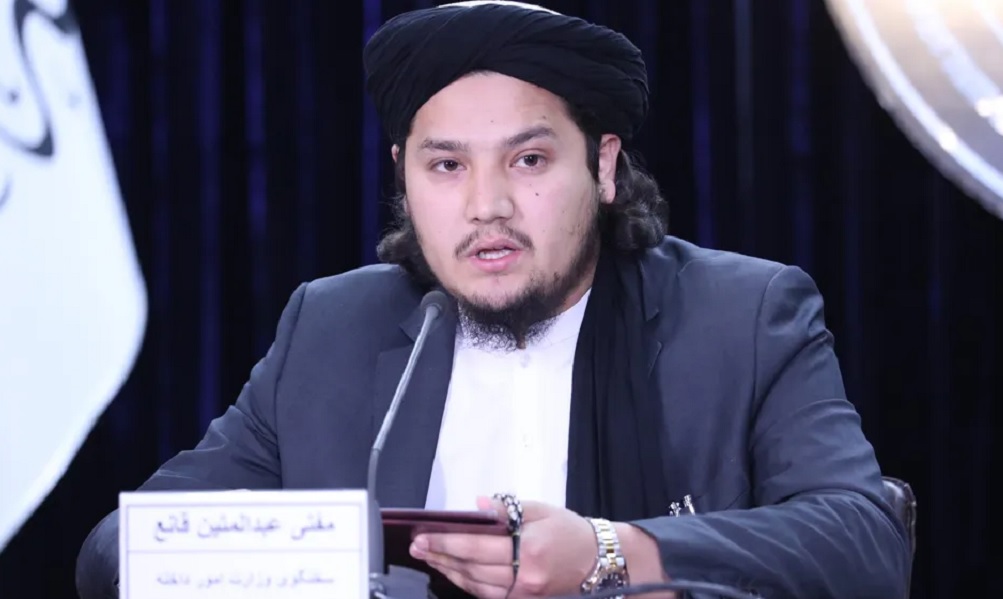
Afghanistan’s Ministry of Interior Affairs has called on the United Nations and the international community to condemn drug cultivation and production in Pakistan, saying that narcotics grown and processed in Balochistan are smuggled to other countries, including Afghanistan.
Ministry spokesperson Abdul Mateen Qani told Ariana News on Tuesday that thousands of hectares in Pakistan’s Balochistan province are used to cultivate narcotic crops. He also claimed that drugs produced in Pakistan are of low quality and pose serious risks to human health.
Qani urged international bodies to take action to prevent drug cultivation, production and trafficking.

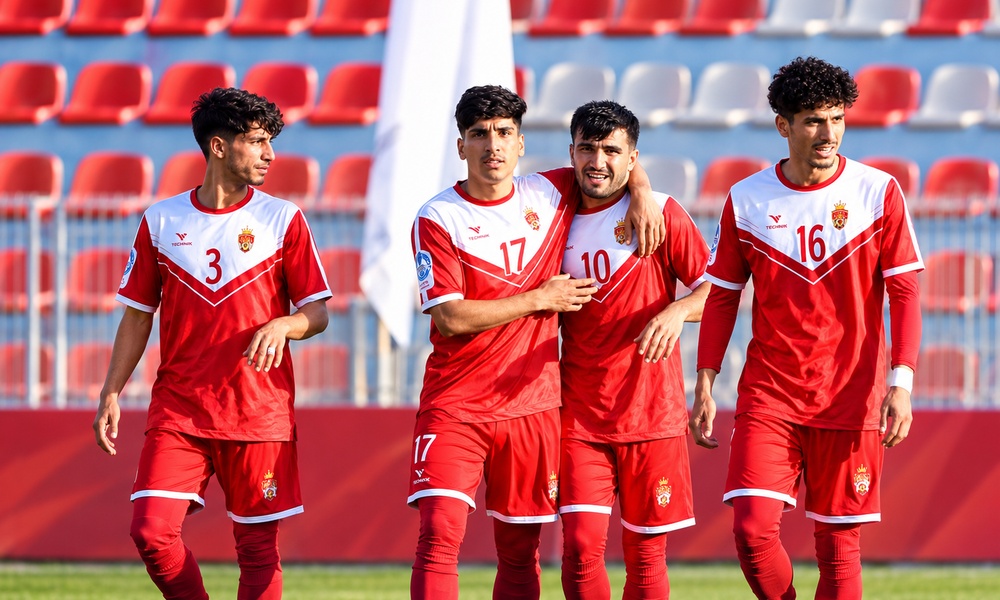
Sorkh Poshan Khafi cruise to 3–0 win over Toofan Herat in ACL season six
Afghanistan’s economy minister, UNDP representative discuss development cooperation
Pakistan’s Jamaat-e-Islami leader says regional alliance could help resolve Afghanistan issue
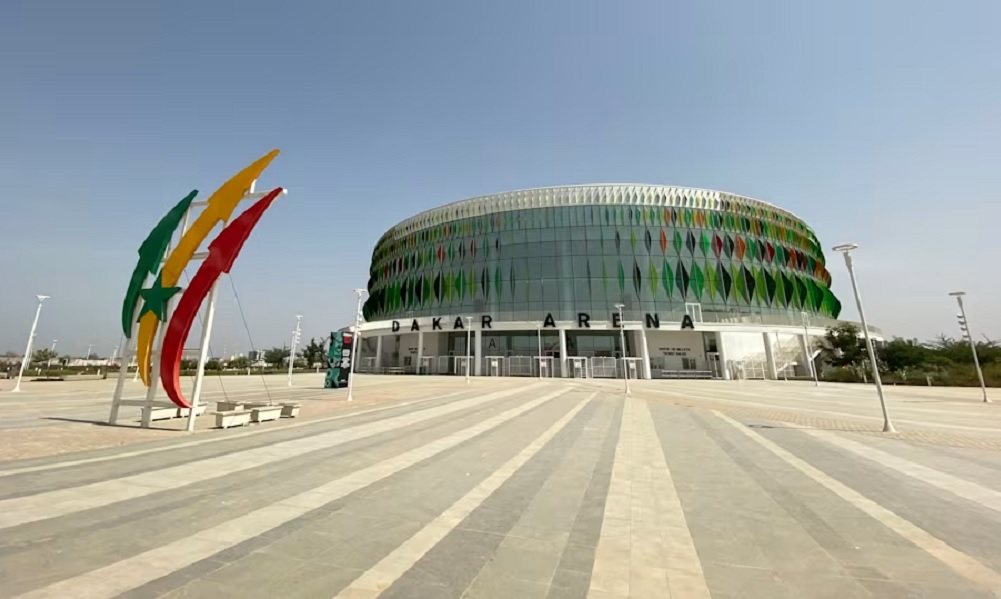
ATN to bring historic Dakar 2026 Youth Olympics to Afghan audiences

England forward Kane crowned Ballon d’Or winner

Cricket Bonanza: Afghanistan set for packed international schedule

Afghanistan on climate front line as Kabul faces groundwater warning

ACB announces Afghanistan squads for Bangladesh, Zimbabwe series

Afghanistan to face Pakistan, India and Australia at 2027 Cricket World Cup

Four members of one family killed in Helmand in Pakistan airstrike
Saar: Pakistan threatening strikes on Afghanistan

Iran says outcome of Israeli elections ‘makes no difference’
Houthis attack Saudi Arabia before high-stakes talks in Tehran
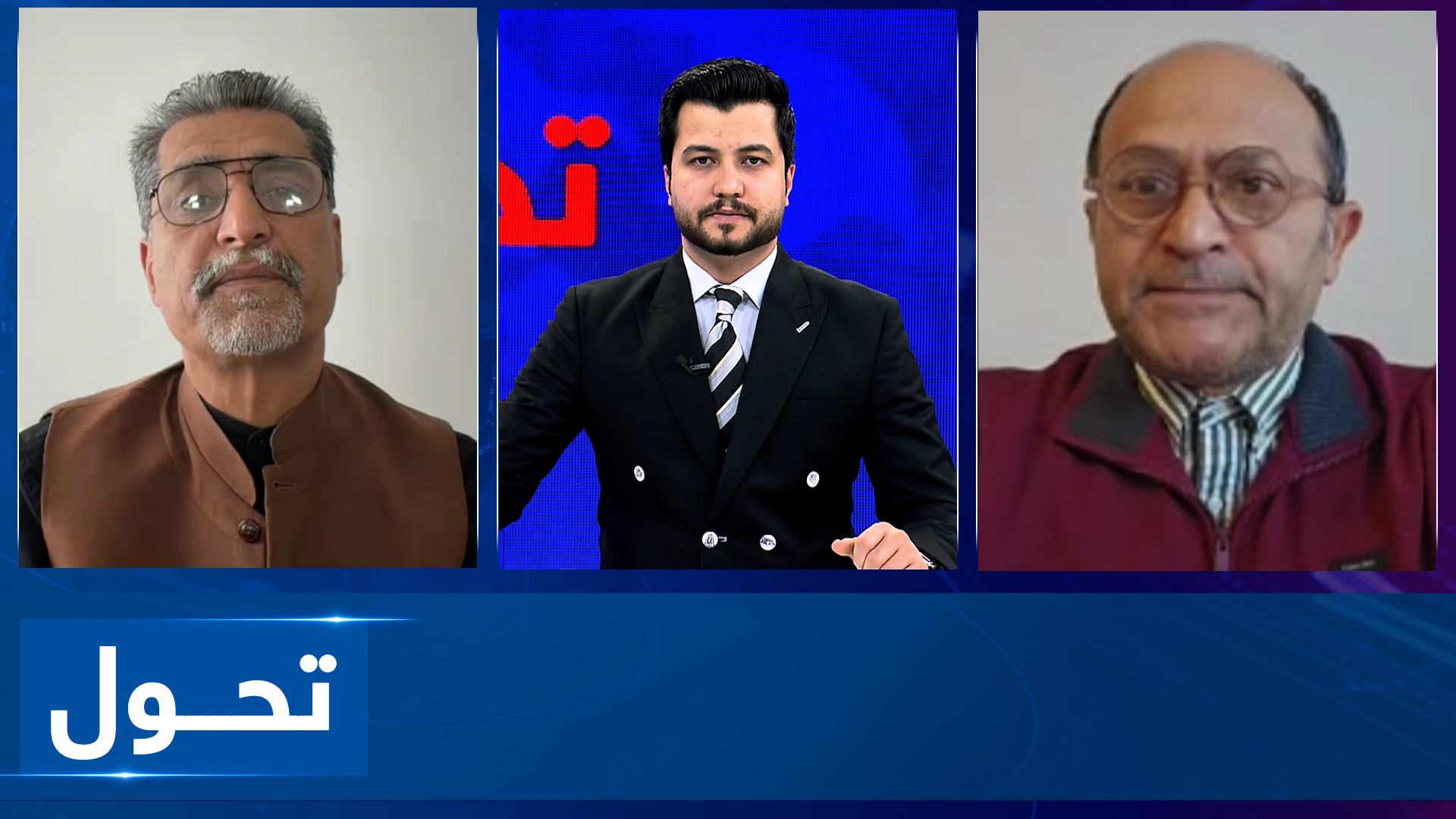
Tahawol: Ukraine war and ongoing peace efforts
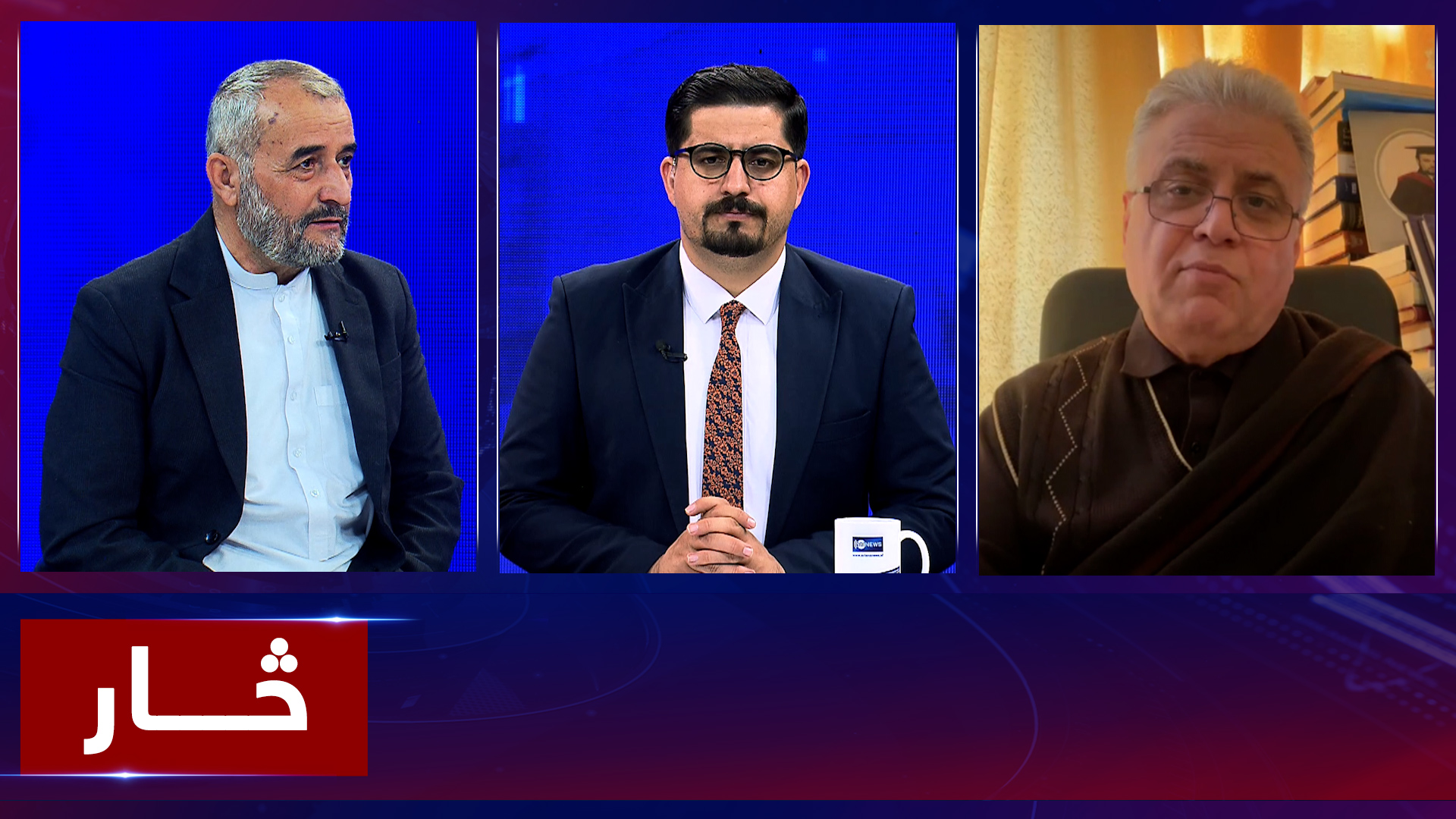
Saar: Obama’s remarks on Iran war
-
 Latest News3 days ago
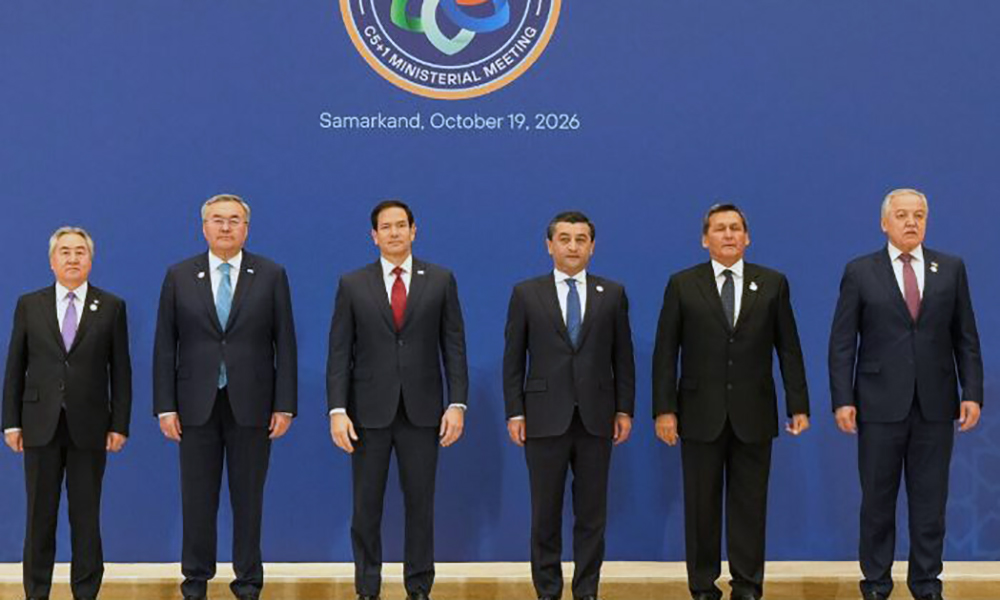
US Central Asia strategy faces challenges linked to Afghanistan’s political and security situation
-
 Business4 days ago
Pakistan exporters suffer billions in losses as Afghanistan trade halt continues
-
 Sport3 days ago
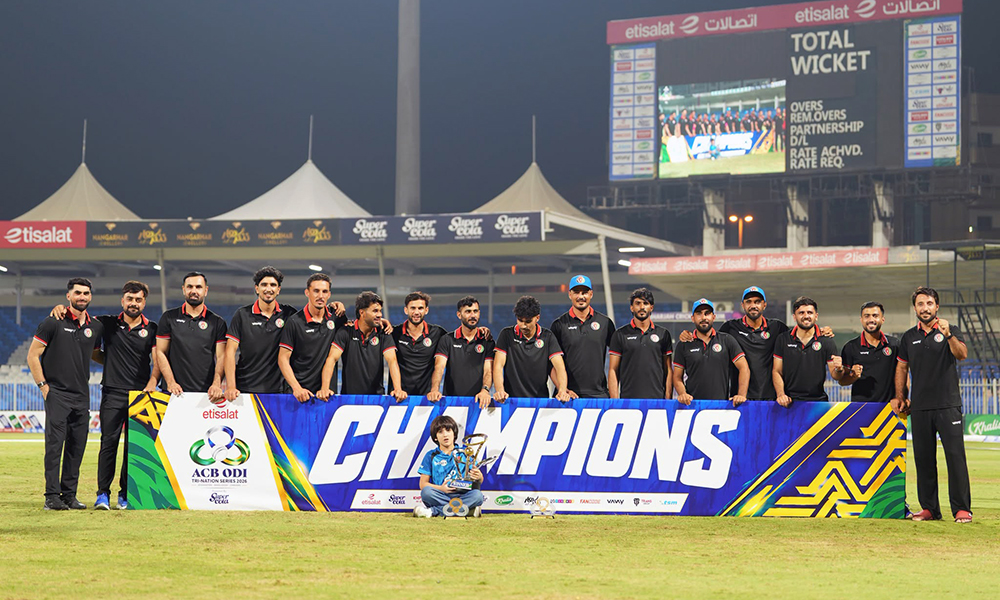
Afghanistan defeat Zimbabwe to win Tri-Series ahead of 2027 Cricket World Cup
-

 Business4 days ago
IMF forecasts 1.3 percent regional economic contraction in 2026
-
 Business3 days ago
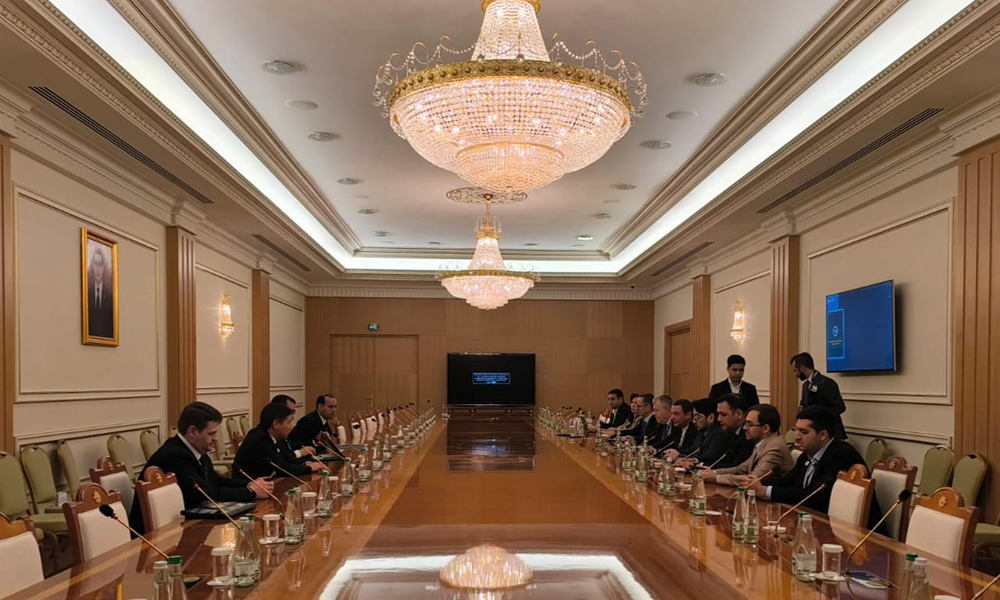
Turkmenistan targets 80 billion cubic meters of gas production in 2026
-
 Latest News4 days ago
Khalilzad warns of worsening relations between Afghanistan and Pakistan
-
 Sport2 days ago
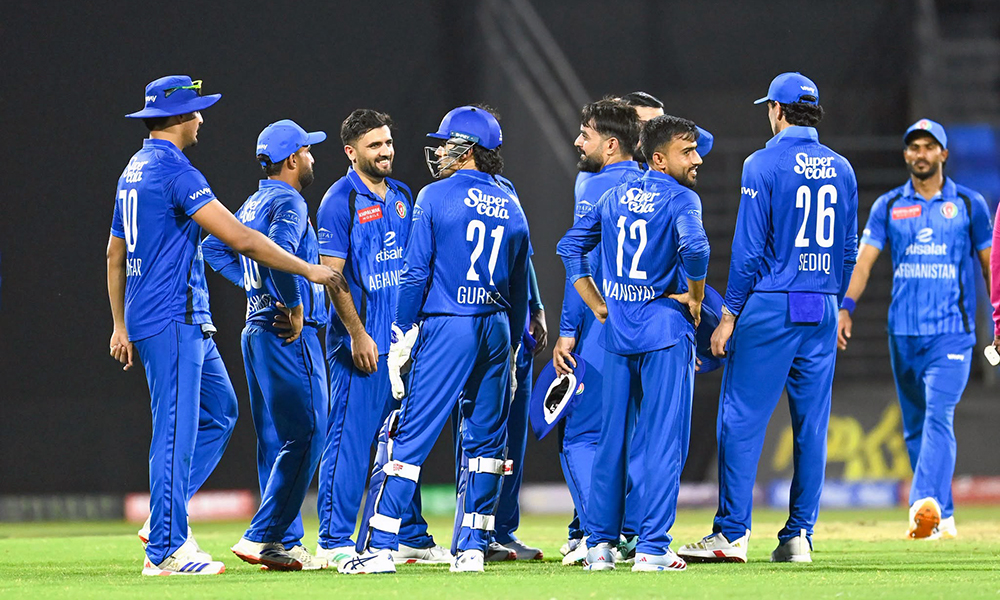
Afghanistan rise above England to match their highest-ever ODI ranking
-
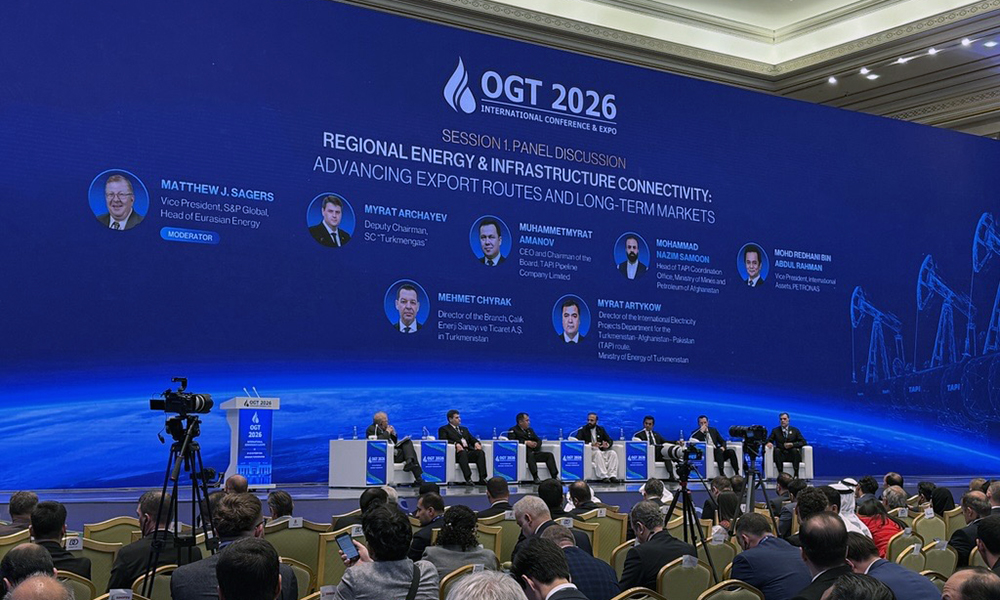 Latest News4 days ago
Turkmenistan says Kerki–Kabul power line could supply up to 800 MW to Afghanistan