
Latest News
Iran defends deportation of Afghan refugees

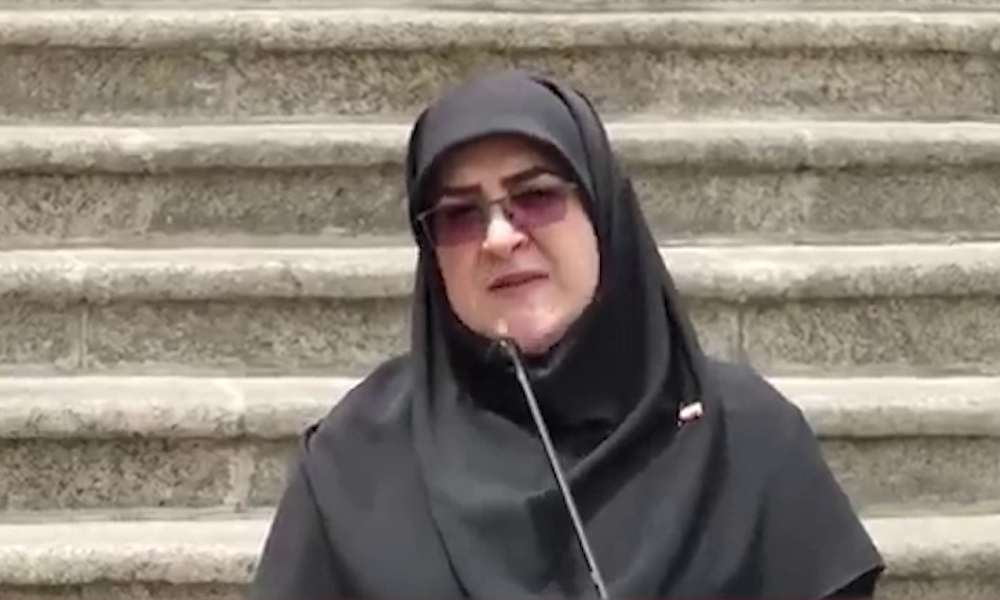
Fatemeh Mohajerani, spokesperson for the Iranian government, said this week that the ongoing mass deportation of Afghan refugees from Iran is being carried out in accordance with the “will of the Iranian people.”
Addressing a news conference in Tehran, she stated that the issue has been extensively discussed at the highest levels of government and that authorities believe the expulsion of Afghan nationals serves Iran’s national interests — particularly its economy.
“The issue of expelling nationals [Afghan migrants] is the will of the Iranian people,” Mohajerani said, reiterating that public pressure has played a central role in shaping Tehran’s current migration policy.
Her comments come amid mounting criticism from humanitarian agencies and Afghan officials over the mistreatment of deportees and the humanitarian toll of the expulsions. So far, Iranian authorities have expelled nearly one million Afghans in recent months, many of whom report harassment and abuse at the hands of Iranian security forces.
“Even a valid passport holds no weight anymore,” said one Afghan returnee, describing deteriorating conditions for migrants inside Iran. “The suffering and hardship they impose is beyond imagination.”
Another deported migrant said: “Things have gotten so bad that they don’t even allow you to bring your own money back home to Afghanistan.”
Iran has hosted millions of Afghan refugees for decades, with their numbers spiking after the fall of the Western-backed government in Kabul in August 2021. However, growing economic challenges, rising unemployment, and tightening sanctions have fueled public resentment toward migrants — particularly Afghans — across Iran.
Iran is not alone in its approach. Pakistan has also launched large-scale deportations of Afghan nationals, with officials citing national security concerns. Analysts say both countries may be using the refugee population as leverage in broader geopolitical negotiations with the Taliban-led Islamic Emirate of Afghanistan.
Some observers warn that mass expulsions — particularly those carried out abruptly and without coordination — could further strain regional ties. Experts suggest that any repatriation process should be phased, humane, and coordinated with Afghan authorities to avoid stoking resentment and long-term diplomatic fallout.


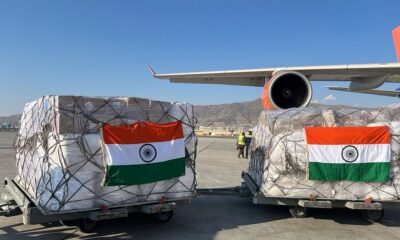



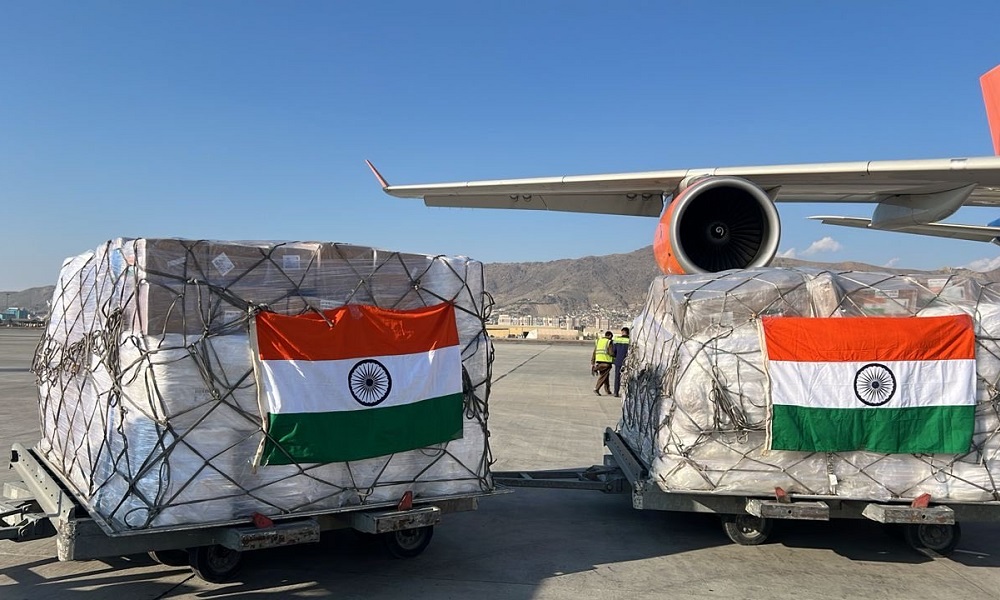
Randhir Jaiswal, spokesperson for India’s Ministry of External Affairs, announced on Friday that a 2.5-ton consignment, including emergency medicines, medical disposables, kits, and equipment has been delivered to Kabul.
According to him, the aid shipment is intended to support the swift recovery of those injured in the recent airstrike by Pakistan’s military regime.
He emphasized that India stands with the people of Afghanistan and will continue to provide all possible humanitarian assistance.
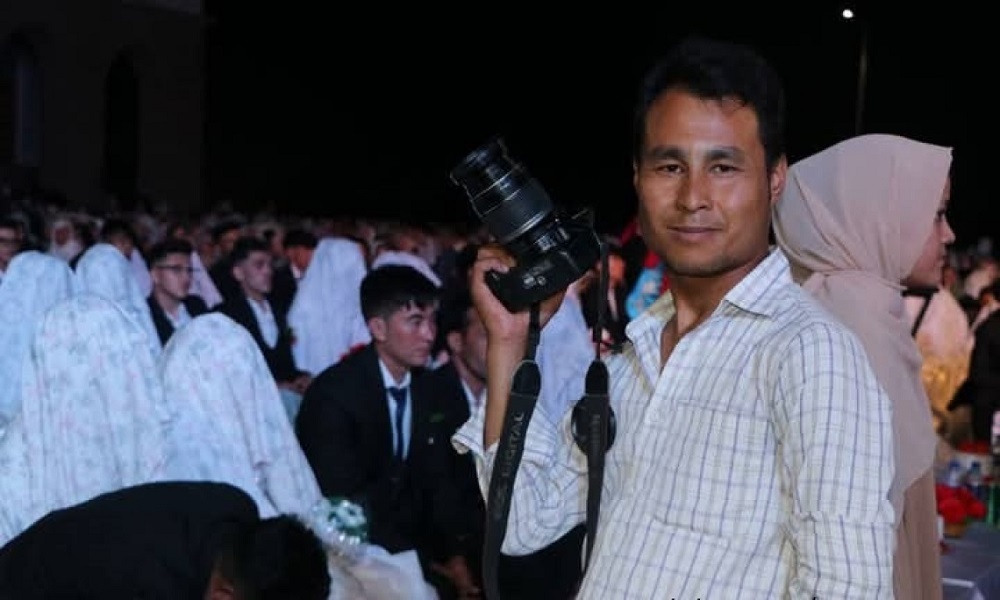
The Afghanistan Journalists Center (AFJC) has announced that Mahdi Ansary, a reporter for the Afghan News Agency (AFKA), has been released after serving one and a half years in Bagram prison.
In a statement welcoming his release, AFJC emphasized that the fundamental rights of this journalist—who had been tried and imprisoned on charges of cooperating with exiled and foreign media—were “seriously” violated.
Ansari was arrested on October 5, 2023, after returning from his workplace in Kabul.
He was sentenced on January 1, 2024 by the Kabul Primary Court to one and a half years in prison on charges of “propaganda against the Islamic Emirate.”
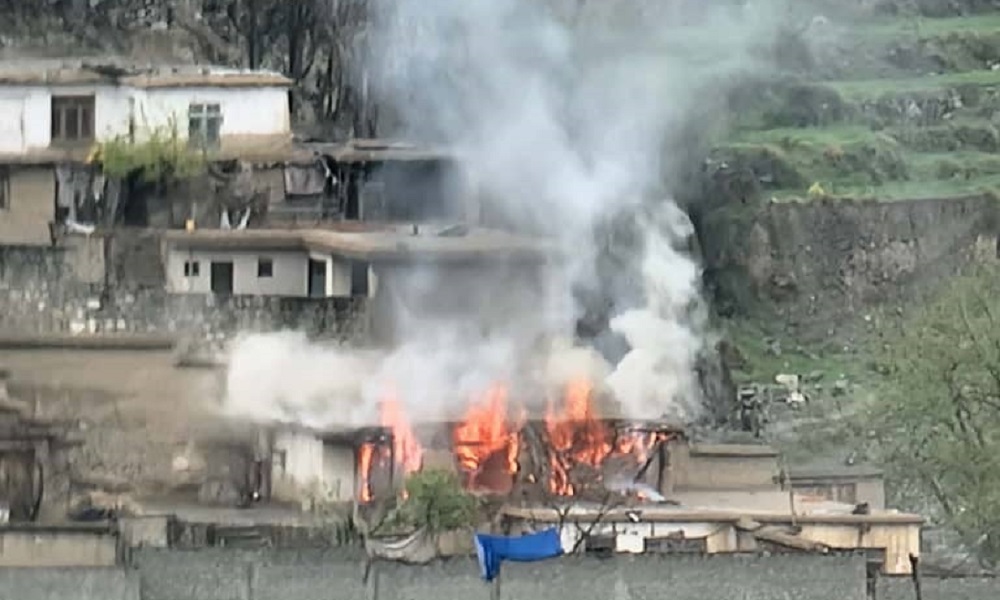
Farid Dehqan, spokesperson for the Khas Kunar police command, said that rocket attacks by the Pakistani military regime are still ongoing in the province.
These attacks come despite earlier announcements by the Pakistani military of a temporary ceasefire for Eid.


Tawsia: Assessment of Afghanistan’s economic activities in 1404

India sends 2.5-ton medical shipment to Afghanistan

Trump compares Iran strikes to Pearl Harbor in meeting with Japan’s leader

Afghanistan national buzkashi falls short in Kokpar World Championship semifinals

Mahdi Ansary, local journalist, released from prison

Pakistani military jet downed in Afghanistan’s Jalalabad, pilot captured alive

Afghan Air Force conducts airstrikes in Islamabad, other cities

Afghanistan welcomes investment and technology partnerships with India

Prominent Muslim scholar issues fatwa calling for Afghanistan-Pakistan ceasefire

Afghan air force strikes key Pakistani military installations in retaliatory operation
Tawsia: Assessment of Afghanistan’s economic activities in 1404

Tahawol: Temporary ceasefire draws broad support

Saar: Emphasis on resolving conflicts through diplomacy

Tahawol: Global reactions to Pakistan’s recent attacks discussed

Saar: Consequences of Pakistani airstrikes on Afghans discussed
-
 Latest News5 days ago
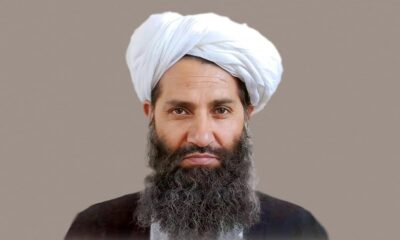
IEA Supreme Leader issues Eid-ul-Fitr message urging unity and support for Islamic system
-

 Business5 days ago
Turkmenistan, Afghanistan discuss steps to speed up land acquisition for TAPI pipeline
-
 Latest News2 days ago
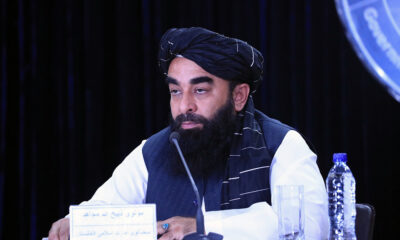
IEA announces temporary pause in defensive operations against Pakistan for Eid
-
 Latest News3 days ago
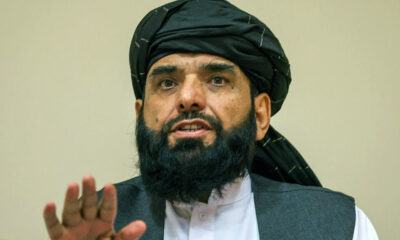
Pakistan opposes normal Afghanistan–India relations: Shaheen
-
 Sport3 days ago
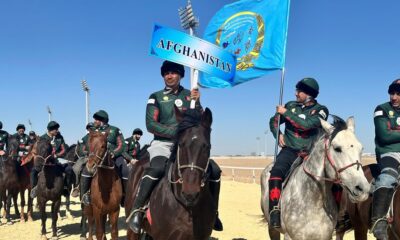
Afghanistan national buzkashi team defeats Hungary 14–0
-

 Latest News5 days ago
CAIR-Texas calls for probe after Afghan refugee dies in ICE custody
-
 Latest News4 days ago
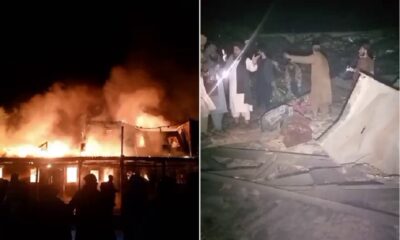
IEA condemns alleged airstrike by Pakistan on drug treatment hospital in Kabul
-
 Latest News4 days ago
Afghanistan warns Pakistan of ‘teeth-breaking’ response after deadly Kabul bombing