
Latest News
Pakistan to begin deportation of Afghan PoR card holders from September 1
Human rights observers and refugee advocates have raised concerns regarding the legality and humanitarian impact of the campaign.

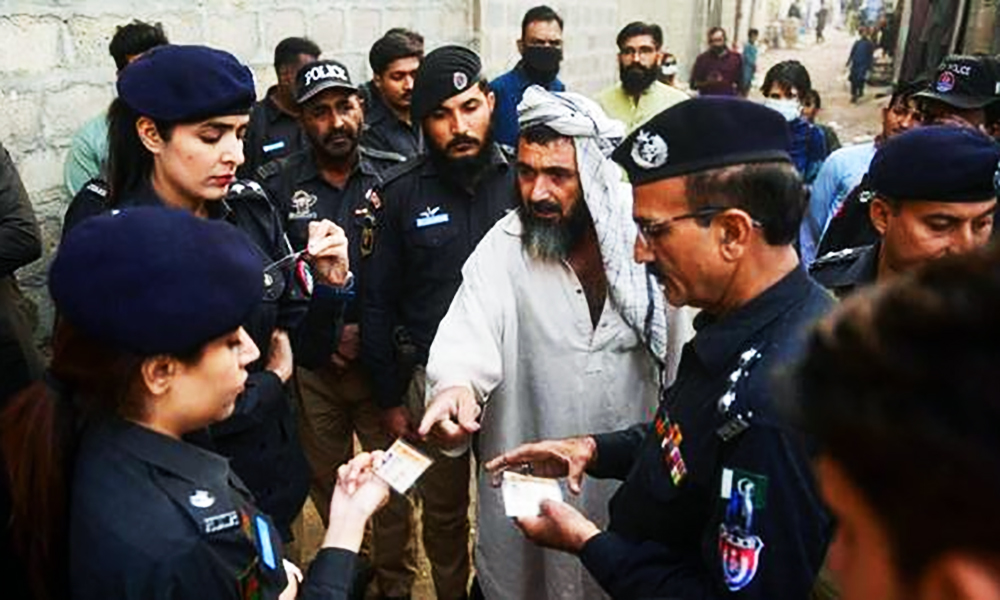
Pakistan’s Interior Ministry has formally initiated the next phase of its Illegal Foreigners Repatriation Plan (IFRP), announcing that Afghan nationals with expired Proof of Registration (PoR) cards need to leave the country starting September 1.
According to Pakistani media, the decision was finalized during a high-level government meeting on Tuesday. A ministry notification confirmed that all registered PoR cardholders—whose documentation expired on June 30, 2025—must now prepare for repatriation starting next month.
Since the deportation program began in November 2023, Pakistani authorities have forcibly returned more than 1.1 million individuals, including both undocumented migrants and Afghan Citizen Card (ACC) holders.
Since April 2025 alone, over 216,000 individuals have been deported.
PoR cardholders—formally registered refugees documented by UNHCR—have until now remained exempt. As of June 30, 2025, UNHCR reported 1.3 million Afghan refugees in Pakistan, the majority holding PoR cards, alongside approximately 800,000 ACC holders, many of whom also face forcible return starting next month.
Afghan refugees have been residing in Pakistan for decades—many since the Soviet invasion of the 1980s and Islamic Emirate takeover periods. While UNHCR counts a refugee population around 2.8 million, Pakistan’s own figures have fluctuated, with estimates reaching 4 million including undocumented residents.
Human rights observers and refugee advocates have raised concerns regarding the legality and humanitarian impact of the campaign.
Amnesty International described the IFRP as “opaque” and criticized mass relocations from cities like Islamabad and Rawalpindi, highlighting forced evictions that uproot communities established over decades. UN agencies have also flagged the risk of non‑refoulement violations due to hasty deportations.
The Afghan embassy in Islamabad, as well as the Islamic Emirate’s Ministry of Refugees and Repatriation in Kabul, have issued strong protests. Over 184,000 deportations have already occurred from Pakistan in 2025, part of nearly 1.8 million returns from Iran, Pakistan, and Turkey this year alone, an unprecedented scale that has alarmed relief agencies.
In April, acting Foreign Minister Amir Khan Muttaqi personally urged Pakistani authorities to uphold the rights of returning Afghans and allow them to repatriate proceeds from property or businesses left behind in Pakistan.
Despite these challenges, Pakistan maintains that the repatriations comply with domestic law and international principles. The Foreign Office has emphasized that its actions apply to all undocumented foreigners, not solely Afghans, and reaffirmed its longstanding role in hosting refugees while urging greater international support for solutions.
Critics argue, however, that the government’s approach risks destabilizing the region. The scale and speed of returns could exacerbate poverty and social unrest within Afghanistan. Yet authorities continue to assert the process is being carried out with dignity, including providing food, healthcare, and housing assistance during returns.
The newest phase—starting September 1—will target PoR cardholders who previously believed their status would be protected. Their sudden loss of legal residency has generated widespread anxiety across Afghan refugee communities.
UNHCR and human rights groups meanwhile continue to call on Pakistan to allow a voluntary, phased return process that safeguards vulnerable groups and upholds Afghanistan’s fragile stability.






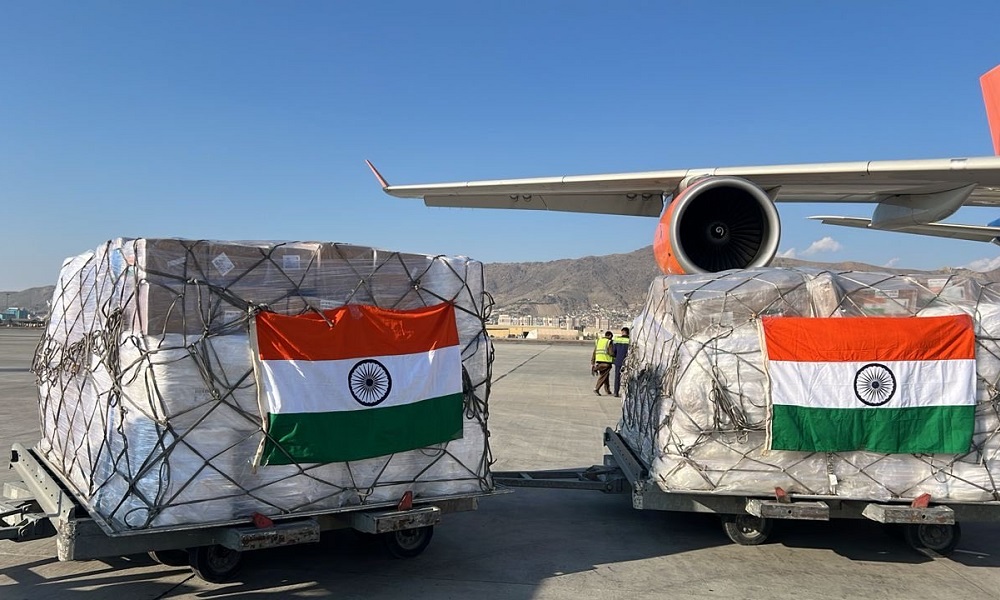
Randhir Jaiswal, spokesperson for India’s Ministry of External Affairs, announced on Friday that a 2.5-ton consignment, including emergency medicines, medical disposables, kits, and equipment has been delivered to Kabul.
According to him, the aid shipment is intended to support the swift recovery of those injured in the recent airstrike by Pakistan’s military regime.
He emphasized that India stands with the people of Afghanistan and will continue to provide all possible humanitarian assistance.
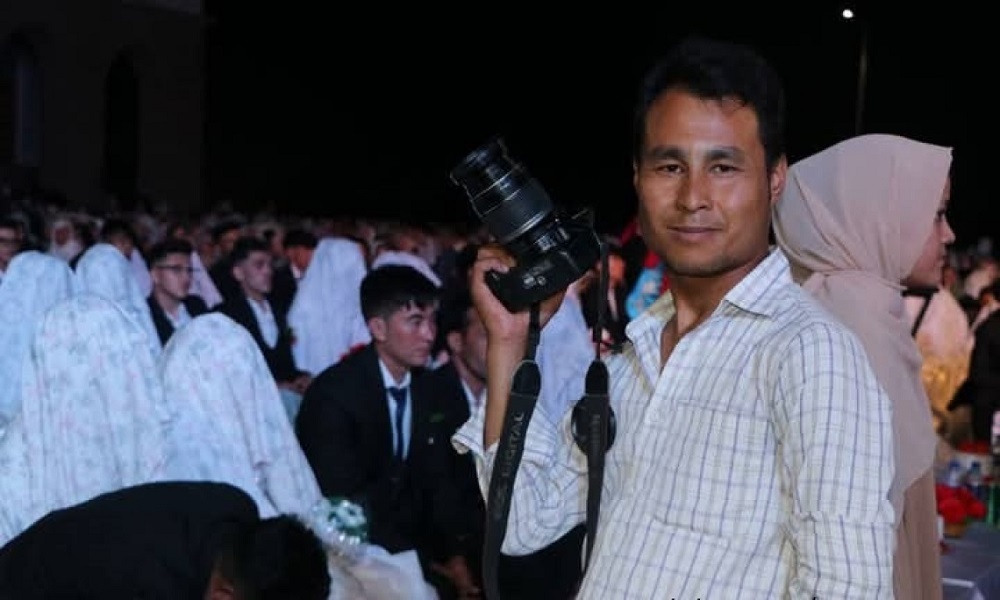
The Afghanistan Journalists Center (AFJC) has announced that Mahdi Ansary, a reporter for the Afghan News Agency (AFKA), has been released after serving one and a half years in Bagram prison.
In a statement welcoming his release, AFJC emphasized that the fundamental rights of this journalist—who had been tried and imprisoned on charges of cooperating with exiled and foreign media—were “seriously” violated.
Ansari was arrested on October 5, 2023, after returning from his workplace in Kabul.
He was sentenced on January 1, 2024 by the Kabul Primary Court to one and a half years in prison on charges of “propaganda against the Islamic Emirate.”
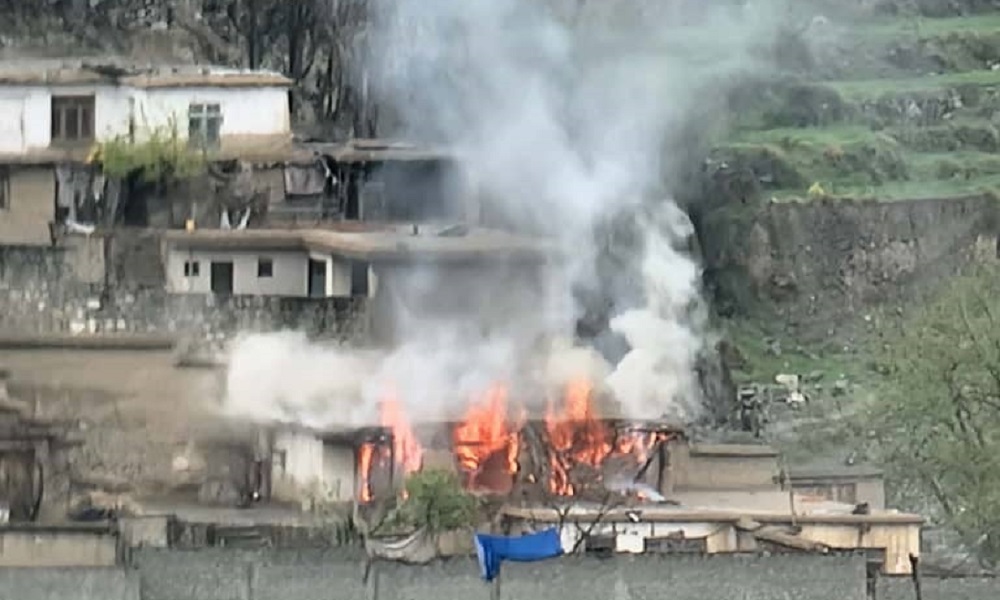
Farid Dehqan, spokesperson for the Khas Kunar police command, said that rocket attacks by the Pakistani military regime are still ongoing in the province.
These attacks come despite earlier announcements by the Pakistani military of a temporary ceasefire for Eid.


Tawsia: Assessment of Afghanistan’s economic activities in 1404

India sends 2.5-ton medical shipment to Afghanistan

Trump compares Iran strikes to Pearl Harbor in meeting with Japan’s leader

Afghanistan national buzkashi falls short in Kokpar World Championship semifinals

Mahdi Ansary, local journalist, released from prison

Pakistani military jet downed in Afghanistan’s Jalalabad, pilot captured alive

Afghan Air Force conducts airstrikes in Islamabad, other cities

Afghanistan welcomes investment and technology partnerships with India

Prominent Muslim scholar issues fatwa calling for Afghanistan-Pakistan ceasefire

Afghan air force strikes key Pakistani military installations in retaliatory operation
Tawsia: Assessment of Afghanistan’s economic activities in 1404

Tahawol: Temporary ceasefire draws broad support

Saar: Emphasis on resolving conflicts through diplomacy

Tahawol: Global reactions to Pakistan’s recent attacks discussed

Saar: Consequences of Pakistani airstrikes on Afghans discussed
-
 Latest News4 days ago
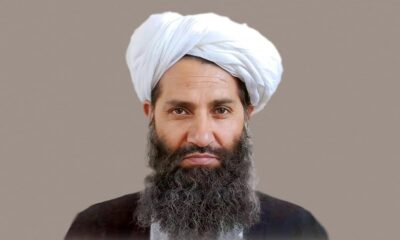
IEA Supreme Leader issues Eid-ul-Fitr message urging unity and support for Islamic system
-

 Business4 days ago
Turkmenistan, Afghanistan discuss steps to speed up land acquisition for TAPI pipeline
-
 Latest News2 days ago
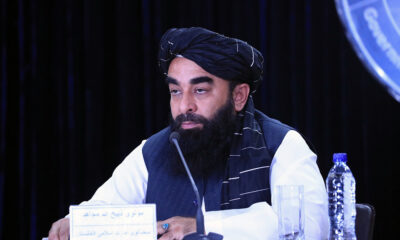
IEA announces temporary pause in defensive operations against Pakistan for Eid
-

 Latest News3 days ago
Pakistan opposes normal Afghanistan–India relations: Shaheen
-
 Sport3 days ago
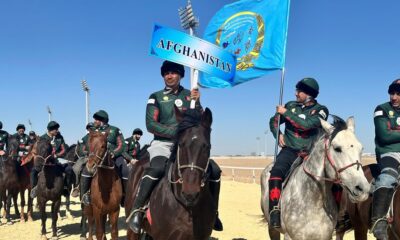
Afghanistan national buzkashi team defeats Hungary 14–0
-

 Latest News5 days ago
CAIR-Texas calls for probe after Afghan refugee dies in ICE custody
-

 Latest News4 days ago
IEA condemns alleged airstrike by Pakistan on drug treatment hospital in Kabul
-
 Latest News4 days ago
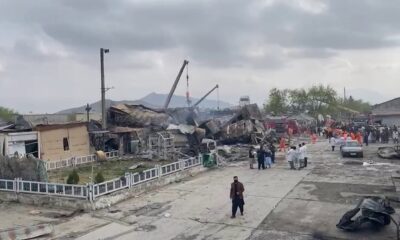
Afghanistan warns Pakistan of ‘teeth-breaking’ response after deadly Kabul bombing