
Latest News
UN: four in five Kabul residents live in informal settlements
In a message shared on Sunday, December 28, UN-Habitat stated that Kabul is home to 40 percent of Afghanistan’s total urban population, underscoring the city’s rapid and unplanned urban growth.


The United Nations Human Settlements Programme in Afghanistan (UN-Habitat) has reported that four out of every five residents of Kabul are living in informal settlements.
In a message shared on Sunday, December 28, UN-Habitat stated that Kabul is home to 40 percent of Afghanistan’s total urban population, underscoring the city’s rapid and unplanned urban growth.
According to the programme, residents of informal settlements face greater exposure to the impacts of climate change, including environmental risks and limited access to basic services.
UN-Habitat emphasized that these figures highlight the urgent need for immediate action on urban climate challenges, sustainable planning, and improved living conditions in Kabul.




Latest News
Afghanistan signs AFN 1 billion water supply deal to benefit 50,000 Kabul families
The initiative aims to strengthen water supply infrastructure in the 17th district and improve residents’ access to drinking water.
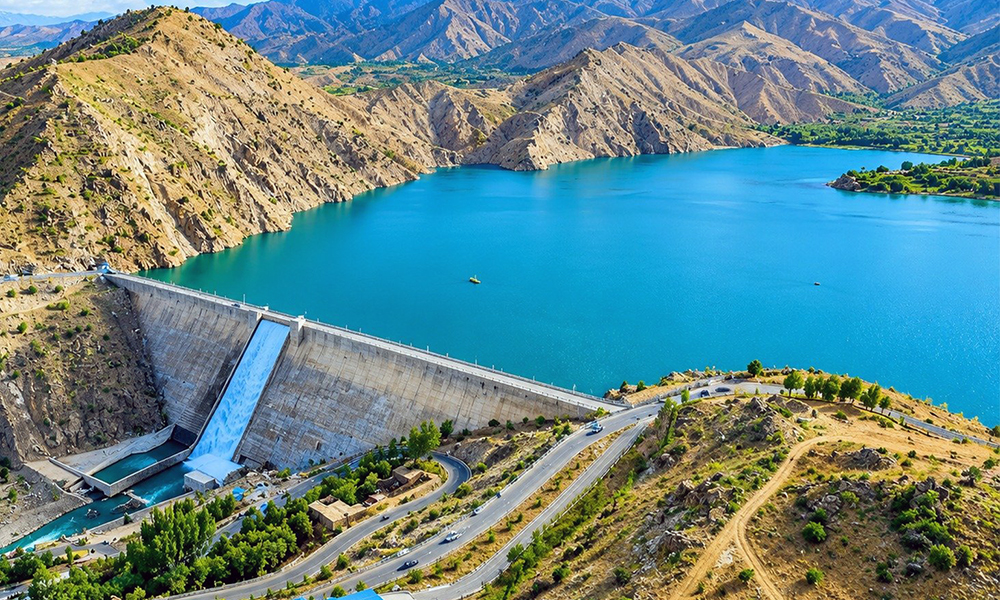
Afghanistan’s state-owned Urban Water Supply and Sewerage Corporation has signed a AFN 1 billion contract with private company Paktia Mawoj to develop a water supply project expected to benefit around 50,000 families in Kabul’s 17th Police District.
Mohammad Nabi Bahar, spokesperson for the General Directorate of State-Owned Companies, said the project will combine surface water from the Shah wa Arus Dam with supplies from five deep wells.
The system is designed to provide a total of 200 litres of water per second, comprising 100 litres per second from the dam and another 100 litres per second from the wells.
Bahar said the project is expected to be completed and handed over for public use within three years.
The initiative aims to strengthen water supply infrastructure in the 17th district and improve residents’ access to drinking water.
With an estimated investment of AFN 1 billion, the project represents a major planned infrastructure development for the Afghan capital.
Latest News
UNDP launches second phase of economic recovery programme in five Afghan provinces
UNDP said REVIVE II builds on the achievements of the programme’s initial phase, with the new stage intended to extend support and improve economic conditions for vulnerable communities.
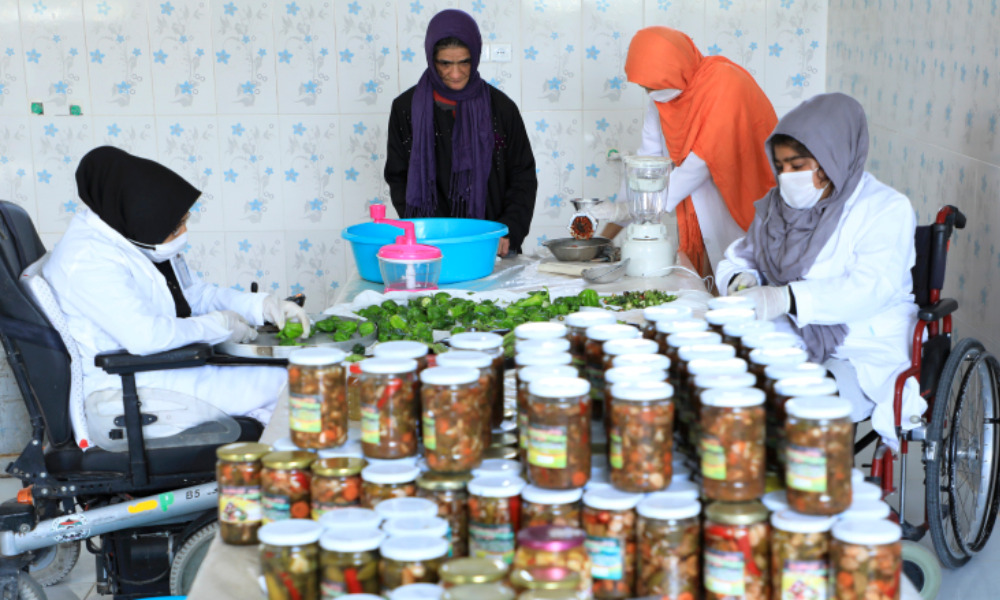
The United Nations Development Programme (UNDP) has launched the second phase of an economic recovery initiative aimed at strengthening livelihoods, restoring community infrastructure and supporting vulnerable communities across five Afghan provinces.
In an announcement on Monday, October 26, UNDP said the second phase of its Reviving Economic Activities and Improving Vulnerable Environments (REVIVE II) programme would expand recovery and reconstruction efforts, with financial support from the Republic of Korea.
The programme will cover Kabul, Paktia, Ghazni, Nangarhar and Kunar provinces, focusing on restoring social infrastructure, revitalising local economic activities and improving communities’ ability to withstand economic shocks.
UNDP said REVIVE II builds on the achievements of the programme’s initial phase, with the new stage intended to extend support and improve economic conditions for vulnerable communities.
However, the agency did not disclose the programme’s total budget, implementation timeline or the number of people expected to benefit.
The initiative comes as Afghanistan continues to face significant challenges in economic recovery and the creation of sustainable livelihood opportunities, particularly for vulnerable communities seeking to rebuild their livelihoods and strengthen their resilience.
Latest News
Afghanistan opium ban shifts cultivation to Pakistan and Iran, experts warn
Pakistan’s southwestern Balochistan province appears to have become a key centre of opium cultivation in the border region, despite Islamabad’s denials of widespread production.
Afghanistan’s ban on opium cultivation has triggered a shift in production towards neighbouring Pakistan and Iran, turning parts of the three countries’ borderlands into a growing centre for the illicit drug trade, according to experts.
Opium production in Afghanistan has fallen sharply since the Islamic Emirate of Afghanistan (IEA) imposed a sweeping ban on poppy cultivation in 2022. However, cultivation has not been eliminated, while satellite imagery and interviews with farmers suggest production is expanding across Pakistan’s Balochistan province and Iran’s Sistan-Baluchistan region.
David Mansfield, a UK-based expert on Afghanistan’s illicit drug industry, told RFE/RL the combination of the ban and growing instability along the shared borders had created conditions for widespread poppy cultivation in Pakistan and Iran.
He warned that production could rise further in 2027, potentially increasing international heroin supplies, generating revenue for armed groups and intensifying regional violence.
Pakistan emerges as a major cultivation hub
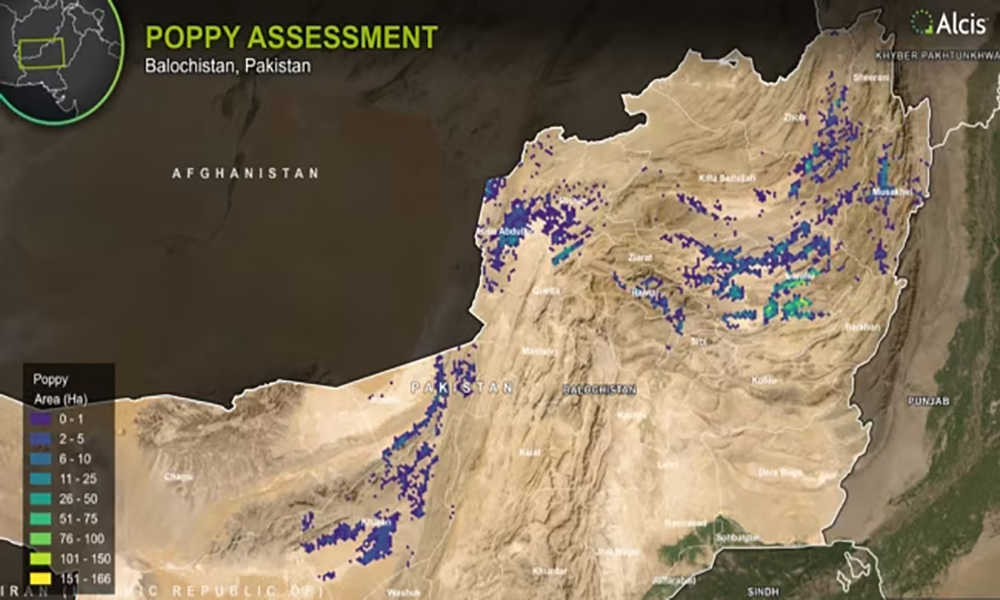
Pakistan’s southwestern Balochistan province appears to have become a key centre of opium cultivation in the border region, despite Islamabad’s denials of widespread production.
Satellite analysis by British firm Alcis identified more than 9,000 hectares of poppy cultivation in Balochistan, with much of it concentrated in the districts of Loralai and Killa Abdullah.
The findings contrast with estimates from the United Nations Office on Drugs and Crime, which has described opium production in Pakistan as marginal. The agency acknowledged, however, that limited data from countries surrounding Afghanistan makes it difficult to establish the full extent of cultivation.
Local farmers told Radio Free Europe/Radio Liberty that poppy farming had expanded as drought, insecurity and declining returns from conventional crops undermined agricultural livelihoods.
The shift has also been encouraged by Afghan farmers who have crossed the border to lease land and work with local growers. Farmers from Afghanistan’s Kandahar and Helmand provinces are reportedly bringing their experience and investment into the region.
Some growers have invested in solar-powered wells, while poppies offer more lucrative returns than traditional crops and can be harvested twice a year.
Mansfield said some farmers had doubled the land devoted to poppy cultivation in 2026, raising concerns about a further expansion next year.
Poppy cultivation spreads across Iran
A similar trend is emerging in Iran, where Afghan farmers are reportedly working as tenants and sharecroppers, drawing on family and community connections across the border.
Cultivation has been reported in several Iranian provinces, including Razavi Khorasan, Kermanshah, Lorestan and Fars. Sistan-Baluchistan, one of the country’s poorest provinces, appears to remain the main production centre.
Satellite imagery from 2026 indicates extensive poppy fields in parts of the province, with some farms using drip irrigation — an investment that may suggest growers expect a relatively low risk of eradication, RFE/RL reported.
According to Mansfield, cultivation is increasingly shifting from mixed farming to large-scale production in which entire plots are devoted to poppies.
Iran’s authorities have also been grappling with wider security and political pressures, while separatist and militant activity has intensified in Sistan-Baluchistan. Experts warn that the combination of economic hardship, insecurity and limited enforcement could encourage further expansion in 2027.
Opium cultivation persists in Afghanistan
RFE/RL meanwhile also reported that despite the ban, poppy cultivation is also showing signs of a resurgence inside Afghanistan.
Production remains concentrated in Badakhshan province in the northeast, which is estimated to account for around half of the country’s opium output, alongside several southwestern provinces.
Drought, mounting debt and economic hardship have pushed some farmers to defy the restrictions, while enforcement campaigns have triggered protests in affected communities.
Mansfield said cultivation remained widespread across both rain-fed and irrigated land in Badakhshan in 2026. In southwestern Afghanistan, cultivation almost doubled between 2025 and 2026, although it remained concentrated in remote areas and was sometimes concealed within wheat fields or behind household walls.
Authorities have also issued a directive prohibiting searches of homes for poppy or opium without a court order, a measure that experts view as a possible concession amid the risk of further unrest.
Mansfield warned that farmers could interpret the restriction as a sign that cultivation would be tolerated in areas beyond the reach of enforcement.
The developments point to a shifting regional drug economy, with production moving across borders rather than disappearing. Experts say the expansion of opium cultivation in Afghanistan, Pakistan and Iran could strengthen illicit networks, provide funding for armed groups and worsen insecurity across an already volatile region.

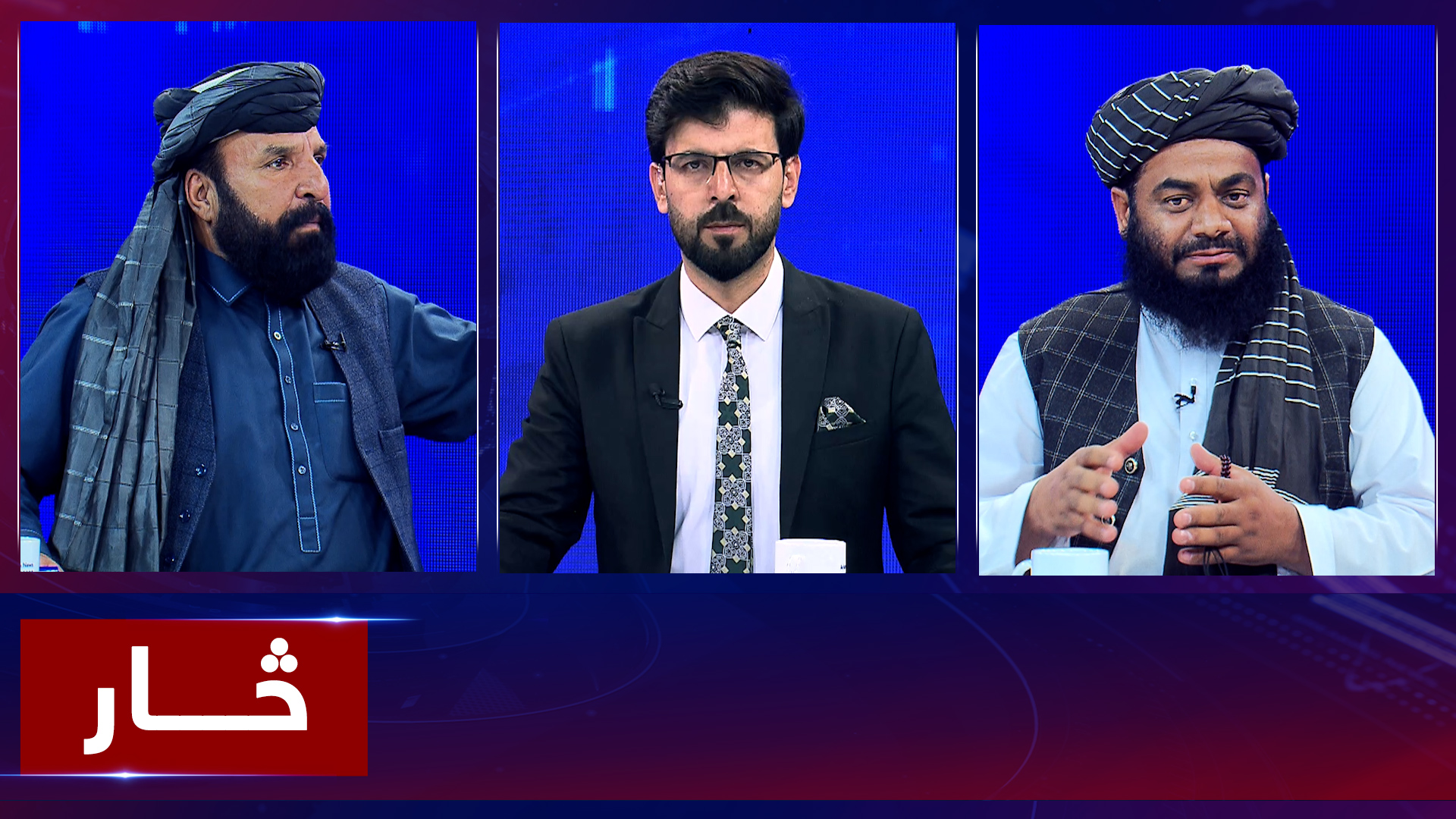
Saar: Pakistan threatening strikes on Afghanistan
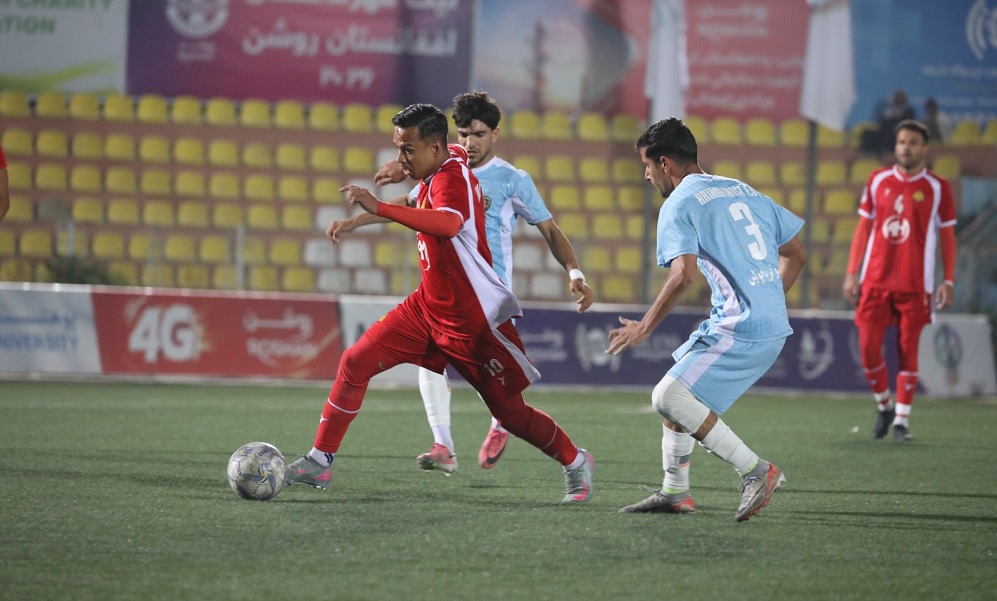
Abu Muslim Farah 1-0 Ariana Khost in ACL

Arman FC beat Khurasan Faryab 3-1 in Afghanistan Champions League

Iran says outcome of Israeli elections ‘makes no difference’
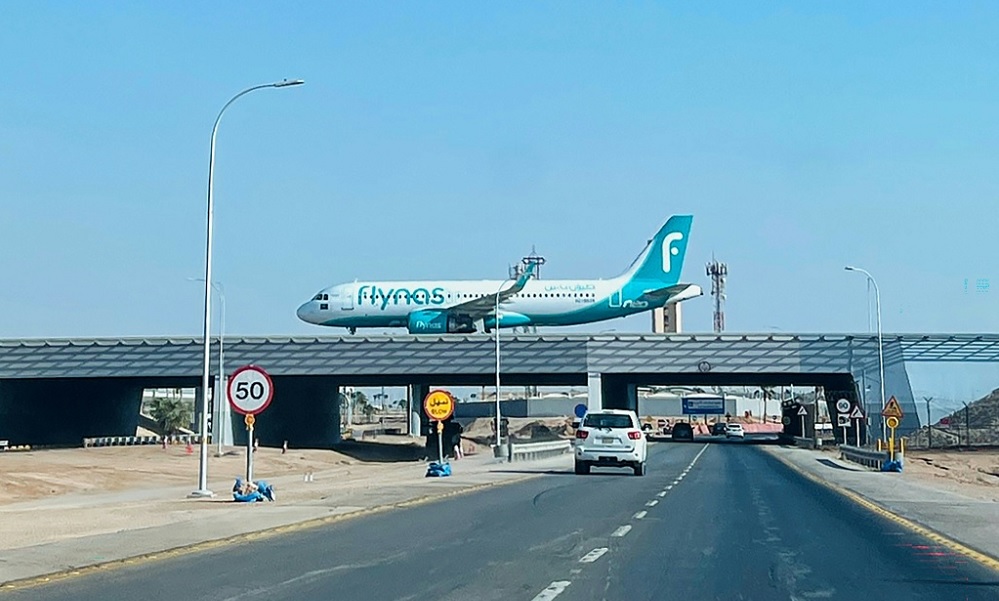
Houthis attack Saudi Arabia before high-stakes talks in Tehran

Cricket Bonanza: Afghanistan set for packed international schedule

Afghanistan on climate front line as Kabul faces groundwater warning

Afghanistan says 28 killed, 32 captured in Nuristan operation

ACB announces Afghanistan squads for Bangladesh, Zimbabwe series

Trump rejects Iranian proposal to open Hormuz and end fighting
Saar: Pakistan threatening strikes on Afghanistan
Iran says outcome of Israeli elections ‘makes no difference’
Houthis attack Saudi Arabia before high-stakes talks in Tehran
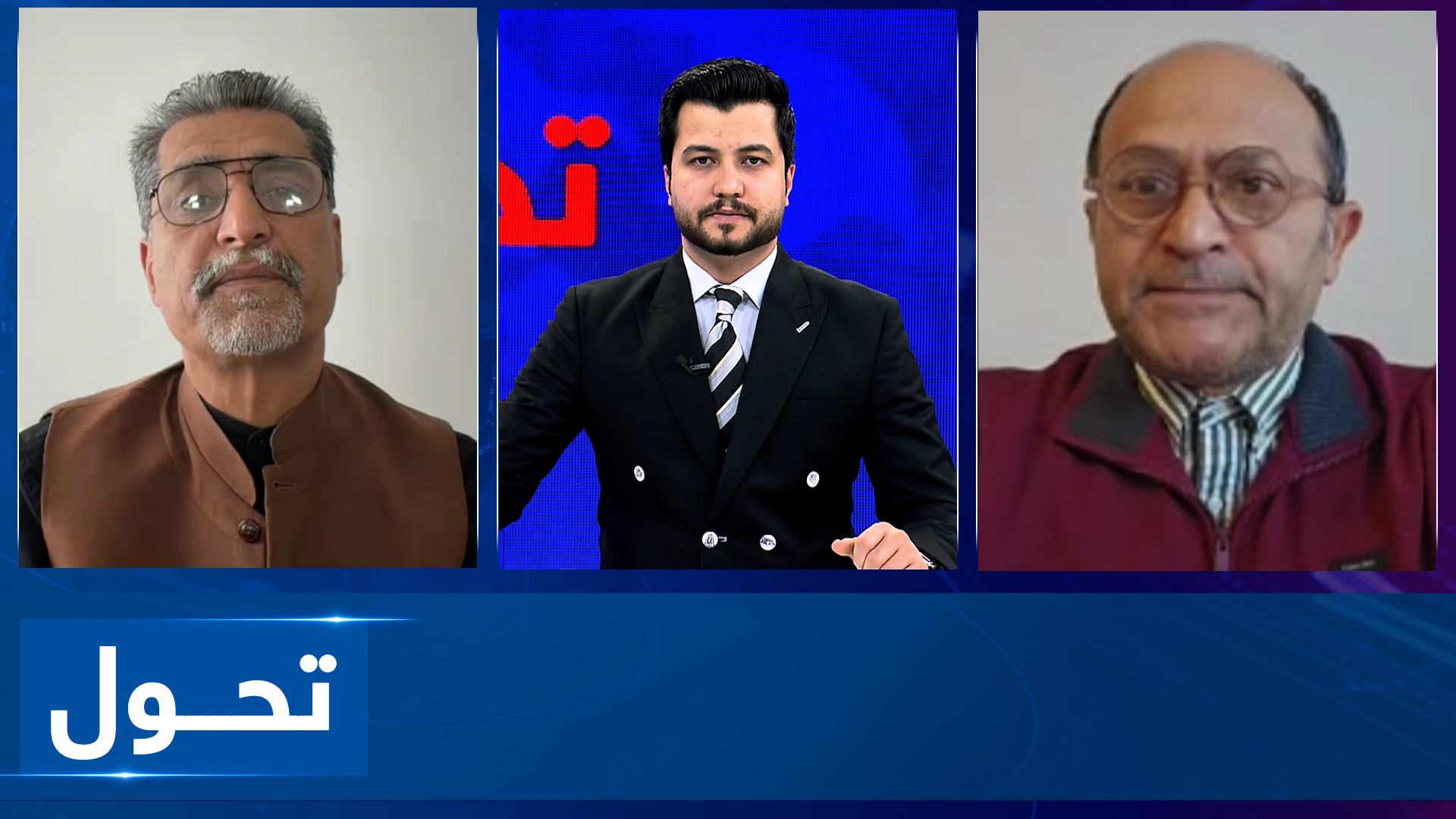
Tahawol: Ukraine war and ongoing peace efforts
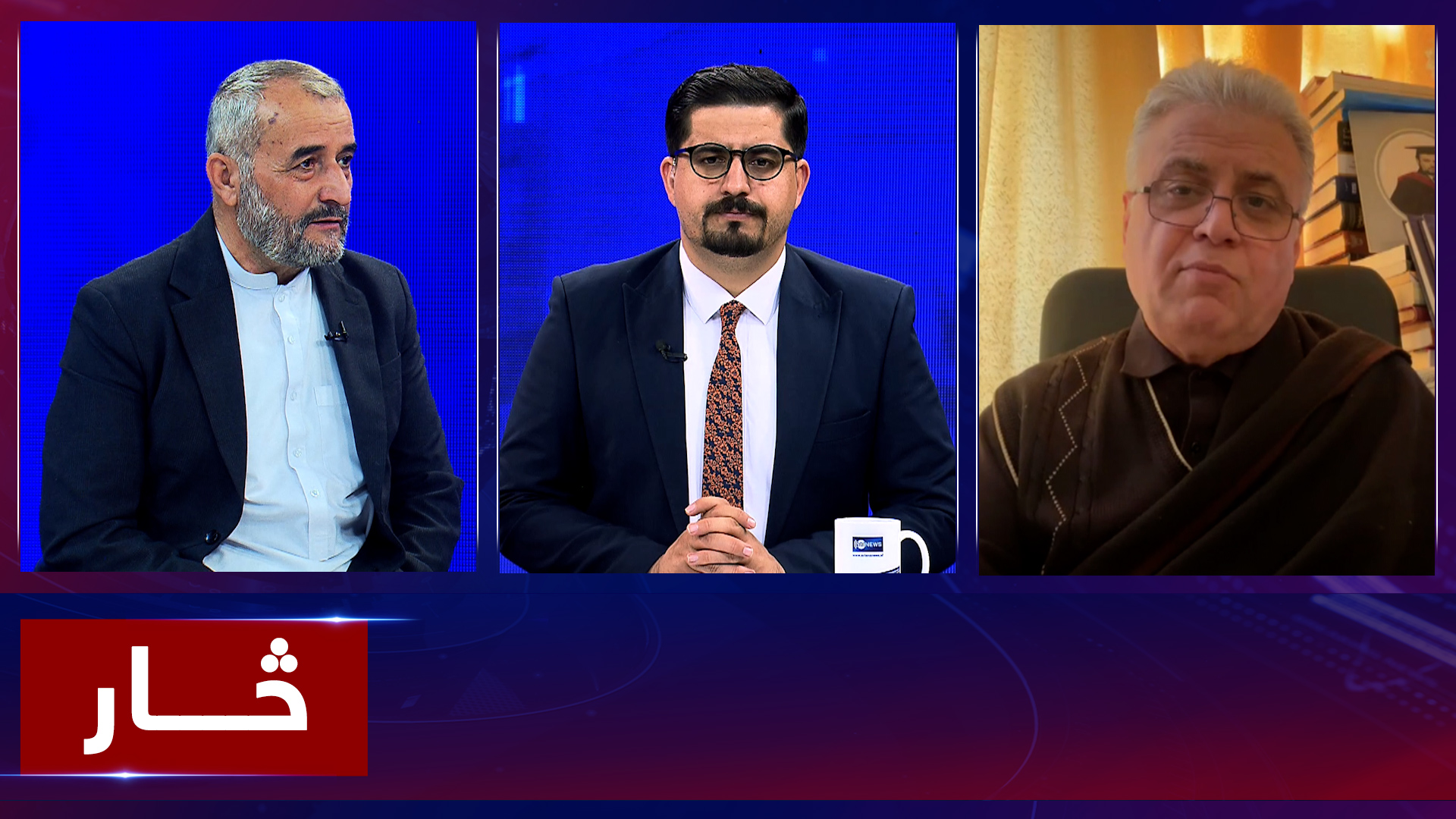
Saar: Obama’s remarks on Iran war
-
 Latest News4 days ago
Afghanistan’s new Wakhan road to China faces major hurdles
-

 Science & Technology4 days ago
Governments take websites offline as critical cyber flaws trigger global alert
-
 Latest News4 days ago
CSTO to supply Tajikistan with weapons to strengthen Afghan border
-
 Latest News4 days ago
Russia to expand security and defence cooperation with Afghanistan
-
 Business4 days ago
Pakistan exporters suffer billions in losses as Afghanistan trade halt continues
-
 Latest News2 days ago
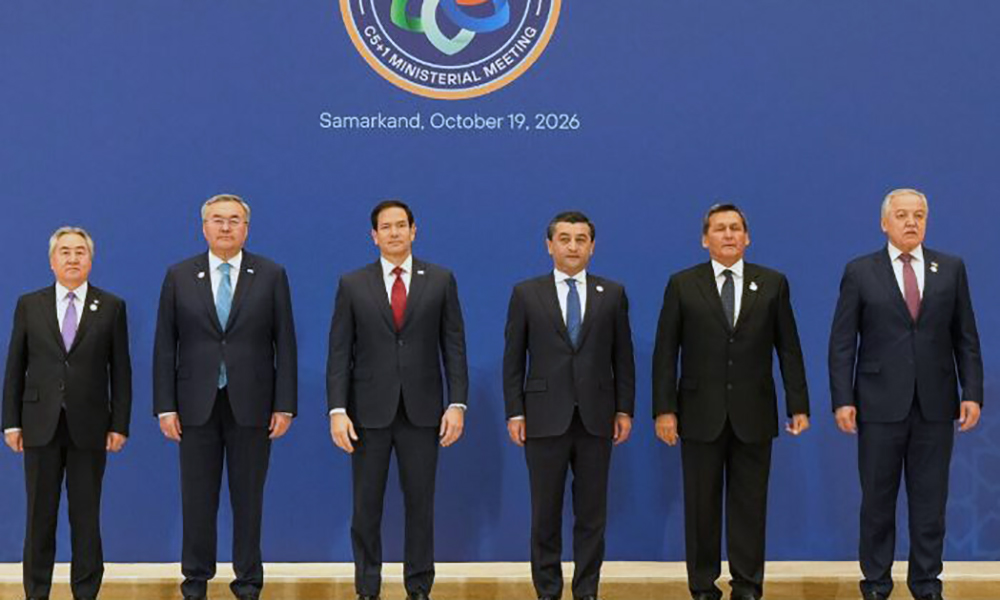
US Central Asia strategy faces challenges linked to Afghanistan’s political and security situation
-

 Business3 days ago
IMF forecasts 1.3 percent regional economic contraction in 2026
-
 Sport3 days ago
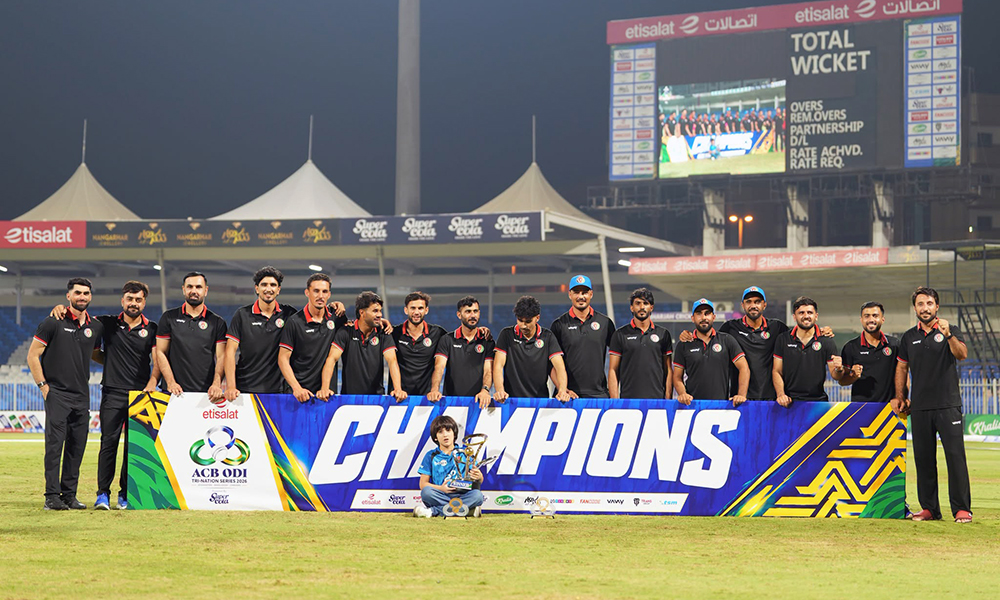
Afghanistan defeat Zimbabwe to win Tri-Series ahead of 2027 Cricket World Cup