
Latest News
UN-led Doha meetings call for greater support for Afghan economy and counternarcotics efforts

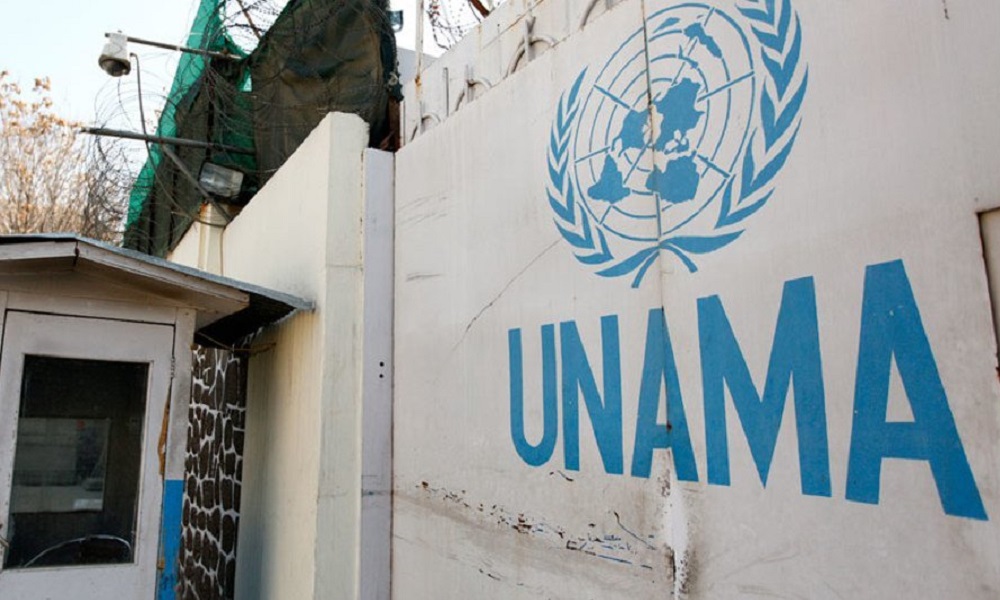
A series of United Nations-facilitated working group meetings on Afghanistan concluded in Doha last week, with renewed calls for enhanced international engagement and practical support for the Afghan people, particularly in the areas of private sector development and counternarcotics.
Organized by the United Nations Assistance Mission in Afghanistan (UNAMA), the meetings on June 30 and July 1 brought together representatives from 26 UN Member States and international organizations, delegates from the Islamic Emirate, and a panel of subject-matter experts.
The gatherings focused on two key areas: boosting Afghanistan’s struggling private sector and tackling the complex challenges posed by drug production, trafficking, and treatment.
“Supporting the private sector and counternarcotics efforts is a strategic, economic, and humanitarian imperative,” said Roza Otunbayeva, Special Representative of the UN Secretary-General and Head of UNAMA.
She added that the meetings also provided a platform to engage IEA on their international obligations and emphasize the essential role of women and girls in the country’s economic recovery and broader society.
The counternarcotics working group explored a joint action plan aimed at creating alternative livelihoods for poppy farmers, alongside strategies for drug prevention and treatment programs. Participants also addressed transnational concerns such as drug trafficking, cross-border coordination, and the need for stronger law enforcement mechanisms.
The private sector working group, developed through prior consultations with Afghan business leaders, emphasized the importance of improving access to finance, enhancing regulatory frameworks, and promoting women-led enterprises.
Discussions centered on job creation, skills development, and practical solutions to strengthen Afghanistan’s economic resilience.

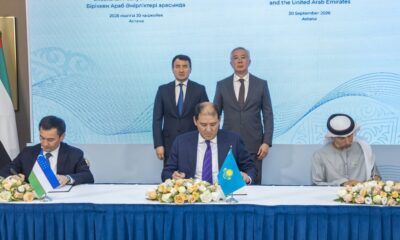


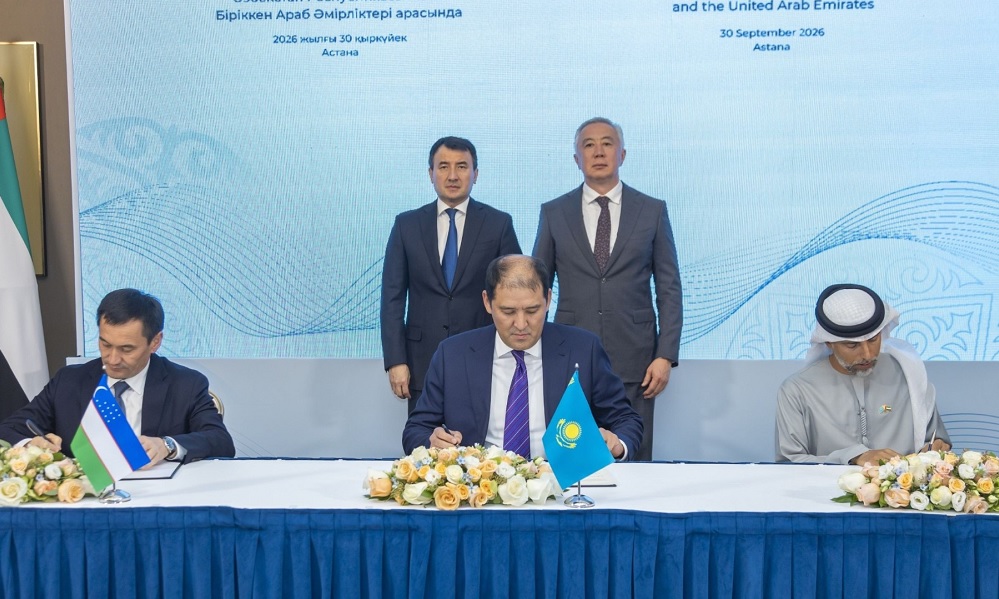
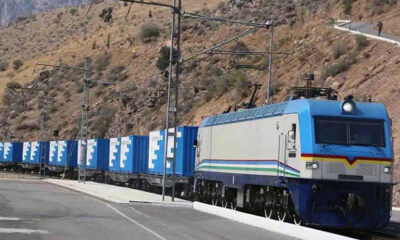
The transport ministries of Kazakhstan and Uzbekistan and the United Arab Emirates’ Ministry of Energy and Infrastructure have signed a memorandum of understanding (MoU) to cooperate on the Kazakhstan-Uzbekistan-Afghanistan-Pakistan (CASA) railway project, according to Kazakhstan’s government.
The project aims to develop a new railway route connecting Central and South Asia and providing access to Pakistan’s seaports, while creating new opportunities for international transport, trade, logistics and investment.
Under the agreement, the three countries will conduct technical and economic studies, analytical assessments and feasibility work on the development of the required railway infrastructure and related facilities.
The parties are also considering establishing a joint working group to address the project’s technical, economic and financial aspects.
Kazakhstan and Uzbekistan have developed railway networks and significant transit potential, while the UAE has international experience in transport infrastructure, logistics and major investment projects, the statement said.
The Kazakh government said combining these capabilities would support further practical work on the CASA project and help determine mechanisms for its implementation.
The Trans-Afghan transport corridor linking Central and South Asia has the potential to carry up to 10 million tonnes of cargo to Pakistan’s ports of Karachi and Gwadar.
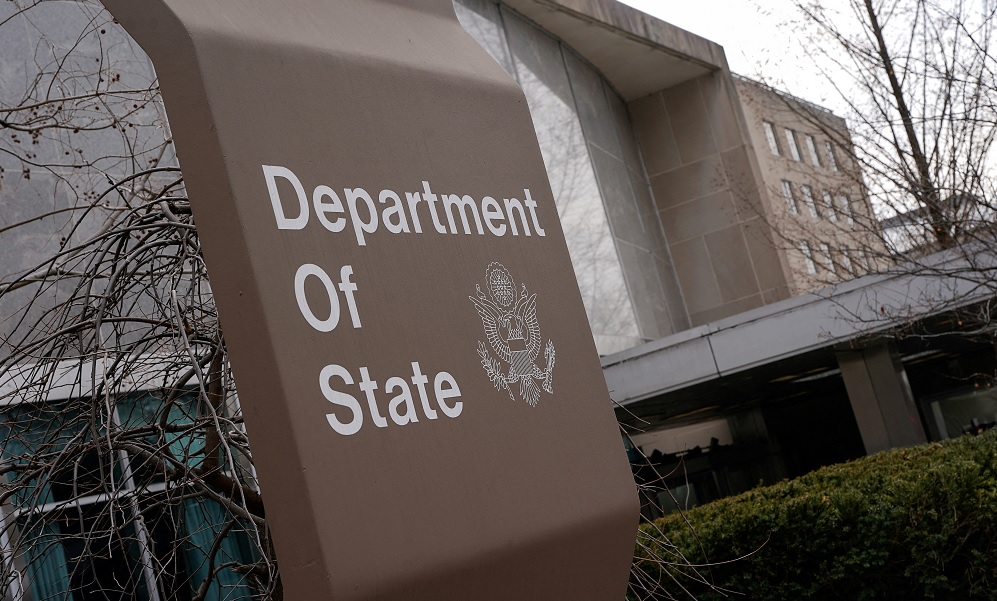
The U.S. State Department has rejected a $25 million funding request from the American University of Afghanistan for the next two years, The New York Times reported on Thursday.
The university has about 980 students, around three-quarters of them women, with about 90 percent based in Afghanistan. All students currently study online.
David Edwards, the university’s interim president, said the funding decision threatens one of the few remaining opportunities for Afghan women to pursue higher education from inside Afghanistan.
“We are the only venue for education for a whole generation of Afghans,” Edwards said.
The State Department said it would stop funding the university at the end of this year, citing what it described as a history of “repeated lack of accountability for millions of American taxpayer dollars.”
The university has been told that, as a condition for remaining open, it must partner with the American University of Central Asia in Kyrgyzstan. Edwards said he would work with the university, although its Kyrgyzstan campus does not offer remote instruction.
The State Department said the U.S. government remained committed to supporting education for Afghan women and girls through remote-learning programs and was working to identify organizations that could administer those programs.
The university faced allegations of financial mismanagement in 2019. Edwards said those issues had been addressed and that its audits have been clean since 2021.
Established in Kabul in 2006, the American University of Afghanistan received more than $225 million from the U.S. Agency for International Development since its founding.
Following the Islamic Emirate takeover in 2021, the university evacuated its foreign staff, while some students left Afghanistan and others remained in the country. Its Kabul campus is now used by the Afghan International Islamic University, according to the report.
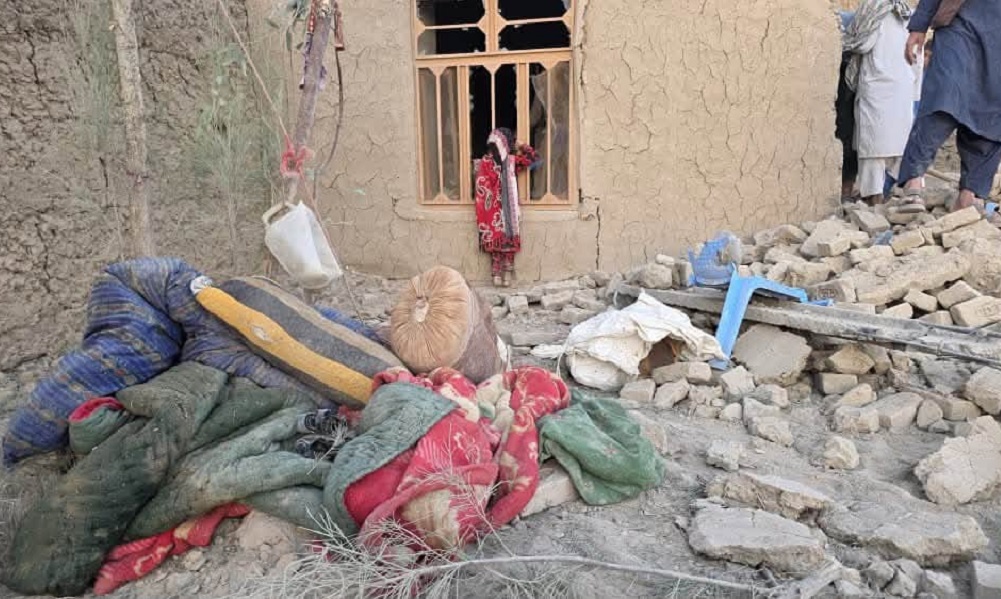
The European Union has condemns civilian deaths following Pakistani airstrikes in Afghanistan’s Kunar and Helmand provinces, calling on both sides to exercise restraint and engage in dialogue.
In a statement issued on Friday, the EU spokesperson said the UN Assistance Mission in Afghanistan (UNAMA) had confirmed that at least 10 civilians were killed, most of them children, while nine others were injured.
The EU urged both sides to show restraint and resolve their differences through dialogue.
The statement also called on the Islamic Emirate to take action against militant groups. The IEA has previously denied the presence of militant groups in Afghanistan.
The EU stressed that all parties must respect international law, including international humanitarian law, protect civilians and civilian infrastructure, and take all feasible measures to prevent civilian casualties.


Kazakhstan, Uzbekistan and UAE sign MoU on CASA railway project via Afghanistan

Pakistan says Mecca pact members to hold emergency talks on engaging Houthis

Tawsia: Review of three key economic developments in Afghanistan

Abu Muslim cruise to 4-0 win over Aino Mina as Panahi hits hat-trick

ACB announces Afghanistan squads for Bangladesh, Zimbabwe series

Saudi energy group signs major Afghanistan deals covering gas exploration and pipeline plans

Khalilzad: Afghanistan ready to attract major investment

El Niño likely to intensify, may become strongest ever recorded, WMO says

Khyber Chamber demands reopening of Torkham crossing

Messi returns to Inter Miami after Argentina retirement
Tawsia: Review of three key economic developments in Afghanistan

Tahawol: Pakistan’s airstrikes on civilians in Afghanistan discussed

Tahawol: Improvement in Afghanistan-China relations discussed

Saar: Expanding ties with regional and global countries discussed

Tahawol: Absence of Afghanistan’s envoy at UNGA discussed
-
 Sport5 days ago
Afghanistan vs India Asian Games quarter-final abandoned without a toss
-

 World5 days ago
Trump says men arrested at UK air base used by US planned ‘big damage’
-
 Regional4 days ago
US, Iran separately talk with mediators in latest bid to end war
-
 World5 days ago
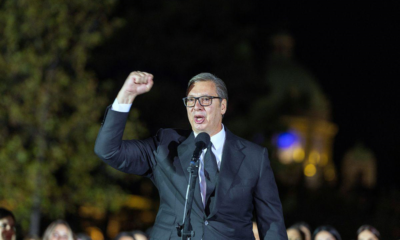
Serbia’s President Vucic resigns ahead of October parliamentary elections
-
 Business5 days ago
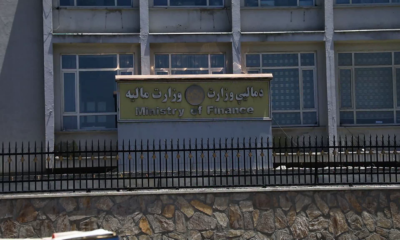
Afghanistan raises import tariffs on several goods to support domestic industry
-
 Latest News5 days ago
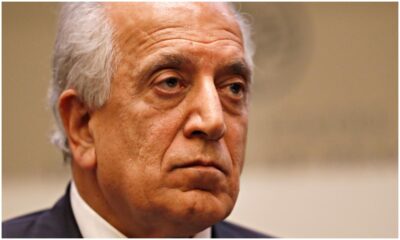
Khalilzad calls for end to Pakistan’s ‘double game’, urges new chapter with Afghanistan
-
 Regional3 days ago
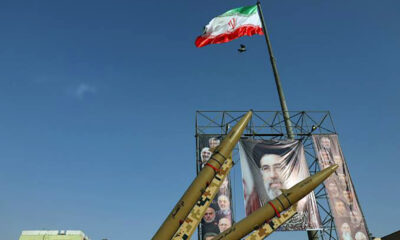
US imposes sanctions on 13 tied to Iran weapons procurement
-
 Business5 days ago
Afghanistan-Kazakhstan trade reaches $581 million in six months