
Health
7 out of 100 persons infected with jaundice in Nangarhar

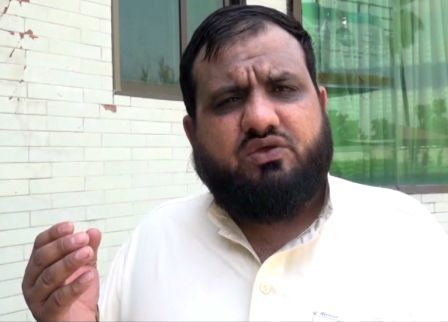

Health officials in Nangarhar province have held the World Day for prevention of Jaundice, saying 400 positive cases of hepatitis has been recorded within the health centers in the first 4 months of the year.
They have declared different factors could transfer the following symptom in to other human beings body, using Narcotic drugs, poor health providers’ attention to sanitation, using same border machines for different persons.
A survey which was launched by the health providers in Nangarhar has declared that 7 out of 100 persons are infected with jaundice symptom in Nangarhar province.
Dr. Noor Hassan Basharyar responsible for hepatitis said,” there are 3 ways for spreading the following symptom in to other human beings, through blood, using medical equipments from the plugged person in to the healthy one, and poor sanitation, and from breasting feed from the mother to her child, the only way to tackle this issue is to sterilize those tools which are used, the blood which will be given to the needy persons should be checked properly before its being donated.”
Nangarhar residents have criticized the health providers for not raise the public awareness, and not launching any survey to those areas where the following virus is growing.
Tribal leader AzizulRahman Arab said,” there are barriers and challenges in between the residents and the health care providers, we need to get together to resolve the following issue from our society.”
Deputy of the public health hospital Muqadsa said,” We confirm the problems, efforts are underway to resolve the issue and tackle against the following symptom, but there are some barriers which really avoid us from implementing our plan to reduce the numbers of the infected persons.”
Over all the following symptom is epidemic where always target the liver of human beings.
The disabled-world.com website has published an article about the ways of causes , how to check and what to do to understand that one of the members of our family is infected with jaundice.
Other main causes of jaundice
Excessive bruising from a traumatic birth causes more than the usual amount of red blood cells to be broken down, leading to higher levels of bilirubin to be conjugated.
The preterm baby is more likely to become jaundiced because of an immature liver which cannot cope with the high load of bilirubin.
G6PD deficiency is a condition where an enzyme necessary for the conjugation of bilirubin is missing or insufficient.
Breast milk may interfere with the liver’s ability to conjugate bilirubin therefore the jaundice may be prolonged. Often, it is not necessary to stop breast feeding but if the levels become too high, the pediatrician may recommend stopping for a couple of days for the levels to come down.
Blood group and Rhesus incompatibility causes jaundice to appear during the first 24 hours of life. It is important that all pregnant women go for prenatal checkups in order to identify the possibility of this problem occurring, so that preventive treatment for jaundice can be started fairly quickly after birth.
Prenatal infection of the mother such as rubella, syphilis, toxoplasmosis or cytomegalovirus may cause jaundice in the newborn. After birth, any bacterial or viral infection in the baby may cause jaundice.
How to check for jaundice and what to do
It is best to check for jaundice during the day using natural light. Hold the baby near a door or window.
* Starting from the face, use your finger to gently but firmly press on the skin and quickly let go. * If the area that you pressed looks yellow the baby has jaundice * Work your way down from the face to the legs.
If the yellow color is only on the face then the jaundice is quite mild.
* Make sure that baby has sufficient fluids especially milk as it contains glucose necessary for conjugation of bilirubin.
* Place the baby near a bright window during the day. * It is not really necessary to put baby in the sun as baby may become over heated by the sun’s rays. Alternately, the baby may become chilled if there is a strong wind blowing * If you are breast feeding it is best that you do not take any ginger for the first 10 days after delivery as ginger will make it harder for the liver to work on the un conjugated bilirubin.
If the face and body are yellow, then the jaundice is quite high.
* You must take your baby back to the hospital immediately. Don’t waste time going to an outside clinic.
* Your baby needs a blood test to determine the bilirubin level and immediate treatment if the level is high.
If at any time your baby is very sleepy and refuses to feed even if she looks mildly jaundiced you must seek medical attention immediately.

Health
Millions of Afghans continue to rely on humanitarian health services
Sharafat Zaman, spokesperson for the Ministry of Public Health of the Islamic Emirate, announced the establishment of over 400 health centers in remote areas.
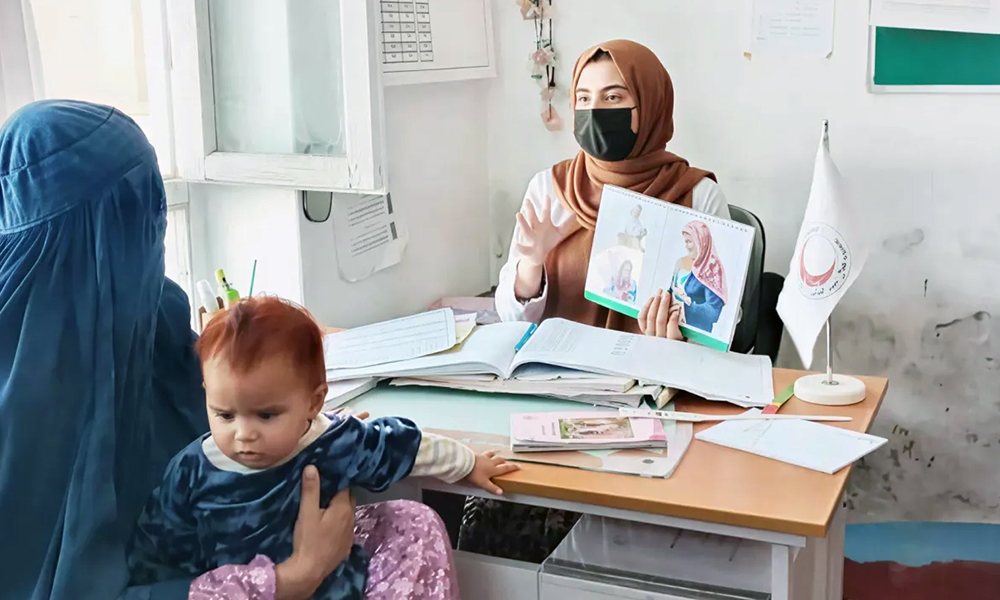
On April 7, World Health Day 2026, attention has once again turned to the serious challenges facing Afghanistan’s healthcare system, where years of conflict, economic difficulties, natural disasters, and resource shortages have left millions with limited access to essential health services.
Despite these challenges, the International Committee of the Red Cross (ICRC) has reported that its support for 46 Basic Health Clinics and one district hospital of the Afghan Red Crescent Society (ARCS) has played a crucial role in improving healthcare access for local communities.
According to the ICRC, in 2025 around 1.2 million patients, most of them women and children, received preventive care and early treatment at these facilities. Providing care at the earliest stages of illness has helped reduce pressure on larger hospitals.
The United Nations also highlighted World Health Day by praising the efforts of healthcare workers in Afghanistan, noting that strengthening the health sector and improving access to quality care remains an urgent necessity.
Meanwhile, Richard Bennett, UN Special Rapporteur on Human Rights in Afghanistan, expressed concern over restrictions on women’s access to healthcare, warning that limits on the training and work of female health staff could weaken the country’s health system.
At the same time, Sharafat Zaman, spokesperson for the Ministry of Public Health of the Islamic Emirate, announced the establishment of over 400 health centers in remote areas, aiming to expand healthcare coverage and improve medical services across the country.
The UN Office for the Coordination of Humanitarian Affairs (OCHA) estimates that in 2026 more than 14.4 million people in Afghanistan will require humanitarian health assistance. Experts note that the country’s health system remains heavily dependent on international support, as many families cannot afford private healthcare services.
In addition to general healthcare, programs addressing malnutrition have been strengthened in collaboration with UNICEF and the World Food Programme, providing therapeutic food to children suffering from malnutrition in clinics across Afghanistan.
The ICRC has also supported emergency departments in provincial hospitals during 2024–2025 to enhance emergency response, upgrade medical equipment, and train staff. Furthermore, through the Basic Emergency Care (BEC) program, 256 healthcare workers, including 115 women, received life-saving training to strengthen emergency medical services.
The continued support from humanitarian organizations plays a vital role in saving lives and ensuring vulnerable communities across Afghanistan have access to essential health services.
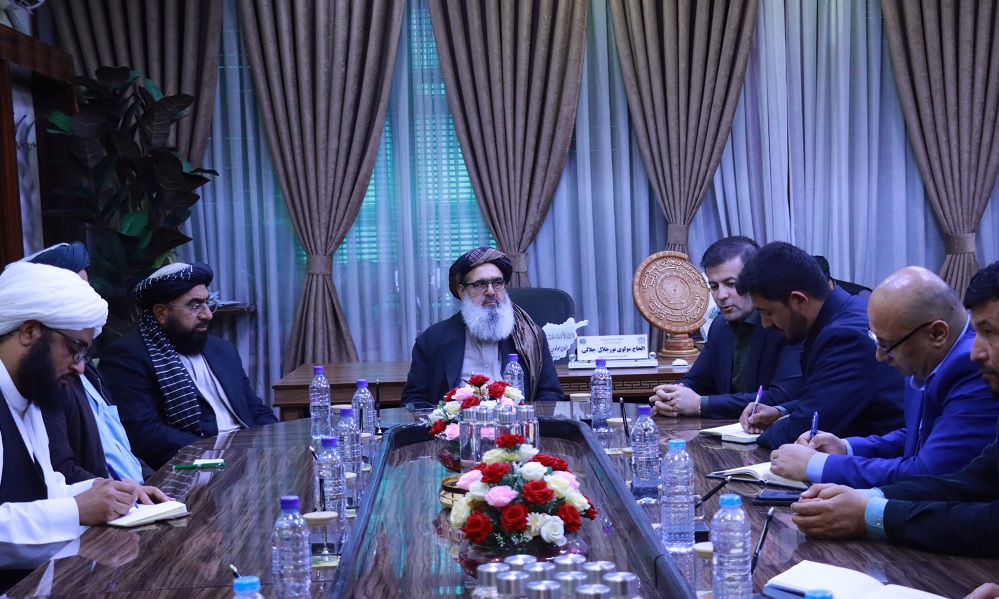
Afghanistan’s Minister of Public Health, Noor Jalal Jalali, held talks with Abdullah Azizov, head of the pharmaceutical industry development authority of Uzbekistan, and his accompanying delegation in Kabul to discuss expanding cooperation in the health sector.
The meeting focused on strengthening pharmaceutical trade, facilitating travel for Afghan patients seeking treatment in Uzbekistan, enhancing the capacity of health workers, implementing the previously signed memorandum of understanding between the two countries, and encouraging investment in pharmaceutical production in Afghanistan.
Jalali emphasized the importance of ensuring the quality of medicines, providing standardized healthcare services, and improving coordination between the two countries to deliver reliable health services to the public.
He also noted that sustained cooperation could help strengthen health systems and respond more effectively to the needs of the population, stressing that joint efforts should lead to practical and measurable progress.
Azizov expressed Uzbekistan’s readiness to expand cooperation with Afghanistan in pharmaceutical production, exports, technical knowledge transfer, and capacity building for healthcare professionals.
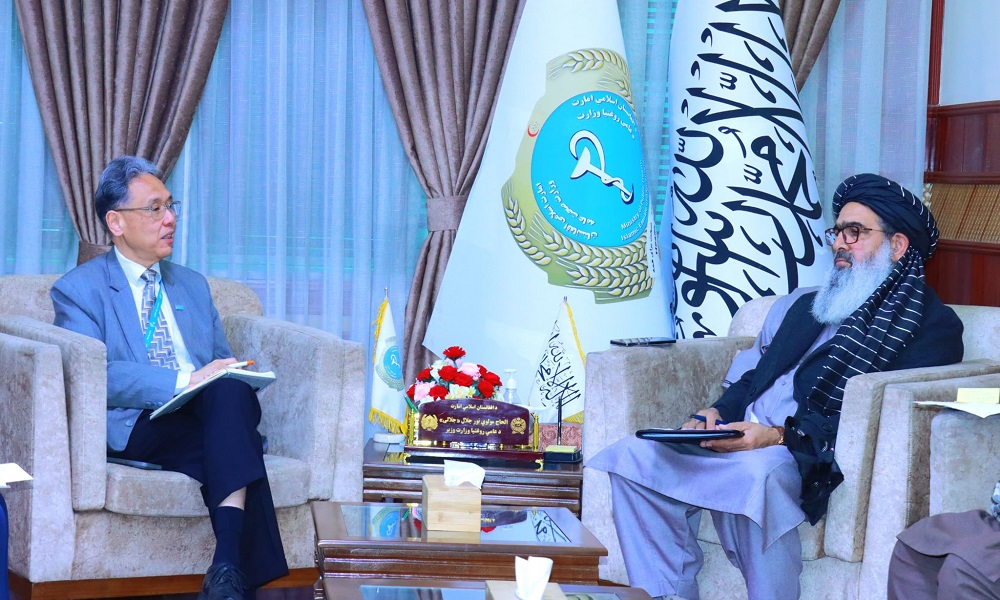
Afghanistan’s Minister of Public Health, Noor Jalal Jalali, met with the head of the World Health Organization in Afghanistan, Edwin Ceniza Salvador, to discuss expanding healthcare services and strengthening coordination in the country.
According to a statement issued Tuesday by the Ministry of Public Health, the meeting was attended by officials from the WHO and other representatives and focused on key health sector priorities and areas of mutual cooperation.
Participants discussed the expansion of health services across Afghanistan, capacity-building initiatives for healthcare workers, and the development of cancer-related services. They also reviewed operational coordination, transparency in the delivery of health services, and preparations for upcoming health-related meetings.
During the meeting, Jalali emphasized the importance of aligning health projects and services with the ministry’s national policies and strategic documents.
He stressed that all health initiatives should be implemented based on the priorities and needs identified by the Ministry of Public Health.
The minister also urged WHO officials to enhance transparency and strengthen coordination with the ministry while taking practical steps to improve the quality of health services and ensure broader public access to healthcare across the country.
For his part, Salvador reaffirmed the WHO’s commitment to maintaining close cooperation with the Afghan health ministry and to delivering essential health services in accordance with the ministry’s policies and priorities.


Iran war doubles Russia’s main oil revenue to $9 bln in April, Reuters calculations show

IEA defense minister meets Chinese envoy, emphasizes security and regional stability

Russian special envoy Dmitriev in US, meeting Trump administration members, sources say

IPL 2026 – LSG crushes KKR by 3 wickets in a close contest

ATN seals Ariana Snooker Championship deal for five seasons

IEA Supreme Leader issues Eid-ul-Fitr message urging unity and support for Islamic system

IEA supreme leader orders replacement of foreign terminology in official documents

14 Pakistani soldiers killed after military post falls along Durand line: MoD

Afghan airstrikes target Pakistani military sites in retaliation for air attacks

Turkmenistan, Afghanistan discuss steps to speed up land acquisition for TAPI pipeline

Tahawol: China to host 2nd round of Kabul–Islamabad talks discussed

Saar: Fragile ceasefire in the Middle East reviewed

Tahawol: Two‑week truce agreement between Iran-US reviewed

Saar: US–Iran two-week ceasefire agreement discussed

Tahawol: Ongoing negotiations between Kabul-Islamabad discussed
-
 Latest News5 days ago
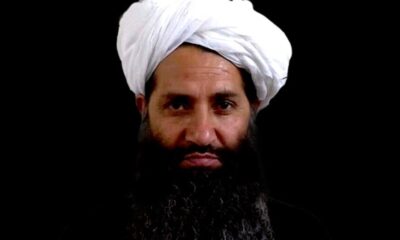
IEA supreme leader orders replacement of foreign terminology in official documents
-
 Latest News3 days ago
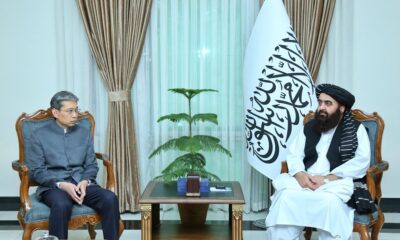
China seeking to build trust between Afghanistan and Pakistan
-

 International Sports4 days ago
IPL 2026: Lucknow hold nerve in final over to defeat Sunrisers
-
 Latest News4 days ago
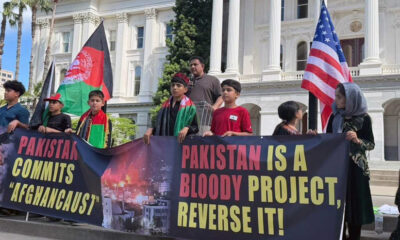
Afghan community in California condemns Pakistani strikes amid growing global protests
-

 Business3 days ago
Afghanistan, Uzbekistan sign $400 million trade deals in push to deepen ties
-
 Regional4 days ago
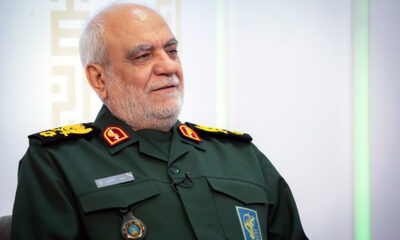
IRGC intelligence chief killed as wave of strikes continues against Iran’s leadership
-

 International Sports3 days ago
IPL 2026: Rain scuppers KKR vs PBKS match
-

 Sport5 days ago
IPL 2026: Rajasthan Royals, Delhi Capitals go top as double-header delivers thrills