
Latest News
World powers trying to prevent IEA’s economic and political progress: Baradar

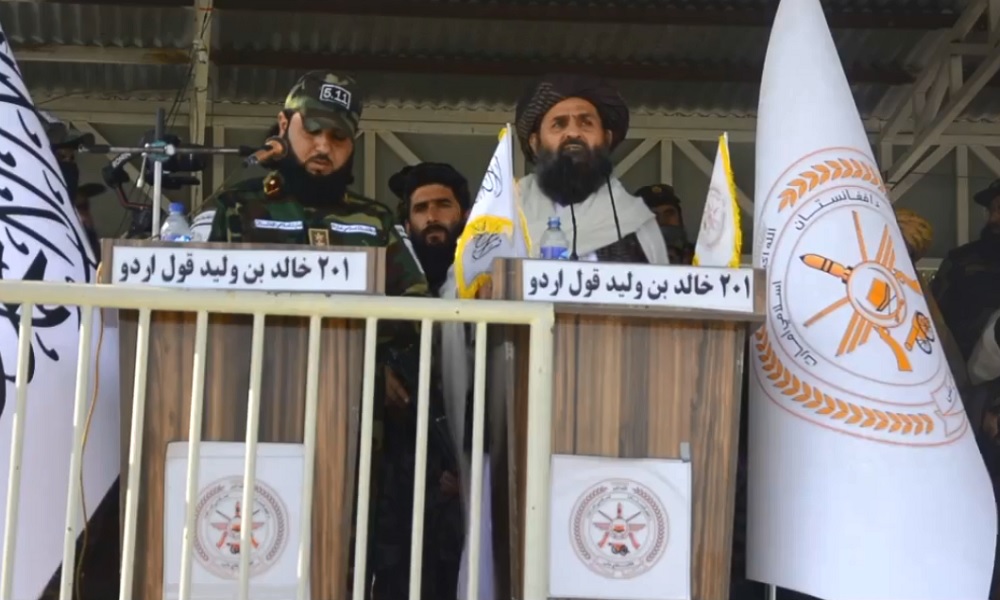
Mullah Abdul Ghani Baradar, deputy prime minister of the Islamic Emirate of Afghanistan (IEA) for economic affairs, has said that the great powers of the world are seeking to prevent the economic and political progress of the IEA.
Baradar made the remarks at the graduation ceremony of troops from the 201 Khalid Ibn Walid Corps training academy.
“The great powers of the world view the Islamic Emirate with suspicion and are still trying to prevent our economic and political progress, but we must be wise and alert,” he said.
No country has yet officially recognized the IEA government, almost three years after their take over.
Sanctions imposed on Afghanistan’s banking sector have meanwhile had negative effects on the country’s economy.
The international community has set conditions for the recognition of the Islamic Emirate, including ensuring of women’s rights and forming of an inclusive government.
However, the Islamic Emirate claims that women’s rights are ensured according to Sharia law and that there are representatives of different ethnic groups in the cabinet.

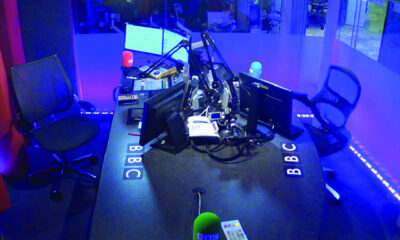

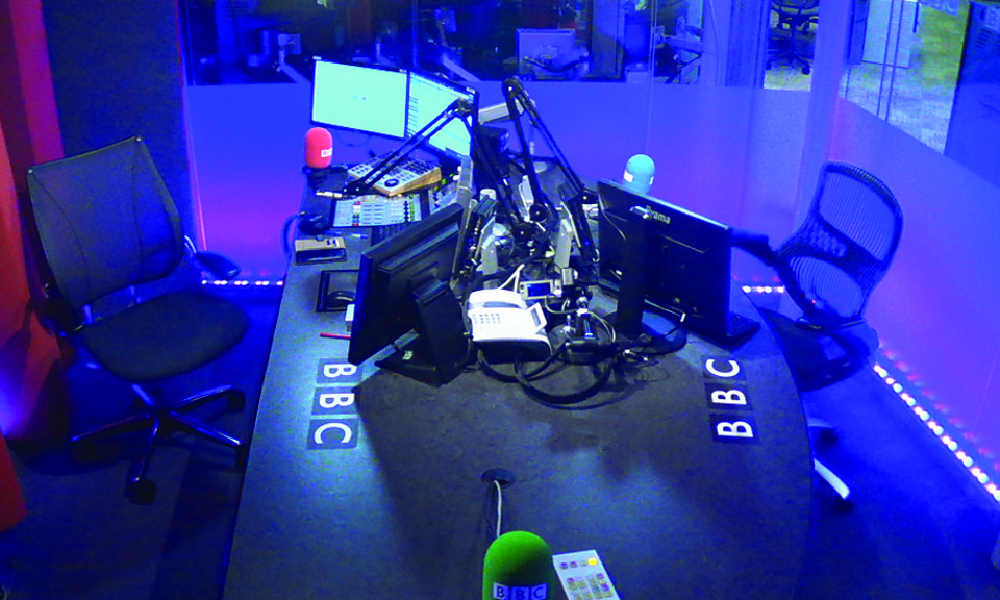
Afghanistan’s Ministry of Information and Culture says BBC radio broadcasts across the country have been suspended due to what it described as “repeated violations.”
Safiullah Raed, head of media monitoring at the ministry, confirmed the suspension, without providing further details.
The BBC has also confirmed that its radio broadcasts have been suspended across Afghanistan. A spokesperson for the broadcaster said it was in contact with officials of the Islamic Emirate to resolve the issue.
Latest News
UNHCR chief calls for greater support for Afghan returnees, urges protection of girls’ rights
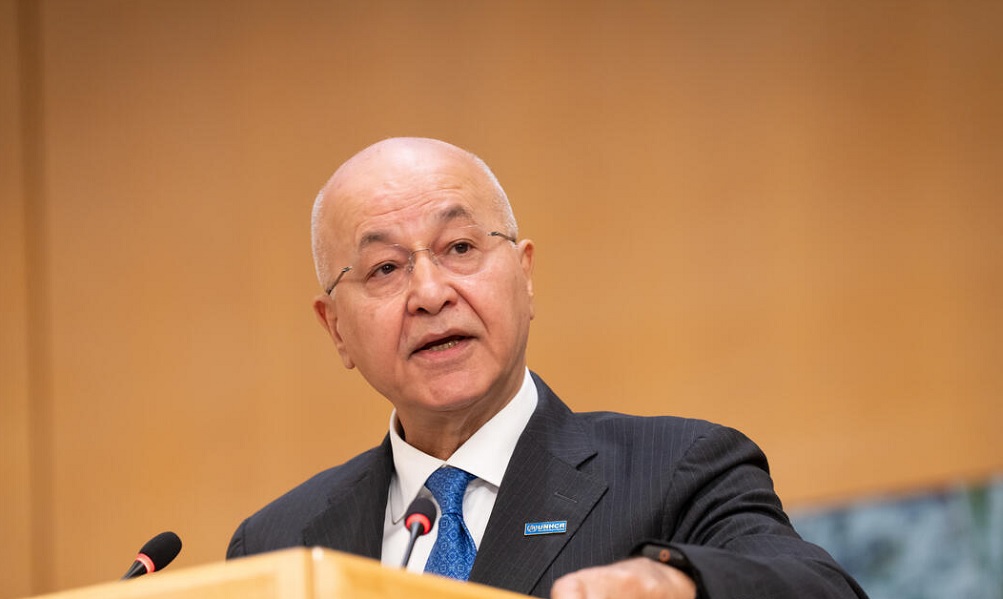
The United Nations High Commissioner for Refugees has called for greater international investment to support the reintegration of Afghan returnees, warning that millions are returning under difficult circumstances while communities face poverty, limited services and restrictions on women and girls.
Speaking at the 77th session of UNHCR’s Executive Committee, the High Commissioner said nearly seven million people had returned to Afghanistan from neighboring countries since late 2023, often under difficult conditions and not always voluntarily.
He said UN agencies and other partners, including the UN Refugee Agency and the United Nations Development Programme, were supporting reintegration efforts, but stressed that the scale of the challenges required significantly greater international assistance.
The High Commissioner also highlighted the restrictions imposed on Afghan women and girls, sharing the words of a young Afghan girl he met in Kabul earlier this year.
The girl had written a poem for another Afghan girl about education, courage and hope, emphasizing that personal ability and worth were greater than any limitation.
“Never forget you’re not alone. Your voice matters and your dreams are valuable,” the girl wrote.
The High Commissioner said the young girl’s words had stayed with him, adding that Afghan girls should not have to be exceptional to enjoy what should be an ordinary future, including access to education, the freedom to make their own choices and the opportunity to become who they want to be.
He said Afghan girls and millions of others like them were not asking the international community to dream on their behalf, but to give them opportunities to fulfil their own aspirations.
He urged world leaders to ensure their commitments were reflected in concrete decisions and actions, saying the ability to make a difference was in their hands.
“History will remember how we choose to use it,” he said.
Latest News
Muttaqi tells EU envoy global community has failed to support alternative livelihoods for farmers
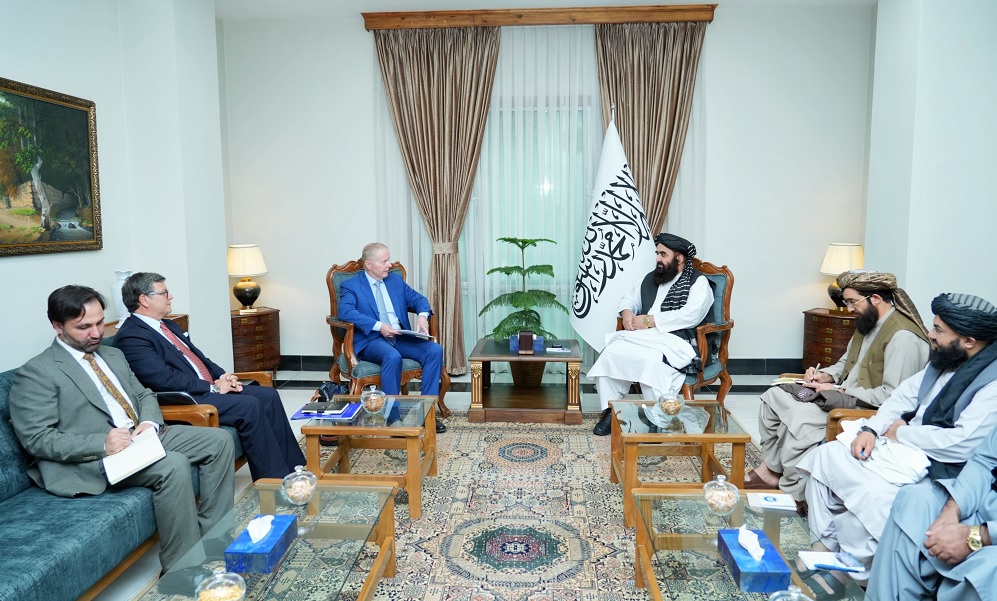
Amir Khan Muttaqi, foreign minister of the Islamic Emirate of Afghanistan (IEA), says the international community has failed to provide Afghan farmers with the necessary support for alternative livelihoods to sustain the country’s achievements in combating narcotics.
Afghanistan’s Ministry of Foreign Affairs said the issue was raised during Muttaqi’s meeting with Thomas Frellesen, the newly appointed European Union special envoy for Afghanistan.
According to a statement from the ministry, the two sides exchanged views on Afghanistan’s security situation, counter-narcotics efforts, and a range of humanitarian and political issues.
Frellesen acknowledged the IEA’s achievements in ensuring security and combating narcotics, saying that supporting security in Afghanistan and fighting drugs were part of the European Union’s official position.
He also assured Muttaqi that the EU would seek to expand cooperation with Afghanistan across various sectors.


Afghanistan suspends BBC radio broadcasts over ‘repeated violations’

Afghanistan needs international assistance to combat climate change: Baradar

UNHCR chief calls for greater support for Afghan returnees, urges protection of girls’ rights

Muttaqi tells EU envoy global community has failed to support alternative livelihoods for farmers

Hairatan railway port sees over 280 wagon arrivals daily from Central Asia

Cricket Bonanza: Afghanistan set for packed international schedule

New warnings reignite debate over AI threat to humanity

UN warns of mounting humanitarian and human rights pressures in Afghanistan

Afghanistan says 28 killed, 32 captured in Nuristan operation

CNN, MS NOW and Politico sue Trump, challenging White House ban

Tahawol: Kabul’s criticism of Islamabad’s policy toward Afghanistan

Saar: Pakistan deploying army in KP

Tahawol: EU appointing new envoy for Afghanistan

Saar: Pakistan’s political, security and economic crises

Saar: Ongoing expulsion of Afghan refugees from Iran and Pakistan discussed
-

 Regional4 days ago
Trump says US will not attack Iran before midterm elections in November
-
 Latest News3 days ago
Pakistan issues new directives for Afghan medical students and doctors
-
 World4 days ago
Witkoff, Kushner to meet Ukrainians for talks on the war, says US source
-

 Sport5 days ago
Arman FC defeat Istiqlal Kabul 3-2 in thrilling comeback
-
 Latest News3 days ago
Iranian lawmaker praises Afghanistan’s support, accuses Pakistan of ‘hypocrisy’
-
 Latest News4 days ago
US senator cites Afghanistan visits in Pentagon ‘cover-up’ allegations over Iran war
-
 World4 days ago
US imposes sanctions on ICC amid dispute over international prosecutions
-
 Business4 days ago
Iran allocates over 110 hectares in Chabahar for Afghan economic activities