
Saar: Fragile ceasefire in the Middle East reviewed





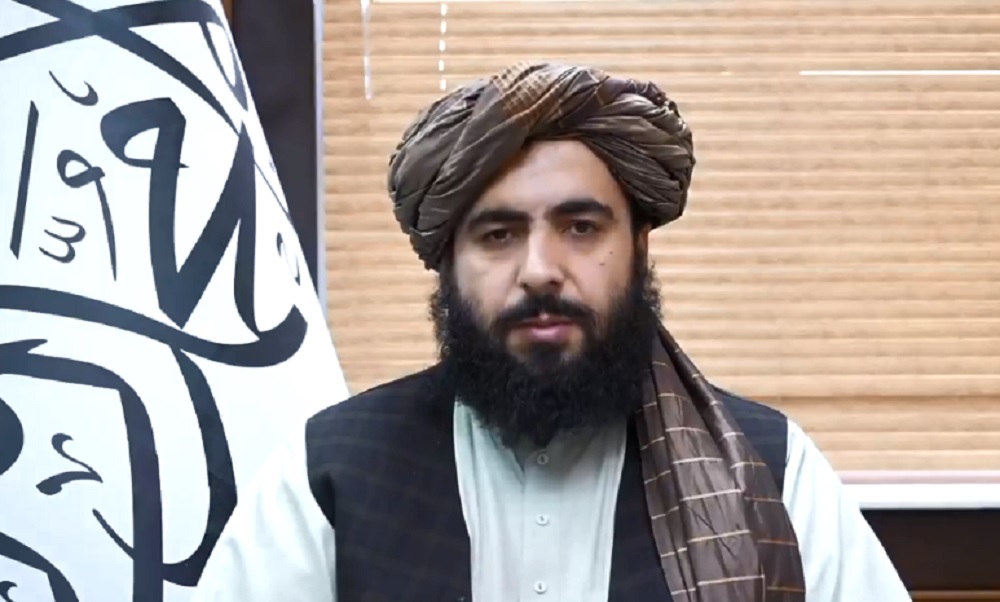
Hamdullah Fitrat, Deputy Spokesperson for the Islamic Emirate, has called on the United Nations Assistance Mission in Afghanistan (UNAMA) to base its assessments on accurate information and objective facts in response to the mission’s latest report.
Fitrat said the report described the detention of some individuals by the Ministry for the Propagation of Virtue and Prevention of Vice and other official institutions of the Islamic Emirate as “arbitrary.” However, he claimed that these detentions were carried out in accordance with applicable laws and regulations to prevent acts deemed contrary to Sharia and to reform individuals.
The deputy spokesperson added that governments in various countries also carry out such detentions.
He also questioned why UNAMA’s report had not mentioned the efforts and achievements of various Islamic Emirate institutions in providing assistance to the public, accommodating returning migrants, preventing security threats, making political progress, and implementing major economic projects with humanitarian dimensions.
Criticizing UNAMA’s approach, Fitrat said that instead of working to bring Afghanistan and the international community closer together and resolve misunderstandings, the mission was engaged in what he described as “propaganda against the system” and seeking to portray
Afghanistan negatively. He said this approach was inconsistent with the principle of neutrality that the mission is expected to uphold.
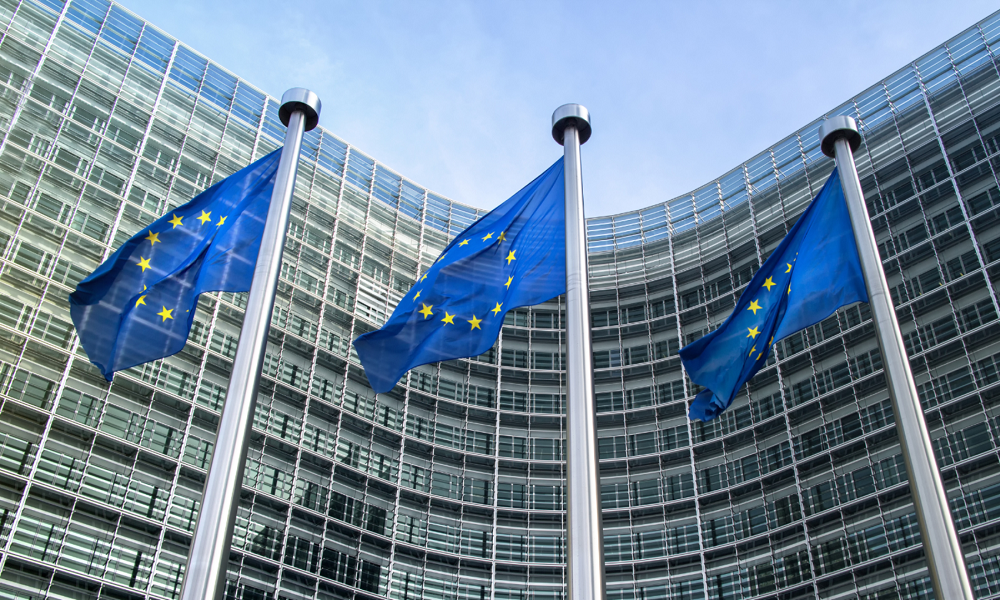
The European Union’s Special Envoy for Afghanistan, Thomas Frellesen, has described restrictions on women and girls as a major obstacle to normalising relations between the EU and the Islamic Emirate of Afghanistan (IEA), following a three-day visit to Kabul.
According to an EU statement issued Thursday, Frellesen visited Kabul from October 12 to 14, holding discussions with senior IEA officials, diplomats, regional partners, representatives of the United Nations and the Organisation of Islamic Cooperation (OIC), and members of Afghan civil society.
During the visit, he expressed serious concern over restrictions on women and girls, saying they remained a significant barrier to closer relations between the EU and the IEA. In a meeting with Afghan women’s civil society representatives, he also heard about the impact of the restrictions and women’s resilience in the face of these challenges.
On security, Frellesen acknowledged that conditions in Afghanistan had generally improved but warned about the continued presence and cross-border activities of terrorist groups, including Islamic State Khorasan Province (ISKP). He stressed that the IEA must ensure Afghan territory is not used to threaten other countries.
The EU envoy also recognised the IEA’s counter-narcotics efforts but raised concern over a renewed increase in poppy cultivation. He called for sustainable alternative livelihoods for farmers affected by the ban on opium cultivation, noting that the EU was supporting such initiatives.
Frellesen urged Afghanistan and Pakistan to resume dialogue to address their security concerns, emphasising the need to de-escalate tensions and protect civilians and civilian infrastructure. The EU also welcomed regional and international mediation efforts, the OIC’s role in promoting stability, and initiatives aimed at strengthening regional connectivity.
Reaffirming the EU’s support for the UN-led Doha Process, Frellesen said coordinated international engagement and constructive participation by the IEA were essential to Afghanistan’s reintegration into the international community. He also stressed the importance of inclusive governance and compliance with international obligations.
The discussions further covered continued EU assistance in healthcare, education, resilience and livelihoods, including support for Afghans returning from Iran and Pakistan. Frellesen emphasised that returns should be safe, dignified and orderly, and called for greater attention to climate-related projects.
He also highlighted the importance of a resilient private sector and the preservation of Afghanistan’s cultural heritage.
The EU said its engagement with Afghanistan would remain principled and pragmatic, with a focus on addressing the needs of the Afghan people.


IEA calls on UNAMA to base its reports on facts

Saar: Review of state officials’ visits to Kabul over past month discussed

EU envoy says restrictions on women and girls an obstacle to normalizing ties with IEA

Qatar calls for more international aid for Afghan refugees and returnees

Iran says nearly 60,000 Afghan students attend its universities, urges more refugee aid

Cricket Bonanza: Afghanistan set for packed international schedule

UN warns of mounting humanitarian and human rights pressures in Afghanistan

Afghanistan says 28 killed, 32 captured in Nuristan operation

CNN, MS NOW and Politico sue Trump, challenging White House ban

Silk Road highway in Wakhan corridor now reaches the China border
Saar: Review of state officials’ visits to Kabul over past month discussed

Tahawol: Kyrgyzstan’s rejection of Afghan refugees discussed

Saar: Central Asia’s trade alternative to Pakistan discussed

Tahawol: Warnings over worsening insecurity in Pakistan discussed

Saar: Concerns over potential return of US military bases to Afghanistan discussed
-
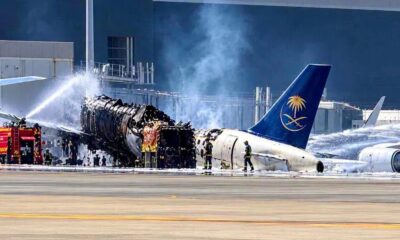
 Regional5 days ago
Houthis warn airlines to avoid Saudi airports after deadly Riyadh attack
-
 World4 days ago
One dead in new attack on Saudi airport, a day after Houthi strike kills 13
-
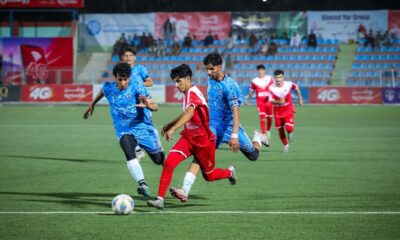
 Sport4 days ago
Afghanistan Champions League second half to kick off on October 16
-

 World5 days ago
14 killed in two separate mass shootings across the United States
-
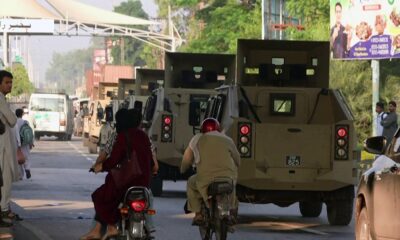
 Regional4 days ago
Pakistan deploys military to Peshawar after emergency rule declared
-
 Business4 days ago
Afghanistan signs nearly $400 million in regional trade and investment deals
-

 Sport4 days ago
Bangladesh take 329-run lead against Afghanistan in one-off Test
-
 Latest News5 days ago
Afghan education advocate establishes $2.5 million Oxford scholarship fund for women