
Latest News
Afghan journalist Daryabi wins 2020 Anti-Corruption Award

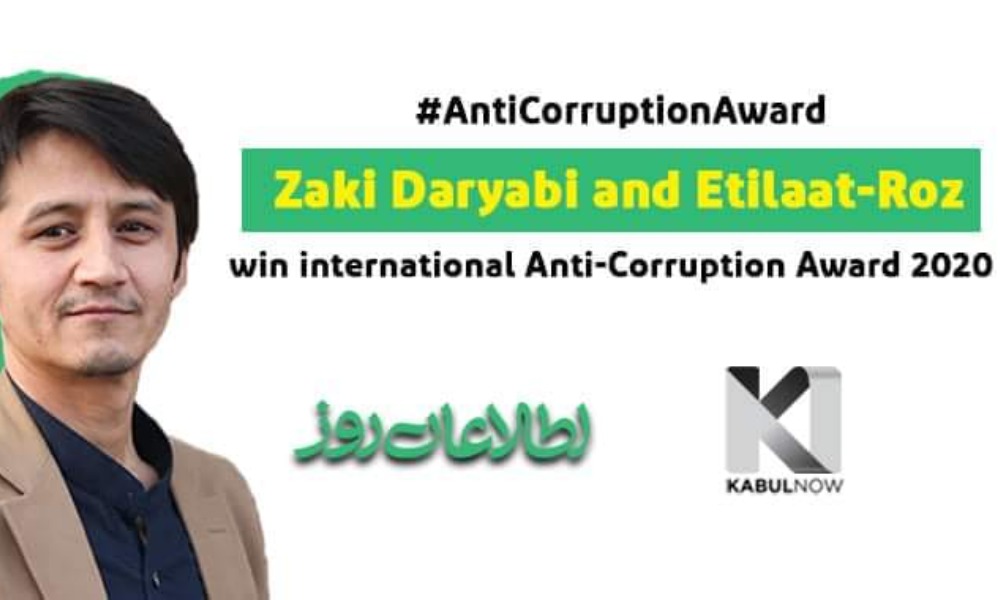
Transparency International, the global coalition against corruption announced this week that Afghan journalist Zaki Daryabi, editor in chief of Etilaat Roz Newspaper and whistleblower Botakoz Kopbayeva from Kazakhstan have been selected as the winners of the 2020 Anti-Corruption Award.
“Journalist Zaki Daryabi and newspaper Etilaatroz have been selected Anti-Corruption Award Winners 2020 for their tireless efforts in exposing major corruption scandals in Afghanistan, despite the multiple challenges, threats and limitations,” Transparency International said in a tweet.
“They serve as an admirable example to journalists and young activists across the globe through their perseverance and sustainable approach to holding power to account,” Transparency International added.
The awards were presented at a ceremony held virtually on Wednesday night at the 19th International Anti-Corruption Conference.
“I am honoured to accept the Transparency International’s 2020 AntiCorruptionAward. I dream of the day that Afghanistan is no longer among the most corrupt and the deadliest places for journalists in the world,” Daryabi tweeted.
Today I recommit myself to realising that dream, Daryabi added.
Anti-Corruption Award recognises the courage and determination of the many individuals and organisations fighting corruption around the world.



Latest News
IEA’s Supreme Leader says implementation of Sharia depends on revival of religious education
In his address, the Islamic Emirate leader further urged officials to remain vigilant in administrative, political, economic and military affairs.
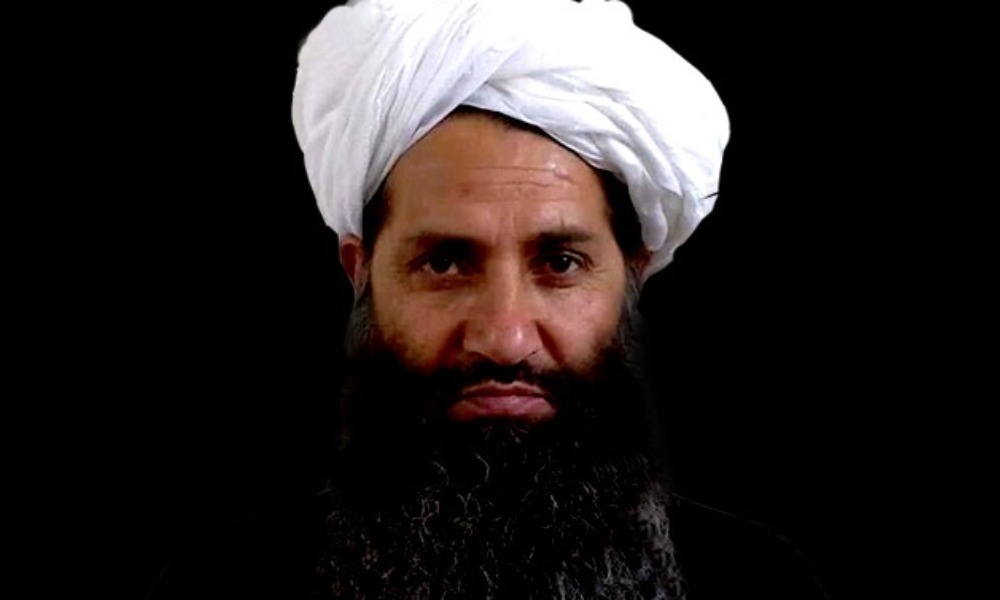
Sheikh Hibatullah Akhundzada, the supreme leader of the Islamic Emirate, has emphasized the importance of religious education, saying that the implementation of Sharia and the reform of society are only possible through the revival and strengthening of Islamic sciences.
The remarks came during a meeting with administrators of jihadist religious schools, teachers, officials responsible for reviewing religious publications, orphanage administrators and a number of religious scholars, according to a statement released by the Islamic Emirate.
Akhundzada described religious scholars as the heirs of the prophets and said they carry the responsibility of preserving the faith, guiding society and raising public awareness. He urged scholars to play a greater role in educating people and promoting Islamic values through teaching, preaching and religious outreach.
He also called on officials and educators to focus on the intellectual and moral development of students, strengthen their religious knowledge and beliefs, and encourage study and learning within religious institutions.
In his address, the Islamic Emirate leader further urged officials to remain vigilant in administrative, political, economic and military affairs, warning against negligence and stressing the need for stronger cooperation and mutual trust among state institutions.
Latest News
UN Security Council to review Afghanistan situation as UNAMA mandate nears expiry
According to the Security Council, Afghanistan remains one of the world’s most severe humanitarian crises, with an estimated 21.9 million people requiring assistance this year.
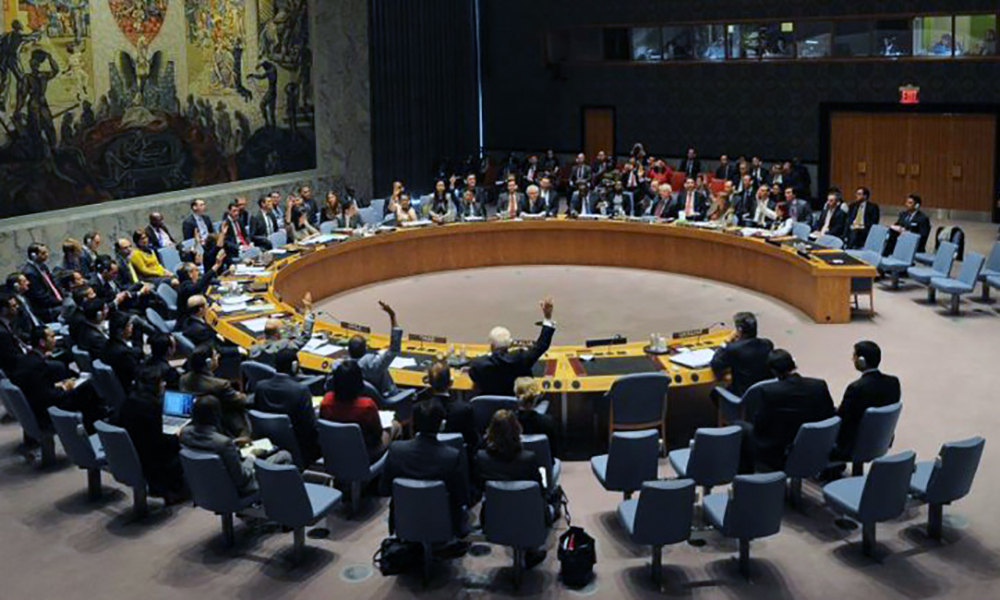
The United Nations Security Council will hold its quarterly meeting on Afghanistan on Monday, with members set to assess recent developments in the country and discuss the future of international engagement.
During the session, the head of the United Nations Assistance Mission in Afghanistan (UNAMA) is expected to present the UN Secretary-General’s latest report, outlining political, humanitarian and social developments over the past three months.
The discussions are expected to focus on key issues including the humanitarian situation, political developments, and the rights of women and girls, particularly access to education.
According to the Security Council, Afghanistan remains one of the world’s most severe humanitarian crises, with an estimated 21.9 million people requiring assistance this year.
While council members broadly support an Afghanistan free of terrorism, governed inclusively and committed to international obligations, differences remain over how best to achieve those goals.
Analysts say the meeting could offer important indications of the Security Council’s assessment of Afghanistan and the international community’s future approach toward the country. The talks are also expected to address UNAMA’s role in facilitating engagement between Afghanistan and the wider international community.
Officials of the Islamic Emirate have repeatedly urged the United Nations and other international actors to present what they describe as a balanced and impartial picture of Afghanistan, while acknowledging developments on the ground.
The meeting comes ahead of the expiration of UNAMA’s current mandate on June 16. The Security Council is expected to decide on the mission’s extension the same day.
UNAMA remains the United Nations’ primary presence in Afghanistan, coordinating humanitarian assistance, monitoring human rights issues and supporting diplomatic efforts aimed at fostering dialogue between Afghanistan and the international community.
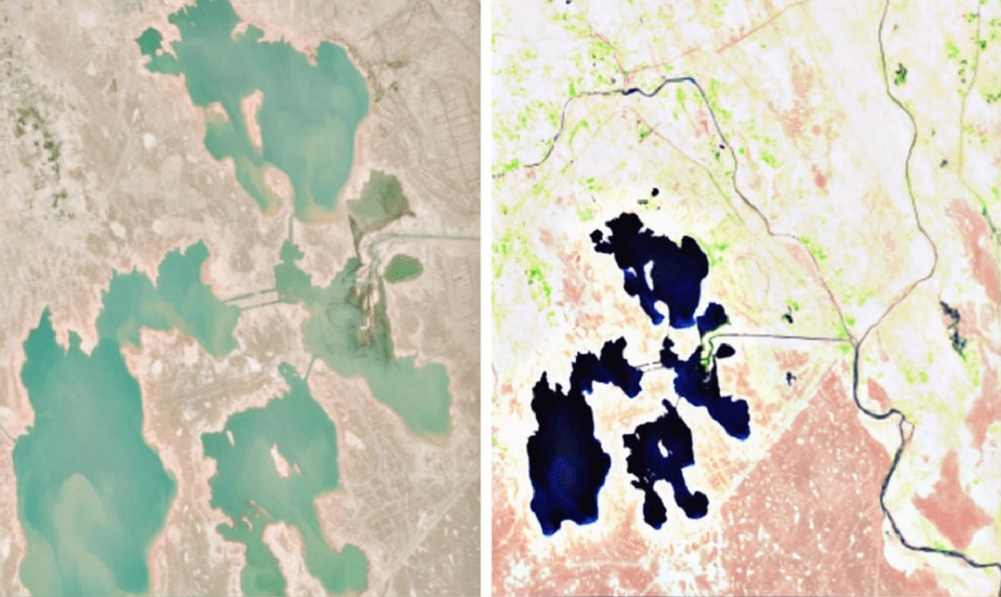
Iran has received 417 million cubic meters of water from Afghanistan since the start of the current water year, according to Iran’s Fars News Agency, a figure that remains below half of the volume Tehran is entitled to under the 1973 Helmand River water-sharing treaty during normal water conditions.
The report said the water has flowed into Iran’s Sistan and Baluchestan Province despite Afghanistan experiencing one of its wettest periods in recent years.
Under the treaty, Iran is entitled to 850 million cubic meters of water annually from the Helmand River in years of normal hydrological conditions.
Fars reported that inflows into the Chah Nimeh reservoirs in Sistan and Baluchestan doubled between April 11 and May 30, indicating increased water releases from Afghanistan.
Water-sharing from the Helmand River has long been a sensitive issue between Kabul and Tehran, with Iranian officials frequently raising concerns over water deliveries, particularly during drought periods.
The Islamic Emirate has repeatedly said it remains committed to implementing the 1973 agreement and providing Iran’s allocated share of water. Afghan officials have also emphasized that releases depend on rainfall, drought conditions, and available water resources within the country.


IEA’s Supreme Leader says implementation of Sharia depends on revival of religious education

UN Security Council to review Afghanistan situation as UNAMA mandate nears expiry

Iran receives 417 million cubic meters of water from Afghanistan this year

CASA-1000 ongoing: DABS highlights progress of strategic energy project

Midfield Maestros: 10 players set to control the 2026 FIFA World Cup

Afghanistan signs $46 million deal to develop standard laboratory complexes

Large blast near Beit Shemesh part of pre-planned test: Israeli defense firm

Trump returns from China with stability but little progress

Afghanistan announce squad for India series

Afghanistan, Russia sign military cooperation agreement

Tahawol: Impact of Middle East crisis on aid transfers to Afghanistan

Saar: Calls to strengthen economic and trade cooperation discussed

Tawsia: Signing of $20 million Herat salt mining deal discussed

Tahawol: Discussion on fear of internal disputes in Iran

Tahawol: Welcoming Qatar’s cooperation with Afghanistan discussed
-
 Business4 days ago
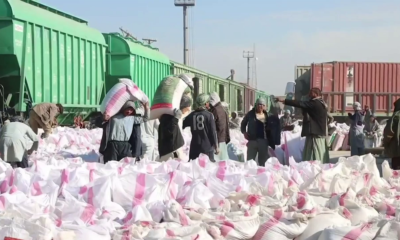
Afghanistan’s trade with Central Asia records sharp growth
-

 Sport2 days ago
Gaikwad set to replace injured Kohli for Afghanistan ODI Series
-

 Latest News4 days ago
Three Afghans among four farmworkers burned alive in Italy; two Pakistanis arrested
-
 Sport3 days ago
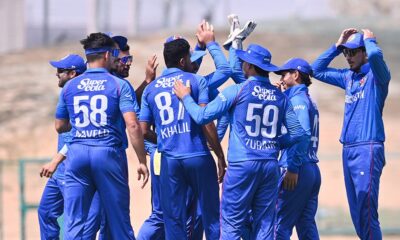
Afghanistan name squad for A-team tri-series in Sri Lanka
-
 Latest News5 days ago
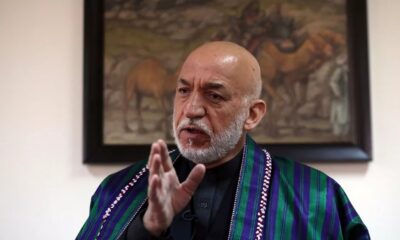
Karzai blames Pakistan’s policies for its security challenges, urges EU to consider regional realities
-
 Business3 days ago
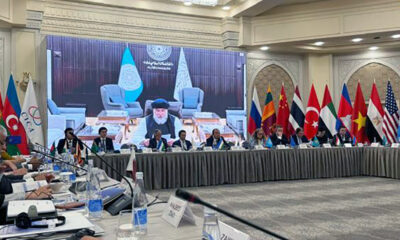
Afghanistan highlights strategic connectivity role at Termez Dialogue
-

 Latest News3 days ago
Kohli ruled out of Afghanistan ODI series with hamstring injury
-

 Latest News4 days ago
Rubio says at least five countries willing to accept stranded Afghans in Qatar