
Afghanistan has the potential to become an electricity exporter: Deputy PM
Meanwhile, the head of Da Afghanistan Breshna Sherkat (DABS), Abdul Bari Omar, said that Afghanistan has the capacity for investment of up to $5 billion in the electricity sector and they are trying to provide more facilities to the people.

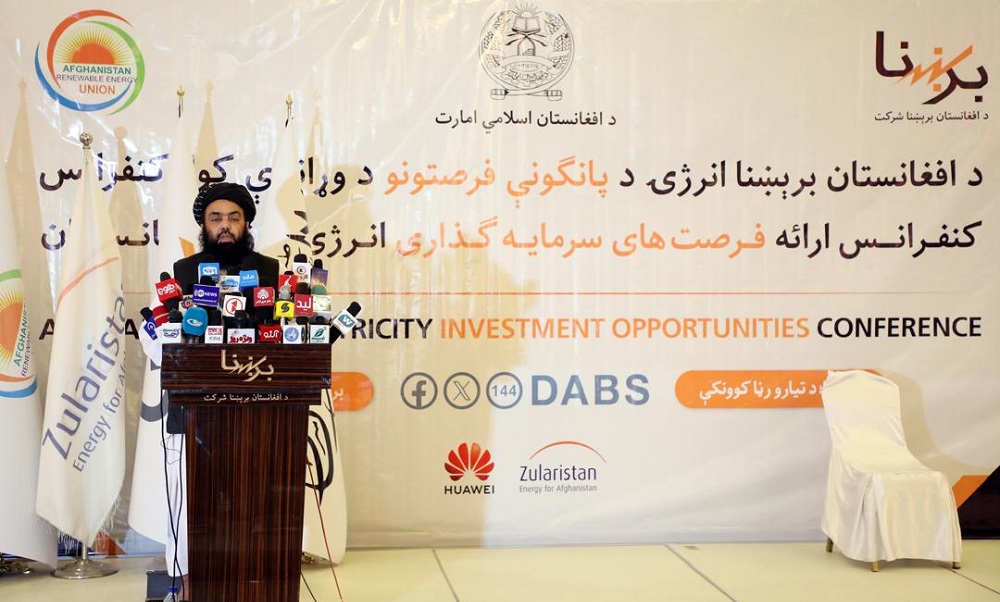
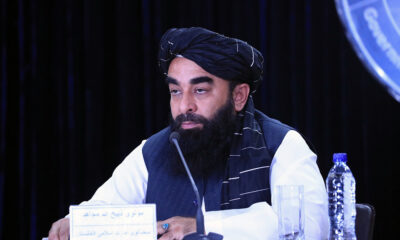
Mawlawi Abdul Kabir, deputy prime minister for political affairs, said on Monday Afghanistan had the potential to become an electricity exporter, but it still imports its power.
He made the remarks at a conference on Afghanistan’s electricity investment opportunities.
“Afghanistan has great potential to generate electricity,” he said. “This conference will introduce opportunities for domestic and foreign investors. I hope this conference will prove to be important for attracting investment in the energy sector. For a war-torn country like Afghanistan, it is important to use its resources to strengthen the economy, produce energy and become self-sufficient. Afghanistan can become an energy producer and exporter in the region by using its resources.”
Meanwhile, the head of Da Afghanistan Breshna Sherkat (DABS), Abdul Bari Omar, said that Afghanistan has the capacity for investment of up to $5 billion in the electricity sector and they are trying to provide more facilities to the people.
He called on the international community not to politicize the issue of electricity and continue its assistance in the fight against climate change.
“There are many problems in the grids, substations, junctions and transmission lines,” he said. “People should know that we did not inherit a system from the previous administration that is sound. The transmission line from Tajikistan and Uzbekistan is very weak, not having enough capacity to transmit the required electricity. Our technical waste of electricity is 13 percent. The Islamic Emirate has reduced technical losses by up to five percent.”
According to Omar, strongmen and politicians of the former government owe 2 billion Afghanis to DABS.
Meanwhile, Acting Minister of Industry and Commerce Nooruddin Azizi said that manufacturing companies are suffering from a shortage of electricity.
“In the near future, we will have 800 companies requesting land in the capital,” Azizi said. “We need 50 to 100 MW of electricity for each company.”
Acting Minister of Information and Culture Khairullah Khairkhah also highlighted the role of the media in reflecting the country’s prosperity and progress.
At the conference, DABS officials said that in addition to repairing the grids, they need to repair the electricity meters, and more than 500,000 meters are still not included in the system.






Latest News
UN warns of possible surge in Afghan returnees from Iran
Deputy UNHCR spokesperson Faramarz Barzin said the organization is closely monitoring the situation while prioritizing the protection of vulnerable returnees.
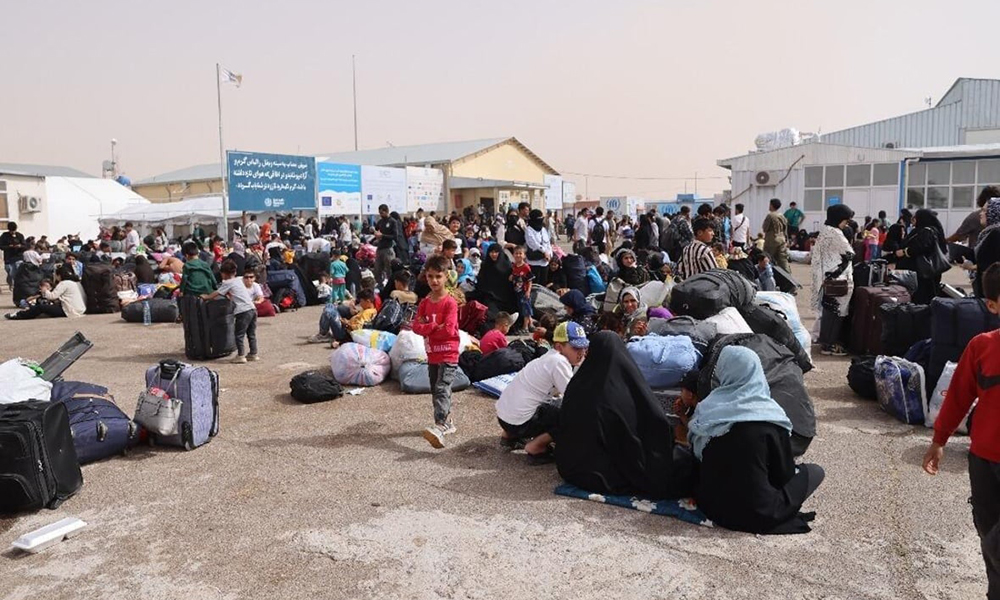
The United Nations has expressed concern over a potential increase in Afghan migrants returning from Iran, warning that many could face heightened vulnerability upon arrival in Afghanistan.
The United Nations High Commissioner for Refugees (UNHCR) said its primary concern remains the safety and protection of Afghan returnees, particularly as regional tensions continue to affect migrant communities.
According to the agency, there has not yet been a significant rise in the number of Afghans returning from Iran despite ongoing instability and conflict in the wider region. However, UNHCR said it is preparing for the possibility of a sudden influx.
The agency noted that contingency measures are already being put in place at key border crossings, including Islam Qala, to ensure that humanitarian assistance can be delivered quickly if return numbers increase.
UNHCR said it is currently providing a range of support services for Afghans returning from Iran, including cash assistance, protection services, temporary shelter, healthcare and registration.
Deputy UNHCR spokesperson Faramarz Barzin said the organization is closely monitoring the situation while prioritizing the protection of vulnerable returnees.
“Our primary concern continues to be the safety and protection of Afghan returnees, who are particularly vulnerable under the current circumstances,” Barzin said.
“Although we have not yet observed a significant increase in returns from Iran, UNHCR is actively preparing for the possibility of a rise in arrivals.”
He added that precautionary measures are already underway at major border crossings, particularly at Islam Qala, to ensure rapid assistance if the number of returnees grows.
The warning comes as humanitarian organizations report continued forced or pressured returns of Afghan migrants from both Iran and Pakistan, a trend that could further strain Afghanistan’s already fragile humanitarian situation.
UNHCR said it is working closely with international partners to monitor developments and adapt its response to meet the needs of vulnerable groups, including women, children and people at heightened risk.
Many Afghan migrants return under pressure from host countries or due to fears linked to regional tensions. Once back in Afghanistan, many face significant challenges, including poverty, unemployment and a lack of adequate housing.


Tahawol: International Reactions to Iran’s Newly Appointed Leader

UN warns of possible surge in Afghan returnees from Iran

Saar: UN Security Council Meeting on Afghanistan discussed

Malaysian Red Crescent urges respect for humanitarian law in Middle East conflicts

Muttaqi urges Pakistan to reconsider its calculations

Pakistani military jet downed in Afghanistan’s Jalalabad, pilot captured alive

Afghan Air Force conducts airstrikes in Islamabad, other cities

IEA releases three Pakistani soldiers to mark Ramadan

Afghanistan’s Chief of Armed Forces underscores readiness and equipment for national defense

Afghanistan welcomes investment and technology partnerships with India
Tahawol: International Reactions to Iran’s Newly Appointed Leader
Saar: UN Security Council Meeting on Afghanistan discussed

Tahawol: Iran’s war with America and Israel discussed

Saar: Key Daesh member killed in Pakistan

Tahawol: Upcoming UNSC meeting on Afghanistan discussed
-

 Latest News3 days ago
Prominent Muslim scholar issues fatwa calling for Afghanistan-Pakistan ceasefire
-

 Business3 days ago
Afghanistan steps in to replace Iran in supplying fruits and vegetables to Russia
-
 Business5 days ago
Ministry of Public Works: Railway transport operating smoothly across all ports
-

 Sport5 days ago
ACB names squads for white-ball series against Sri Lanka; Ibrahim Zadran appointed T20I captain
-
 Latest News2 days ago
International Women’s Day: Khalilzad urges IEA to allow girls’ education
-
 Regional5 days ago
Iranian sailors recovering in Sri Lankan hospital after US submarine attack
-
 Latest News2 days ago
Afghanistan’s Virtue Ministry: Over 3,400 women’s rights complaints addressed in 10 months
-
 Latest News4 days ago
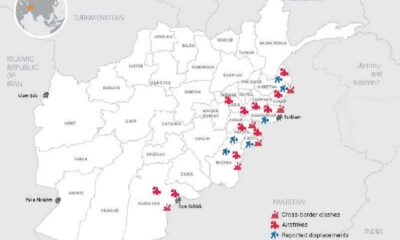
Airstrikes and clashes displace thousands as Afghanistan–Pakistan tensions escalate: UN