
Business
Afghanistan steps in to replace Iran in supplying fruits and vegetables to Russia

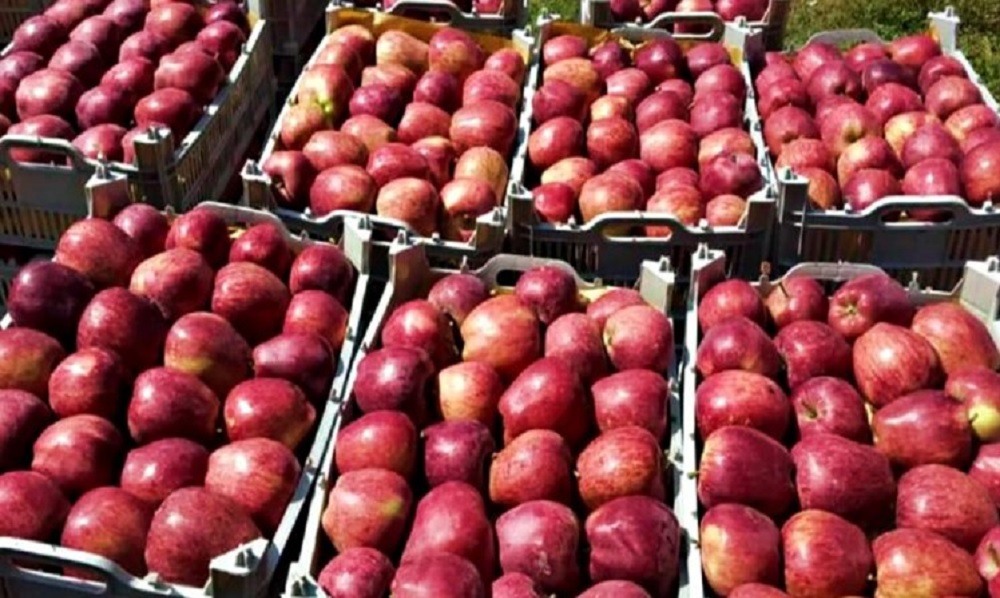
Afghanistan is preparing to increase exports of fruits and vegetables to Russia following a temporary ban by Iran on food exports, Russian media reported citing Rustam Khabibullin, head of the Russian Business Center in Afghanistan.
On March 3, the Iranian government announced an indefinite suspension of all food and agricultural exports to prioritize domestic food security amid ongoing regional conflict. Goods that were previously destined for Russian retailers are now being redirected to Iranian state reserves.
In response, Afghanistan has already dispatched its first shipment of 100 tons of apples to Russia. Shipments of peppers, dried fruits, nuts, celery, zucchini, eggplant, citrus, berries, herbs, and melons are being prepared for delivery in the coming weeks. Khabibullin noted that demand from Russia is growing, and Afghan exporters aim to meet the rising requests to prevent shortages and stabilize prices for consumers.






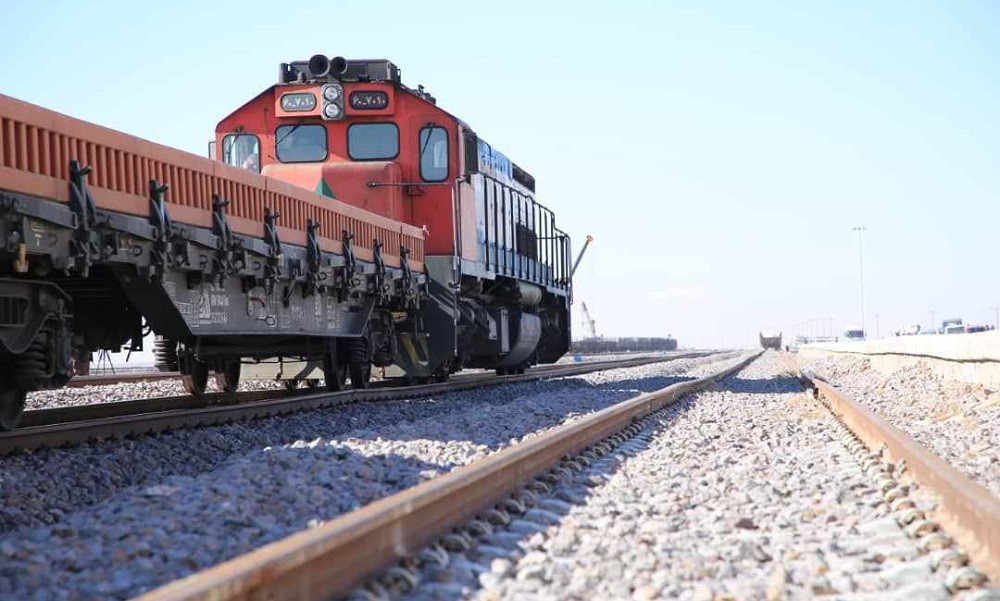
The Ministry of Public Works has confirmed that railway transport through Afghanistan’s four main ports is running normally, with no disruptions reported.
According to the ministry, 127,650 metric tons of goods—including oil, non-oil items, and other materials—were transported via the railway last week (27 February–3 March). Shipments by port were as follows:
- Hairatan: 88,186 tons
- Aqina: 10,769 tons
- Torkhandi: 14,123 tons
- Khaf–Herat: 14,572 tons
Exports accounted for 265 tons, mainly dried fruits and mineral stones.
The Minister of Public Works has directed port officials and provincial department heads to ensure additional support and facilities for traders transporting essential and food items during these sensitive times.
Business
Mujahid: Trade with Iran through Khaf–Herat railway operating normally
He urged national traders to refrain from unjustified price increases in order to maintain market stability.
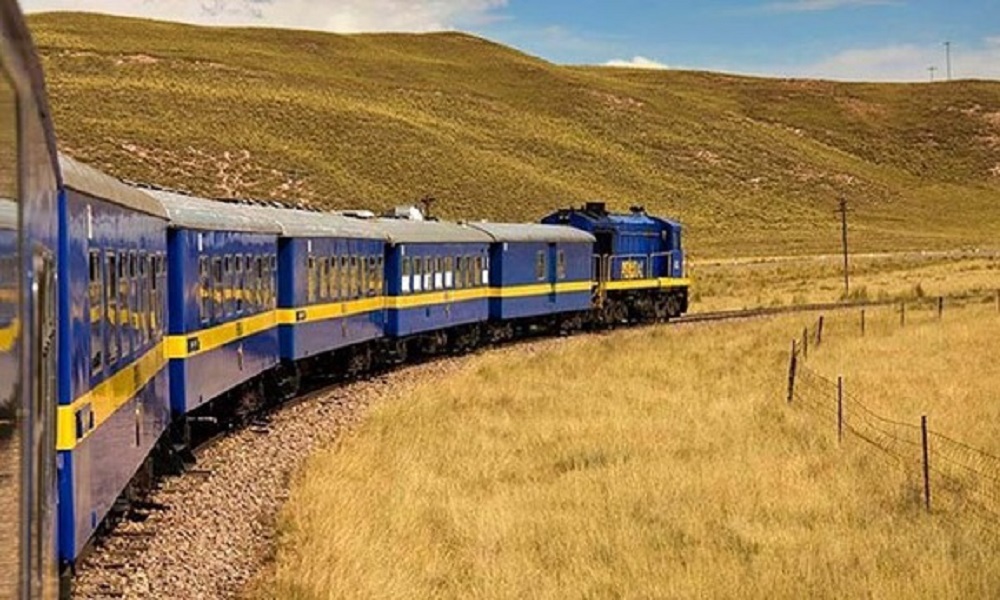
Zabihullah Mujahid, spokesperson for the Islamic Emirate of Afghanistan, has announced that commercial transportation through the Khaf–Herat railway is continuing without interruption.
According to Mujahid, all relevant departments overseeing the railway are carrying out their routine operations, and there have been no delays in the movement of commercial goods.
He confirmed that a freight train carrying commercial goods has arrived at the Rozanak station in Herat province, transporting 42 wagons of cement and two wagons of MDF boards.
Another cargo train carrying food and fuel supplies is expected to arrive later.
Mujahid also noted that, based on information from Iranian railway authorities, around 900 wagons currently in Iran are en route to Afghanistan and will enter the country as scheduled.
He urged national traders to refrain from unjustified price increases in order to maintain market stability.
Business
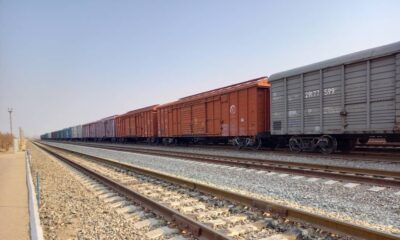
Afghanistan records 33% rise in railway cargo transport
The bulk of cargo passed through the key rail links at Hairatan, Aqina, Torghundi, and the Khawaf–Herat railway connecting Afghanistan with Iran.
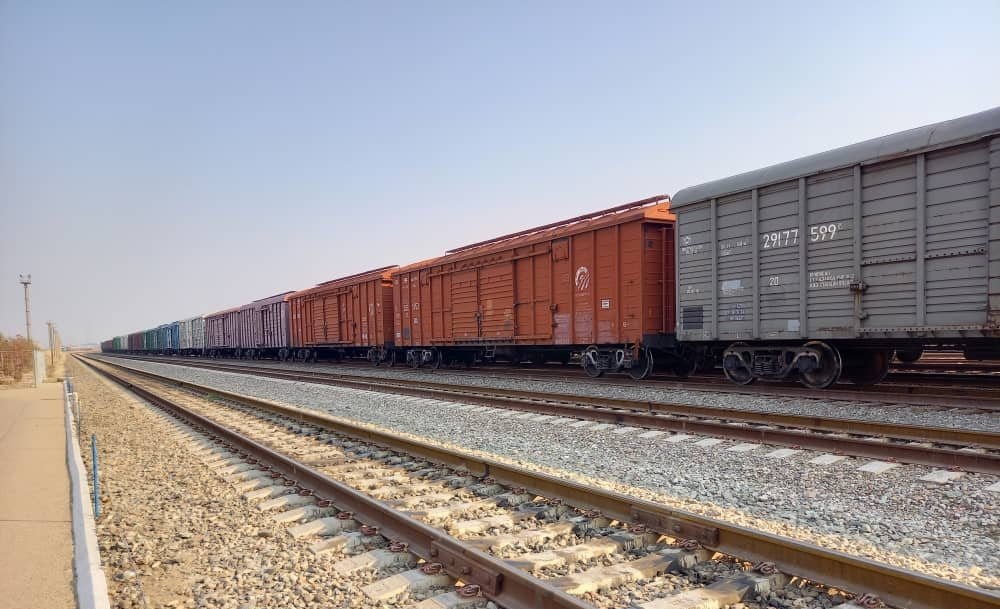
Afghanistan has recorded a sharp increase in rail freight activity, with cargo transported through the country’s railway network rising by more than 33 percent in the first 11 months of the current year compared to the same period last year, officials said.
Mohammad Ashraf Haqshenas, spokesperson for the Ministry of Public Works, said more than five million metric tons of goods were moved through four major railway ports during the reporting period.
According to Haqshenas, shipments included fuel, non-oil commercial goods and other materials entering and transiting the country via the northern and western corridors.
The bulk of cargo passed through the key rail links at Hairatan, Aqina, Torghundi, and the Khawaf–Herat railway connecting Afghanistan with Iran.
The rail network plays a critical role in Afghanistan’s trade infrastructure, offering a cost-effective alternative to road transport for bulk imports such as petroleum, construction materials and food supplies.
As a landlocked country, Afghanistan relies heavily on transit routes through neighboring states to sustain its economy.
Haqshenas said that since the return to power of the Islamic Emirate of Afghanistan, several railway development and expansion projects have been initiated to improve connectivity and increase freight capacity. Some projects have been completed, while others remain under construction.
Officials say the growth in rail cargo reflects gradual improvements in transit coordination with regional partners, including Uzbekistan, Turkmenistan and Iran.
The government views railway expansion as central to its broader strategy of turning Afghanistan into a regional trade and transit hub linking Central Asia to South Asia and the Middle East.
The ministry added that continued investment in rail infrastructure is expected to strengthen economic activity, generate revenue and facilitate greater regional integration in the years ahead.


Iran to suspend strikes on neighbours unless attacks come from them

Afghanistan steps in to replace Iran in supplying fruits and vegetables to Russia

Afghans among those injured in Iranian attacks on UAE

Iran war enters second week as Trump demands ‘unconditional surrender’

Prominent Muslim scholar issues fatwa calling for Afghanistan-Pakistan ceasefire

Pakistani military jet downed in Afghanistan’s Jalalabad, pilot captured alive

Afghan Air Force conducts airstrikes in Islamabad, other cities

IEA releases three Pakistani soldiers to mark Ramadan

Afghanistan’s Chief of Armed Forces underscores readiness and equipment for national defense

Afghanistan welcomes investment and technology partnerships with India

Tawsia: Impact of regional crisis on Afghan projects discussed

Saar: Sixth day of US–Israel war with Iran reviewed

Tahawol: Discussion on ongoing US–Israel war with Iran

Saar: Turkiye’s efforts to revive ceasefire between Kabul-Islamabad

Tahawol: Discussion on ongoing conflicts between Afghanistan and Pakistan
-

 Regional5 days ago
Middle East conflict intensifies; UK base in Cyprus targeted
-

 Regional5 days ago
Ayatollah’s wife dies from injuries sustained in airstrike on Tehran residence
-
 Latest News3 days ago
Amir Khan Muttaqi, Zhao Xing discuss regional security and violations of Afghan territory
-

 Latest News4 days ago
UNAMA calls for immediate halt to Afghanistan–Pakistan cashes
-

 International Sports5 days ago
AFC postpones Champions League matches amid escalating Middle East tensions
-
 Business5 days ago
Afghanistan records 33% rise in railway cargo transport
-

 Regional4 days ago
US Embassy, Consulates in Pakistan suspend visa services over security concerns
-

 Latest News4 days ago
Indian cleric comments on rising Afghanistan–Pakistan tensions